

Are your restaurant’s hundreds (or even thousands) of social media followers actually bringing people through your doors—or are you just posting into the void? With the right approach, your social media platforms can become bustling digital front doors, not just background noise. This guide will show you where to focus now to ensure your social media marketing actually pays off, captivating both regulars and first-timers looking for their next food and drink destination.
Are Your Social Media Platforms Working Hard Enough for Your Restaurant?
- Many restaurants have amassed hundreds or thousands of followers—but are they reaching their business goals?
- Your followers signed up to see your specials, updates, and what makes your restaurant irresistible.
- Is it time to rethink which social media platform deserves your attention?
The reality is, most restaurant owners focus on collecting followers—yet leave their audiences hungry for updates, menu sneak peeks, and behind-the-scenes content. If your social media platforms aren’t generating more reservations, takeout orders, or genuine buzz, it may be time for a strategic overhaul. Social media marketing for restaurants goes beyond just sharing photos; it’s about building conversations and loyalty that turn digital connections into real-life diners. Evaluating which best social media platforms for restaurants align with your customers’ habits and preferences will help you maximize every media post and ensure your efforts lead directly to growth and memorable guest experiences.
What You'll Learn About the Best Social Media Platforms for Restaurants
- Understand the most effective social media platforms for restaurants in 2024
- How to match your marketing strategy to the right media platform
- Best practices for maximizing engagement and driving customer visits
- Common pitfalls in restaurant social media marketing—and how to avoid them
By the end of this article, you’ll be able to pick the social media platforms that best fit your restaurant’s vision, audience, and business goals. Whether you’re managing a fast food chain, cozy cafe, or fine-dining destination, you’ll get actionable tips to turn your followers into loyal customers.
The Importance of Social Media for Restaurants
- Why social media is critical to modern media marketing for restaurants
- Key statistics: How social media platforms influence diner choices
- Top goals for restaurant social media marketing strategies
In today’s digital-first world, social media is the new word-of-mouth for restaurants. Over 70% of diners check social media platforms before making a decision about where to eat. With billions of monthly users browsing food photos, reviews, and events on platforms like Instagram, Facebook, and Google Business, maintaining a strong, active media presence is more important than ever. Your restaurant’s media marketing strategy should prioritize these platforms for restaurant visibility and community building. Top priorities for restaurants include boosting customer visits, showcasing menu items attractively, and swiftly addressing customer inquiries and reviews through their media posts.
“Your restaurant’s social media platforms are virtual storefronts—potentially as important as your physical footprint.”
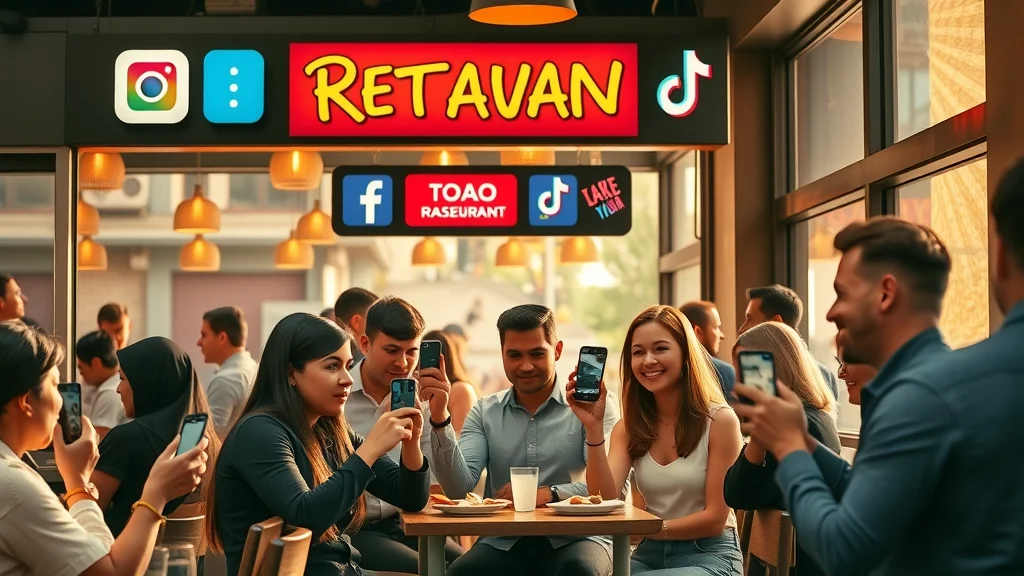
Overview Table: Comparing the Best Social Media Platforms for Restaurants
| Platform | Reach | Engagement | Main Content Types | Best Uses for Restaurants |
|---|---|---|---|---|
| High (1B+ users) | Very High (visual appeal) | Photos, Reels, Stories | Showcasing food, behind-the-scenes, influencer collabs | |
| High (2.9B users) | High (local groups) | Posts, Events, Ads, Messenger | Promotions, events, reviews, bookings | |
| TikTok | Exploding (1B users) | Very High (viral) | Short-form video | Trendy dishes, challenges, viral moments |
| Google Business | Essential (all search users) | Moderate to High (reviews) | Posts, Photos, Reviews | Search visibility, reviews, info updates |
| Twitter/X | Moderate | High (real-time) | Tweets, Polls, DMs | Quick updates, customer service, flash specials |
| Moderate | Moderate (niche interest) | Boards, Pins | Recipe ideas, aspirational food photography |
Instagram: The Visual Powerhouse for Restaurants
Why Restaurant Instagram Accounts Drive Engagement
- Harness Instagram’s visual nature to showcase your dishes
- Leverage Instagram Stories, Reels, and hashtags for maximum reach
- Best practices for updating your Instagram account regularly
Instagram is a feast for the eyes, making it one of the best social media platforms for restaurants. Customers flock to the app for visual discovery, with more than a billion monthly users browsing vibrant feeds for their next meal. A well-curated restaurant Instagram account turns ordinary dishes into crave-worthy creations and transforms followers into advocates. Using features like Stories and Reels, restaurants can share real-time updates, spotlight daily specials, or even tease upcoming menu items in a way static media posts can’t. By maintaining a regular posting schedule—at least three to five times per week—you’ll earn a loyal fan base that eagerly anticipates every new photo, reel, or behind-the-scenes moment.
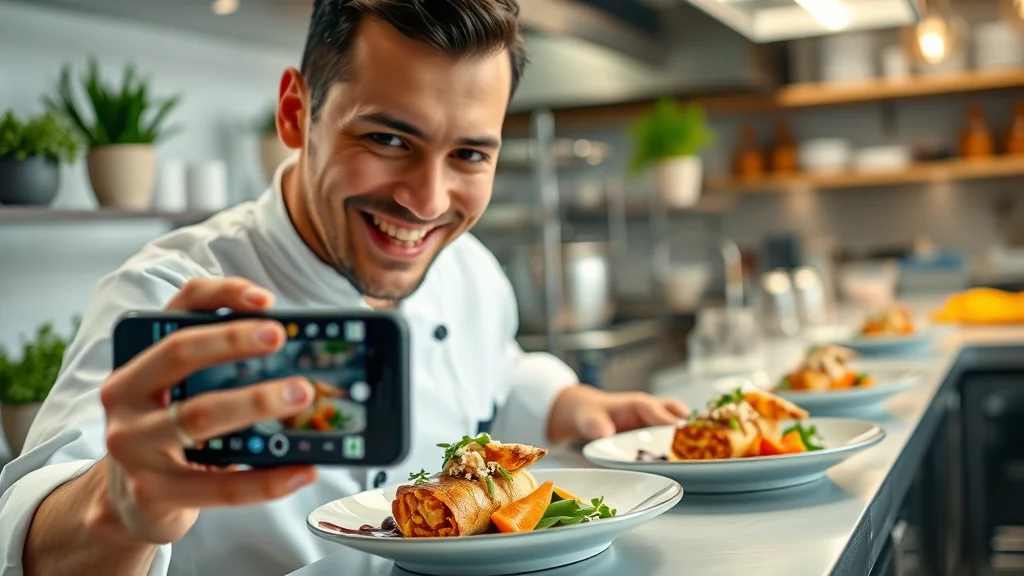
How to Build Followers and Use Instagram as a Social Media Platform for Restaurants
- Creating irresistible food photography
- User-generated content & influencer partnerships
- Engagement strategies: polls, direct messaging, Q&As
High-quality food and drink photography is your digital calling card on Instagram. Show off your restaurant’s atmosphere and signature dishes in natural light, play with angles and compositions, and occasionally invite your chefs or servers to take the spotlight. Encouraging customers to tag your Instagram account in their own posts will amplify your reach and credibility—nothing drives new business like authentic endorsements from real diners. Collaborating with local influencers and food bloggers multiplies your voice and adds credibility for both new and returning guests. Don’t forget to use interactive tools: Instagram Stories polls, direct messaging, and Q&As boost engagement and keep your brand at the forefront of followers’ minds.
For restaurants looking to stay ahead with the latest industry developments and actionable strategies, exploring current business headlines can provide valuable context and inspiration. You can find timely updates and insights relevant to small business owners at Small Business Today.
Facebook: Connecting with Local Diners on Social Media
How Facebook Remains a Top Social Media Platform for Restaurants
- Facebook Events & Groups: Promoting specials and local events
- Running paid ads for restaurant visibility
- Facebook Messenger for direct bookings and customer service
With over 2. 9 billion monthly users, Facebook is a powerhouse social network for reaching local diners and building community. Hosting events, promoting happy hours, and sharing media posts in community groups are strategies that bring crowds in the door. Paid advertising on Facebook allows restaurants to target the right demographics with laser precision, making every dollar of your media marketing count. Facebook Messenger streamlines bookings and responds to inquiries instantly, turning curious browsers into booked tables.
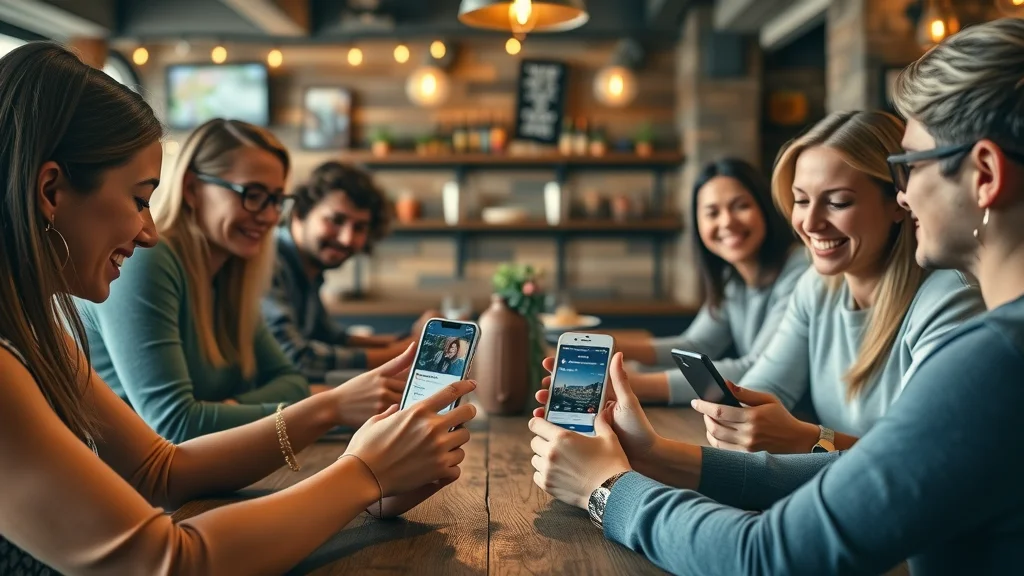
Building Community Through Your Restaurant’s Facebook Page
- Engaging local followers and responding to reviews
- Best practices for media marketing on Facebook
The secret sauce to a successful Facebook business page is interaction. Respond promptly to reviews (both good and bad), thank diners for sharing photos of their experience, and post a mix of specials, events, and behind-the-scenes glimpses of daily kitchen life. By demonstrating responsiveness and community involvement, you’ll foster loyalty and word-of-mouth buzz. Use Facebook’s analytics tools to measure which types of media posts deliver the most engagement and continually optimize your restaurant’s social media strategy accordingly.
Google Business Profile: Essential for Restaurant Visibility
Why Your Google Business Profile Is a Top Media Platform
- Impact on local search and mobile restaurant discovery
- How updates and reviews boost your media marketing
- Using Google Posts and photos for real-time engagement
No platform impacts a restaurant’s visibility as immediately as Google Business Profile. Listing your restaurant—and keeping your business profile updated—ensures you show up when locals search “best tacos near me” or “Italian restaurant downtown. ” High ratings and recent reviews inspire trust and differentiate your spot from competitors. Google Posts offer the perfect space for announcing last-minute deals or limited-time menu items, complementing your other social media marketing campaigns.
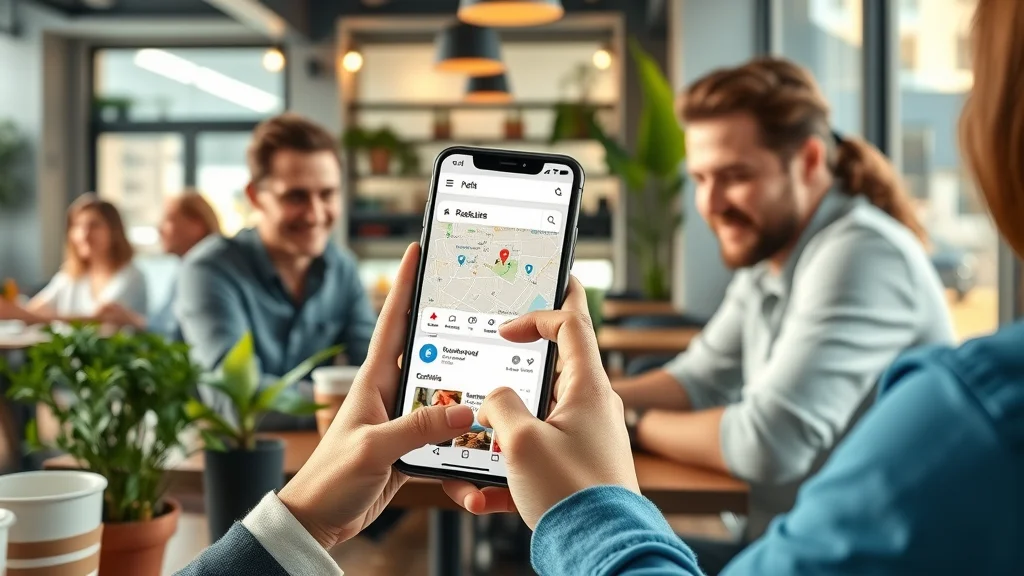
Optimizing Your Business Profile for Maximum Impact
- Best practices for descriptions, categories, and imagery
- Encouraging and managing customer reviews
Make every detail of your Google Business Profile count: write a mouthwatering, keyword-rich description, list your hours and amenities accurately, and update photos regularly. Respond to every review—thank happy customers and offer solutions to dissatisfied ones. These reviews, along with fresh media posts and appealing photos, build authority and keep your restaurant top-of-mind when customers are searching for places to dine. When used in tandem with other best social media platforms for restaurants, an optimized Google Business Profile can work like a powerful referral engine.
TikTok: Viral Media Marketing for Restaurants
How Restaurants Use TikTok as a Social Media Platform
- Trends: Showcasing signature dishes with viral sounds
- Choosing content types that drive shares and saves
- Leveraging TikTok influencers and hashtag challenges
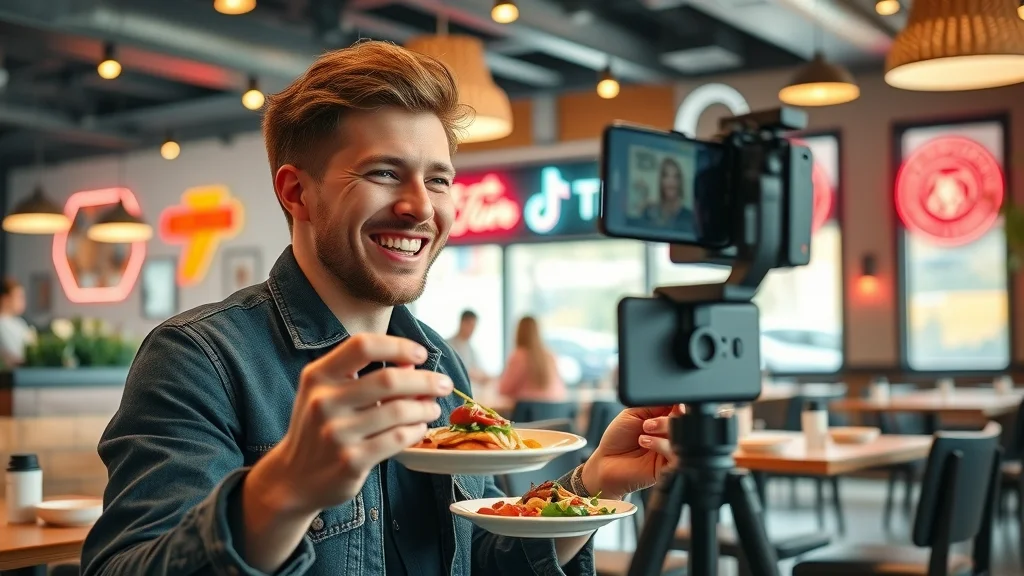
TikTok is where restaurants can show off personality, humor, and viral creativity. Short, catchy videos—like a chef flipping dough, a time-lapse of plating, or a behind-the-scenes kitchen moment—have the power to reach thousands (or even millions) in just hours. Use trending sounds, humor, and challenges to join larger food conversations. Hashtag challenges and influencer partnerships invite both staff and patrons to participate in your restaurant’s story—even one viral video content moment can fill your dining room for days. Unlike any other platform, TikTok enables restaurants to achieve fast visibility with relatable, spontaneous content.
Tips to Succeed with TikTok Media Marketing for Restaurants
- Quick video ideas for busy restaurateurs
- Do’s and don’ts of TikTok food content
Success on TikTok is about authenticity, not expensive video equipment. Create short videos showing how your signature dish is made, highlight a day-in-the-life of your staff, or reveal a “food fail” moment—audiences love real, unfiltered content. Do partner with local food influencers, use trending music, and keep your videos light and engaging. Don’t over-edit or shy away from humor. Sticking to a predictable publishing schedule (2-3 times per week) and responding to comments quickly can supercharge your account’s growth—and your restaurant’s visibility.
“A single viral TikTok clip can drive a week’s worth of foot traffic—if you’re targeting the right audience.”
Other Social Media Platforms for Restaurant Marketing
Twitter (X): Real-Time Updates and Customer Service
- When and why to use Twitter/X for your restaurant
- Handling customer inquiries and complaints instantly
- Promoting time-sensitive specials
Twitter (now X) stands out for speed and immediacy. Restaurants can share flash specials, holiday openings, or traffic updates in real time—and get quick feedback from loyal followers. Use Twitter to solve customer service issues in public (which helps build trust) and to ask fun, engaging questions to your audience. While its reach isn’t as broad as Instagram or Facebook, it’s a great complement when used primarily for direct, timely engagement and spreading media posts that require instant attention.
Pinterest: Inspiring Food Lovers
- Building recipe boards and visual menus
- Driving long-term interest with evergreen pins
Pinterest is often overlooked in marketing for restaurants but serves as a powerhouse for driving long-term inspiration and planning. Use Pinterest boards to showcase your most photogenic dishes, create visual menus, and share step-by-step recipes. This platform attracts an audience looking for “what to eat next,” wedding or party planners, and foodies who love collecting ideas. Evergreen content—the kind people save and return to—means your best dishes, decor, and dining room moments can keep driving traffic year-round.

YouTube Shorts & Video Content
- Leveraging short-form and long-form video for restaurant branding
- Cooking demonstrations, chef interviews, and customer testimonials
As consumers crave more video content, YouTube is an ideal media platform to showcase both short-form clips (YouTube Shorts) and longer features. Consider posting quick cooking tips, behind-the-scenes content from your kitchen crew, and customer testimonials. Long-form video allows you to dive deeper—host virtual classes, feature chef interviews, and give tours of your dining room. Restaurants with YouTube channels also benefit from increased search visibility, especially when integrating keywords and location information for local SEO.
Choosing the Right Social Media Platform for Your Restaurant’s Success
- Matching social media platforms to your customer base
- Strategic planning: when to focus on one platform vs. many
- Evaluating return on investment (ROI) for each media platform
Not all social media platforms are created equal—nor are all customers. Take stock of where your existing diners spend their time online. Younger crowds may gravitate toward TikTok and Instagram; families or event planners might search on Facebook and Google. Fine-tune your focus for your restaurant’s concept, staffing, and capacity. Use analytics to compare engagement rates and ROI for each platform. Sometimes, going deep on one channel delivers better results than spreading thinly across several media platforms. Regularly reviewing insights ensures your media strategy is nimble and aligned with your evolving business goals.
| Restaurant Type | Recommended Social Media Platforms | Key Content Focus |
|---|---|---|
| Fine Dining | Instagram, Google Business, Facebook | Luxury visuals, chef stories, event promotions |
| Casual/Family | Facebook, Instagram, TikTok | Daily specials, community posts, fun Reels |
| Fast Food/QSR | Instagram, TikTok, Google Business | Quick menu teasers, viral challenges, promotions |
| Bakeries/Cafes | Pinterest, Instagram, Google Business | Drink & pastry visuals, baking tips, seasonal pins |
| Catering/Event | Facebook, Pinterest, YouTube | Event highlights, planning guides, customer reviews |
Lists: Common Mistakes Restaurants Make on Social Media Platforms
- Not posting consistently across best social media platforms for restaurants
- Ignoring customer comments and questions
- Focusing on the wrong media platforms for your target market
- Lack of clear visual branding
- Not measuring results or adjusting strategy
Avoiding these mistakes ensures your restaurant’s digital presence truly supports business growth. Stay connected, engaged, and reflective with your social media strategy, using analytics and audience feedback to course-correct frequently.
People Also Ask: Key Social Media Questions for Restaurants
What is the 30 30 30 rule for restaurants?
- The 30 30 30 rule divides a restaurant’s focus into three equal parts: 30% food, 30% service, and 30% ambiance—with the remaining 10% as a buffer for continuous improvement. Using the best social media platforms for restaurants can help highlight each aspect to your audience.
What is the best platform to advertise a restaurant?
- The best social media platform for restaurants often depends on your target audience. Instagram and Facebook remain top choices for visual engagement and local reach, while Google Business Profile is crucial for search visibility.
What is the 5 5 5 rule for social media?
- The 5 5 5 rule for social media suggests posting five original posts, sharing five curated or community-related posts, and commenting on five other accounts per week. Applying this discipline across the best social media platforms for restaurants keeps followers engaged.
What are the top 3 most used social media platforms?
- As of 2024, the top three social media platforms used by restaurants are Instagram, Facebook, and TikTok—each offering unique media marketing opportunities.
FAQs: Best Social Media Platforms for Restaurants in 2024
-
How often should restaurants post on social media platforms?
Restaurants should aim for consistency, posting at least 3–5 times per week on their primary platforms to keep followers engaged and algorithms favoring their content. -
What kind of content drives the most customer visits?
Mouthwatering food photography, behind-the-scenes videos, exclusive specials, and user-generated content tend to drive the most engagement and visits. -
Is paid advertising worth it for local restaurants?
Yes, strategic use of Facebook and Instagram ads helps target local diners, create awareness, and fill tables faster, especially around events and new menu launches. -
How do I track ROI from media marketing?
Use platform analytics and tools like Google Analytics to monitor reservations, website visits, coupon redemptions, and engagement rates linked to specific campaigns. -
Can smaller restaurants compete with large chains on social media?
Absolutely! Small restaurants often have the advantage of authentic, personal content that resonates with niche local audiences, turning each customer into a potential ambassador with every social media post.
Key Takeaways: Maximizing Your Restaurant's Social Media Reach
- Choose social media platforms where your customers are active
- Post engaging, authentic content consistently
- Monitor engagement and adjust your media marketing strategy based on results
Ready to Transform Your Restaurant’s Social Media Marketing?
- Start refining your approach to the best social media platforms for restaurants and unlock the business potential hiding in your followers today.
As you continue to refine your restaurant’s social media strategy, remember that staying informed about broader business trends can help you anticipate shifts in customer behavior and industry best practices. For a deeper dive into the latest news and expert perspectives shaping the small business landscape, visit Small Business Today. Exploring these resources can empower you to make smarter marketing decisions, adapt to emerging opportunities, and ensure your restaurant remains a step ahead in a competitive market. Let your digital presence evolve alongside the industry, and watch your business thrive.





Write A Comment