

Did you know restaurants that prioritize customer engagement can see up to a 25% boost in repeat visits? In today’s competitive restaurant industry, simply serving great food isn’t enough—successful establishments are winning loyal customers by creating memorable, engaging experiences that turn diners into raving fans. Whether you’re a seasoned restaurant owner or new to the business, harnessing effective engagement strategies can transform occasional guests into return visitors and brand advocates. This guide dives deep into what works, why it matters, and how you can implement proven restaurant customer engagement tactics, starting today.
A Surprising Truth: Why Restaurant Customer Engagement Defines Success
Engaging with your guests isn’t just about friendly greetings or checking on meals—it's a full-circle commitment that determines your restaurant's long-term health. Research shows that prioritizing restaurant customer engagement doesn’t just enhance the customer experience; it drives meaningful outcomes like increased repeat visits, improved customer satisfaction, and stronger customer loyalty. When diners feel valued from reservation to after-dinner feedback, they’re far more likely to return—and recommend your venue to others. For any business owner struggling to make an impact, investing in creative, consistent guest engagement strategies can be a game-changer, leading to measurable growth and market differentiation.
Unpacking the Power of Restaurant Customer Engagement
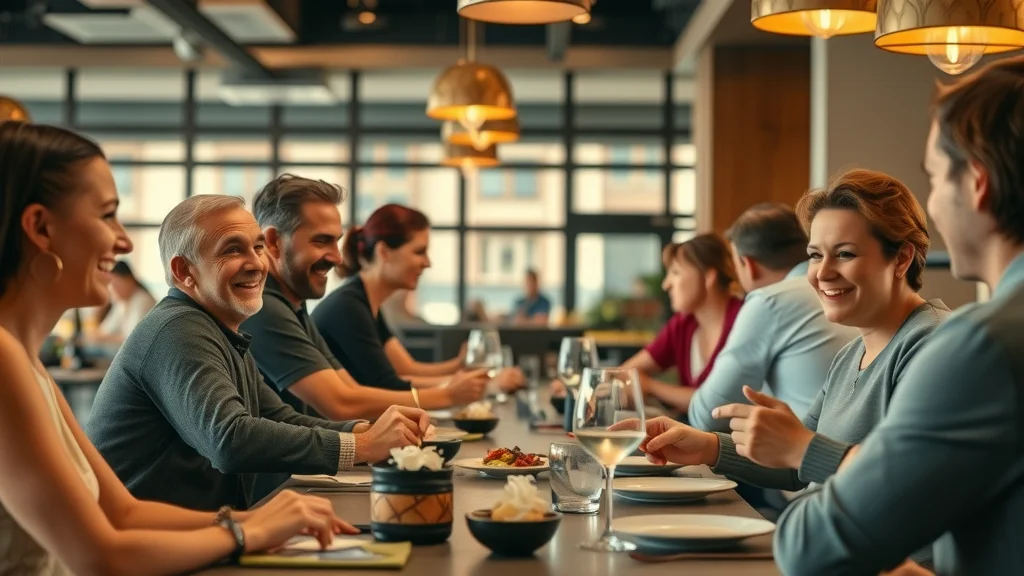
At its core, restaurant customer engagement is about building genuine, two-way interactions between your business and your guests. Modern engagement leverages every touchpoint—from greeting patrons as they walk in, to providing tailored menu recommendations, to following up with an email or social post days after their visit. This goes far beyond transactional exchanges. Instead, it means creating moments where guests feel special, whether by using a mobile app for personalized offers or by recognizing returning regulars by name. Restaurants that embed customer engagement into their culture are rewarded not only with stronger repeat business but also by gaining valuable insights into what delights their community, helping to refine their services and menu items with laser precision.
"Did you know restaurants that prioritize customer engagement can see up to a 25% boost in repeat visits?"
What You'll Learn about Restaurant Customer Engagement
- How to increase customer engagement in your restaurant
- Ways to implement digital solutions like a mobile app
- Building loyalty programs for better customer loyalty
- Enhancing guest experience through superior customer service
- Strategies for leveraging social media and online order systems
To further enhance your approach, it’s helpful to stay updated on the latest business trends and actionable tactics that can impact your restaurant’s success. For more practical insights and current strategies, you might find the resources at Small Business Today especially useful as you refine your customer engagement efforts.
Understanding Restaurant Customer Engagement: The Fundamentals
What Does Restaurant Customer Engagement Mean for a Restaurant Owner?
For today’s restaurant owner, customer engagement is an ongoing process rather than a one-time interaction. It encompasses every moment a guest has with your brand—both inside and outside the restaurant. From making a reservation online, to the customer service while dining, and even their experiences on your social media channels, engagement is about making sure guests always feel valued. Owners must recognize that effective engagement is proactive: listening to what guests want, adapting the menu items or service style based on feedback, and staying connected through regular updates or exclusive offers. In an industry crowded with choices, engagement is what elevates a brand and keeps loyal customers coming back time and again.
Key Benefits: Repeat Visit, Customer Satisfaction, and Customer Loyalty
The benefits of strong restaurant customer engagement extend far beyond a pleasant meal. When patrons leave satisfied, their chances of a repeat visit rise sharply. Consistent engagement improves customer satisfaction by exceeding expectations—whether through attentive customer service or a seamless online order experience. The ripple effect is clear: happy customers become brand advocates, driving word-of-mouth referrals and positive reviews on platforms like social media. From fostering familiar faces to cultivating regulars through a robust loyalty program, engagement isn’t just a feel-good tactic—it's a data-driven approach that bolsters the bottom line.
| Traditional Tactics | Modern Tactics |
|---|---|
| Greeting guests at the door | Personalized greetings via mobile apps and email reminders |
| Word-of-mouth referrals | Engaging social media campaigns and online reviews |
| Punch-card loyalty programs | Digital loyalty programs with trackable rewards |
| Printed menus only | Dynamic menus via apps and QR codes |

Develop a Winning Customer Engagement Strategy
Setting Clear Customer Engagement Goals
To see measurable results from restaurant customer engagement, it’s crucial for any restaurant owner to define specific, actionable goals. Start by identifying what engagement means for your venue: is it more repeat visits, increased average check size, or higher customer loyalty? Translate these objectives into quantifiable KPIs, such as aiming for a 10% increase in mobile app orders or a 15% rise in members joining your loyalty program. By setting clear targets, you can align staff training, marketing strategy, and technology investments. This strategic approach helps track progress and adjust tactics, ensuring your investments yield tangible improvements in engagement and customer satisfaction.
Measuring Customer Experience and Satisfaction
No strategy is complete without regular measurement. Use both quantitative and qualitative methods to track customer experience. Digital tools—like survey prompts via your mobile app or online order system—can help gather immediate feedback. Monitor metrics such as Net Promoter Score (NPS), comment trends, and overall repeat business. Analyze data patterns to spot friction points, whether it’s in wait times, menu items, or interactions with staff. Don’t overlook direct input from guests; encourage open-ended feedback for deeper insights. Consistently evaluating guest sentiment ensures you catch issues early, adapt quickly, and maintain a reputation for exceptional customer service in a rapidly evolving restaurant industry.
Harness Digital Solutions: Mobile App and Online Order Systems
How a Mobile App Enhances Restaurant Customer Engagement
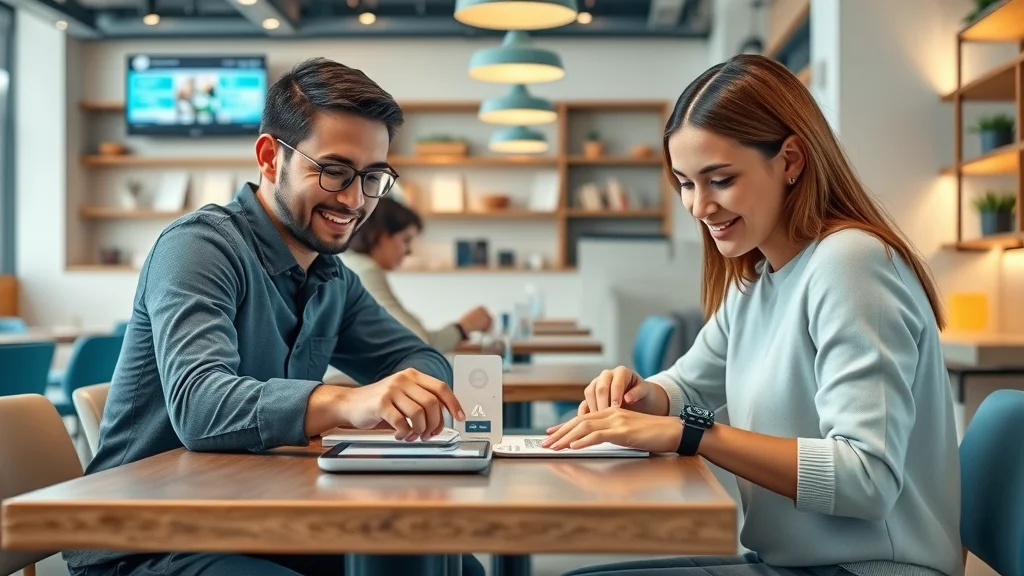
Adopting a mobile app is a smart move for boosting restaurant customer engagement in the digital era. Apps allow diners to place orders, view the menu, make reservations, give feedback, and receive exclusive offers—all from their smartphones. This real-time connection keeps your brand top of mind, whether guests are dining in or ordering takeout. Additionally, every interaction through the mobile app provides valuable data—from order preferences to peak dining times—informing future promotions and menu development. When paired with targeted push notifications or location-based offers, apps don't just streamline the dining experience—they make every guest feel truly recognized and rewarded.
Seamless Online Order Experience: Benefits and Implementation
Today’s diners expect convenience, and a frictionless online order system meets that demand. By integrating online platforms with your kitchen operations, you cut down on errors, reduce wait times, and deliver a consistent customer experience. Popular features such as menu customization, contactless payments, and order status updates not only boost satisfaction but also encourage larger and more frequent orders. Marketing these features through social media and email marketing helps attract digital-savvy customers and sets your restaurant apart from competitors. Implement robust, user-friendly platforms—and provide staff training to ensure orders are fulfilled accurately—to nurture guest engage and foster repeat visits.
Loyalty Program Essentials: Elevating Customer Loyalty
Building an Effective Restaurant Loyalty Program
A well-structured restaurant loyalty program is a cornerstone of sustainable customer engagement. Move beyond traditional punch cards to digital loyalty programs that reward not only repeat visits but also referrals, reviews, or engagement on social media. Use your mobile app or POS system to automatically track points, making participation effortless for both customers and staff. To stand out, personalize perks—like birthday treats or exclusive tastings—and clearly communicate the program’s benefits. The more integrated and effortless your program, the more likely guests will turn occasional visits into habitual loyalty, increasing your share of the competitive restaurant industry.
How Loyalty Programs Drive Customer Satisfaction and Repeat Visit
The true power of loyalty programs lies in their ability to make every diner feel valued. When guests receive tailored rewards or status recognition, their affinity for your brand grows. Consistent rewards encourage frequent visits, larger orders, and positive reviews, creating a virtuous cycle of engagement. Guests in a strong customer loyalty program are also more likely to provide constructive feedback, spreading the word through social media channels and in-person recommendations. For a restaurant owner, this means not just heightened customer satisfaction, but a reliable pipeline of loyal customers who become ambassadors for your brand.

Enhance Guest Experience through Outstanding Customer Service
Service Training for Staff to Boost Restaurant Customer Engagement
Comprehensive customer service training for staff can instantly elevate your restaurant’s reputation for guest engage. Employees should understand not just menu items, but how to tailor the dining experience to meet individual preferences. Encourage your team to anticipate needs—like offering refills or customizing dishes—and to handle concerns with empathy and speed. Regular training sessions, role-play scenarios, and clear communication of your goals ensure that every member feels empowered to deliver a positive experience. Remember, it’s frontline staff who most often transform a basic visit into a memorable one, directly influencing repeat business and positive customer satisfaction scores.
Techniques for Personalizing the Customer Experience
Personalization is what sets exceptional restaurant customer engagement apart. Use guest data from reservation systems, mobile apps, and past visits to greet regulars by name or recommend favorite menu items. Simple gestures, such as celebrating special dates or remembering dietary preferences, can leave a lasting impression. Leverage technology—like CRM tools or online order histories—to make each interaction unique. By demonstrating that every guest matters, you encourage longer stays, bigger orders, and enthusiastic referrals. Personalized touches transform first-timers into defenders of your brand, helping propel your restaurant to new heights in the competitive landscape.
"Every guest is a potential brand ambassador—exceeding expectations turns first-timers into loyal customers."
Leverage Social Media for Real-Time Guest Engagement
Creating Shareable Moments: Content Ideas for Social Media
Platforms like Instagram, Facebook, and TikTok are essential tools for engaging your diners before, during, and after their visit. Feature eye-catching menu items, showcase behind-the-scenes kitchen moments, or spotlight delighted guests (with permission). Encourage diners to share their own images and experiences by offering incentives for tagging your location or using branded hashtags. Host live events, contests, or Q&A sessions to foster two-way dialogue. These tactics don’t just increase your reach—they turn every diner into a co-creator of your brand’s digital story, greatly amplifying word-of-mouth and fostering robust restaurant customer engagement.

Engaging with Feedback and Customer Conversations Online
Timely, authentic responses to online reviews and comments demonstrate you’re actively listening, even beyond the dining room. Address negative reviews with professionalism and a commitment to make things right; celebrate positive feedback by thanking guests publicly. Monitor your social media channels and review platforms for customer suggestions or concerns—responding to these promptly builds trust and ensures guests feel valued. Incorporate common themes from online interactions into staff meetings and future improvements. This digital dialogue is a powerful extension of your customer service culture and is instrumental in increasing customer loyalty and customer satisfaction.
Involve the Community: Events and Guest Engage Promotions
Hosting Events that Drive Customer Engagement
Special events are unique touchpoints that create excitement and drive fresh engagement. Whether it’s a weekly trivia night, chef-led tasting dinner, or charity fundraiser, events invite new and existing guests to experience your restaurant in a fun, memorable way. Promote these happenings through social media, email marketing, and in-house flyers. Ensure every event reflects your brand identity and encourages attendees to interact with staff, try new menu items, and share their experiences online. Consistent programming can anchor your venue as a community hub—boosting foot traffic, building relationships, and encouraging repeat visits.
Collaborations and Local Partnerships for Restaurant Owners
Forging partnerships with local artists, musicians, or small businesses creates a win-win for your restaurant and the community. Host meet-the-maker nights, art shows, or exclusive pop-ups featuring collaboration dishes or drinks. These alliances bring additional followers, boost brand visibility, and demonstrate your commitment to supporting local talent. Feature local products on your menu or in your loyalty program rewards, blending authenticity with value for your guests. By participating in or sponsoring community events, you further establish your restaurant as a valued neighbor and a preferred destination for engaged diners.
- Run themed nights and contests
- Feature local artists or products
- Create exclusive member events

Mapping the Customer Journey for Maximum Engagement
Identifying Touchpoints for Positive Customer Experience
Understanding the customer journey from start to finish is crucial for optimizing restaurant customer engagement. Begin by mapping out every touchpoint—where and how guests interact with your brand. This could include making a reservation, receiving a personalized confirmation email, being welcomed by name at the door, experiencing efficient table service, engaging with digital menus, and participating in post-meal surveys. By identifying these moments, you can design experiences that consistently delight guests and resolve pain points quickly. A well-considered journey ensures no opportunity for engagement is left untapped and increases the likelihood of repeat business.
Using Guest Data to Personalize Restaurant Customer Engagement
The data collected through reservations, mobile apps, and digital loyalty platforms is a goldmine for tailored marketing and personalized service. Analyze order history, dietary preferences, and feedback to create custom promotions and improve menu offerings. Use this valuable data to anticipate guest needs—such as recommending favorites when they make a reservation or send targeted follow-ups after their visit. The smarter your use of data, the more relevant and memorable your engagement efforts, cementing your reputation as a guest-centric brand in the restaurant industry.
| Stage | Key Touchpoints | Engagement Example |
|---|---|---|
| Reservation | Website/App, Phone, Email | Personalized confirmation and reminders |
| Arrival | Host greeting, Waiting area | Warm welcome by name or occasion |
| Dining | Menu interaction, Table service | Suggestions based on preferences |
| Payment | POS, Mobile payment | Loyalty points or instant feedback prompt |
| Follow-up | Email, SMS, Social Media | Thank-you note, request for review, exclusive offers |
Common Challenges in Restaurant Customer Engagement—and How to Overcome Them
Dealing with Negative Feedback: Turning Issues into Opportunities
Every restaurant receives a negative review at some point, but how you respond can make all the difference. View each critique as a valuable learning opportunity. Prompt replies—thanking the guest and offering to resolve the issue—show you value their business and are committed to continuous improvement. Address recurring feedback by adapting menu items or retraining staff. Turn dissatisfied customers into vocal supporters by going the extra mile; a personalized follow-up or a special offer can often change a former critic into a loyal customer, strengthening overall customer loyalty.
Adapting to Evolving Guest Expectations
Guest preferences in the restaurant industry are always changing, from dietary trends to technology demands. Stay ahead by listening carefully to guest suggestions on social media and survey responses. Regularly update your marketing strategy, menu, and customer service training to reflect evolving needs. Test new engagement tactics—like digital reservation systems or sustainable packaging—and solicit feedback on changes. By embracing flexibility and continuous learning, your restaurant can meet emerging expectations and retain a strong foothold in an increasingly dynamic market.
People Also Ask: Restaurant Customer Engagement Insights
What are the 4 P's of customer engagement?
Understanding Product, Price, Place, and Promotion in Restaurant Customer Engagement
The 4 P's—Product, Price, Place, and Promotion—are the pillars of successful restaurant customer engagement. Product covers your menu items and overall dining offer; Price means delivering value and competitive deals; Place relates to your choice of location or digital presence, including your website and mobile app; Promotion includes all outreach efforts, from social media to in-house loyalty programs and events. Mastering these elements ensures your engagement approach is comprehensive and tailored to your guests’ needs.
What is the 30 30 30 rule for restaurants?
Exploring the 30 30 30 Rule and Its Impact on Restaurant Customer Engagement
The "30 30 30 rule" refers to effective allocation of restaurant resources: 30% on food and beverage cost, 30% on labor, and 30% on overhead (with 10% for profit). While not directly about customer engagement, following this rule frees up budget for improvements—such as investing in guest-centric technologies or enhanced customer service training—that positively impact customer satisfaction and overall engagement.
What are the 5 P's of service in restaurants?
Breaking Down the 5 P's: People, Product, Process, Physical Evidence, and Performance for Engagement
The 5 P’s—People, Product, Process, Physical Evidence, and Performance—offer a framework for building world-class engagement. People refers to your staff’s skills and attitude; Product is the quality and variety of menu items; Process covers how efficiently service is delivered; Physical Evidence includes tangible elements like décor and cleanliness; Performance measures the consistency and effectiveness of your customer service. Together, these dimensions guarantee each guest enjoys a positive, memorable dining experience.
What are the 5 dimensions of customer engagement?
Emotional, Cognitive, Behavioral, Social, and Physical Dimensions of Restaurant Customer Engagement
The 5 core dimensions are Emotional (how diners feel), Cognitive (what they know about your restaurant), Behavioral (actions like repeat visits), Social (interactions with other guests or staff), and Physical (the sensory experience of your venue). Understanding and optimizing each of these ensures a comprehensive strategy for restaurant customer engagement.
FAQ: Restaurant Customer Engagement
How can restaurant owners increase customer engagement quickly?
Start with small, impactful steps: greet guests by name, launch a simple loyalty program using your POS, or run a social media contest. Implementing technology like a mobile app or digital feedback tool hastens real-time connections and helps personalize the dining experience, leading to improved satisfaction and a rapid uptick in repeat business.
What digital tools work best for restaurant customer engagement?
Mobile apps, robust reservation platforms, contactless payment systems, and integrated loyalty solutions yield the highest engagement. Platforms that combine ordering, reservations, and customer feedback in one hub simplify operations and offer guests a seamless, memorable experience.
Do loyalty programs still matter for modern restaurants?
Absolutely. Today’s diners crave instant value and tailored rewards. A digital loyalty program strengthens retention, incentivizes larger orders, and gathers valuable customer insights that refine your marketing and operations.
How does employee training impact customer satisfaction and repeat visit?
Comprehensive staff training ensures every interaction exceeds expectations, building trust and rapport. Well-trained teams create consistent, positive experiences that directly increase customer satisfaction and drive more repeat visits.
Key Takeaways for Improving Restaurant Customer Engagement
- Consistent restaurant customer engagement drives loyalty and repeat business
- Mobile app and online ordering systems streamline experience
- Personal touches and staff training amplify guest engage
- Loyalty programs and social media promote ongoing connection
Ready to Transform Your Restaurant Customer Engagement? Discover Proven Strategies for Your Success!
Take action today—integrate these tips, track your results, and watch your guest loyalty and business thrive!
If you’re eager to keep your momentum going, there’s a wealth of broader business knowledge waiting for you. Exploring the latest headlines and expert advice at Small Business Today can help you stay ahead of industry shifts, discover innovative approaches, and gain a strategic edge. Whether you’re looking to refine your marketing, adapt to new technologies, or simply stay inspired, these resources offer the next level of insight to elevate your restaurant’s growth journey. Dive deeper and empower your business with the tools and trends shaping tomorrow’s success.





Write A Comment