Add Row
Add Element
Small Business Today
UPDATE
Add Element
  • Home
  • Categories
    • Small Business News
    • Business Headlines
    • Small Business Trends
    • Automotive Industry News
    • Restaurant News
    • Dental Practice Marketing
    • Auto Repair Marketing
    • Roofing Contractor Marketing
    • Salon & Spa News
    • Lawn & Landscape Marketing
    • Plumbing & HVAC Contractor News
    • Featured Businesses
February 17.2026
1 Minute Read

Customer Reviews And Social Media: Turn Feedback Into Gold

Did you know that restaurants often have thousands of followers on their social media platforms—yet most never truly capitalize on this goldmine? Imagine harnessing those loyal digital connections and combining them with real customer reviews. The result isn’t just a boost in reputation; it’s a powerful surge in customer engagement, trust, and sales—a recipe so few take full advantage of, but you absolutely should.

Astonishing Power: Restaurants, Followers, and the Untapped Potential of Customer Reviews and Social Media

“Nearly 90% of consumers check media reviews before choosing where to eat—but most restaurants barely tap into their legion of social media followers.”

In today’s *hyper-connected* world, it’s no secret that customer reviews and social media are reshaping how brands are perceived—and nowhere is this more obvious than in the restaurant industry. Across platforms like Instagram and Facebook, restaurants gather hundreds—if not thousands—of followers. These aren’t passive numbers; these are people who’ve already expressed interest, loyalty, or at least curiosity toward your dining experience. Yet, despite this, the majority of restaurants seldom convert these valuable relationships into direct growth.

The intersection of *customer reviews and social media* provides an untapped channel to engage your base, showcase positive customer feedback, and drive real trust among potential customers. Media reviews and online review sites heavily influence purchasing decisions, and when these customer experiences are shared across your social media platforms, they create a compelling loop: happy diners post about you, potential diners see this validation, and your reputation soars. The challenge is no longer collecting reviews, but activating this existing goldmine of social media followers who followed to keep up with specials, new offerings, and real customer experiences.

Modern restaurant scene with diners taking food photos for customer reviews and social media under warm, inviting lighting.

What You'll Learn About Customer Reviews and Social Media

  • How customer reviews and social media intersect to shape brand reputation
  • Expert strategies to showcase customer feedback on social media platforms
  • Ways media reviews impact customer experience and trust
  • Tips to encourage positive reviews and amplify your restaurant's reach

Understanding the Symbiosis Between Customer Reviews and Social Media

Why Customer Experience Is the Heart of Every Social Media Review

Every meal served and every guest interaction creates a *customer experience* that can ripple across the digital world. When guests share their satisfaction (or pain points) on social networks, these stories live on as powerful word-of-mouth endorsements. Social media reviews are the digital extension of customer service, where both positive and negative feedback can reach hundreds—or thousands—of eyes. This immediacy directly ties your commitment to customer satisfaction with your online reputation, making each table served an opportunity to build trust in real-time.

Restaurants that understand the power of combining *customer reviews and social media* can spotlight authentic customer experiences, demonstrating transparency and an active engagement with their audience. By responding to online reviews, addressing issues, and sharing praise, you reinforce a brand identity that values and listens to its customers. This cycle—customer experience leading to reviews, reviews fueling your social media presence—creates a dynamic, trustworthy, and inviting atmosphere for potential customers deciding where to eat next.

For restaurants looking to further refine their approach, exploring the latest business headlines and industry trends can provide valuable context for leveraging customer feedback. You can find timely insights and practical examples in current small business news updates that often highlight how businesses are adapting their review and social media strategies.

From Customer Feedback to Positive Reviews: The New Marketing Currency

The real magic happens when customer feedback transitions from private thoughts to public *positive reviews*. In a restaurant’s marketing arsenal, these organic testimonials are more persuasive than any polished ad campaign. They don’t just build trust—they create loyalty. When a loyal customer shares a glowing review on Instagram, tags your location, or posts a story about their meal, it’s not just praise: it’s marketing you can’t buy.

Leveraging these genuine moments across your *social media platforms* amplifies their effect exponentially. Restaurants can use user-generated content, spotlight reviews in their stories, and thank guests publicly for their feedback. This active showcasing of customer reviews signals to newcomers that you’re proud of your service and attentive to your guests’ voices. In an age where every online review is a deciding factor for potential customers, your ability to turn feedback into promotional gold is the true differentiator.

Restaurant manager reviewing customer feedback notifications on tablet for social media insights.

Harnessing Social Media Platforms: From Passive Followers to Engaged Advocates

How To Leverage Media Reviews Using Social Media Platforms

With thousands of followers sitting idle, restaurants are sitting on an asset that rivals the best marketing budget. The key to unlocking this value is sharing *media reviews* and customer feedback with intentionality across all your social media accounts. Start by mapping out a content calendar that highlights the best customer experiences. Whether it’s sharing a customer’s heartfelt review from Google Reviews or reposting an Instagram story about a memorable dining moment, each piece of content creates a link between your fans and your food.

Successful restaurants leverage their social media platforms as review showcases. They blend their announcements of specials, events, behind-the-scenes moments, and customer reviews and social media updates for a holistic online voice. This approach doesn’t just keep your loyal base informed; it inspires user-generated content. Encouraging guests to post about their experiences with branded hashtags or offering small incentives helps maintain a steady stream of fresh, authentic content that validates your brand to new potential customers.

Converting Customer Review Insights Into Compelling Social Media Content

Not all feedback is created equal—some reviews offer valuable insight into recurring strengths or pain points in the customer experience. Analyze online reviews regularly, spot trends, and craft posts that address these points publicly. For instance, if guests rave about your signature dessert, film a short video of your chef preparing it or share a customer’s praise alongside a picture of the confection. This tells your social media followers you’re listening and taking action.

Transforming *customer review* insights into engaging social media content builds trust and keeps your audience invested. Illustrate your commitment to customer satisfaction by sharing not only the positive feedback but also your responses to constructive criticism. Highlight how customer feedback led to menu tweaks or service improvements, and your restaurant’s transparency will shine through. The more your followers see their opinions matter, the more likely they are to engage, review, and ultimately visit.

Table: Comparison—Restaurant Use of Social Media Reviews vs. Industry Benchmarks

Restaurant Social Media Followers Number of Customer Reviews Shared Per Month Industry Average Engagement Rate Example Best Practices
2,500+ 4 2.1% Spotlight weekly reviews, tag reviewers with permission
10,000+ 8 3.9% Use branded graphics, highlight video testimonials
50,000+ 12+ 5.4% Regular influencer takeovers, UGC campaign integration

Happy customer posting a positive food review on social media at lively restaurant patio during sunset.

The Psychology: Why Customers Follow and Review on Social Media

Building Trust with Authentic Customer Experiences

Why do people follow restaurants on social platforms and share their customer experiences? The answer lies in authenticity and the desire to *build trust* with brands they love. By joining your network, they seek exclusive previews of new dishes, behind-the-scenes access, and a two-way dialogue. When you feature reviews and show gratitude—publicly thanking a customer or resharing their story—followers recognize the relationship as genuine.

This trust-building process is circular. The more you showcase authentic customer feedback, the more likely others will speak up too. Customers want to see that their opinions make a difference, and every response you give, especially on social media reviews, reinforces that bond. This commitment to customer satisfaction isn’t just good manners; it’s the fuel for repeat visits and referrals, ultimately creating stronger relationships and driving new, organic growth.

Best Practices List: Showcasing and Utilizing Positive Reviews on Social Media

  • Feature customer reviews in story highlights
  • Respond to every customer feedback—both positive and negative
  • Encourage user-generated content through hashtag campaigns
  • Integrate media reviews into special promotion posts

Restaurant staff enthusiastically creating a social media post, arranging vibrant dishes and a smartphone flat-lay.

Pro Tips: Turning Feedback Into Social Media Gold

How to Encourage More Customer Reviews via Social Media Platforms

Want more reviews? Ask for them! Inviting followers to share their customer experiences can start as simply as including a call-to-action in your posts or stories: “Love your meal? Tell us about it and tag us!” Thank each reviewer and consider offering rewards like dessert discounts or “reviewer of the month” shoutouts. By actively inviting feedback, you show a commitment to customer satisfaction and transform satisfied diners into loyal advocates.

Don’t underestimate the power of features. Showcase customer reviews in permanent Highlights, pin them in your feeds, and use creative graphics. The easier you make it for diners to see how their peers feel about your product or service, the more motivated they’ll be to join in. Social media thrives on participation—make leaving a review feel both rewarding and impactful.

Amplifying Reach: Working With Influencers and Review Sites

Amplifying your online review presence isn’t just about grassroots diners. Collaborate with local influencers who align with your brand values and invite them to try your menu. Their sphere of influence introduces your restaurant to new audiences and brings legitimacy—especially if their followers see real, unscripted feedback. Partnering with review sites and social media platforms amplifies your reach and delivers more valuable insight about your reputation.

Cross-post standout reviews from Google Reviews or other review sites. Use these endorsements in email marketing and across your media platforms for maximum impact. When you smartly integrate influencer content and third-party reviews, you double down on trust signals, showing potential customers you’re committed to transparency and consistent customer service.
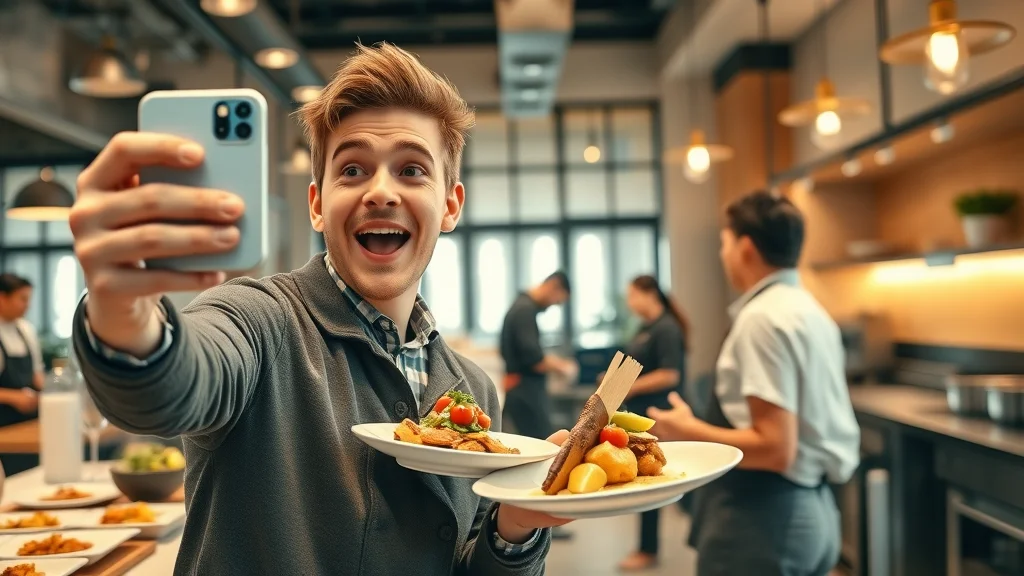
Food influencer taking a selfie with chef and signature dish for customer reviews and social media in bustling open kitchen.

Watch how one restaurant transformed its approach to *customer reviews and social media*, turning sporadic praise into a steady stream of buzz and bookings. Featuring team interviews, guest spotlights, and dramatic before-and-after stats, this case study reveals actionable tactics any modern eatery can implement for instant improvement.

People Also Ask: Common Questions on Customer Reviews and Social Media

What is the 5 5 5 rule for social media?

Answer: The 5 5 5 rule for social media suggests posting five updates about your own business, five posts that share expert advice or media reviews, and five posts that engage directly with followers’ customer feedback, balancing promotion and community.

What are the 3 C's of customer satisfaction?

Answer: The 3 C’s of customer satisfaction are Consistency, Communication, and Commitment—ensuring each customer experience and review reflects these principles, especially on social media platforms.

How to post customer reviews on social media?

Answer: Share screenshots, design branded graphics quoting customer feedback, tag reviewers with permission, and regularly feature positive reviews as part of your content calendar for maximum social media impact.

What are the 4 P's of customer experience?

Answer: The 4 P's of customer experience are Personalization, Proactivity, Promptness, and Politeness—all of which help drive more positive reviews and better media reviews on social platforms.

Get quick, actionable tips for turning every online review into high-impact content. See real posts, content prompts, and before-and-after engagement spikes in this short, insightful clip.

Key Takeaways: Customer Reviews and Social Media for Restaurants

  • Every posted customer review is a chance to inspire new patrons and reinforce loyalty
  • Social media platforms are underutilized gold mines for real feedback
  • Showing off positive reviews can rapidly boost reputation and sales

Frequently Asked Questions About Customer Reviews and Social Media

How often should restaurants share customer reviews and social media updates?

Consistency is crucial—aim to feature customer reviews at least once a week, while maintaining a steady drumbeat of daily or several times weekly updates to keep your audience engaged and your reputation top-of-mind.

Are customer review sites more effective than in-feed social media reviews?

Both play unique roles: Review sites like Google Reviews provide external validation for potential customers researching options, while in-feed social media reviews help nurture loyal customer engagement and are more easily shared to build buzz within your community.

What are the best ways to encourage positive customer feedback online?

Focus on delivering an outstanding customer experience, ask for feedback at the point of service, make leaving reviews easy, and always follow up with a public thank you or direct acknowledgment on your social media platforms.

Final Thoughts: Amplifying Customer Experience through Customer Reviews and Social Media

“If you’re not turning your customer reviews and social media followers into fans, you’re leaving success on the table.”

Restaurants can’t afford to overlook the influence their *customer reviews and social media* platforms hold. Engage your audience, activate your loyal customers, and watch your reputation—and your revenue—grow.

Ready to transform your social media strategy? Start sharing your best customer reviews today.

As you continue to refine your approach to customer reviews and social media, remember that staying informed about broader business trends can help you anticipate shifts and seize new opportunities. Exploring resources like Small Business Today’s business headlines can offer a strategic edge, revealing how other businesses are innovating in customer engagement and digital marketing. By connecting your review strategy with the latest industry insights, you’ll be better equipped to adapt, grow, and lead in a competitive landscape. Take the next step—immerse yourself in the stories and strategies shaping the future of small business success.

Restaurant News

6 Views

0 Comments

Write A Comment

*
*
Related Posts All Posts
02.24.2026

Unlocking Restaurant Growth: The Role of Real Estate in F&B Franchise Profitability

Update The Critical Role of Real Estate in Restaurant Success In the bustling world of food and beverage franchising, restaurateurs often concentrate on visible components like menus, branding, and customer service. However, one crucial element that dictates profitability before a menu is even created is the choice of real estate. From site selection to lease agreements, real estate decisions significantly impact business performance, often in ways that are difficult to remedy later on. Why Location Decisions Matter The adage "location, location, location" rings especially true for food and beverage franchises. Unlike marketing strategies that can be adjusted over time, real estate decisions are fundamentally permanent. Once a lease is signed and renovations are completed, franchisees are locked into their choices for years to come, and these commitments dictate staffing, customer flow, and the overall operational dynamic. Traffic patterns, visibility, and access play pivotal roles in how effectively a brand can engage with its target audience. Successful franchise systems have learned through experience that a strategically chosen site can facilitate consistent customer traffic, while poor choices can hinder growth and profitability. Understanding Site Types and Their Impacts Not all retail spaces yield the same results. End-cap locations are praised for their visibility and customer accessibility, typically leading to increased traffic but requiring higher rent. In-line spaces present lower occupancy costs, often benefiting from surrounding foot traffic, making them suitable for brands driven by repeat customers rather than impulse buys. Freestanding buildings provide unique advantages such as maximum branding control and the potential to offer drive-thru services, appealing especially to high-volume franchises. Ultimately, the most successful locations are those that align perfectly with operational needs and business models, transcending surface-level appeal. Lease Terms: The Fine Print that Impacts Margins A restaurant's lease structure can make or break long-term profitability. Franchisees must understand not just the base rent but also the escalations, maintenance fees, and taxes associated with leasing a space. Short-term leases may offer flexibility but add uncertainty, while longer agreements provide stability at the cost of extended commitment. For multi-unit franchise operators, having consistent lease terms across locations simplifies financial forecasting and management, reducing stress surrounding unexpected costs. A thorough understanding of these commitments allows restaurant owners to predict occupancy costs more accurately while alleviating margin pressure over time. A Quick Real Estate Checklist for Franchise Success Before signing off on any site, potential franchise investors should assess several fundamentals: Does the location facilitate the expected customer flow? Are the monthly rents and lease terms feasible, especially in light of fluctuating labor and food costs? Can the space evolve in terms of growth, remodeling, or future resale? Is the site positioned to support more units within the vicinity? Particularly for newcomers in the franchise business, these considerations can set the stage for success or failure later on. Why Real Estate Decisions Multiply for Multi-Unit Operators For operators looking to expand into multiple locations, the stakes are even higher. A strong site purchased with favorable lease terms can ease financing, staffing, and long-term portfolio planning. Poor site selections can act as operational outliers, soaking up disproportionate resources and attention. The clarity in maintaining high-quality site standards allows multi-unit operators to concentrate on overall performance rather than being bogged down by location-specific issues. Viewing real estate as a platform for scalable growth rather than a constraint enables operators to navigate the often treacherous waters of restaurant economics more effectively. Treating Real Estate as a Profit Lever In essence, real estate in the food and beverage franchise sector serves as more than just a physical location - it becomes a driver of profitability. Strategic leases, well-thought-out locations, and an understanding of the brand-to-location synergy equip operators to build sustainable and impactful businesses. Franchisees who approach site selection and lease agreements with a strategic mindset find themselves better placed for success than those who reactively make decisions out of necessity. Whether constructing a new franchise or adding to an existing network, intelligent real estate choices can profoundly influence operational performance down the road. Time to Act: Make Each Real Estate Decision Count With real estate being such a critical component to the sustainability of a franchise, it’s prudent to pay close attention to the details from the outset. Evaluate all options, consult with experts, and think long-term about your positioning. Your franchise’s trajectory may very well depend on the decisions you make today.

02.23.2026

What Factors Are Fueling Food Truck Momentum in 2026?

Update Why Food Trucks Are Becoming a Restaurant Staple As the food landscape transforms, food trucks are breaking the mold of traditional dining. Offering diverse culinary experiences—from gourmet birria tacos to artisanal lobster rolls—these mobile kitchens usher in convenience without compromising quality. Per recent reports, the food truck market is poised for significant growth, projected to hit $2.8 billion by 2026 despite rising competition and challenges. The Food Liability Insurance Program (FLIP) recently analyzed data from the top 200 U.S. metropolitan areas, pinpointing critical factors for aspiring food truck operators aiming for success in this burgeoning market. Top Cities for Food Trucks in 2026: A Data-Driven Perspective According to the research, several key cities emerged as the most favorable for launching food trucks, each with unique advantages: New York City: Leading the pack, NYC excels in walkability, which boosts visibility and impulse purchases, although the permit process can be daunting and competitive. A total of 445 mobile food vending permits are issued annually, highlighting the competitive nature of this prime food hub. Austin: With its deep-rooted food culture and supportive local policies, Austin remains a haven for food truck enthusiasts, despite its lower walkability ratings. Recent changes in permitting laws have also paved the way for smoother operations. Los Angeles: Home to a vibrant food truck scene, LA offers resources that assist new operators but is also heavily saturated. The food trucks here draw an enthusiastic crowd despite stiff competition. Miami: Year-round warm weather and a thriving event culture create persistent foot traffic for food trucks. This locale allows food truck businesses to capitalize on a steady stream of patrons, particularly during local events. Houston: Featuring significant search interest from potential customers, Houston demonstrates a growing attachment to food trucks that operates beyond mere convenience. However, ongoing regulatory changes necessitate operators to stay informed of compliance requirements. The Recipe for Food Truck Success: Factors to Consider What separates successful food truck operations from the rest? Kyle Jude, Program Manager at FLIP, notes several influential factors: Walkability: Pedestrian density enhances visibility and is crucial for spontaneous purchases, positively impacting food truck sales. Consumer Search Behavior: High levels of online searches for food trucks indicate a built-in demand, showcasing areas where customers are eager for mobile dining experiences. Adjustments in Wage Rates: Adjusted wages, reflecting local cost-of-living pressures, will affect earnings potential and customer affordability. Regulatory Framework: A clear and accessible set of rules for food operations can significantly ease the navigational burdens for entrepreneurs. Economic Growth: Growth in recreational spending can indicate expanding opportunities for food truck operators, especially in entertainment-hub cities. A Unique Positioning: Learning from Emerging Markets As established urban centers remain competitive, emerging cities also present lower saturation opportunities for new food trucks. Cities like Raleigh and Columbus show strong consumer interest with the potential for market expansion, allowing newcomers to build solid customer bases before oversaturation becomes a concern. These locales often feature improving wage data and fewer existing trucks, providing new operators a foothold in a growing segment. Challenges and Counterarguments: What Food Truck Owners Face Despite the promise of the food truck industry, aspiring operators face challenges: Competition: With the rising popularity of food trucks, getting noticed often requires sophisticated marketing and social media presence, standing apart from heavily populated culinary scenes. Operational Logistical Issues: Food trucks constantly grapple with licensing, permits, securing safe parking, and unexpected mechanical issues—hurdles that brick-and-mortar businesses may not experience as intensely. Economic Fluctuations: Ongoing inflation and rising operational costs are challenges food truck operators must proactively navigate; menu adjustments may become essential to maintain profits. Turning Challenges Into Opportunities: Practical Steps for Success The insight garnered from industry experts offers a treasure trove of actionable strategies for those looking to venture into the food truck business: Diversify Your Menu: Offering limited yet unique options can attract attention and allow for experimentation based on customer feedback. Engage Collaboratively: Partnering with local businesses for events or shared spaces can enhance visibility and operational viability. Invest in Technology: Implementing efficient point-of-sale systems minimizes transaction issues, keeping the customer experience seamless while also managing costs more effectively. Emphasize Community Engagement: Establishing a solid rapport with local festivals and events can solidify a food truck’s presence and expand its customer base. The Future of Food Trucks: Cultural Shifts and Technological Innovations Looking ahead, the food truck industry stands on the precipice of exciting developments. As consumer preferences shift towards unique, local dining experiences, operators are leveraging social media to engage wider audiences and showcase their offerings. Innovations, such as EV-powered trucks, robotic kitchens, and enhanced dining integrations, position the sector not merely as a food provider but as a pivotal community experience. Conclusion: Why Now Is the Best Time to Join the Food Truck Revolution For aspiring restaurateurs, the driving momentum within the food truck sector presents unique opportunities for success. By understanding which markets present the best chance for entry, leveraging local trends, and embracing technology, food truck entrepreneurs can shift challenges into avenues for growth. To stay ahead in this dynamic industry, it’s essential to monitor emerging trends, consumer behavior, and work rationally through operational challenges. The food truck phenomenon is here to stay—are you ready to dive in?

02.20.2026

How Restaurants Can Navigate the Cost/Inflation Margin Squeeze in 2026

Update Understanding the Inflation Margin Squeeze in 2026The U.S. restaurant industry is entering 2026 on shaky ground as it grapples with an inflation margin squeeze that has impacted its profitability and operational strategies. With operational costs soaring—30% higher than pre-pandemic levels—restaurant operators are increasingly forced to adapt to consumer behavior driven by value perception and budget constraints. Despite raising menu prices by an average of 31% since 2020, restaurants are still feeling the economic pinch, with profit margins hovering alarmingly low at just 3 to 5%.Is Inflation Driving Sales or Deterring Customers?The current state of the restaurant industry suggests that inflation is driving sales more than true consumer demand. Diners are becoming more selective, often prioritizing cost over experience. As a result, restaurateurs must find innovative strategies that not only sustain customer interest but also address rising costs. Food and beverage expenses—responsible for a significant portion of operational costs—are projected to moderate slightly. However, the continued rise in labor costs and unpredictable insurance premiums pose further challenges.Strategic Adaptations for ProfitabilityTo navigate through this turbulent economic landscape, restaurant operators are turning to strategic investments that can help distinguish their brands. Innovations in customer service, particularly through technology, and enhancing the dining experience remain vital. AI tools are becoming increasingly popular, with predictive ordering systems and voice recognition technology aiming to streamline operations and improve customer interaction services.Employee Retention: A Key to Sustainable GrowthRising labor costs are unsustainable without a robust recruitment and retention strategy. The labor market currently sees 77% of restaurant operators recognizing recruitment as a critical challenge. Interestingly, while part-time positions in quick-service chains have rebounded, full-service establishments continue to struggle with a 173,000 job shortfall. Restauranteurs must pivot towards more holistic employee benefits and wellness programs to foster a supportive workplace culture, particularly as mental health challenges loom large among staff.Maneuvering Through Risk ManagementThe tightening insurance landscape adds another layer of complexity, with increased scrutiny on workplace safety and risk mitigation. Insurers are looking for comprehensive risk management plans. Establishments that leverage training and safety protocols, especially around workplace violence and harassment, are likely to see better terms in their policies. Investing in cybersecurity measures is equally vital, given the rising threat of tech-related risks.Dynamic Pricing Strategies for Inflation ManagementInnovative pricing strategies, such as dynamic pricing, can serve as an effective response to inflationary pressures. Adjusting menu prices based on demand fluctuations allows restaurants to maximize revenue without alienating their customers. Menu engineering, which involves analyzing profitability and sales data, empowers operators to promote high-margin items more effectively. Adding value through combo meals and loyalty programs provides justifications for price increases while maintaining customer satisfaction.Looking Forward: Conclusion and Next StepsAs we delve deeper into 2026, restaurant owners must remain agile, using well-informed strategies that not only address immediate economic pressures but also pave the way for long-term growth. Continuous evaluation of pricing models, engagement with customers, and technological guidance will be essential. The road ahead is unlikely to be smooth, but with careful navigation, resilience, and adaptability, the restaurant industry can indeed thrive.

Terms of Service

Privacy Policy

Core Modal Title

Sorry, no results found

You Might Find These Articles Interesting

T
Please Check Your Email
We Will Be Following Up Shortly
*
*
*