

Did you know that nearly 70% of pet owners start their search for a veterinarian online, yet most veterinary clinics fail to capture these digital leads? Today, your online presence isn’t just a bonus—it’s essential for attracting pet parents and growing your clinic in the competitive veterinary market. Failure to adapt not only leads to missed appointments, it often means falling behind more digitally savvy competitors. In this comprehensive guide, you’ll discover where many practices stumble and find actionable digital marketing strategies that’ll help your veterinary clinic connect with more pet owners, foster loyalty, and boost growth.
A Surprising Look at Digital Marketing for Veterinary Services
In the age of smartphones and instant online reviews, digital marketing for veterinary services is no longer optional—it’s mission-critical. Pet owners expect to find and interact with their vet clinic online, from browsing your website to scheduling appointments and reading testimonials. Practices that embrace media marketing and content-driven strategies consistently outperform those sticking to traditional methods. By understanding the digital landscape, your clinic can leverage new opportunities for visibility, reputation management, and stronger pet owner relationships. Effective veterinary marketing isn’t just about having a Facebook page; it’s about giving pet owners a seamless digital journey that starts with search engine discovery and ends with lasting trust and loyalty.
Why Many Veterinary Practices Stumble in the Digital Age
Many veterinary practices struggle to adapt to the fast-evolving digital world. Common mistakes include outdated websites, neglected social media accounts, sporadic email campaigns, and a lack of cohesive marketing strategies. These pitfalls often occur because veterinary professionals focus on exceptional pet care, leaving marketing efforts as an afterthought. However, ignoring digital channels can cost practices both new and existing clients. Today’s pet parents expect engaging, trustworthy communication online—so failing to meet these expectations means competitors who get it right will attract new clients first. To thrive in the modern veterinary market, clinics must actively engage with digital marketing and stay informed about best practices that influence pet owner decision-making.
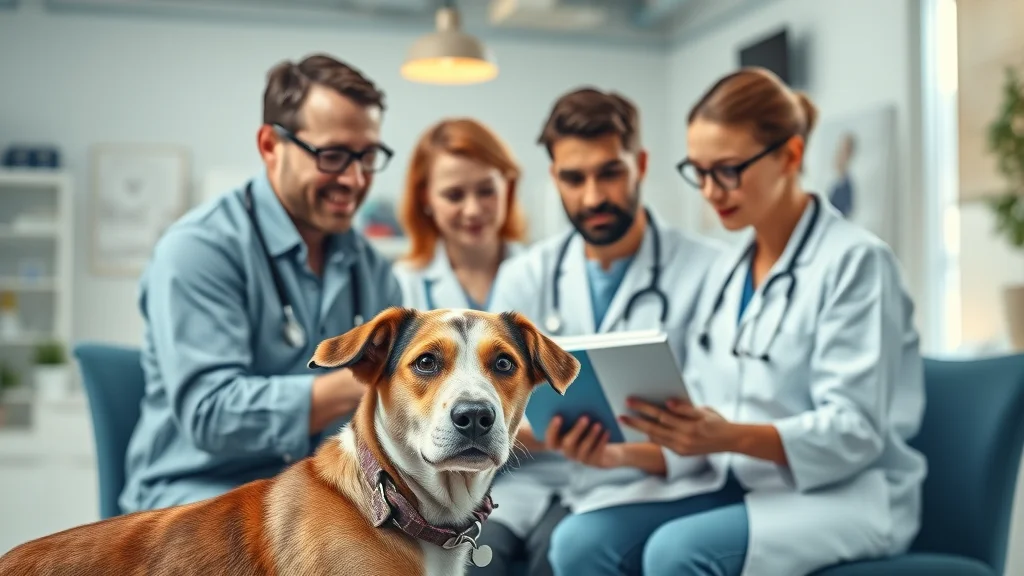
What You'll Learn About Digital Marketing for Veterinary Services
- Critical mistakes in digital marketing for veterinary services
- Effective veterinary marketing strategies for practice growth
- How veterinary clinics can leverage social media and content marketing
- Practical tips to reach more pet owners
- Data-driven insights from the veterinary market and industry
- Key takeaways for veterinary digital marketing success
Understanding the Veterinary Market in the Context of Digital Marketing
Current Trends: How the Veterinary Industry Adopts Digital Marketing
The veterinary industry is undergoing a digital transformation, with nearly every vet clinic now recognizing the value of online engagement. Social media outreach, targeted content marketing, and search engine optimization (SEO) are becoming standard across leading clinics. According to recent veterinary market analysis, over 80% of millennials—now the largest segment of pet owners—prefer booking appointments online and engage with their clinic via social media platforms. Practices that proactively invest in digital tools—like online scheduling, telehealth consultations, and client portals—are setting themselves apart and ensuring their pet care services remain accessible and relevant. To stay competitive, veterinary practices must continually assess their digital footprint, striving for user-friendly interfaces, responsive designs, and high-value educational content that resonates with pet parents.
For clinics looking to refine their approach, exploring actionable strategies for small businesses can provide valuable inspiration. You might find practical ideas in this roundup of current business headlines and marketing tactics that are helping local businesses—including veterinary practices—adapt and thrive in today’s digital-first environment.

Identifying the Unique Needs of Veterinary Practices and Pet Owners
Not all marketing strategies are created equal—especially in veterinary digital marketing. Pet owners are unique consumers who value trust, expertise, and empathy. They want to know their vet clinic is not just accessible, but also proactive in sharing educational content and transparent about services. The veterinary practice itself must balance a compassionate approach to care with efficient, modern communication channels that make it easier for pet parents to book visits, receive reminders, and ask questions. This means tailoring digital marketing strategies to address the emotional and practical needs of both pet owners and veterinary teams—delivering personalized messaging, service reminders, and resources that support pet health while demonstrating genuine care at every touchpoint.
Case Study Table: Veterinary Clinic Digital Marketing Results
| Digital marketing metrics | Veterinary clinic type | Campaign strategy | Pet owner reach | Results |
|---|---|---|---|---|
| 45% increase in website visits | Urban Small Animal | Local SEO + Social Media | 2,300 monthly unique pet owners | 27% boost in new appointments |
| 28% more positive reviews | Suburban Mixed Practice | Review Management + Email Campaigns | 3,100 pet owner interactions | Improved overall reputation score |
| 52% rise in appointment requests | Rural Large Animal | Content Marketing + Paid Ads | 850 targeted local pet owners | Expanded client base in new regions |
Common Pitfalls in Digital Marketing for Veterinary Services
Neglecting Local SEO in Veterinary Digital Marketing
One of the most frequent digital marketing mistakes veterinary clinics make is overlooking local SEO. Local search engine optimization is crucial for veterinary services, as most pet owners search for vet clinics “near me” on Google or Apple Maps. If your veterinary practice isn’t consistently updating business listings, generating positive local reviews, and prioritizing location-based keywords, your marketing strategies will fail to attract new clients in your immediate community. Properly executed local SEO ensures your clinic appears at the top of local searches—where most decisions are made—improving pet owner visibility, appointment rates, and your practice’s overall brand authority in the digital sphere.

Overlooking Online Reviews: Missing Pet Owners’ Trust
Online reviews are a digital extension of word-of-mouth, and in the veterinary industry, their impact cannot be overstated. A single negative review left unaddressed, or too few genuine testimonials, can drive potential pet parents to competing clinics. Many veterinary practices neglect their online reputation, missing crucial opportunities to build trust and credibility. An authentic, well-managed online review presence reassures new pet owners, influences appointment-booking decisions, and demonstrates a genuine commitment to transparency and customer service. Regularly requesting reviews, responding thoughtfully, and showcasing positive feedback should be core parts of your veterinary digital marketing efforts.
Failing to Adapt to Social Media: The Veterinary Practice Blindspot
Social media offers direct access to your most engaged pet owners, yet some veterinary clinics treat it as a low priority. Without a consistent presence on platforms like Facebook, Instagram, or even TikTok, practices forfeit powerful opportunities to educate, entertain, and build community with pet parents. Savvy social media marketing involves regularly posting pet health tips, clinic updates, and behind-the-scenes content—creating a shareable library that keeps your clinic top-of-mind. It’s not just about likes; it’s about cultivating ongoing relationships and a loyal following that supports clinic growth, referrals, and reputation management.
Ignoring Email Marketing: Losing Repeat Business from Pet Owners
Another significant mistake is dismissing email marketing as outdated. In reality, segmented email campaigns remain one of the most effective veterinary marketing strategies for driving repeat visits and ensuring ongoing pet health. By sending tailored newsletters, checkup reminders, and pet care tips, veterinary clinics maintain close relationships with pet parents throughout the year. Those who ignore email marketing risk lower client retention, missed preventive care visits, and lost revenue from existing clients. Leveraging email as a communication cornerstone positions your clinic as a proactive, caring partner in each pet’s life.
- Poor website user experience for pet owners
- Inconsistent brand messaging across platforms
- Lack of targeted content marketing for veterinary clinics
- Not measuring veterinary marketing ROI
Building an Effective Digital Marketing Strategy for Veterinary Services
Developing Tailored Veterinary Marketing Strategies
Every veterinary clinic must assess its unique strengths, location, and ideal pet owner audience before launching digital marketing campaigns. A successful marketing strategy combines local market research, competitive analysis, and a deep understanding of your services with media marketing tactics that fit your brand and budget. Effective veterinary marketing is not a one-size-fits-all endeavor; it’s about developing authentic messages, selecting the right campaigns, and using data-driven insights to fine-tune your approach. Clinics that tailor their marketing strategies can more effectively attract new clients, strengthen loyalty with existing pet parents, and outshine competitors in a crowded veterinary market.

Integrating Content Marketing in Veterinary Practices
Content marketing is the bridge between veterinary expertise and pet owner engagement. Producing blogs, articles, infographics, and videos about pet health not only informs and educates pet parents—it boosts your brand’s authority, visibility, and search engine rankings. The best veterinary digital marketing campaigns prioritize valuable, relevant content that answers common questions, addresses seasonal pet care concerns, and highlights your clinic’s unique services. When done well, content marketing drives long-term organic growth, encourages social sharing, and creates a trusted online presence that encourages both new and repeat visits.
Harnessing the Power of Social Media for Veterinary Clinic Engagement
Social media is the modern-day community center for pet parents, offering opportunities to connect, educate, and inspire. Veterinary clinics can use platforms like Facebook, Instagram, and Twitter to share everything from appointment reminders to pet wellness checklists, engaging stories, and even live Q&A sessions. Effective social media management means more than posting—you must also interact with followers, respond to pet care questions promptly, and adapt to trending topics in the pet health industry. By fostering two-way communication, you create a loyal base of pet owners who advocate for your veterinary clinic both online and offline.
Maximizing Email Marketing Campaigns in the Veterinary Industry
Email marketing is a vital, cost-effective way to keep your clinic top-of-mind. Well-crafted campaigns nurture relationships with pet parents, deliver personalized content based on each pet’s health history, and educate clients about preventive care, new services, or seasonal specials. The key is segmentation—sending the right messages to the right pet owners at the right time. Veterinary practices that invest in regular, automated, and value-driven newsletters see higher appointment retention, greater compliance with wellness plans, and overall improvements in client satisfaction and loyalty.
"Digital marketing for veterinary services goes beyond just a presence—it’s about building trust with pet owners at every touchpoint."
Optimizing Your Veterinary Digital Marketing Approach
Improving Veterinary Clinic Online Visibility with Local SEO
Local SEO remains the foundation of digital marketing for veterinary services. To elevate your veterinary practice in local search results, ensure your clinic’s Google My Business listing is accurate and complete, utilize local keywords (like 'vet clinic near me' or 'animal hospital [city]'), and embed maps with correct location details on your veterinary website. Posting locally relevant content—such as pet adoption events or seasonal pet health tips—further boosts local rankings. Regular SEO audits, mobile optimization, and up-to-date listings across all platforms are necessary to maintain digital visibility and outperform other clinics in your community.
Encouraging and Managing Online Reviews from Pet Owners
Managing online reviews should be an intentional, ongoing process for every veterinary clinic. Proactive reputation management involves requesting feedback via follow-up emails, providing easy links to review platforms (Google, Facebook, Yelp), and publicly responding—politely and helpfully—to all reviews. Displaying recent testimonials on your website builds trust, while quickly addressing any negative comments demonstrates responsiveness and accountability. Clinics with a robust, positive online review profile consistently find it easier to attract new pet owners and maintain loyal client relationships in an increasingly competitive veterinary market.

Content Calendar Example Table for Veterinary Practices
| Content Type | Publication Frequency | Target Pet Owner Segment | Platform | Expected Outcomes |
|---|---|---|---|---|
| Blog Articles (Pet Health Tips) | Bi-weekly | Dog & Cat Owners | Website, Facebook | Boost SEO, educate pet parents |
| Seasonal Email Newsletters | Monthly | All Active Clients | Drive appointments, improve loyalty | |
| Instagram Stories (Daily Clinic Life) | 3x Weekly | Millennial Pet Owners | Increase engagement, showcase authenticity | |
| How-To Videos | Monthly | New Pet Parents | YouTube, Website | Position clinic as expert, attract new clients |
The Role of Social Media in Veterinary Marketing
Choosing the Right Social Media Platforms for Veterinary Services
Not all social media platforms serve the same purpose in veterinary digital marketing. Facebook reaches a broad demographic, making it ideal for sharing clinic announcements, success stories, and community events. Instagram’s visual nature is perfect for showcasing adorable pets, behind-the-scenes moments, and wellness campaigns targeted toward younger pet parents. LinkedIn can be valuable for networking with other pet care professionals, while emerging platforms like TikTok offer playful, viral content opportunities. The key is to understand where your ideal pet owners spend their time and focus your veterinary marketing efforts on those platforms, customizing content for maximum engagement and reach.
Engagement Tactics: Growing Your Veterinary Practice Online
Sustained engagement is essential to maximize the impact of your veterinary clinic’s social media. Popular tactics include running pet photo contests, responding to pet owner questions within hours, sharing educational pet health infographics, and going live for Q&A sessions or behind-the-scenes tours. Encouraging user-generated content—inviting pet parents to share their clinic experiences—also builds community and increases trust. Analytical tools available within each platform help you track which posts drive the most interactions, allowing you to refine your approach and invest more in high-performing content for ongoing veterinary marketing success.
Email Marketing and Content Strategies for Veterinary Digital Marketing
Segmenting Pet Owners for Targeted Campaigns
Segmentation is vital for successful veterinary email marketing. Categorize your contact list by pet type (dog, cat, exotic), client status (first-time, seasonal, routine care), or special interests (wellness plans, product promotions). Targeted campaigns allow you to send relevant reminders—like vaccination due dates—or introduce new services designed for specific pet owner groups. Well-segmented emails result in higher open rates, better client retention, and greater response to call-to-action items, such as booking appointments or attending community pet health events.

Building Newsletters That Educate and Convert
A great veterinary newsletter goes beyond clinic updates. It offers seasonal pet health advice, promotes preventive care services, and delivers exclusive promotions for pet parents. Incorporate eye-catching visuals, patient success stories, advice columns, and clear appointment booking links. Maintain a consistent schedule (monthly or quarterly) and keep messaging positive, actionable, and in line with your clinic’s core values. Over time, readers begin to anticipate your newsletter, viewing your veterinary practice as a trusted, ongoing resource for pet care knowledge.
Video summary: Step-by-step guide to designing compelling veterinary practice emails—covers template design, message personalization, pet health content integration, optimized subject lines, and CTA strategies—all tailored for the veterinary industry to drive maximum client engagement and action.
Measuring Success in Digital Marketing for Veterinary Services
Key Metrics for Veterinary Marketing Strategies
To gauge the effectiveness of your digital marketing strategy, track key metrics such as website traffic, appointment bookings, online review ratings, email open/click rates, and social media engagement levels. Data-driven clinics use analytics to assess which marketing campaigns perform best and identify new opportunities to attract pet owners. Consistent measurement ensures you allocate your budget to high-impact areas, avoid wasted resources, and continuously evolve your veterinary digital marketing efforts based on solid results rather than guesswork.
Adjusting Tactics Based on Data and Feedback
No marketing strategy is static—especially in the fast-changing veterinary industry. Regularly review analytics data, survey pet owners for feedback, and be willing to adapt. If one campaign draws more inquiries or positive online reviews, consider scaling it up. Conversely, if a channel shows poor ROI, rethink your approach or redistribute resources elsewhere. The most successful veterinary practices embrace a culture of experimentation, using quantitative and qualitative insights to drive continuous improvement in all digital marketing channels.
Quote: "In the veterinary market, data-driven digital marketing separates thriving clinics from the rest."
"In the veterinary market, data-driven digital marketing separates thriving clinics from the rest."
People Also Ask: Digital Marketing for Veterinary Services
How can a veterinary practice benefit from digital marketing?
Digital marketing for veterinary services increases visibility, connects with pet owners, improves appointment rates, and builds long-term loyalty, enabling clinics to compete in the evolving veterinary market.
What role does social media play in veterinary digital marketing?
Social media is a powerful veterinary marketing tool for educating pet owners, sharing engaging content, and building a loyal pet owner community around your veterinary practice.
Which digital marketing strategies are most effective for veterinary clinics?
Effective veterinary digital marketing strategies include optimizing local SEO, email marketing campaigns, managing online reviews, and using targeted content marketing across social and digital channels.
How important are online reviews for veterinary practices?
Online reviews are critical for building trust among pet owners. Positive online feedback can significantly influence new pet owner decisions to choose a specific veterinary clinic.
FAQs: Digital Marketing for Veterinary Services
-
What budget is required for successful digital marketing for veterinary services?
While budgets vary by location and goals, most veterinary clinics should allocate 5-10% of annual revenue to digital marketing, ensuring sufficient funds for website, social media, email, and paid campaigns. -
How can veterinary clinics measure their digital marketing ROI?
Clinics can track ROI through key metrics like new client sign-ups, website traffic, cost-per-lead, appointment bookings, and growth in online reviews to evaluate the effectiveness of each campaign. -
Should veterinary practices use paid advertising or focus on organic growth?
A balanced approach works best—organic growth is essential for credibility and long-term value, while targeted paid ads help attract new clients quickly and boost campaign reach. -
What are the legal considerations in veterinary digital marketing?
Always comply with privacy laws regarding client data, accurately represent services, avoid unlicensed claims, and obtain consent for pet photos, testimonials, and email campaigns to ensure ethical marketing practices. -
How to create effective blog content for pet owners?
Focus on answering common pet health questions, use clear language, provide actionable tips, and include visuals. Consistent, informative content positions your clinic as a trusted resource.
Key Takeaways for Mastering Digital Marketing for Veterinary Services
- Avoid common digital marketing mistakes in the veterinary industry
- Prioritize content marketing, email marketing, and social media for greater engagement
- Leverage local SEO and online reviews for veterinary practice growth
- Monitor veterinary marketing strategies using accurate data
Ready to Transform Your Veterinary Practice?
"Start making digital marketing work for your veterinary clinic—implement strategies that reach more pet owners and deliver lasting business growth today."
If you’re eager to keep your clinic ahead of the curve, it’s worth exploring how broader business trends are shaping the future of local services. The latest insights from Small Business Today highlight innovative approaches and success stories that can inspire your next steps in digital marketing. By staying informed about what’s working for other small businesses, you’ll be better equipped to adapt, innovate, and lead in the veterinary industry. Take the opportunity to deepen your understanding and discover new strategies that can elevate your practice’s growth and reputation.





Write A Comment