Small Business Today
UPDATE
  • Home
  • Categories
    • Business Headlines
    • Small Business Trends
    • Automotive Industry News
    • Restaurant News
    • Dental Practice Marketing
    • Auto Repair Marketing
    • Roofing Contractor Marketing
    • Salon & Spa News
    • Lawn & Landscape Marketing
    • Plumbing & HVAC Contractor News
February 11.2026
3 Minutes Read

Discover the Trend Behind Heart-Shaped Pizzas with Backstreet Boys

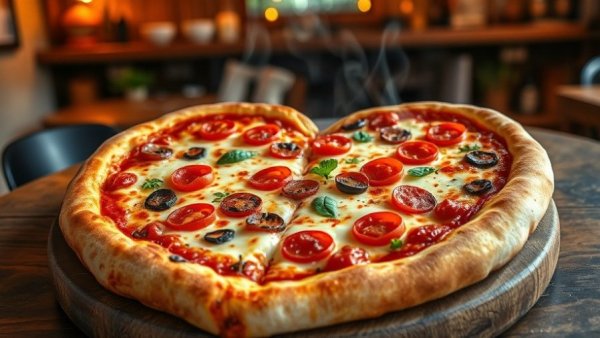
Heart-shaped pizza deliciously baked with vibrant toppings.

Heart-Shaped Pizzas: A Slice of Nostalgia with a Modern Twist

This Valentine's Day, Pizza Hut has teamed up with the Backstreet Boys' Nick Carter and Howie Dorough to launch the 'Shape of My Heart-Shaped Pizza,' bringing together nostalgia and modern marketing flair. This collaboration is not merely a promotional tactic; it symbolizes a marriage between iconic music and beloved food, aiming to win over both loyal fans and new customers.

A Marketing Campaign that Strikes a Chord

The marketing campaign revolves around the Backstreet Boys’ classic song, 'Shape of My Heart,' which has been given a modern twist to appeal to both Millennials and Gen Z. The campaign's playful nature reflects a generational debate on heart-shaped hand gestures in social media culture, illustrating how both generations can enjoy a pizza as iconic as the band itself. This clever integration sparks conversations online, generating social media buzz that restaurant owners often seek, especially around Valentine's Day when sales peak for pizza deliveries.

The Business of Love: Why Heart-Shaped Pizzas Matter

Heart-shaped pizzas have become a seasonal staple in the restaurant industry, especially in February. They not only symbolize love but also demonstrate effective seasonal marketing. Restaurants across the country, including Pizza Hut, leverage the emotional resonance of Valentine's Day by offering unique products that encourage sharing. With prices starting at $11.99 for the heart-shaped pizza, it creates an approachable price point for couples and families looking to celebrate together.

How Seasonal Promotions Fuel Restaurant Business

Many restaurateurs understand that limited-time offers can significantly boost sales. Pizza Hut’s decision to offer the heart-shaped pizza until February 22 is a tactical move to maximize sales during a busy period. This promotion is sure to attract media attention and encourage repeat orders from those looking for a fun dining experience. Other chains, like Donatos and Papa Murphy's, are also capitalizing on the trend, further underscoring how restaurants can benefit from small strategic adjustments in their menus.

The Power of Celebrity Collaboration in Marketing

Collaborating with celebrities can elevate a brand's profile exponentially. For Pizza Hut, aligning with the Backstreet Boys taps into a reservoir of nostalgia that resonates with older Millennials while still being relevant to younger audiences who enjoy discovering retro trends. Celebrities can breathe life into marketing campaigns, making the products seem more relatable and desirable. This tactic not only creates valuable brand associations but can significantly increase foot traffic and online orders.

Social Media Buzz: The Heart of Effective Marketing

In today’s digital age, creating a marketing strategy that is shareable online is essential. Heart-shaped pizzas offer photo opportunities that naturally encourage sharing on platforms like Instagram and TikTok. The campaign encourages interaction—users are likely to share images of their pizzas and engage with the brand, creating a community feeling that can lead to increased customer loyalty over time.

Anticipating Future Trends in Restaurant Marketing

As a restaurateur, understanding the impact of emotional and sentimental marketing strategies is crucial. The success of heart-shaped pizzas suggests a trend towards more personalized and memorable customer experiences. Restaurants will likely continue to explore seasonal themes, alongside celebrity partnerships, to create unique dining experiences that foster customer engagement. With changing consumer preferences, offering innovative and memorable culinary delights can be a recipe for success.

As Pizza Hut, along with other brands, innovates in their marketing strategies, the importance of creating experiences around food cannot be overstated. As Valentine’s Day approaches, consider how your restaurant can leverage holidays not just for sales but as an opportunity to build lasting emotional connections with your customers.

Restaurant News

29 Views

0 Comments

Write A Comment

*
*
Please complete the captcha to submit your comment.
Related Posts All Posts
11.23.2026

Explore the Buzz: Wendy's Peppermint Brownie Frosty and Its Marketing Magic

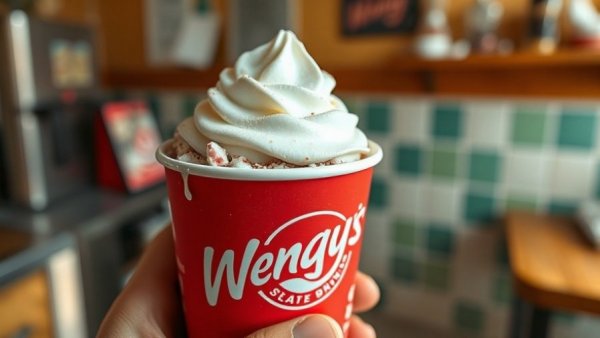
Update Minty Delight: Wendy's Seasonal Treat Takes Center Stage As the holiday season approaches, businesses in the food and beverage industry are gearing up for an increase in festive sales. One recent addition to the fast-food scene is Wendy's new Peppermint Brownie Frosty, which taps into the seasonal flavors that customers crave this time of year. Featuring a delightful mix of mint and chocolate, this dessert is not just for sweet-toothed customers, but also serves as an intriguing case study for restaurateurs seeking to innovate their seasonal menus.In 'Mint + chocolate for the holidays! ?? Wendy’s new Peppermint Brownie Frosty!' the discussion dives into a festive dessert that sparked key insights on seasonal marketing strategies. Understanding Customer Preferences Through Seasonal Flavors Seasonal offerings, like the Peppermint Brownie Frosty, are key in driving customer engagement during particularly festive periods. By incorporating flavors that evoke nostalgia and holiday cheer, brands like Wendy's not only satisfy their customers' cravings but also accomplish a crucial marketing tactic—creating a sense of urgency. Customers feel compelled to try limited-time items, which can significantly boost sales. For restaurateurs, understanding seasonal flavor trends can help them diversify their menu and attract repeat customers, eager to revisit those familiar tastes. This year, the Peppermint Brownie Frosty is especially relevant as consumers express a strong preference for unique holiday experiences, indicating that nostalgic flavors combined with a modern twist resonate well in today’s market. The Power of Social Media in Food Marketing In the age of social media, the visibility of seasonal items can make or break a product’s success. Wendy's, with its sharp marketing strategy, has leveraged platforms like Instagram and TikTok to create buzz around its Peppermint Brownie Frosty. Visual content showcasing the vibrant colors of the dessert evokes appetites and draws customers in. For restaurateurs, maintaining an engaging online presence is essential; sharing visually appealing images and creating trends around seasonal dishes can lead to heightened awareness and customer interest. Moreover, social media allows for direct interaction with customers, enabling businesses to receive real-time feedback on seasonal offerings. The ability to smoothly integrate user-generated content into marketing strategies can further enhance customer loyalty—seeing a friend's review or photo can often be more persuasive than traditional advertising methods. Learning from Wendy’s Marketing Strategy: How to Stand Out As businesses prepare for the holiday rush, it’s beneficial to examine Wendy’s marketing approach with the Peppermint Brownie Frosty. The brand utilizes a mix of humor, community engagement, and seasonal engagement tactics that resonate with a diverse audience. Returning to the basics of good menu design—showcasing new flavors, highlighting local ingredients, and emphasizing the season's festive themes—can stimulate interest and customer loyalty. Restaurateurs should consider incorporating events or limited-time themed promotions to complement seasonal menu items. For instance, launching a ‘Frosty Happy Hour’ during the holidays, where customers can enjoy discounted prices on the Peppermint Brownie Frosty, could enhance sales and draw in families looking for festive outings. This kind of community engagement not only boosts sales but also fosters a sense of belonging among consumers. What Seasonal Menu Changes Mean for Restaurants For many restaurants, introducing new dishes based on seasonal themes can lead to a larger conversation about innovation and customer choice. Wendy's decision to launch the Peppermint Brownie Frosty reflects a broader industry trend where businesses aim to surprise and delight customers. By being receptive to changing tastes and embracing seasonal ingredients, restaurateurs can craft experiences that drive foot traffic and online engagement. Furthermore, the introduction of new seasonal desserts or appetizers can encourage customers to explore the menu more thoroughly, increasing the likelihood of trying multiple items during a visit. Riding the coattails of successful seasonal items can lead to cross-promotion opportunities, where diners may want to pair their dessert with a matching seasonal beverage or entrée. Future Predictions: Seasonal Flavors Beyond the Holidays Looking ahead, the use of seasonal flavors during various holidays could predict a larger trend in food service. As diners seek unique experiences, the demand for limited-time menu items—like savory pumpkin dishes in the fall or refreshing berry desserts in summer—may become standard operating procedure. Establishments should look to build on the sense of excitement each season brings. Emerging culinary trends also demonstrate a shift towards sustainability and local sourcing. Restaurants may enhance their seasonal menus not only by selecting popular flavors but also by promoting local farms and artisanal producers, which creates a community-focused narrative that appeals to environmentally conscious consumers. Final Thoughts: Reimagining the Holiday Menu Wendy's Peppermint Brownie Frosty serves as an exciting example for restaurateurs who want to spice up their holiday offerings. For those in the industry, engaging with customers through the lens of nostalgia, seasonal ingredients, and social media can create a recipe for success. As the holiday season approaches, consider the implications of introducing exciting flavor pairings like mint and chocolate into your offerings to keep your establishment thriving. Ultimately, the key to successful seasonal menu changes lies in understanding your customer base and being willing to adapt to their preferences. Keeping an eye on trends like limited-time offerings and flavor innovation can help restaurants maintain customer interest while fostering a joyous holiday spirit.

11.23.2026

Key Insights from DoorDash, Red Robin, and California Franchise Policy Changes

Update Understanding DoorDash's Response to Pricing Issues As the restaurant industry evolves, DoorDash finds itself navigating a complex market landscape, particularly in light of consumer concerns about pricing transparency. Recently, the company addressed an inquiry by the Federal Trade Commission (FTC) focusing on surveillance pricing, a controversial tactic where prices fluctuate based on consumer data. This inquiry reflects broader concerns about fairness in digital marketplace practices, prompting DoorDash to clearly communicate its policies. The company firmly stated that it does not utilize such practices. Instead, it focuses on providing a customer-centric approach where while they may offer special pricing for frequent orders, this would not translate to higher prices based on consumer profiles.In 'DoorDash, Red Robin and California franchise regulation,' the discussion dives into pivotal industry changes, exploring key insights that sparked deeper analysis on our end. This commitment to transparency is crucial for maintaining customer trust in an increasingly competitive environment. As consumers grow more aware of potential exploitation through personalized pricing, DoorDash's clear communication helps fortify its relationship with users. It sets an important precedent for other delivery services that also find themselves under scrutiny, ensuring that they remain accountable. Red Robin's Franchise Turnaround Strategy In light of recent financial statements, Red Robin is adapting its model by increasing its franchised restaurants. The transition toward franchising is not just about expanding its reach or increasing its revenue streams; it also involves deep structural changes to ensure long-term sustainability. Although overall revenue has dipped by 12%, the company reported a 3.9% rise in same-store sales—the best in over three years—an encouraging sign for investors. Selling more than 100 locations to franchisees allows Red Robin to pay down debt, hence stabilizing its financial situation. This pivot reflects a broader trend where companies must balance direct ownership and franchising to achieve long-term operational health. As Red Robin enhances its franchising model, it also serves as a compelling case study for other restaurant chains facing similar dilemmas, illustrating how strategic re-organization can yield positive results even in challenging market conditions. With the fluctuating economic landscape, companies like Red Robin demonstrate that innovation and adaptability are vital components for success. California's Stricter Franchise Regulations: A Necessary Change? California is stepping up its regulation of franchises, as evidenced by its Department of Financial Protection and Innovation's recent guidelines. These aim to protect franchisees from potentially predatory practices, such as undisclosed fees and clauses limiting franchisees' communication with the government. The regulations, enforcing transparency and fairness, come at a time when many franchisees feel vulnerable against larger brands that might impose unfair practices or hidden costs. While these regulations may serve to level the playing field, they also pose challenges for franchisors concerned about their operational flexibility. This situation underscores the ongoing tension between business growth and regulatory compliance, highlighting the need for franchisors to carefully navigate these changes. For restaurateurs thinking about entering the franchise model, understanding these regulations becomes crucial. Franchisors need to balance profitability with ethical obligations toward their franchisees, ensuring both parties can thrive. The Rise and Fall of Sweet Chick: Insights into Competition Sweet Chick’s recent closures signify the harsh realities of running a restaurant chain amidst fierce competition. Despite its popularity for chicken and waffles, the New York-based chain shuttered its doors after 14 years. The rapidly evolving food landscape, influenced by new entrants and shifting consumer preferences, can quickly impact well-established brands. This development serves as a cautionary tale for restaurateurs; adaptability and market awareness are vital in the restaurant industry. Operators can draw lessons from Sweet Chick's experience to anticipate market changes, whether that’s refining their menus to align with current trends or enhancing their brand stories to keep consumers engaged. Additionally, the closure stresses the importance of careful financial planning; even beloved brands can falter without robust business strategies in place. For those in the industry, such insights underscore the ongoing need for both innovation and resilience. Changing Expectations for Holiday Party Bookings With the holiday season approaching, restaurant owners are adjusting strategies to meet evolving consumer expectations for event planning. Recent insights suggest that while holiday budgets remain stable, clients are now on the lookout for experiences that offer better returns on their investment. Interactive stations for food and drinks are becoming increasingly popular, turning traditional sit-down dinners into shared experiences. By making such adjustments, restaurants can enhance their appeal and foster lasting connections with clients during peak seasons. Creative presentations, particularly in engaging settings like thematic décor or specialized drink concoctions, can significantly enhance guest enjoyment. Moreover, family-style dining formats not only facilitate conversation but also align with current trends toward community-oriented dining experiences. Lessons from Taco Bell’s Strategic Promotions Taco Bell's recent initiatives, including the return of fan-favorite items like the Steakhouse Boss Burrito and Queserito, highlight a successful marketing strategy focused on nostalgia and consumer engagement. Promotions tied to events, such as the inaugural Libas Open golf tournament and the interactive rollout of limited-time offerings, engage existing customers while attracting new ones. Such strategies not only reinforce brand loyalty but also remind customers of their previous positive experiences. Restaurants can learn from how Taco Bell fosters a sense of community and excitement around its products, ensuring that their brand remains fresh and relevant in a fast-paced industry. Implementing similar promotional tactics allows operators to keep menus exciting and retain customer interest, leveraging the power of limited-time offers and seasonal promotions to drive traffic. Final Thought: Navigating the Future of the Restaurant Industry As we dissect the insights from recent developments in the restaurant landscape, it's clear that both challenges and opportunities coexist. Whether navigating regulations in California, adapting business models like Red Robin, or responding to competitive pressures like Sweet Chick, staying informed and flexible is paramount. For restaurant owners, continuing to innovate and connect with customers can spell the difference between success and failure. The industry may be in flux, but restaurateurs willing to learn from each other and embrace change will likely be the ones who thrive.

11.23.2026

Why Restaurant Owners Should Prepare for the 2026 FDA Food Code Now

Update Understanding the 2026 FDA Food Code and Its Implications As the food industry gears up for regulatory changes, the 2026 FDA Food Code looms on the horizon, offering a distinct challenge and opportunity for restaurant owners across the United States. Released on September 17, 2024, this model code serves as a guideline but doesn’t carry immediate enforcement unless state or local health departments adopt it—an undertaking that can take considerable time and effort. The lack of urgency to adapt can lead many restaurateurs to view the new code as a mere formality, but ignoring its implications could be a critical misstep. Why Ignoring the Changes Could Be a Mistake The code's primary focus isn't on altering established food safety practices, but rather on documentation and accountability. While critical holding temperatures remain unchanged, restaurants must now formalize their processes. For restaurateurs, this means converting well-known and practiced protocols into documented procedures. As a result, good operators may find themselves needing to pivot to ensure compliance when, in reality, they already uphold high standards. By neglecting to align with the new code, restaurant owners risk non-compliance that could lead to financial penalties, unhealthy dining environments, and potentially more serious repercussions. Paperwork and Responsibility: A New Mandate Section 8-201.15 of the code introduces a new requirement for a written food safety management system. This system, which needs to be developed and maintained during all hours of operation, must be readily available to regulators upon request. While some restaurateurs might feel daunted by the prospect of formalizing their compliance framework, it is crucial to recognize the current state of affairs: many already possess the essential components of such a system. It's about connecting the dots, from training plans to monitoring records. Investing time and resources in bulletproofing these components can help avert potential pitfalls in the future. The Importance of Early Compliance With four years to comply post-adoption, the pressure to change might seem delayed, yet there is substantial value in starting early. The FDA’s research highlights significant disparities in regulatory compliance between restaurants with well-documented safety systems and those without. For instance, a 2017-2018 study revealed that fast food restaurants with established systems averaged just 1.5 out-of-compliance items, while those lacking such protocols had an average of 4.5. The message is clear: being proactive about adopting and updating safety protocols can significantly mitigate risk and improve compliance outcomes. Early compliance not only prepares operators for unexpected inspections but allows them to manage their reputations in the competitive marketplace more effectively. Creating a Written Employee Illness Policy Another critical enhancement in the 2026 Food Code is the introduction of a written employee illness policy, which all establishments must provide. This policy should address various symptoms and illnesses, including procedures for reporting and what conditions require employee exclusion or restriction. Many restaurants conduct training on these issues informally; the code now mandates consolidating this training into accessible documentation, effectively closing one of the most immediate gaps in food safety compliance. Establishing clear guidelines on employee health can safeguard your business from outbreaks that could lead to high-profile food contamination scandals, damaging public trust. Bridging the Gap: Practical Steps for Implementation For restaurant owners and managers looking to navigate this landscape successfully, here are a few actionable steps: Audit Current Practices: Review and document existing safety measures and training procedures to begin compiling the necessary documentation. Identify any areas of weakness in your current food safety practices. Assign a Compliance Officer: Designate an individual responsible for ensuring adherence to the new regulations, promoting accountability throughout the operation. This person can also serve as a liaison with health inspectors, fostering a culture of safety. Engage Staff: Train all employees on the importance of these changes and encourage their input in refining procedures to boost buy-in and compliance. By empowering your team and making them feel integral to the process, compliance becomes a collective effort rather than a top-down mandate. Utilize Technology: Consider adopting management software that aids in tracking compliance and documentation, making it easier to access necessary information during inspections. Leveraging technology can save time and minimize human error in documenting processes. Stay Informed: Keep abreast of local health department updates and timelines for adoption to ensure your restaurant is prepared well in advance. Joining industry associations can provide networking opportunities that keep you updated on best practices and emerging trends. Conclusion: Preparing for the Future The 2026 FDA Food Code presents an important opportunity for restaurants to enhance their food safety practices, ensuring that they meet today's standards while preparing for the future. By proactively addressing these regulatory changes and leveraging existing systems, restaurants can turn potential challenges into strategies that elevate their operational standards. As these regulations come into place, adaptability and commitment to food safety not only safeguard public health but also enhance a restaurant’s reputation, enabling them to build lasting customer trust. To stay updated on the latest developments in food safety and compliance regulations, restaurant owners are encouraged to engage with industry experts and join professional networks that focus on best practices. It's essential to stay proactive and well-informed to keep your establishment running smoothly and safely. As regulatory landscapes evolve, those who choose to adapt will likely lead the way in food safety innovation, ensuring their businesses thrive in a changing environment.

cropper
update

Small Business Today

cropper
update

Write a small description of your business and the core features and benefits of your products.

  • Small Business Today
    update
  • Small Business Today
    update
  • update
  • Small Business Today
    update
  • Small Business Today
    update
  • Small Business Today
    update
  • Small Business Today
    update

COMPANY

  • Privacy Policy
  • Terms of Use
  • Advertise
  • Contact Us
  • Menu 5
  • Menu 6

(508)344-5927

AVAILABLE FROM 8AM - 5PM

City, State

, ,

ABOUT US

Write a small description of your business and the core features and benefits of your products.

© 2026 CompanyName All Rights Reserved. Address . Contact Us . Terms of Service . Privacy Policy

Terms of Service

Privacy Policy

Core Modal Title

Sorry, no results found

You Might Find These Articles Interesting

T
Please Check Your Email
We Will Be Following Up Shortly
*
*
*