

Did you know that over 70% of pet owners follow at least one pet-related account on social media? Harnessing this unique connection isn’t just about likes or shares—it’s the new standard for how veterinary practices build brand loyalty, drive engagement, and stand out online. Whether you aim to attract new clients or inspire ongoing trust from lifelong pet lovers, mastering engaging pet owners on social media has never been more essential. In this comprehensive guide, we’ll reveal strategies, real-world examples, and actionable steps so your practice can foster a thriving, loyal community—one insightful post at a time.
"Did you know that over 70% of pet owners follow at least one pet-related account on social media? Harnessing this connection can redefine how veterinary practices engage and inspire loyalty."

Unveiling the Power of Engaging Pet Owners on Social Media
A strong social media presence can set a veterinary practice apart in today’s digital landscape. With pet owners spending more time than ever browsing Instagram, Facebook, and TikTok for pet care advice and heartwarming content, each social media post becomes an opportunity to build trust, showcase your practice’s expertise, and foster a sense of community. In fact, top-performing clinics have discovered that engaging pet owners on social media significantly increases brand visibility, helps reach pet owners outside referral circles, and transforms casual followers into loyal advocates.
Social media posts that resonate don’t just share facts—they tell stories, answer real-life questions, and give a behind-the-scenes glimpse at the passionate professionals who care for pets every day. Veterinary practices that emphasize consistent, authentic, and interactive posts are able to foster an emotional connection with their target audience, leading to better retention and word-of-mouth referral rates. With pet care being a highly personal topic, the impact of a strategic social media post reaches far beyond the screen, melding online engagement with real-world loyalty.
When developing your content calendar and engagement tactics, it can be helpful to look at how other small businesses are adapting to digital trends. For instance, recent business headlines highlight how local companies are leveraging social media to connect with their communities, offering practical inspiration for veterinary practices aiming to boost their own online presence.
What You’ll Learn About Engaging Pet Owners on Social Media
- How to craft compelling social media posts for pet owners
- Best practices for building veterinary practice brands online
- Practical strategies and examples for effective engagement
- Ways to leverage social media platforms to reach pet owners
- Tips on developing loyalty through engaging content and campaigns
Why Engaging Pet Owners on Social Media Matters
- Pet owners' growing use of social media platforms
- Influence of social media posts on pet care and decisions
- Opportunities for veterinary practice differentiation
- Social media as a trust-building tool for pet owner relationships

Choosing the Right Social Media Platforms to Reach Pet Owners
- Overview of major social media platforms for pet care communities
- Comparing each media platform’s advantages for veterinary practice
- Selecting optimal channels for engaging content
| Social Media Platform | Key Features | Best Audience | Engagement Potential |
|---|---|---|---|
| Groups, local ads, event promotion | Adults, families, pet owners seeking community | High for local interaction & trust-building | |
| Stories, reels, visually engaging feed | Pet lovers, millennials, Gen Z | Excellent for visual pet success stories, tips | |
| TikTok | Short videos, viral potential, trends | Younger audiences, creative pet owners | Great for fun, educational content |
| Twitter (X) | Quick updates, threads, real-time engagement | Pet care experts, enthusiasts, news followers | Strong for timely pet care alerts & Q&A |
| Nextdoor | Hyperlocal focus, neighborhood groups | Community-minded pet owners | Ideal for local clinics and event outreach |
Building a Social Media Strategy for Engaging Pet Owners
- Define clear objectives for social media engagement. Determine if your primary goal is to educate, entertain, or drive appointments to your veterinary practice. Clear goals help set benchmarks for each media post.
- Identify your veterinary practice target audience. Understand the demographics and preferences of the pet owners you wish to reach. Personalizing content based on audience needs builds trust and loyalty over time.
- Set a content calendar for consistent media posts. Planning ahead ensures you share engaging content regularly, from pet care tips to success stories and behind-the-scenes glimpses.
- Allocate team member responsibilities for content creation. Engaging pet owners on social media is most effective when every team member contributes their expertise and personality, ensuring authentic connections.
- Integrate analytics tools for measuring engagement. Using metrics from platforms like Facebook Insights or Instagram Analytics helps refine your strategy to maximize the impact of your social media posts.

Crafting Engaging Content: Ideas That Resonate With Pet Owners
- Storytelling through pet success stories
- Pet care tips and how-to content
- Behind-the-scenes posts featuring team members
- User-generated content from pet owners
- Interactive polls and Q&A social media posts
"Engaging pet owners on social media begins with authentic, relatable content that sparks conversation." — Social Media Specialist, VetConnect
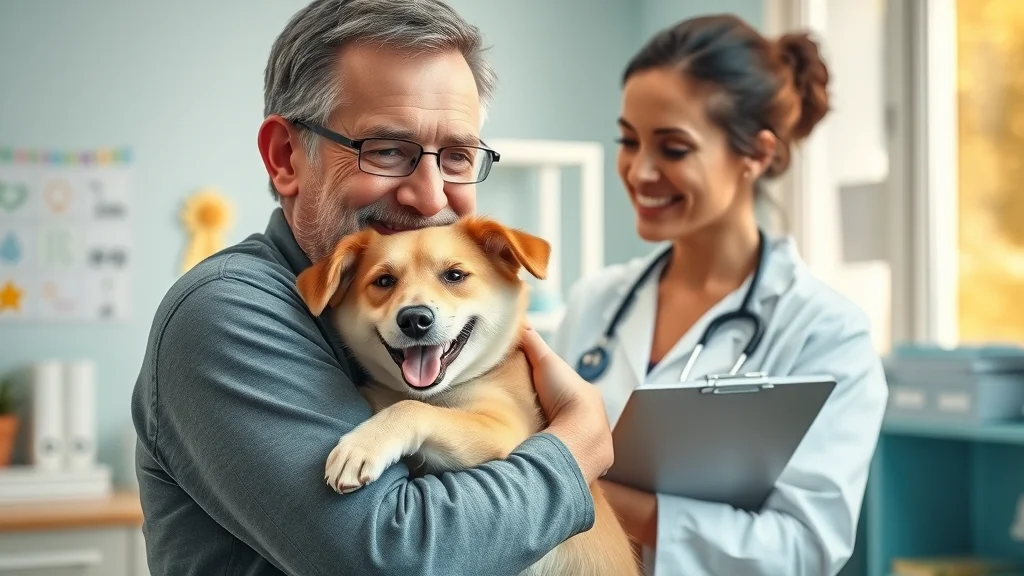
Dynamic montage showing pet owners interacting with veterinarians, glimpses of fun behind-the-scenes moments, and video consultations—all demonstrating how social media video content can bring pet care to life and forge deep connections.
Leveraging User-Generated Content to Boost Social Media Engagement
- Encouraging pet owners to share stories and photos
- Highlighting user media posts on practice channels
- Legal considerations and usage rights
A powerful way to deepen connections is to invite your pet owner audience to become storytellers themselves. Sharing their pets’ photos or success stories not only builds community but also provides authentic, relatable content that introduces new followers to your practice. Featuring user-generated content in regular social media posts demonstrates appreciation and fosters loyalty, while also widening your brand’s reach to each participant’s network. Always secure clear permission before reposting, and give public credit to contributors to reinforce positive engagement and builds trust within your veterinary community.

See how real veterinary practices and their clients turn engagement into lasting loyalty with heartfelt, inspiring content and genuine online conversation.
Measuring Effectiveness: Key Metrics for Social Media Posts
- Tracking engagement rates and audience growth
- Analyzing reach and impact on loyalty
- Adjusting strategy based on metric insights
Success on social media isn’t just about posting often—it's about knowing how each post performs. By tracking engagement rates (likes, comments, shares) and monitoring audience growth and reach, veterinary practices can see which content resonates most with pet owners. Tools like Instagram Insights, Facebook Analytics, and Hootsuite help practices measure impact, reveal peak activity times, and highlight which media posts best foster trust and connection. This data-driven approach supports ongoing strategy refinement, meaning your campaigns become more targeted and effective over time, and success stories more plentiful.
| Metric | What It Measures | Best Tools |
|---|---|---|
| Engagement Rate | Comments, shares, reactions per post | Facebook Insights, Instagram Analytics |
| Audience Growth | Increase in followers/subscribers over time | Hootsuite, Sprout Social |
| Reach & Impressions | How many unique users see your posts | Native platform analytics |
| Click-Through Rate | Number of people clicking your links | Bitly, Facebook Insights |
| Content Shares | Number of times posts are forwarded or shared | Platform-specific analytics |

Case Study: How a Veterinary Practice Doubled Engagement With the Right Social Media Content
- Challenge: Low initial engagement
- Strategies implemented for media posts
- Results: Growth in reach pet owners, loyalty, and brand influence
Last year, Paws & Whiskers Veterinary Clinic found themselves struggling with stagnant social media engagement and a plateaued follower base. Recognizing the need for change, they focused on crafting emotionally engaging social media posts—prioritizing pet success stories, behind-the-scenes staff features, and consistent pet care tips. They also encouraged every team member to participate, bringing new voices and relatable moments to their feed. The results? In six months, their engagement rates doubled and their clinic’s online following grew by over 40%. New client inquiries rose, with many citing a favorite educational content post that helped them trust the practice. The combination of authentic narratives, cohesive branding, and proactive measurement helped their team win lasting loyalty and truly reach pet owners.

Empowering Every Team Member as a Social Media Ambassador
- Role of team members in engaging pet owners on social media
- Training and guidelines for consistent messaging
- Celebrating contributions of staff in social media posts
Behind every successful veterinary social media channel, there’s a passionate group of team members who make digital engagement personal and heartfelt. When everyone—from veterinarians to front-desk staff—feels empowered to contribute photos, stories, or wellness tips, the practice’s social feed communicates expertise and authenticity. Training sessions ensure a unified, professional voice, while spotlights on staff achievements or fun team member features keep social media posts feeling fresh and genuine. Celebrating contributions not only recognizes internal talent, but also demonstrates to pet owners the caring, connected team behind their pets’ health.
Integrating Social Media With Your Broader Marketing Strategy
- Aligning online and offline pet owner engagement efforts
- Cross-promotion through social media platforms and events
- Ensuring cohesive brand voice across all channels
To truly maximize your reach, social media strategies should complement all elements of your practice’s marketing, from email marketing to community events and even print materials. Promote upcoming open houses or pet health fairs on all social media channels and encourage visitors to share their experiences online. Consistency in tone, visuals, and messaging across platforms and marketing campaigns helps reinforce the clinic’s expertise, professionalism, and warmth—creating a seamless experience for every pet owner, no matter how they choose to connect.

Adapting Your Approach: Social Media Trends in Pet Care & Veterinary Practice
- Latest content styles popular with pet owners
- Emerging social media platforms in the pet care industry
- Future-proofing your engagement strategy
The ever-changing world of social media requires veterinary practices to keep pace with trending formats and emerging platforms. Short-form videos, Instagram Reels, and TikTok challenges now top the list for pet lovers seeking both entertainment and useful advice. Innovative tactics, such as live Q&A sessions or 360-degree tours of the animal hospital, are quickly gaining popularity. Meanwhile, new media platforms focused specifically on niche pet communities continue to rise—making it vital to monitor trends and evolve your media post style to maintain high engagement. Agility keeps loyal followers engaged, attracts new pet owners, and ensures a practice’s continued online growth.
Lists: Creative Social Media Post Ideas for Engaging Pet Owners
- Weekly pet photo contests
- Ask the vet - Q&A stories
- Celebrating pet holidays and milestones
- Behind-the-scenes staff features
- Pet health tip infographics
- Interactive polls on trending topics
People Also Ask: Engaging Pet Owners on Social Media
How do you make pet owners interact with social media posts?
- Ask questions relevant to pet care
- Host giveaways or photo challenges
- Feature real stories from pet owners
Encouraging interaction starts with asking genuine, relatable questions about pet care that prompt pet owners to comment, share advice, or tag friends. Hosting giveaways or launching photo challenges motivates followers to participate and showcase their pets, while spotlighting real pet owner stories shows appreciation and builds trust within your veterinary community.
Which social media is best for reaching pet owners?
- Instagram for visual content
- Facebook for community building
- TikTok for creative, viral trends
Different platforms serve unique roles; Instagram’s images are perfect for highlighting pet success stories and daily cuteness, Facebook fosters lasting communities and in-depth conversations, while TikTok excels at driving viral, creative pet care content that reaches younger pet lovers and trendsetters.
How can veterinary practices use social media effectively?
- Share expert tips on pet health
- Highlight team member stories
- Engage in direct conversations with pet owners
Veterinary practices can maximize social media by providing valuable, expert tips on seasonal pet care, spotlighting the real people (team members) behind the practice, and initiating direct, friendly conversations with pet owners. Regular, engaging social media posts establish the practice as a go-to resource and reinforce community ties.
What types of content engage pet owners most?
- Pet success stories and transformations
- Educational infographics
- Funny and heartwarming pet videos
Pet owners are drawn to content that is both informative and emotionally uplifting—especially pet success stories, clear, attractive infographics about health tips, and feel-good or funny pet videos. These formats spark conversation, increase sharing, and grow loyalty to your practice’s social feed.
FAQs on Engaging Pet Owners on Social Media
- What posting frequency is ideal for engaging pet owners? Aim for consistency, such as 3–5 times per week, to stay visible and relevant without overwhelming followers.
- Should veterinary practice accounts use paid ads? Paid campaigns can boost reach for key posts or events, but authentic engagement is built on organic, relatable content.
- How do I encourage hesitant team members to contribute? Offer training, celebrate their efforts in posts, and show the positive impact of their stories to build confidence.
- What are the risks of social media engagement in pet care? Issues can include privacy, misinformation, or negative feedback—minimize risks with strong guidelines and proactive moderation.
- How do I handle negative feedback from pet owners? Respond promptly with empathy, offer solutions publicly if appropriate, and address more complex issues offline to protect privacy and professionalism.
Key Takeaways: Building Loyalty by Engaging Pet Owners on Social Media
- Social media is an essential channel for reaching and inspiring pet owners
- Authentic, valuable content builds trust and loyalty
- Every team member can contribute to social media success
- Agility in following trends keeps engagement high
Drive Lasting Loyalty: Start Engaging Pet Owners on Social Media Today
"Ready to transform your presence? Inspire pet owners and grow loyalty—launch your first engaging social media campaign now!"
As you continue to refine your approach to engaging pet owners online, remember that staying informed about the broader landscape of small business trends can offer valuable perspective and fresh ideas. Exploring the latest insights from Small Business Today can help you anticipate shifts in digital marketing, discover innovative engagement strategies, and position your veterinary practice for long-term growth. By connecting your social media efforts with wider business intelligence, you’ll be better equipped to adapt, inspire loyalty, and lead your community in the ever-evolving world of pet care.





Write A Comment