Small Business Today
UPDATE
  • Home
  • Categories
    • Business Headlines
    • Small Business Trends
    • Automotive Industry News
    • Restaurant News
    • Dental Practice Marketing
    • Auto Repair Marketing
    • Roofing Contractor Marketing
    • Salon & Spa News
    • Lawn & Landscape Marketing
    • Plumbing & HVAC Contractor News
May 20.2026
2 Minutes Read

How to Enhance Your Brand through Reliable Mobile Ordering Experiences

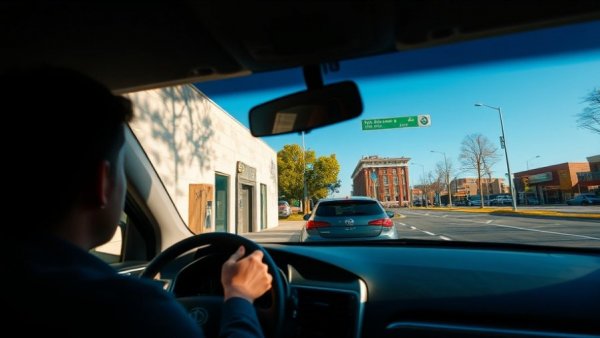
Driver waiting in drive-thru line for a reliable mobile ordering experience.

Understanding the Crucial Role of Mobile Ordering

As mobile ordering continues to reshape the dining experience, restauranteurs are realizing that the speed of service is no longer the sole determinant of customer satisfaction. According to Intouch Insight’s 2026 Emerging Experiences Study: The State of Mobile Order Ahead, customers increasingly expect brands to meet the promises they set during the ordering process. The study points out critical pressure points that arise during the mobile ordering experience, particularly regarding order readiness and customer interaction.

Reliability: The Cornerstone of Customer Satisfaction

It's evident from recent studies that reliability outweighs speed as a priority for customers. Findings indicate a striking 97% satisfaction rate when mobile orders are ready on time. In contrast, when orders are late, satisfaction plummets to just 76%. As Sarah Beckett, Vice President of Sales & Marketing at Intouch Insight, articulates, closing the gap between digital convenience and effective store execution is essential for restaurant operators. This involves refining order readiness, standardizing pickup procedures, confirming orders, and ensuring staff are trained to create a warm and friendly atmosphere during handoffs.

Operational Challenges: Bridging the Experience Gap

The disconnect experienced between a user-friendly mobile app and inconsistent in-store fulfillment highlights a pressing operational challenge. Notably, 21% of mobile orders were found to be unprepared at pickup, as cited in the study. This statistic is alarming for brands seeking to enhance their mobile ordering experience. As Beckett noted, while the app may function smoothly, the store must deliver effectively on its end to maintain customer trust.

Impact of Customer Interaction at Pickup

The human component of mobile ordering remains vital, particularly during the pickup phase. Despite the increasing automation in ordering, 86% of customers still prefer to interact with an employee upon collecting their orders. Maintaining high standards of service during this moment is critical. The report indicates that when employees engage with customers by making eye contact and smiling, 80% rated their service as friendly, leading to higher overall satisfaction ratings.

Learning From Success Stories in the Industry

Moreover, the success of companies like Wendy's illustrates how effective mobile app experiences can enhance overall customer satisfaction. With a 40% increase in monthly active users of its app, Wendy’s successfully merged improved mobile functionality with rapid and accurate in-restaurant service, leading to sustained brand loyalty in a challenging market.

Action Steps for Restauranteurs

For restauranteurs eager to refine their mobile ordering processes, focusing on critical aspects such as clear communication about order delays, consistent execution, and heightened employee engagement at the pickup phase can yield significant benefits. The essence of delivering a seamless mobile ordering experience lies not only in the technology employed but in the operational practices that support it.

Conclusion

As the mobile ordering landscape evolves, restauranteurs must prioritize reliability and engage effectively with customers to thrive in a competitive market. Implementing streamlined processes and training staff to deliver exceptional service will be essential in maintaining customer trust and satisfaction.


Restaurant News

28 Views

0 Comments

Write A Comment

*
*
Please complete the captcha to submit your comment.
Related Posts All Posts
11.18.2026

Why McDonald’s Holiday Pie Is a Masterclass in Seasonal Marketing for Restaurateurs

Update Why McDonald’s Holiday Pie Is More Than a Seasonal Treat As the holiday season approaches, many fast-food enthusiasts eagerly await the return of a cherished seasonal favorite—the McDonald’s Holiday Pie. This limited-time dessert not only brings back sweet memories for avid customers but also showcases McDonald’s marketing prowess, which restaurateurs can learn from to enhance their menu offerings and seasonal promotions.In McDonald’s Holiday Pie is back! ?? #McDonalds #fastfood #FoodNews #pie, the focus shifts to the excitement of this beloved treat's return, exploring how it serves as a case study in effective seasonal marketing. Historical Context: The Birth of a Holiday Tradition The McDonald’s Holiday Pie was first introduced in the early 1990s and has since become a staple of the holiday menu, drawing in customers not just for its taste but also for its nostalgic value. Over the years, the pie has evolved in its presentation and flavor, but the foundational elements that made it beloved remain intact. Understanding how such offerings develop into beloved traditions can provide insight into creating your own seasonal specials that resonate deeply with customers’ emotions and memories. Building Anticipation Through Marketing McDonald’s marketing strategy effectively builds anticipation for the Holiday Pie’s return. Through social media campaigns, teaser ads, and engaging content, they create buzz that triggers excitement among consumers. Each year, as the holiday season approaches, customers notice an uptick in promotional content revolving around this delightful pastry. For restaurateurs, this highlights the importance of promoting new and returning items well in advance to drive traffic during peak shopping periods. Consider utilizing countdowns on social media and teaser videos to spark curiosity. Customer Reactions: What Makes the Holiday Pie Special? The Holiday Pie features a creamy custard filling encased in a flaky crust, topped with sugary icing that enhances its festive flavor profile. Customers have expressed their delight online, sharing pictures and reviews, underscoring the value of fostering a community around your restaurant. Engagement can include responding to customer feedback and encouraging them to share their own experiences and photos on social platforms, creating a sense of belonging and loyalty. Additionally, consider creating a hashtag specifically for your seasonal offerings to facilitate easy sharing and tracking of customer experiences. Incorporating Seasonal Elements Into Your Menu Seasonal offerings not only generate excitement but also encourage repeat visits. As highlighted by the popularity of the Holiday Pie, incorporating unique seasonal flavors into your menu—like pumpkin spice in the fall or peppermint in winter—can create a sense of urgency among guests eager to experience those tastes. This approach enhances customer engagement and supports a strong relationship with your clientele, particularly when paired with limited-time promotions or bundled offerings that increase perceived value. Future Trends: Seasonal Menus and Product Innovation The resurgence of seasonal offerings like the McDonald’s Holiday Pie reflects broader trends toward limited-time menu items in the restaurant industry. Many consumers are eager to try new or nostalgic products, leading to increased foot traffic and sales. Notably, the trend toward experiential dining and personalized offerings provides restaurateurs an opportunity to innovate their menus to align with seasonal expectations while accommodating customer preferences. Emphasizing locally sourced ingredients or unique flavors can create excitement around your own seasonal items, further enhancing their appeal. Leveraging Social Media for Engagement Social media plays a pivotal role in spreading news like the return of the Holiday Pie. Customers flock to platforms like Twitter and Instagram to share their excitement, and as a restaurateur, incorporating user-generated content can boost engagement. Consider hosting contests or campaigns that encourage customers to share their experiences or favorite ways to enjoy your seasonal offerings, creating a strong sense of community. Engaging with local influencers can also amplify your reach and attract new patrons who may be interested in your unique seasonal dishes. What Can Restaurateurs Learn from McDonald's Holiday Pie? The return of McDonald’s Holiday Pie isn’t just about satisfying a sweet tooth; it’s a masterclass in consumer engagement and marketing strategy. By creating a sense of urgency and nostalgia, they attract long-time fans while drawing in newcomers. Restaurateurs should think about how to implement similar concepts, such as limited-time offers, customer engagement strategies, and events centered around seasonal items. Hosting themed nights or collaborating with local producers for special ingredients can further enhance your seasonal offerings and draw in guests looking for unique experiences. Conclusion: Maximizing Opportunities in Your Restaurant In conclusion, understanding the strategies that make seasonal menu items like the Holiday Pie successful can empower your business to maximize opportunities within the restaurant market. From effective marketing techniques to creating a strong community around your offerings, these lessons are vital for maintaining relevance and driving sales during critical times of the year. Embrace the holidays as a chance to captivate customers, enticing them not only with delicious food but with a memorable experience that keeps them coming back throughout the season and beyond.

11.18.2026

Fast Food’s CMO-pocalypse: A Challenge or Opportunity for Restaurateurs?

Update Understanding the CMO Turnover in Fast FoodThe fast food industry appears to be facing a significant shift, as evidenced by a wave of Chief Marketing Officer (CMO) departures. With intense competition fueled by evolving consumer preferences and the need to adapt quickly, many fast food chains are experiencing what some might call a CMO-pocalypse. These sudden leadership changes bring about not just challenges, but opportunities for restaurateurs to rethink their marketing strategies in an ever-changing market landscape. In a sector often characterized by its rapid pace, these transitions can set the stage for either renewal or stagnation depending on how the companies respond.In 'Fast Food’s CMO-pocalypse?', we dive into the trends surrounding leadership changes in fast food marketing, illuminating vital insights for restaurateurs. The Driving Forces Behind CMO DeparturesRecent data shows that leadership turnover in the fast food sector has reached unprecedented levels. Not just a trend, this turnover is attributed to several factors, including the increasing importance of digital marketing strategies, the pressure of maintaining brand loyalty amid a shifting consumer base, and the need for continual innovation. CMOs are tasked with orchestrating complex marketing frameworks that resonate with consumers, yet the constant necessity for adaptation can be overwhelming. As CMOs grapple with these multifaceted challenges, many choose to step down rather than navigate a path fraught with uncertainty. This has resulted in an environment where frequent leadership changes are seen as more of a norm than an exception.Impacts on Brand Strategy and Consumer EngagementWhen a CMO leaves, it often leads to a disruption in a brand’s marketing strategy. Fast food companies rely heavily on the voices of their CMOs to guide marketing campaigns, consumer engagement tactics, and social media presence. With this abrupt change in leadership, restaurateurs need to be prepared for shifts in consumer engagement strategies that could influence their businesses directly. The marketing landscape today is heavily influenced by real-time consumer feedback, and any lapse in leadership can create a delay in responding to market demands. This can affect brand identity and, ultimately, customer loyalty as consumers seek consistency from the brands they cherish.Innovation and Adaptation OpportunitiesThe uncertainty presented by these changes can lead to opportunities for innovation. As fast food brands search for new leadership, they may take bold steps in their marketing efforts, which could also include experimenting with AI and technology solutions. For restaurateurs, this could mean adopting more innovative marketing tactics or collaborating with emerging food tech experts to stay relevant. Companies might explore novel digital platforms or even enlist data-driven insights to carve out new strategies, thereby reinforcing their connection with consumers. As younger demographics increasingly demand authenticity and engagement from brands, those that can pivot quickly and effectively will likely prosper.Learning from Past Trends: Successful StrategiesTo navigate this shifting landscape effectively, many businesses can look to previous examples from within the fast food industry. For instance, companies that have successfully embraced digital marketing platforms, such as social media campaigns and partnerships with food influencers, often experience a boost in sales and customer engagement during leadership transitions. Brands that deploy effective storytelling through various channels also tend to maintain customer interest even amidst changes in leadership. Restaurateurs should consider how these strategies might be applied to their own businesses in light of the current trends, perhaps even investing in training programs to equip their teams with the skills necessary to harness these innovative approaches.Employee Engagement: A Key FactorA vital component often overlooked in discussions of CMO turnover is employee engagement. During times of change, it’s essential for companies to ensure that their employees remain motivated and aligned with the brand’s vision. Frequent shifts in leadership can result in insecurity among staff, which might lead to decreased productivity and morale. Maintaining an open line of communication and fostering a collaborative culture can mitigate these impacts significantly. Moreover, engaged employees who believe in the brand are more likely to deliver superior customer service, further enhancing brand loyalty during tumultuous phases.Looking Ahead: How to Prepare for Future ChangesAs fast food CMOs continue to shift, restaurateurs should proactively embrace the changes and prepare for potential leadership transitions within their own establishments. This includes nurturing a dynamic marketing team that can adapt swiftly to changes, focusing on analytics and insights to guide marketing efforts. By fostering a culture of agility and readiness within their teams, restaurateurs can better position themselves for success amidst the uncertainties ahead. Transition periods are an opportunity for brands to take a step back, reassess their goals, and invest in developing a strong internal talent pipeline that can step up when needed.Understanding the complexities of marketing leadership in the fast food sector helps illuminate broader retailing and restaurant marketing trends. This evolving landscape demands that companies prepare for the future by staying informed and fostering a proactive approach to marketing strategies. In addition, being adaptable and open-minded can lead to new paths of engagement and brand revitalization. For restaurateurs, the changing tides of leadership may ultimately signal a time for reflection and innovation, propelling their businesses into the future with vigor and resilience.

11.18.2026

Combatting Manager Turnover: Key Strategies for Restaurateurs

Update The Turnover Trap: A Growing Challenge for Restaurateurs In today’s competitive restaurant industry, high turnover rates can cripple operations and damage team morale. Recent insights from industry experts emphasize the importance of proactive communication in retaining management staff. According to Ginni Naegle, Director of Franchise Operations at Angry Crab Shack, operators must hold regular heart-check conversations with their teams to uncover dissatisfaction before it leads to exits. “Turnover does not happen overnight,” Naegle explained. “There are signs weeks and months before someone quietly quits.” Missing these cues can result in costly replacements—an estimated $17,651 per general manager—where most of that cost is allocated to training, which is only one part of a much larger financial challenge faced by restaurants. Why Do Managers Leave? Understanding the multitude of reasons behind turnover is crucial for developing effective retention strategies. Naegle pointed out that leadership is often the primary factor driving employees away from their jobs. Elements such as growth opportunities, competitive salaries, and comprehensive benefit packages also play significant roles. “People stay when they feel valued and supported,” Naegle noted. In an industry where passion for food and service is common, many employees seek environments where they are not only compensated fairly but also recognized for their contributions. Burnout is another pervasive challenge, emphasized by Pinky Cole, Founder and CEO of Slutty Vegan. She remarked on the heavy burdens placed on managers, who often juggle a myriad of responsibilities without adequate support. “You can’t expect somebody to care for your business when they don’t feel taken care of themselves,” she stated, highlighting the necessity of reasonable compensation in exchange for demanding roles. With many restaurants operating under stressful conditions, the sentiment echoed by Cole serves as a critical reminder that the well-being of management is essential for sustaining a successful business. What to Look for When Hiring Identifying the right candidates for managerial positions can significantly influence retention rates. Naegle suggested that the ideal manager embodies a combination of leadership presence, teamwork ethos, and coachability. Essential qualities include having a responsible mindset without blame and bringing solutions to problems. “They should be financially aware and adaptable, even when business changes,” Naegle advised. Finding someone who can navigate the shifting waters of restaurant operations and maintain focus on profitability is paramount. In a similar vein, Cole emphasized the importance of initiative and interpersonal skills. Potential managers should exhibit the capacity to act independently and maintain composure when receiving feedback. “Those traits are crucial because they will shape your team's dynamics,” she explained. A strong manager can uplift an entire team, creating a positive atmosphere that encourages cooperation, creativity, and dedication. Developing Leaders from Within Investing in current staff can yield high dividends in team cohesion and consistency. Naegle recommended recognizing high-potential employees early on and providing them with opportunities to grow. “Don’t wait until a position is available; start developing your talent now,” she urged. This proactive approach not only fosters loyalty but also ensures that your future leaders are well-prepared for challenges they may face. By focusing on talent development, restaurants can build a strong leadership pipeline. However, leadership skills must be cultivated alongside job-specific duties. Cole suggested mentoring potential leaders to handle responsibilities like scheduling and conducting difficult conversations effectively. Transitioning an exceptional team member into a management role can be a tumultuous endeavor, but with adequate support, it can lead to long-term benefits for your business. It’s essential to create a structured mentoring program where emerging leaders can shadow experienced managers to grasp the nuances of effective management. Creating a Culture of Communication Effective communication is the bedrock upon which team dynamics flourish. Leverage informal check-ins and feedback sessions to create a transparent culture where employees feel heard. Engaging workers by frequently asking how they are doing and addressing their concerns can mitigate feelings of isolation and resentment. “Talk to your people, and when they express a concern, take action,” Cole advised. This proactive engagement can significantly lower the risk of turnover. Furthermore, encourage an open-door policy. When employees feel comfortable sharing their thoughts and grievances without fear of retribution, it not only aids in early detection of dissatisfaction but also promotes a sense of belonging within the team. Restaurants that excel in communication tend to see higher employee satisfaction levels, which directly impacts their bottom line. Final Thoughts: Taking Action Against Turnover The restaurant landscape continues to evolve, and addressing manager turnover is a pressing issue that requires multifaceted strategies. From enhancing communication and investing in employee development to fostering a supportive environment, restaurateurs must adopt a holistic approach to retain talent. By identifying at-risk managers early and providing support in their roles, the industry can combat the turnover trap and build strong, resilient teams. For those ready to take the next step, consider implementing regular feedback mechanisms in your restaurant and develop tailored training programs to prepare your high-potential employees for leadership roles. Additionally, invest in wellness programs and mental health resources to support your management teams. Together, we can reduce turnover and foster a thriving work environment that benefits everyone, ultimately contributing to a more stable and successful restaurant operation.

cropper
update

Small Business Today

cropper
update

Write a small description of your business and the core features and benefits of your products.

  • Small Business Today
    update
  • Small Business Today
    update
  • update
  • Small Business Today
    update
  • Small Business Today
    update
  • Small Business Today
    update
  • Small Business Today
    update

COMPANY

  • Privacy Policy
  • Terms of Use
  • Advertise
  • Contact Us
  • Menu 5
  • Menu 6

(508)344-5927

AVAILABLE FROM 8AM - 5PM

City, State

, ,

ABOUT US

Write a small description of your business and the core features and benefits of your products.

© 2026 CompanyName All Rights Reserved. Address . Contact Us . Terms of Service . Privacy Policy

Terms of Service

Privacy Policy

Core Modal Title

Sorry, no results found

You Might Find These Articles Interesting

T
Please Check Your Email
We Will Be Following Up Shortly
*
*
*