

Did you know that the average restaurant boasts thousands of social media followers, yet less than 10% of their content truly resonates with what guests crave—specials, experiences, and genuine authenticity? Influencer marketing in the restaurant industry is rapidly shifting the focus, transforming idle digital audiences into real-life diners and loyal fans. This comprehensive guide dives into how leveraging influencer partnerships can revitalize your restaurant's social media and significantly boost both foot traffic and revenue.
A Surprising Shift: How Influencer Marketing in the Restaurant Industry Transforms Unused Social Media Audiences
“The average restaurant has thousands of followers, but less than 10% of content showcases what truly matters to guests—specials, experiences, and authenticity.”
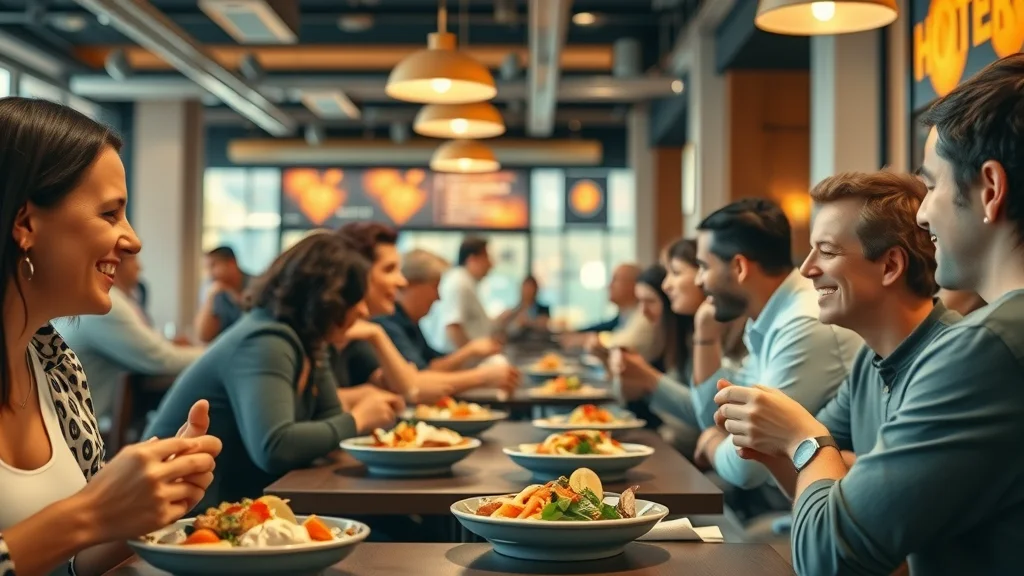
- Why influencer marketing tackles what your followers truly care about: Most followers initially hit "follow" because they want inside access to unique specials, memorable experiences, and the authentic vibe of your dining experience. Influencer marketing can bridge the gap between mundane posts and compelling storytelling that echoes your restaurant’s personality.
- Case examples—From dormant accounts to thriving communities: Restaurants that once had stagnant pages saw remarkable growth—like a downtown bistro that collaborated with a food influencer and watched engagement rate soar and social mentions quadruple. Strategic influencer campaigns awaken these slumbering audiences, transforming your followers from passive viewers into engaged fans eager to share their own experiences.
What You’ll Learn About Influencer Marketing in the Restaurant Industry
- Fundamentals of influencer marketing
- How to plan an effective influencer marketing campaign
- Best practices for partnering with food influencers
- How influencer campaigns can boost foot traffic and revenue
- How to measure influencer marketing ROI for restaurants
Understanding Influencer Marketing in the Restaurant Industry
- Defining influencer marketing for restaurants: Influencer marketing involves collaborating with food influencers or content creators who have a trusted voice and a strong connection with their followers. These partnerships allow restaurants to tap into established communities, sharing authentic content that drives interest and visits.
- Latest trends in restaurant marketing: The landscape is changing—traditional ads are losing their punch compared to genuine recommendations from content creators. Platforms like Instagram stories and TikTok videos, featuring behind-the-scenes content from influencer collaborations, are central to modern marketing efforts.
- How influencer marketing compares to traditional marketing campaigns: While classic campaigns focus on broad messaging, influencer marketing delivers niche, authentic content that aligns closely with what guests want to see—real dining experiences, sneak peeks, and interactive moments.
For restaurant owners looking to stay ahead of the curve, keeping up with the latest business headlines and industry shifts is essential. You can find timely updates and practical strategies for small businesses in the food sector by exploring current business news and insights that impact restaurant marketing decisions.
The Rise of Food Influencers and Their Impact on Restaurant Marketing
- What is a food influencer and why do they matter? A food influencer is a content creator specializing in dining experiences. Their reviews and posts are highly trusted by their community, which can significantly boost the visibility of your restaurant marketing campaign and draw in new potential customers.
- The crucial role of authentic content in restaurant marketing: Audiences demand authenticity. Food influencers excel at crafting content that goes beyond staged ads by highlighting genuine reactions and personal narratives. This drives up engagement rates and builds long-term loyalty.
- Notable influencer marketing campaigns within the food sector: Many top brands and small eateries alike have launched successful influencer campaigns. From viral TikTok menu hacks to bustling launch events, restaurants benefit from the contagious excitement and organic reach that food influencer campaigns can deliver.
“Food influencers have become key storytellers for modern dining experiences.”
Harnessing Social Media: Turning Followers into Foot Traffic
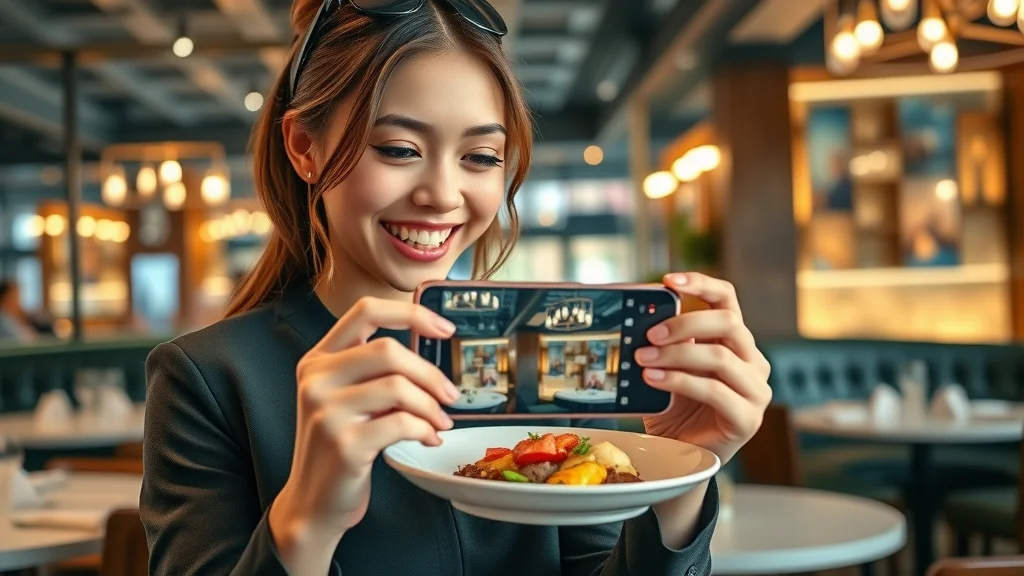
- Analyzing restaurant social media platforms: From dormant to dynamic: It’s common for restaurant accounts to have impressive follower counts but low engagement. With influencer marketing, these platforms become vibrant hubs of activity—highlighting everything from new dishes to special events and guest testimonials.
- Leveraging influencer marketing to boost engagement: Partnering with influencer creators whose audience matches your target demographic can significantly boost likes, comments, and shares, driving more eyes—and feet—through your doors.
- Imagine a scenario where a local restaurant pairs with a food influencer for a limited-time tasting event. Posts and stories create social buzz, and the result is a packed restaurant, enthusiastic diners, and increased bookings for future campaigns.
Planning an Influencer Marketing Campaign for Restaurants
- Identifying the right food influencers for your restaurant marketing: Choose content creators whose style and follower base align with your restaurant’s brand and values. Look for influencers with genuine engagement, not just high follower counts.
- Importance of using influencer databases: Tools like influencer databases streamline the discovery process and help restaurants identify content creators who share your ethos, reach your target market, and deliver proven engagement.
- Defining your influencer marketing campaign goals—Awareness, engagement, loyalty: Set clear objectives, such as raising awareness of a new menu, driving engagement with a contest or event, or cultivating repeat loyalty among past guests.
- Comparing micro vs. macro influencers in the restaurant space: Micro-influencers offer niche community access and high engagement rates, while macro-influencers can deliver broader visibility. Your goals and budget will determine the right mix for your marketing campaigns.
| Influencer Type | Audience Size | Marketing Outcomes | Ideal Use |
|---|---|---|---|
| Micro-Influencer | 5,000–50,000 | High engagement, niche appeal | Menu launches, community events |
| Macro-Influencer | 100,000+ | Broad exposure, rapid reach | Brand awareness, major openings |
| Local Influencer | 1,000–15,000 | Geo-targeted traffic, local loyalty | Seasonal promotions, recurring specials |
Budgeting and Forecasting ROI for Influencer Marketing in the Restaurant Industry
- How to set a realistic budget for influencer marketing campaigns: Allocate a portion of your marketing budget for influencer partnerships—consider factors like follower count, creative content needs, and whether delivery is via multiple media platforms.
- Evaluating potential ROI: Metrics to track for restaurant marketing: Measure outcomes with metrics like increased reservations, foot traffic, engagement rates, and post-campaign sales figures. Analytics tools and unique promo codes can help trace traffic back to specific influencer efforts.
- How to negotiate with food influencers: Approach influencer partners with transparency—discuss expectations, compensation (whether payment, free meals, or extended partnerships), and rights to repurpose authentic content for future marketing efforts.
“Restaurants report an average ROI of 10:1 on well-structured influencer marketing campaigns.”
Executing an Influencer Campaign: Strategies for Restaurant Marketing Success
- Key steps in managing influencer marketing campaigns: Begin with a clear brief outlining the dining experience you want featured. Agree on timelines and the types of posts—feed photos, stories, or reels—that match your brand's style and marketing campaign goals.
- Balancing authentic content with marketing goals: Empower content creators to capture candid moments—not just glossy photos, but behind-the-scenes videos, chef interviews, or Instagram stories showing a genuine ambiance.
- Encouraging influencers to highlight the dining experience: Guide your influencer partners to focus on customer favorites, new dishes, and staff interactions—bringing your restaurant’s personality to life and drawing in new diners.

Examples of Successful Influencer Marketing in the Restaurant Industry
- Top influencer campaigns that rejuvenated restaurants: A fast-casual eatery partnered with local micro-influencers to promote ‘secret menu’ items, leading to a 40% spike in foot traffic and sold-out lunch services for weeks. Another city bistro collaborated with a well-known food influencer to create a limited-edition dish, resulting in viral social buzz and press features.
- Video content shows empty tables before the campaign and, after influencer posts, a bustling dining room, excited guests sharing stories, and a measurable increase in reservations and social engagement.
Overcoming Common Challenges in Influencer Marketing for Restaurants
- Recognizing and avoiding influencer marketing pitfalls: Watch out for mismatched influencer/restaurant partnerships, inflated follower counts with low true engagement, and failure to define campaign goals up front. Choose influencer partners whose style genuinely fits your brand.
- Best practices for alignment with brand values: Share clear guidelines with influencer partners, ensuring their content respects your restaurant’s voice and ethos. Brief them on your mission, menu highlights, and the experiences you wish to spotlight.
- Managing expectations and performance with restaurant marketing partners: Set realistic KPIs and monitor engagement rates, foot traffic, and eventual sales. Open communication and performance analytics will help both parties meet objectives and prepare for stronger future campaigns.

Maximizing Results: Enhancing Marketing Campaigns with Influencer Databases and Analytics
- How to use influencer databases to refine your strategy: These platforms help identify top content creators for your audience, track campaign stats, and ensure accountability when choosing who to partner with.
- Leveraging analytics to measure marketing campaign performance: Use data from social media platforms and influencer databases to monitor campaign reach, engagement rate, and direct traffic impact. Review which creators drove measurable results and optimize future campaigns accordingly.
| KPI | Description | How to Track |
|---|---|---|
| Engagement Rate | Likes, comments, shares relative to followers | Platform analytics & influencer reports |
| Foot Traffic | New and returning diners attributable to the campaign | In-store promo codes, reservation tracking |
| Sales Lift | Increase in revenue post-campaign | POS/revenue systems |
| Content Reach | Number of potential customers reached | Social platform insights |
Legal and Ethical Considerations for Influencer Marketing in the Restaurant Industry
- Understanding FTC guidelines and proper disclosures: Always require influencer partners to use appropriate disclosures such as #ad or #sponsored to comply with regulations. This builds trust with audiences and keeps restaurant owners safe from legal pitfalls.
- Fostering trustworthy influencer partnerships in restaurant marketing: Prioritize long-term collaborations over one-off posts and set clear terms regarding content authenticity, platform usage, and brand alignment.
Evaluating If Influencer Marketing is Worth It for Your Restaurant
- Key indicators that influencer marketing campaigns are effective: Rising engagement rates, increased reservations, positive customer feedback, and growing social buzz all point to a successful campaign.
- When not to invest in influencer marketing: Skip influencer collaborations if your branding isn’t ready, your dining experience is inconsistent, or you lack the bandwidth to support social engagement and redemption offers.
- Have you identified your target audience and unique restaurant experience?
- Is your social media presence established and ready for increased attention?
- Have you chosen influencer partners whose values align with yours?
- Are resources allocated for tracking results and supporting increased foot traffic?
People Also Ask (PAA): Influencer Marketing in the Restaurant Industry
How do restaurants benefit from influencer marketing?
- Exploring improved visibility, increased foot traffic, and community engagement: Influencer marketing in the restaurant industry offers more than just social buzz. By leveraging content creators’ trusted voices, restaurants gain access to wider audiences, leading to higher brand awareness and a measurable uptick in both foot traffic and in-person engagements. Authentic content created by influencer partners fosters community loyalty, turning casual followers into regular diners.
What is the best way to find food influencers for restaurant marketing?
- Using influencer databases, hashtags, networks, and outreach platforms: Start with influencer databases tailored for food and hospitality. Search relevant social media hashtags, explore popular food networks, or partner with influencer outreach agencies. It’s vital to select food influencers with proven engagement and genuine followers for your restaurant marketing initiatives.
How can restaurants measure influencer marketing ROI?
- Tracking reservations, sales, new followers, and engagement rates: Link unique promo codes or reservation links to influencer posts, monitor spikes in new social media followers, and analyze engagement rates both during and after the campaign. Comparing sales numbers pre- and post-campaign provides a direct window into ROI for influencer marketing in the restaurant industry.
Top Tips for Restaurant Marketing with Influencers
- Quick wins for launching influencer marketing: Start with micro-influencers—often more cost-effective and highly connected to your local market. Host tasting events to generate buzz and create a hashtag to curate user-generated content.
- Avoiding common marketing campaign mistakes: Steer clear of mismatched partnerships and overly scripted content. Let influencers showcase their authentic voices while aligning with your brand message.
- Fostering lasting relationships with food influencers: Reward top performers with regular invites, feature their content on your channels, and maintain open communication for future collaborations.
Expert Insights: Industry Voices on Influencer Marketing in the Restaurant Industry
“Influencer marketing turns guests into brand ambassadors—restaurants can’t afford to ignore this.”
- Industry leaders weigh in on influencer campaign best practices: Experts recommend focusing on long-term relationships, consistent storytelling, and data-driven decision making. Creating ambassador programs or recurring campaigns with proven food influencers can drive continuous engagement while solidifying your restaurant’s reputation in the local culinary scene.
FAQs: Influencer Marketing in the Restaurant Industry
-
What is the average cost of food influencer partnerships for restaurants?
Costs range from complimentary meals for local micro-influencers to several thousand dollars for macro-influencer collaborations. The investment typically depends on the influencer's reach, content format, and deliverables. -
How long does a typical influencer marketing campaign last?
Most influencer campaigns run from one week to a month, but long-term partnerships spanning a season or multiple events are growing in popularity due to better relationship building and lasting impact. -
Are micro-influencers effective in restaurant marketing?
Absolutely. Micro-influencers excel at boosting engagement rate within targeted communities and often convert more followers into guests due to their personable, authentic content and niche loyalty. -
Can influencer campaigns help with menu launches or seasonal promotions?
Yes! Influencer campaigns are especially impactful during menu launches or seasonal shifts, generating excitement, social media buzz, and direct foot traffic through special events and timely content drops.
Key Takeaways: Influencer Marketing in the Restaurant Industry
- Influencer campaigns help unlock the hidden potential of your restaurant’s social media audience.
- Food influencer collaborations are a catalyst for authentic content and increased foot traffic.
- Long-term, value-aligned influencer marketing efforts ensure sustainable ROI in the restaurant sector.
Next Steps: Launch Your Influencer Marketing Campaign
- Ready to attract more guests and revitalize your social presence? Start planning your influencer marketing campaign for your restaurant today.
Actionable Takeaway: The time is now—transform your social media followers from passive viewers into loyal guests with a strategic influencer marketing campaign tailored to your restaurant’s unique brand and experience.
If you’re eager to deepen your understanding of how broader business trends can shape your restaurant’s marketing success, don’t miss the opportunity to explore the latest industry developments. Staying informed with comprehensive business headlines and expert analysis can help you anticipate shifts, adapt your strategies, and discover innovative approaches that keep your restaurant ahead of the competition. By connecting the dots between influencer marketing and the wider business landscape, you’ll be better equipped to make data-driven decisions and unlock new growth opportunities. Take the next step and empower your restaurant with knowledge that goes beyond the plate.





Write A Comment