

Did you know over 70% of restaurant customers live less than five miles from where they eat? In today’s digital age, local SEO for restaurants is essential—no longer a luxury, but a proven tool to get more diners through your doors. Whether you run a cozy coffeehouse or a high-end bistro, dominating your local market starts where your customers are searching: online. This guide unveils insider strategies to optimize your restaurant’s online presence and outshine your neighborhood competition.
A Surprising Statistic: Why Local SEO for Restaurants Is No Longer Optional
Recent data shows that over 80% of diners use their smartphones to search “restaurants near me” before choosing where to eat. This seismic shift in customer behavior underscores why mastering local SEO isn’t just about staying relevant—it’s about survival. Failing to appear in local search results means you’re invisible to potential customers right in your area, even if you offer the best food in town.
Local SEO for restaurants connects hungry locals with what you offer at the precise moment they’re ready to dine. Effective optimization puts your restaurant on the digital map, captures “near me” search intent, and helps you compete against both national chains and neighborhood spots. In the competitive landscape of food service, ensuring your restaurant is seen first can mean the difference between a bustling dining room and empty tables.
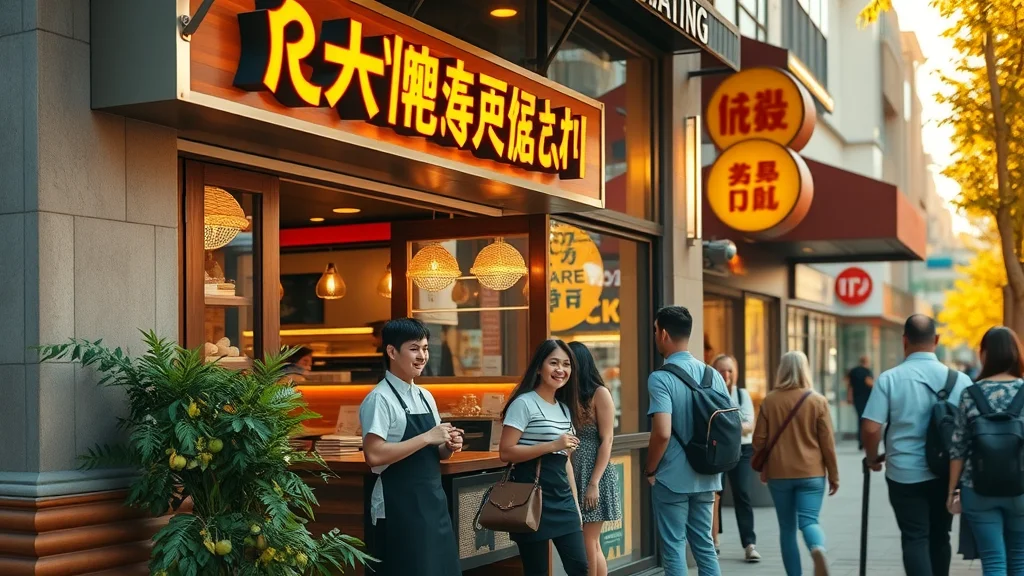
What You’ll Learn in This Guide to Local SEO for Restaurants
- Essential components of local SEO for restaurants
- How to optimize your Google Business Profile for maximum visibility
- Best practices for leveraging social media
- Effective strategies to boost your restaurant in local search results
- Common mistakes to avoid and advanced SEO for restaurants tips
Understanding Local SEO for Restaurants and the Importance of Your Local Market
"For restaurants, 70% of revenue comes from within five miles of your location. Optimizing for local SEO isn’t just an option—it’s survival." – Local SEO Expert
Local SEO for restaurants is more than just appearing on Google—it connects your brand to the immediate community you serve. Given that most restaurants generate the majority of their revenue from nearby residents and workers, capturing the local market is crucial. Understanding the unique aspects of local search, the value of accurate business info, and the ways people search can transform your seo strategy into real-world foot traffic.
The local market is highly dynamic. People’s preferences, restaurant choices, and even how they discover new dining spots are evolving rapidly. By prioritizing local SEO, you make your restaurant the clear answer for those searching for food right now within your neighborhood—those most likely to become loyal, repeat customers. The right local search approach levels the playing field between independents and chains, making your online presence work harder for every seat you fill.

Local Search Fundamentals: How Customers Find Restaurants
- Mobile search trends and "near me" queries
- Mapping customer behavior in local search
- Why visibility on Google Maps matters for restaurants
When diners crave something delicious, they turn to their devices. Mobile searches for restaurants have surged, with "near me" queries dominating. These searches account for a staggering number of decisions made “on the fly”—from people new to town to locals seeking new tastes. As such, it’s critical for your restaurant to show up in local search results and map listings right where people search.
Understanding customer behavior in local search means recognizing that diners value relevance, reviews, and proximity. Google Maps and other map platforms are now the primary gateway for discovering places to eat. Appearing high in Google Maps listings increases your visibility, providing instant directions and enticing images. In today’s climate, mastering these fundamentals means you’re there for your hungry audience when it matters most.
As you refine your approach to local search, it’s also valuable to explore how broader business trends and digital strategies are shaping the restaurant industry. For more tactical insights on adapting to the latest business headlines and innovations, consider reviewing the updates at Small Business Today, where you’ll find practical tips relevant to restaurant owners.
How Google Maps and Google Business Drive Restaurant Foot Traffic
Google Maps and your Google Business Profile work hand-in-hand as the digital storefront for your restaurant. With mobile users searching for “restaurants near me” more than ever, visibility on Google Maps is a major ranking factor. It’s not enough to simply appear—you must optimize your business profile, ensuring accurate location data, mouth-watering images, and authentic customer reviews are front and center.
Every aspect of your business information on Google Business influences decisions: from hours of operation and amenities to menu highlights and seasonal specials. By leveraging Google Posts and updating your profile regularly, you signal activity and reliability to both search engines and diners. This not only drives foot traffic but also increases calls, reservations, and ultimately, dining room buzz.

Optimizing Your Google Business Profile: The Local SEO Keystone
- Step-by-step guide: Claiming and verifying your Google Business Profile
- Crafting compelling business information and descriptions
- Selecting categories and adding relevant photos
- Utilizing attributes and Google Posts features
Your Google Business Profile is your restaurant’s digital handshake. Begin by claiming and verifying it through Google—a process that ensures you control your business information. Use accurate business name, address, and phone number across all platforms; this NAP consistency is vital for local SEO ranking. Write a description rich in local keywords, and share your unique culinary story.
Select relevant categories (e. g. , Indian Restaurant, Family Diner) and upload enticing, high-quality photos of your food, décor, and staff. Don’t forget to enable attributes such as “outdoor seating” or “takeout available,” which appeal to specific customer needs and search queries. Take advantage of Google Posts to promote events, specials, and seasonal offers—a real-time content feed that keeps your business profile active and engaging.
Must-Have Elements for a High-Converting Business Profile
| Element | Why It Matters |
|---|---|
| Categories | Improves search relevance |
| Location Data | Drives map accuracy |
Well-chosen categories immediately clarify what you offer, making you more discoverable in local search results. Precise location data ensures customers find and navigate to you easily from their devices.
Alongside accurate hours and links to your menu, these elements create a trustworthy and action-oriented profile that converts searchers into diners.

Mastering Local Keywords: Speaking Your Neighborhood’s Language
- Identifying high-impact local keywords
- Using location modifiers and service terms
- Integrating keywords naturally into menus, blogs, and web pages
Winning at local SEO for restaurants means speaking the language your neighbors use when they’re hungry. Local keywords—phrases that include your cuisine, location, and specialties—boost your relevance in search engine rankings. Use tools like Google Keyword Planner or any effective seo tool to identify what people search, then weave those terms naturally into your website.
Add city or neighborhood modifiers (“best pizza in Brooklyn”), specialty fare (“gluten-free bakery in Denver”), and service terms (“takeout near Central Park”). Sprinkle these throughout your menu pages, blog posts, and even photo captions. This strategic approach ensures that when locals or visitors search for places to eat in your area, your restaurant rises to the top of the search results.
Restaurant SEO Strategy: Top Local Keyword Tactics
Begin by brainstorming what your potential customers actually type into Google Search. Phrases like “family-friendly Mexican restaurant downtown” or “late-night sushi near me” are common, and optimizing your site for such queries increases your online presence in local search results.
Use those local keywords in meta titles, meta descriptions, menu listings, and blog articles. Avoid keyword stuffing—focus on readability and user experience. Updating pages with seasonal keywords (“outdoor patio dining [City]”) keeps your site current and relevant through changing search trends.

Building Citations and NAP Consistency: The SEO Foundation for Restaurants
- What are citations and why are they vital?
- Maintaining consistent Name, Address, Phone (NAP) across platforms
- Where to list your restaurant for best local SEO impact
Citations are mentions of your restaurant’s Name, Address, and Phone number (NAP) on external directories and websites. Consistent NAP information signals to search engines like Google that your business info is trustworthy. Inconsistent or incorrect details (such as an old phone number or different street spelling) can actually damage your local search rankings and confuse potential customers.
List your restaurant on essential platforms—Yelp, TripAdvisor, Facebook, Apple Maps, and high-authority food directories. Keep all listings regularly updated. Even small details matter: using "St. " instead of "Street" or listing a suite number can cause discrepancies. Correct and unify all business information, as search engines prefer businesses with a clean, consistent online footprint, rewarding them with better rankings in local results.

Leveraging Customer Reviews: Trust Signals for Local SEO for Restaurants
- How customer reviews affect local SEO for restaurants
- Best practices for collecting, responding to, and leveraging both positive and negative reviews
Customer reviews are a top ranking factor in local searches and act as powerful trust signals for your restaurant’s online presence. Not only do reviews influence consumer decisions, but they also help boost your ranking on Google Maps, Google Business Profile, and other directories. Google’s algorithms favor businesses with frequent, high-rated, and recently updated reviews, rewarding them in search visibility.
Encourage happy diners to leave honest feedback by simplifying the review process (direct links, QR codes), and thank each reviewer—whether feedback is positive or negative. Proactively managing reviews signals engagement, care, and authenticity, transforming every interaction into an opportunity to showcase your restaurant’s commitment to service excellence.
Handling Negative Reviews While Boosting Your Local Search
One negative review won’t sink your rankings—but ignoring it just might. Quickly and professionally respond to every negative review: thank the reviewer, acknowledge their concerns, and offer a way to resolve the issue offline if needed. This calm, solution-oriented approach turns dissatisfied customers into brand advocates and signals your dedication to all guests.
Addressing bad feedback minimizes its impact while demonstrating transparency to search engines and future diners. Over time, a mix of positive and thoughtful responses builds your reputation, increases local trust, and drives continual improvement—each a vital component of seo for restaurants.

Utilizing Social Media for Restaurants: Amplifying Local SEO Results
- Best social platforms for local restaurants
- Cross-promoting location-based content
- Driving engagement with local audiences
A strong social media presence amplifies every other aspect of local SEO for restaurants. Platforms like Instagram, Facebook, and even TikTok allow you to showcase your food, atmosphere, and team, making your restaurant much more discoverable by local diners. Tag your location, use neighborhood hashtags, and repost user-generated content to spark community engagement and reach.
Cross-promote posts between your Google Business Profile, website, and social platforms to create a unified, omnichannel brand identity. Respond to comments and messages, run local promotions, and share events to give diners reasons to engage with and visit your restaurant. These social signals feed directly into your online presence and search rankings by building buzz and trust in your local market.
Connecting Social Media with Google Business and Maps Visibility
Consistent posting on social media platforms with location tags increases your visibility on Google Maps and other search listings. Encourage customers to share their experiences and tag your restaurant, further strengthening your digital footprint in your local market. Integrating visual content, such as behind-the-scenes photos or new dish launches, connects online buzz directly with platform search relevance, thus increasing both your search rankings and real-life customer engagement.
The more your restaurant appears across various social and local platforms, the more credible you seem to search engines like Google, which rewards you with better placements in local search results. This interconnected strategy is essential for a winning seo strategy in food service.

Online Ordering & Menu Optimization: The New Local SEO Drivers for Restaurants
- Setting up online ordering for maximum local SEO impact
- Optimizing your menu for local search
- Structured data and its benefits for restaurants
Online ordering and menu optimization have quickly become major drivers of local SEO for restaurants. By enabling easy digital ordering—integrated with your Google Business Profile and third-party partners—you present customers with what they want most: convenience. This not only improves your search rankings but also expands your catchment area as more potential customers discover your offerings.
Enhance your digital menu with detailed item descriptions and local keyword phrases. Use structured data markup, which helps search engines display your menu in search results and even Google Maps. This technical boost ensures your restaurant stands out, and that diners can easily browse, order, and make reservations directly from search platforms.
Making Your Menu Searchable to Attract Potential Customers
Transform your menu into a powerful SEO tool by including commonly searched dish names, dietary preferences (like “vegan burgers [City]”), and seasonal specialties on your website and online listings. Use clear, mouth-watering photos and update your menu regularly to highlight new or popular items.
Structured data, such as Schema. org for restaurants, let search engines understand and index your menu more effectively. This increases the likelihood that potential customers will find exactly what they crave through search, click through to your website, and ultimately walk through your door.

Beyond Google: Alternative Local Search Engines, Apps, and Directory Listings
- Other search engines and food directories for restaurant owners
- How to optimize your local listings everywhere diners might search
While Google Search dominates, diners also use Bing, Yelp, TripAdvisor, Apple Maps, and food delivery apps to find places to eat. Optimize your profiles across all platforms—these listings directly contribute to your online presence and improve local SEO for restaurants.
Use consistent NAP, respond to reviews, and regularly upload new photos. Sign up for emerging food discovery platforms and local directories serving your city or region. By casting a wider online net, your restaurant will connect with a broader base of potential customers who may become loyal regulars.
Local Link Building: The Secret Ingredient to Outrank Nearby Competition
- Building relationships for inbound links
- Local collaborations, sponsorships, and partnerships
- The impact of local links on local SEO for restaurants
Local link building is often overlooked in SEO strategy but is essential for outperforming your competition. Inbound links (also called “backlinks”) from other reputable local businesses, community blogs, food influencers, and event websites increase your domain authority, improving your organic search ranking in your neighborhood.
Partner with nearby suppliers, host charity events, sponsor school functions, or run joint promotions with neighboring businesses. Ask to be featured on local news articles or “best of” lists. Every local link acts as a validation signal for search engines, driving both digital visibility and real community engagement.

Analyzing Performance: Tracking Your Local SEO for Restaurants Success
- Essential metrics: traffic, rankings, calls, and conversions
- Using Google Analytics and Google Search Console for local SEO insights
Success in local SEO for restaurants requires ongoing tracking and analysis. Monitor key metrics: your website traffic, positions in local search results, calls or directions requested via Google Business Profile, and online orders. Google Analytics provides deep insight into visitor activity, while Google Search Console helps you see which local keywords drive results.
Use Google Business Insights to track how often customers find you through Google Maps. Regularly analyze trends and adjust your strategy to focus on what’s working. Improvement in rankings, reviews, and website engagement will show up as more filled tables and increased revenue.
| Metric | How to Track |
|---|---|
| Visits from Google Maps | Google Business Insights |
Staying Ahead: Local SEO Trends and Advanced Tactics for Restaurants
- Voice search and mobile-first indexing
- AI-powered recommendations and new local search features
Staying ahead in local SEO means embracing new trends before competitors do. With voice search on the rise, more people speak queries like “Find a Thai restaurant open now near me. ” Optimize your site for conversational language and FAQs, and ensure mobile usability.
Leverage AI-powered features, such as Google’s restaurant recommendations and dynamic menu highlights. Stay current with Google’s new tools, like updated review responses or richer media in business listings. By proactively adapting to technology shifts, your restaurant’s online presence remains relevant and top-of-mind in your local market.
Case Study: Local Restaurant Doubles Sales with SEO for Restaurants
Consider a neighborhood Italian bistro that implemented this guide’s tips: optimizing their Google Business Profile, building consistent citations, and engaging with customers on social media. Within six months, they saw a 50% increase in map searches and doubled their total sales. The key? Prioritizing local SEO for restaurants and understanding the needs of their community. You can achieve similar results by following the strategies outlined here.
As this real-world example shows, actionable SEO strategies deliver tangible results, turning digital engagement into happy, loyal diners and a thriving restaurant business.
People Also Ask: Your Local SEO for Restaurants Questions Answered
How do I do SEO for my restaurant?
Begin by claiming your Google Business Profile and ensuring all business info is accurate. Use local keywords across your website, gather and respond to customer reviews, and build citations on Yelp, TripAdvisor, and local food directories. Share content regularly on social media and keep an eye on your results using Google Analytics and Search Console. Consistency and authenticity are key.
What is the 30 30 30 rule for restaurants?
The 30 30 30 rule refers to managing costs: 30% for food, 30% for labor, and 30% for overheads, with the remaining 10% as profit. While not directly an SEO term, optimizing your local SEO for restaurants can increase sales and help improve those profit margins!
How much does local SEO cost?
Costs vary. You can handle basic local SEO in-house using free tools like Google My Business and social media. For advanced services or agencies, expect to invest anywhere from $300 to $2,000+ per month. Start with what you can manage and scale as you see results.
What is the 80/20 rule for SEO?
The 80/20 rule states that 80% of your SEO results come from 20% of your efforts. For restaurants, that crucial 20% includes optimizing your Google Business Profile, gathering positive reviews, ensuring NAP consistency, and publishing engaging local content.
FAQs: More on Local SEO for Restaurants
-
How often should I update my business info for best local SEO results?
Review and update your details at least quarterly, or immediately after changes to hours, menu, location, or contact information. -
Should I list my restaurant on Yelp and TripAdvisor?
Absolutely—both are important citation sources and trusted by search engines and diners alike. -
What online ordering platforms help local SEO for restaurants?
Look for platforms that integrate with Google (like ChowNow, ToastTab, or your own site’s built-in ordering). -
How do I handle fake or spammy Google reviews?
Flag fake reviews promptly through your Google Business Profile. Respond professionally to all feedback to maintain your reputation.
Key Takeaways: Mastering Local SEO for Restaurants
- Consistency in local business information is critical
- Google Business Profile optimization is the priority step
- Encourage and respond to all customer reviews
- Build local links and engage on social media
- Monitor, analyze, and adapt your local SEO strategies regularly
Ready to Fill Your Tables? Implement Local SEO for Restaurants Now
The sooner you implement these local SEO strategies, the faster you’ll see packed tables and a thriving dining room. Get started—your neighborhood is hungry for what you serve!
As you put these local SEO tactics into action, remember that staying informed about the broader business landscape can give your restaurant a competitive edge. Exploring the latest trends, regulatory changes, and digital innovations can help you anticipate shifts in customer behavior and adapt your marketing strategies accordingly. For ongoing inspiration and actionable business advice, visit Small Business Today—your resource for the insights that keep local businesses thriving. Take your next step toward restaurant success by combining local SEO mastery with a pulse on the wider world of small business.





Write A Comment