

Did you know? According to industry reports, over 70% of restaurants have thousands of social media followers, yet less than 10% meaningfully capitalize on this engaged audience. For most restaurants, social media is a goldmine of opportunity sitting idle—while potential customers check their feeds looking for their next great meal. Unlocking the true value of your social following isn’t just about racking up likes and followers; it’s about forging real-world results such as packed tables, loyal regulars, and booming online orders. This comprehensive guide will show you how modern restaurant social media strategies can transform passive followers into active brand advocates and loyal customers.
A Wake-Up Call: Why Most Restaurant Social Media Followers Remain Untapped

"According to industry reports, over 70% of restaurants have thousands of social media followers, yet less than 10% meaningfully capitalize on this engaged audience."
Many restaurants work hard to grow their audience on major social platforms like Instagram, Facebook, and TikTok, focusing on follower count as a mark of success. But research shows that only a tiny fraction actually harness this network for real business growth. Far too often, social media is relegated to sporadic posts—mainly birthday wishes, a snapshot of yesterday’s burger special, or a recycled promo graphic. This passive approach wastes the unique opportunity to shape a powerful marketing strategy and keep your brand top of mind for potential customers who already want to hear from you.
Why does this happen? Most restaurant marketing teams stay stuck with outdated tactics, miss out on new platform features, or don’t set measurable goals tied directly to sales and engagement. Followers originally hit “like” to stay up to date with specials, new menu items, and behind-the-scenes stories from a restaurant they love. When you ignore what your community genuinely wants, you lose the chance to activate your audience, boost online ordering, and drive lasting loyalty—while your social media presence becomes just more noise.
To further enhance your restaurant’s digital presence, it’s important to stay updated on the latest business trends and headlines that can impact your marketing approach. For timely insights and actionable news relevant to small businesses, consider exploring current business headlines and updates that may influence your restaurant’s social media strategy.
What You'll Learn About Effective Restaurant Social Media Strategies
- How to build a restaurant social media strategy from scratch
- Ways to leverage your existing restaurant social media followers
- Best practices in restaurant social media marketing for real engagement and sales
- How to create content that resonates with your restaurant brand
- Critical components of successful restaurant marketing on social platforms
- Tools and tactics to manage and measure your media strategy
Why Restaurant Social Media Strategies Matter for Modern Restaurant Marketing
The Impact of Social Media Marketing on Restaurant Brand Growth
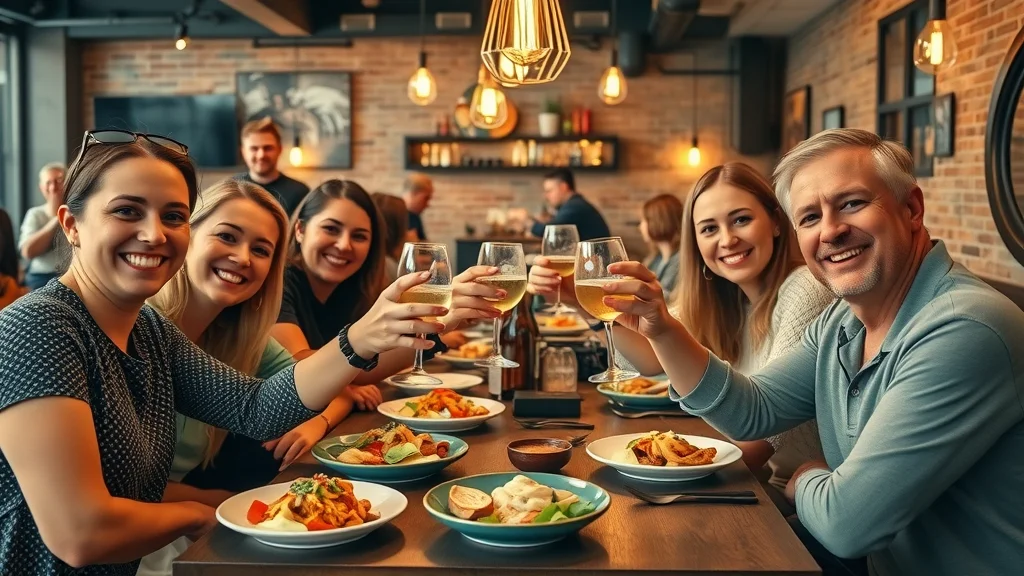
Effective social media marketing is one of the most powerful channels for building a recognizable restaurant brand in today’s digital landscape. Word-of-mouth still rules, but now it’s happening online—one tagged photo, mention, or review at a time. When your social media presence is strong, you build credibility and generate buzz that draws new customers in. Photos of your unique menu items or behind-the-scenes videos of your kitchen staff create authenticity, setting your brand apart from the competition.
A well-crafted restaurant social media marketing strategy leverages visual content, customer engagement, and consistent storytelling to create a brand identity that resonates with your target audience. With eye-level photography, creative tiktok video content, or viral Instagram Reels, restaurants can connect with local foodies, attract event bookings, and inspire return visits—all while growing brand awareness far beyond their physical location.
How Restaurant Social Media Increases Customer Loyalty and Retention
When your restaurant’s social media consistently delivers value—like exclusive specials or quick replies to direct messages—customers feel seen and valued. This interaction strengthens long-term relationships, increases retention, and transforms casual followers into loyal regulars. Many customers check a restaurant’s Instagram stories or Facebook events before even looking at the website, seeking real-time updates and authentic connections with the brand.
By actively engaging with comments and direct messages, restaurants offer a personalized touch that builds trust and loyalty. Sharing user-generated content or public thank-yous to customers reinforces this bond. At its core, successful restaurant social media strategies are about creating authentic, two-way communication that keeps your brand at the top of customers’ minds.
Boosting Online Ordering and Revenue via Restaurant Social Channels
A savvy restaurant social media marketing approach does more than keep fans entertained—it generates online orders and drives revenue. With clickable menu links, geo-targeted specials, and timely offers, your channels act as a powerful sales funnel. Restaurants can boost takeout and delivery by pushing highlighted menu items, using Instagram Shopping, or integrating order-now functions into their posts and bios.
Data shows that strategically scheduled posts—such as lunch hour promotions or last-minute dinner specials—can lead to visible spikes in online ordering. When your social media platforms provide both inspiration and easy action steps, you convert casual browsers into paying customers.
Laying the Foundation: Core Principles of Restaurant Social Media Strategies
Understanding Your Restaurant Social Audience

The cornerstone of all restaurant social media strategies is a deep understanding of your target audience. Success depends on knowing not just who your followers are, but what content excites them, when they’re most active, and which menu items they crave. By regularly reviewing analytics such as age range, peak engagement times, and popular topics, you can tailor every social media post to maximize relevance and reach.
Segment your audience: are you speaking to busy professionals seeking lunch deals, families looking for weekend brunch, or students eager for late-night snacks? This clarity helps refine your content creation, choose the right social platforms (e. g. , TikTok for Gen Z, Facebook for families), and guide your restaurant marketing strategy as a whole. Data-driven insights ensure your media strategy delivers measurable impact, not just empty impressions.
Defining Your Brand Voice and Media Marketing Objectives
Every standout restaurant brand has a unique personality. Your brand voice—whether playful and witty or sophisticated and refined—should consistently shine through in all your media marketing. Clear voice and tone foster connection and make your posts recognizable in a crowded feed. Set clear media marketing objectives to guide your strategy: are you aiming for greater community engagement, more reservations, or higher online ordering volume?
Start by writing out your restaurant’s brand values and desired voice (think: friendly, fast, locally rooted). Map these to SMART objectives, such as “increase online orders by 20% over six months via Facebook promotions” or “gain 500 new Instagram followers by unlocking user-generated content contests. ” With your brand voice and objectives aligned, each piece of content can serve both immediate engagement and long-term growth.
Setting Measurable Goals for Restaurant Social Media Marketing
To ensure your restaurant social media marketing is more than a checkbox activity, set quantifiable goals tied to business outcomes. Key metrics may include increases in post engagement, direct messages, online ordering, or new followers per month. By using analytics dashboards (such as those in Meta Business Suite or TikTok Analytics), you can track your efforts and refine your marketing strategy based on real performance—not gut feeling.
Align these goals with key performance indicators (KPIs) such as:
| Goal | Sample KPI |
|---|---|
| Build local awareness | 50% increase in geo-tagged mentions per month |
| Boost engagement | 15% higher average post interactions (likes, comments, shares) |
| Increase online ordering | 20% growth in orders placed via social channels |
| Grow follower count | 500 new followers each quarter |
Building a Winning Restaurant Social Media Strategy From the Ground Up
Choosing the Right Social Media Platforms for Your Restaurant
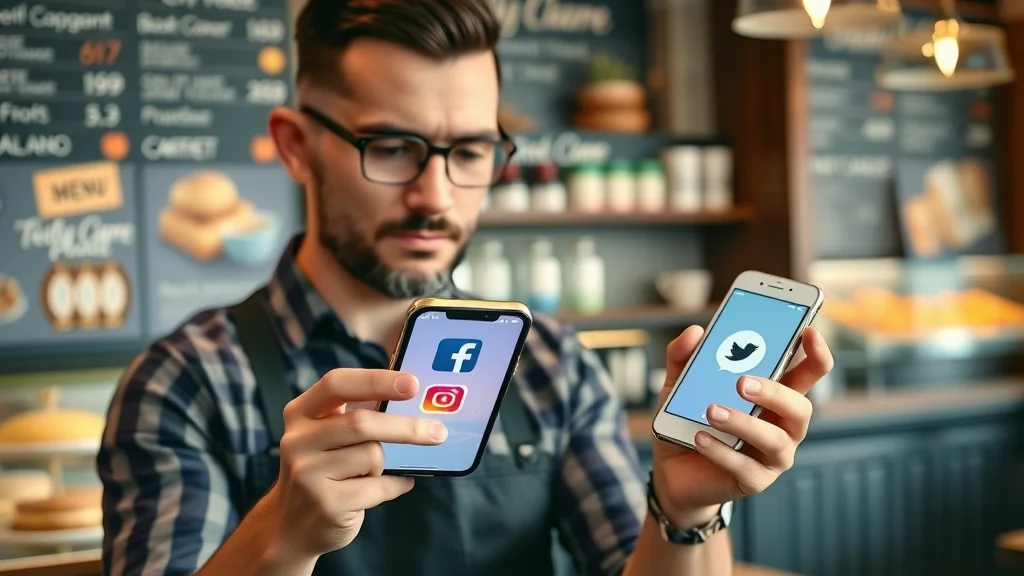
Selecting the correct social media platforms is crucial for your restaurant’s success. While Instagram and Facebook dominate for many, platforms like TikTok, Twitter, and Pinterest could also harbor hidden opportunities depending on your target audience and content strengths. Some restaurants thrive with mouthwatering menu item shots on Instagram; others skyrocket via viral TikTok video challenges or lively Twitter banter.
Research your audience’s platform preferences and monitor which social platforms already bring the best engagement or direct orders. An Italian bistro might find its followers leaning towards Pinterest recipe boards, while a trendy café may see more traction with Reels and Stories. Focus your efforts on two or three platforms where your audience is most active, and tailor content to the format that platform users love best.
Developing a Content-First Restaurant Social Media Marketing Approach
Content is king, but context—what matters most to your followers—is queen. Build your restaurant social media strategy around these core content pillars that consistently generate results:
- Menu spotlights – High-quality photos or videos showcasing seasonal or bestselling menu items.
- Behind-the-scenes glimpses – Staff stories, food prep timelapses, or “a day in the life” content that reveals your brand personality.
- Customer testimonials and reviews – User-generated photos and videos plus reposted Google or Yelp reviews.
- Special events and promotions – Announce live music, themed nights, or limited-time offers that spark FOMO.
- User-generated content – Regrams, duetted TikToks, or story shares from your real customers in action.
Develop a balanced plan that highlights each type of content to attract a wider range of fans and encourage more shares, tags, and engagement on each social media post.
Establishing a Posting Schedule: Consistency in Social Media Management
Consistency is at the heart of strong social media management. Your audience expects regular, high-value content—not random, infrequent posts. Create a content calendar that maps out daily or weekly themes, highlights upcoming special events, ensures timely menu updates, and reserves space for trending moments and customer shoutouts.
Use scheduling tools like Meta Business Suite, Buffer, or Sprout Social to automate publishing across platforms, freeing your team to focus more on engagement. Consistency doesn’t mean sameness—mix up video content, still images, Instagram Stories, and live streams to keep your feed fresh and your followers hungry for more.
The 7 C's of Restaurant Social Media Strategy: A Framework for Results
Clarity – Communicating Your Restaurant Brand Message
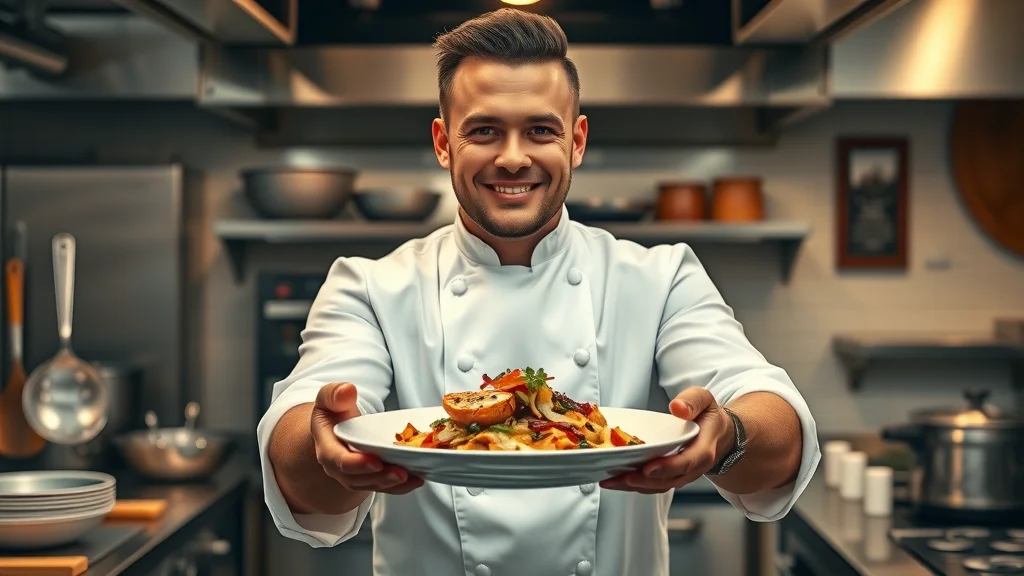
Your posts should immediately convey what your restaurant brand stands for. Is it farm-to-table freshness, unforgettable comfort food, or out-of-this-world brunches? Clarity in both visuals and captions ensures every viewer—old or new—knows exactly what makes your venue special. Avoid generic language; instead, highlight your brand values with every post and reinforce your brand voice for greater recognition and trust.
A clear social media strategy will always feature high-quality images, concise messaging, and a strong call-to-action—inviting potential customers to book a table, order online, or share their favorite dish.
Content – Crafting Relevant and Engaging Social Posts
Your followers want entertainment, information, and incentives—not endless self-promotion. Craft posts that spark conversation, invite participation (like polls or Q&As), or educate about your ingredients and history. Remember, the best content often comes from the kitchen: a mesmerizing plating video, a chef introducing a new menu item, or a server sharing a personal recommendation. Prioritize authenticity and variety over polished perfection.
Keep content visually compelling and on-brand; incorporate trending hashtags, geotags, and repost user content to broaden your reach. Regularly experiment with new formats, like carousel posts or quick Instagram Reels, to keep your feed dynamic.
Consistency – Maintaining an Active Restaurant Social Presence

The best restaurant social media strategies follow a disciplined schedule. This doesn’t mean churning out content daily, but showing up reliably each week. A dormant account signals neglect to both followers and algorithms, while a consistent presence builds anticipation and loyalty. Set clear posting frequencies for each platform—even two or three thoughtful posts per week can outperform daily randomness.
Consider using scheduling templates or automation tools to maintain steadiness, but remain flexible to spotlight trending topics, immediate customer feedback, or last-minute promotions—keeping your social media presence vibrant and timely.
Creativity – Showcasing Restaurant Offerings with Unique Media
Stand out by embracing creativity. Develop themed nights (like “Taco Tuesday”), eye-catching food photography, humorous videos, or custom GIFs to give your posts personality and shareability. Creative restaurant social campaigns—including user-driven challenges, chef Q&As, or “vote for the next menu item” polls—can go viral and generate community enthusiasm.
Leverage video content for kitchen tours or recipe reveals, and experiment with TikTok trends to reach new, younger fans. The more creative your output, the more likely followers will share and interact—extending your marketing reach organically.
Connection – Engaging Followers to Build Restaurant Community
Engagement is the ultimate goal: respond to comments, ask for opinions, and personalize direct messages. Celebrate customer milestones, highlight regulars, and foster a sense of belonging that outlasts any single dish. When your followers feel recognized and included, they become your most steadfast advocates.
Develop regular community-building habits—like reposting guest photos, running customer story features, or starting a weekly Q&A. True restaurant social media marketing is interactive, not just another broadcast channel.
Collaboration – Partnering for Greater Restaurant Marketing Reach
Don’t go it alone. Collaboration expands your audience and brings fresh energy to your feed. Partner with local businesses, influencers, food bloggers, or even musicians to host cross-promotions, giveaways, or pop-up events—using your social platforms as launchpads for new initiatives.
Choose collaborators that match your restaurant brand values, and structure deals to provide mutual benefit, whether it’s co-hosted Instagram Lives, tag-for-tag campaigns, or content swaps that introduce each other’s followings to new experiences.
Conversion – Turning Social Interactions into Restaurant Sales
Finally, every great restaurant social media strategy moves followers along the path to becoming paying customers. Use strong calls-to-action like “Order Now,” “Reserve Today,” or “Tag Us for a Chance to Win” in each post. Integrate order links, event RSVPs, or exclusive offers directly within your feed or stories for a seamless user experience.
Track conversion rates through promo codes, UTM links, or platform analytics so you know which campaigns directly result in orders, bookings, or merchandise sales. Always aim to bridge the gap between online engagement and real-world restaurant growth.
Implementing Content-Driven Restaurant Social Media Marketing
Planning Your Restaurant Content Calendar
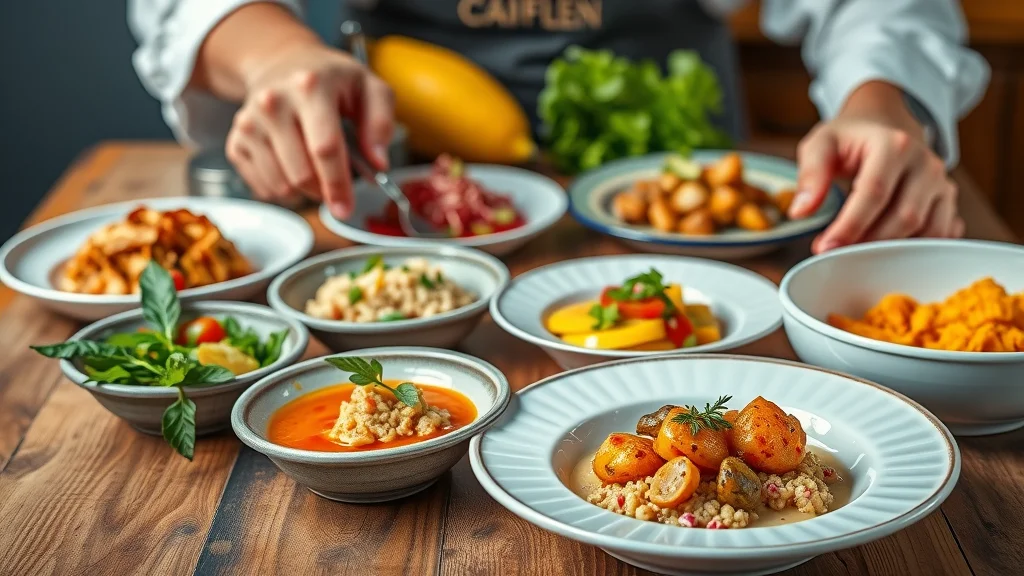
A detailed content calendar is your roadmap for impactful restaurant social media strategies. Map key annual events (holidays, local festivals, new menu launches), weekly anchor posts (e. g. , Meet the Chef Monday), and spontaneous moments (like guest milestones or trending topics). Blocking out content themes prevents last-minute scrambling and ensures a healthy mix of formats—stories, static posts, reels, and video content.
Review what’s coming up operationally (menu updates, staff anniversaries, community collaborations) so you can tie your digital communications to real-world happenings. Use your calendar to spot gaps, balance promotion with storytelling, and align messaging across all media channels for coherent media management.
Storytelling: Using Restaurant Social Media to Share Your Brand

People don’t just buy food; they buy stories, memories, and connections. Use your social media to tell the story of your restaurant—its founding, its heroes (culinary and beyond), and the regulars who make it special. Stories add authenticity and relatability, helping your brand stand out.
Share the journey of a new menu item, highlight the background of your signature dishes, or post real customer celebrations (with permission). Effective storytelling invites your audience to become part of your ongoing narrative, leading to higher engagement and customer loyalty.
Tools for Effective Social Media Management and Scheduling
- Platform-native scheduling (Meta Business Suite, TikTok, etc.)
- Third-party management tools (Hootsuite, Sprout Social, Buffer)
- Content ideation resources
Relying on the right tools elevates your social media management. Automate your publishing with platform-native features, manage multiple accounts with third-party tools, and generate fresh content ideas with resources like Answer the Public or Google Trends. Review analytics dashboards regularly to identify your top-performing content and schedule more of what resonates.
These tools free up time, prevent missed opportunities, and give your team actionable insights to refine your marketing strategy.
Driving Engagement: Tactics to Activate Restaurant Social Media Followers
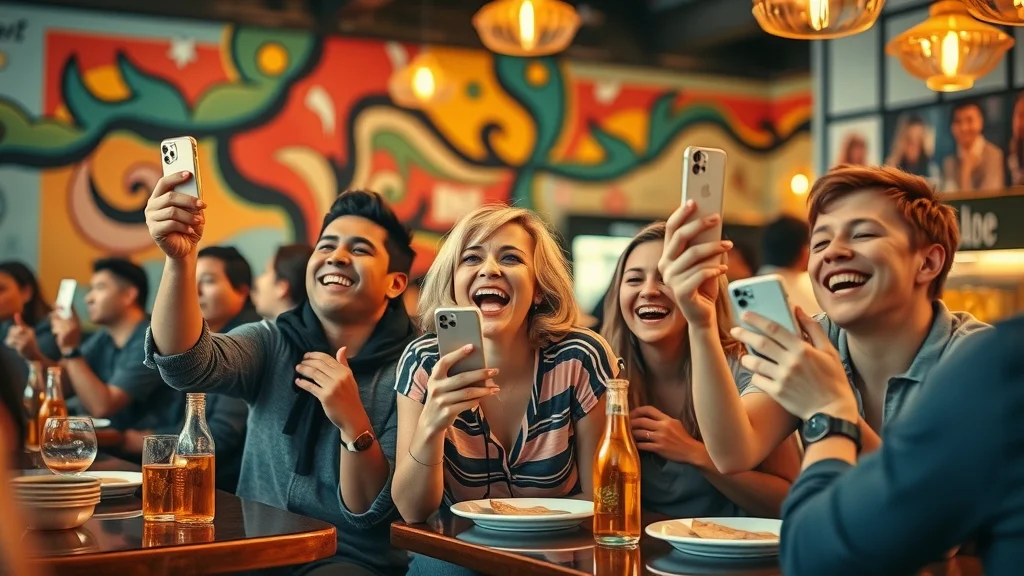
Leveraging Giveaways, Contests, and Special Offers
Nothing fuels engagement like a well-timed giveaway or flash contest. Run photo challenges (“best brunch shot wins a voucher”), host comment-to-win promos, or give exclusive access to menu launches through social-only codes. Structure each offer with clear entry requirements (follow, like, tag a friend), and watch your reach multiply as fans share your page with new networks.
Special offers—especially geo-targeted ones—can drive immediate traffic during slow periods. Use Instagram Stories or TikTok videos to announce these campaigns for instant impact. Always measure the lift in new followers, engagement, and redemption rates to inform future tactics.
Responding to Comments and Direct Messages: The Personal Touch
Timely responses to comments and direct messages set your restaurant apart. Followers want to feel heard and acknowledged—whether asking about today’s special, complimenting a dish, or providing constructive feedback. Prompt, friendly service on social platforms mirrors the personalized experience guests seek in-restaurant.
Establish trusted processes for your team to track, respond, and escalate customer inquiries. Celebrate positive reviews publicly and handle concerns discreetly, creating loyal ambassadors who know their voices matter online and off.
Using Polls, Stories, and Live Features for Real-Time Engagement
Harness interactive features like Instagram Stories polls, Q&As, and live streams to get immediate feedback or involve your audience in decision-making. Crowdsource names for new menu items, field suggestions, or broadcast kitchen demos to nurture a robust, active community.
Live features, especially on TikTok or Instagram, are proven engagement magnets—letting fans comment in real time, ask questions, and see authentic behind-the-scenes action. These tactics bridge the gap between digital engagement and in-person visits, encouraging customers to see your restaurant as more than a place to eat, but as a valued part of their social circles.
Paid Ad Campaigns: Turbocharging Restaurant Social Media Strategy
Choosing the Right Paid Ad Formats for Restaurant Marketing
- Promoted posts
- Restaurant event ads
- Geo-targeted offers and local coupons
Organic reach on social media is shrinking as platforms prioritize paid content. Paid ads can put your most compelling offers, menu items, and events in front of both followers and entirely new potential customers. Think promoted posts to boost signature dishes, event ads for live music nights, or geo-targeted coupons for the lunch rush.
Choose ad formats that match your key objectives. Use carousel ads to showcase menu variety, video ads for atmospheric brand storytelling, or retargeting ads to nudge website visitors back for online ordering. Keep your brand voice consistent and leverage clear visuals plus enticing calls-to-action for the best results.
Retargeting and Lookalike Audiences for Restaurant Social Media Marketing
Platforms like Facebook and Instagram allow you to serve ads to those who’ve visited your website or engaged with your posts—perfect for reminding would-be diners to complete a reservation or place an order. Take it a step further by creating “lookalike” audiences that mirror your best customers, expanding your reach to those most likely to engage.
Retargeting works especially well for converting interest into action, while lookalike campaigns help scale your social reach to new neighborhoods or demographics, maximizing your paid ad investment.
"Paid ads put a spotlight on your restaurant offerings, ensuring your message reaches not just existing fans but a new pipeline of local food lovers."
Monitoring, Measuring, and Optimizing Your Restaurant Media Strategy
Key Metrics for Restaurant Social Media Success
To turn engagement into measurable growth, track performance against key social media KPIs such as reach, engagement rate, conversion rate (online orders, bookings), and overall ROI. Don’t just count likes—dig into what time, type of content, or platform brings the highest returns.
Compare results to baseline metrics and adjust campaigns accordingly. Effective monitoring turns your strategy from static to dynamic, always getting smarter with each new post and campaign.
| Social Media KPI | What It Measures |
|---|---|
| Engagement Rate | Likes, comments, shares, DMs relative to follower count |
| Reach | Total unique users who see your content |
| Conversions | Online orders, bookings, or reservations made from social referrals |
| ROI | Revenue generated vs. total social media marketing spend |
Using Insights to Refine Restaurant Social Media Performance
Regularly analyzing insights can reveal which content, platforms, and campaigns deliver the highest engagement—and which fall flat. Leverage these findings to optimize future efforts: double down on proven performers, experiment with new formats for lower-performing segments, and always recalibrate to your evolving audience preferences. Use A/B testing for captions, visuals, and paid ad formats to fine-tune your marketing mix.
Businesses that refine their media strategies based on hard data, not assumptions, consistently outperform those that rely on guesswork.
Case Studies: Restaurant Social Media Strategies in Action
Social Media Success Story: Small-Town Restaurant Makes It Big
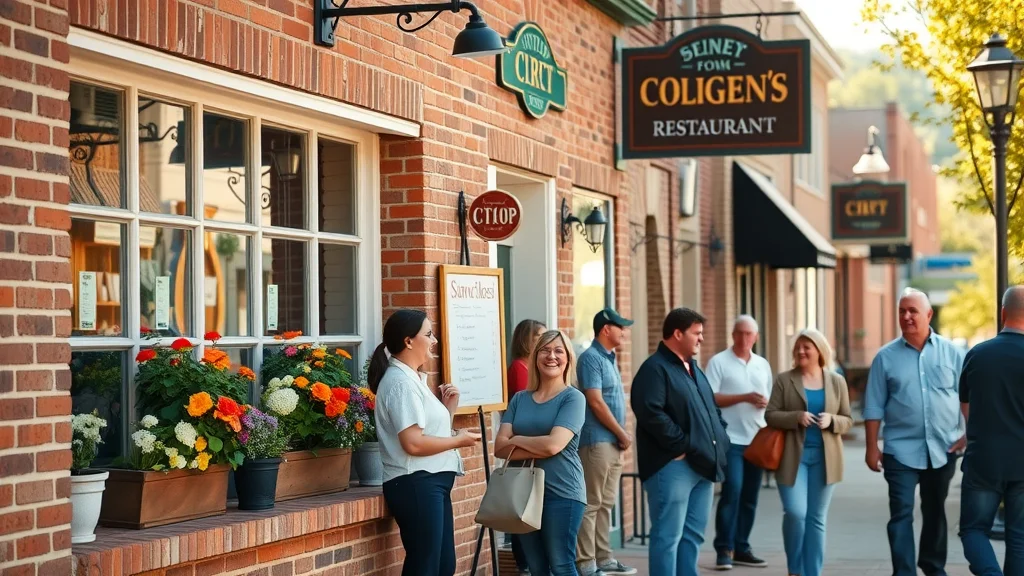
Consider a local diner in a small town that struggled to fill seats on weekdays. By launching a new restaurant social media strategy focused on daily behind-the-scenes reels, customer spotlights, and interactive story polls, the eatery quickly began to stand out. In less than six months, the restaurant doubled its Instagram following, saw a 35% jump in direct message reservations, and became the go-to spot for private parties and events—proving the right media strategy can make a real-world difference, even without a big-city address.
The key? Consistent storytelling, actionable specials, and relentless engagement with every person who commented, tagged, or messaged the account. The restaurant became more than a place to eat—it became the hub of the community, thanks to a thoughtful and data-driven social media presence.
From Unused Followers to Online Ordering Boom: A Real-Life Restaurant Marketing Example
Another case: a family-owned pizza shop noticed that despite 4,000 Facebook followers, online ordering was stagnant. After segmenting their audience, switching to highly visual content (think cheese pulls and prepping behind-the-scenes tiktok videos), launching a weekly “fan favorite” vote, and integrating direct “Order Now” links, the pizzeria tripled its weekly takeout orders in 90 days. Engagement increased fivefold, turning once-passive fans into paying, loyal customers.
This transformation was rooted in better consistency, creative local events, and treating their social media strategy as a revenue generator—not just a digital flyer board.
People Also Ask: Your Top Questions About Restaurant Social Media Strategies
What is the 5 5 5 rule for social media?
The “5 5 5 rule” helps keep your restaurant social media strategy both active and relational. It calls for your team to aim for 5 new followers, 5 meaningful interactions (comments, likes, shares), and 5 posts per week. Applied to restaurants, this routine focus grows your audience, deepens engagement with potential customers, and ensures fresh content is always on your feed. The result? A media presence that’s lively, consistent, and adaptable—perfect for nurturing both loyal fans and new guests.
How to promote a restaurant on social media?
Start with striking visuals of your menu items—use high-quality photos and short-form video content like Instagram Reels or TikTok videos. Share daily specials, behind-the-scenes prep, staff stories, and customer testimonials to build authenticity. Offer exclusive giveaways, reply to every comment and direct message, and collaborate with local influencers or businesses. Schedule consistent posts, use targeted hashtags, and run geo-targeted paid ads for big events or launches. Monitor analytics to see what content resonates, and adjust your marketing strategy for long-term growth.
What is the 30 30 30 rule for restaurants?
The “30 30 30 rule” balances your restaurant’s social media output for broad appeal and engagement. It suggests crafting 30% promotional content (highlighting specials or new menu items), 30% engaging content (fun polls, behind-the-scenes glimpses, customer shoutouts), and 30% informative content (sharing restaurant news, events, or industry tips). The final 10% can be used for trending or experimental posts. This balanced mix keeps your feed interesting while reinforcing your restaurant brand and driving sales.
What are the 7 C’s of social media strategy?
The 7 C’s—Clarity, Content, Consistency, Creativity, Connection, Collaboration, Conversion—structure a winning restaurant social media strategy. Each “C” shapes your approach: clarify your message, craft magnetic content, stay consistent, embrace creativity, deepen connections, collaborate strategically, and drive every action toward sales or bookings. This holistic framework ensures your social media presence delivers impact for both your restaurant and your fans.
Expert Quotes on Restaurant Social Media Strategies
"Your restaurant’s social media is often the first place new customers discover your brand—make every post count." – Social Media Strategist
"A single engaging Instagram story can do more for your restaurant marketing than a week of static posts." – Restaurant Owner
Frequently Asked Questions about Restaurant Social Media Strategies
What is the most effective restaurant social media platform in 2024?
While Instagram remains a top platform for stunning visuals, TikTok’s viral Short-form content can produce explosive growth, especially among younger diners. However, the “best” platform is the one where your target audience is most active—so track your results and adapt your restaurant social media strategy accordingly.
How often should I post as part of my restaurant social media strategy?
Most restaurants benefit from 3-5 posts per week on each active platform. Consistency matters more than volume: it’s better to post fewer high-quality, engaging updates than daily low-effort content.
How do I handle negative reviews on my restaurant’s social media?
Address negative feedback promptly and respectfully. Apologize publicly, offer to resolve the issue offline via direct message, and highlight your commitment to improvement. Avoid defensive responses—transparency and care win trust.
What creative content ideas work best for restaurant social media marketing?
Menu spotlights, behind-the-scenes videos, staff features, customer shoutouts, user-generated contest entries, and fun live streams (kitchen tours, chef demos) consistently drive engagement and reinforce your unique brand voice.
How can I measure ROI from my restaurant social media strategies?
Track referrals, online orders, bookings via UTM links, promo codes, and engagement metrics. Compare spend to revenue generated from each campaign to evaluate the effectiveness and optimize your media strategy for maximum ROI.
Key Takeaways from Leading Restaurant Social Media Strategies
- Activate existing followers to boost bookings and online orders
- Create a diverse, content-driven media strategy for your restaurant brand
- Engage users with each post to foster long-term customer loyalty
- Regularly monitor analytics to refine and improve your restaurant marketing strategy
Ready to Turn Your Restaurant Social Media Strategies into Real-World Growth?
Contact our team today to tailor a high-impact restaurant social media strategy for your brand and start achieving measurable results.
Conclusion: The Future of Restaurant Social Media is Engagement-Driven
By activating your current followers and embracing smarter restaurant social media strategies, you can transform your digital efforts into packed tables, loyal fans, and record-breaking online orders.
If you’re eager to keep your restaurant ahead of the curve, staying informed about broader business trends is essential. The landscape of small business is constantly evolving, and understanding the latest developments can help you adapt your marketing, operations, and customer engagement strategies for long-term success. For a deeper dive into the news and trends shaping the future of small businesses—including restaurants—explore the latest updates and expert perspectives at Small Business Today. Discover how industry shifts and innovative ideas can inspire your next big move and elevate your restaurant’s growth journey.





Write A Comment