

Did you know that over 80% of your restaurant’s followers never even see your latest posts? Each day you leave your table settings undisturbed on social media, you’re sabotaging your chance to fill real seats. This isn’t just a matter of missed likes—it’s lost revenue, wasted opportunities, and invisible specials that never reach the diners who care most.
The Hidden Cost of Neglected Social Media Advertising For Restaurants
Social media advertising for restaurants holds incredible power—yet thousands of eateries let their followers go untapped. Imagine: you’ve attracted hundreds or even thousands of food-loving fans on your platforms, but most never hear about your daily special, your happy hour, or your next culinary event. The cost isn’t only monetary; it’s also about missed relationships, reduced brand awareness, and a weaker community. The problem isn’t having too few followers; it’s letting the ones you already have drift away. Neglecting restaurant social media means fewer bookings, stale media presence, and letting your competitors occupy a space that could—and should—be yours.

"Over 80% of restaurant followers rarely see updates, leading to missed sales opportunities."
Why Followers Want More From Your Restaurant Social Media Marketing
Your followers aren’t just numbers—they’re potential guests who connected with your restaurant social media because they’re interested in what you offer. But when your media marketing fails to meet their expectations, they disengage or overlook future posts. Today, restaurant social media marketing goes far beyond simple promotions. Followers crave authentic, fresh content that keeps your dining room top-of-mind. If you only broadcast generic offers or forget to share what makes your restaurant brand unique, you risk losing not just visibility, but loyalty. Guests want a social media presence that excites, informs, and makes them feel welcomed—even before they set foot inside your restaurant.
- To see daily specials
- Exclusive deals or promotions
- Behind-the-scenes content
- Updates on new menu items
To further refine your approach and avoid the most common pitfalls, it’s helpful to learn from real-world examples and expert insights. For a deeper dive into the latest business headlines and actionable strategies that impact small businesses—including restaurants—explore the curated updates at Small Business Today. Staying informed can help you adapt your social media tactics to current trends and industry shifts.
What You'll Learn About Social Media Advertising For Restaurants
- How to maximize ROI from social media advertising for restaurants
- Best practices for restaurant social media marketing
- The top mistakes restaurants make in media marketing
- Strategies for effective social media management
Understanding Social Media For Restaurants: Untapped Potential
Even among tech-savvy restaurant owners, the true scope of opportunity on social media platforms remains largely untapped. Many believe posting sporadic pictures or promotions is enough, but successful restaurant social media is a dynamic conversation—a blend of engagement, storytelling, and smart targeted media management. Every media platform has its strengths, and understanding audience demographics is key to tailoring a marketing strategy that pays off. A polished media account doesn’t just deliver news; it turns customers into loyal advocates, fills tables, and keeps your restaurant brand relevant in a fast-moving digital landscape.
The untapped potential in social media for restaurants lies in the direct relationship between an active media presence and increased foot traffic. By leveraging targeted media marketing—with thoughtfully crafted media posts—restaurants can connect with both loyal diners and new potential customers. This means moving beyond one-off posts and focusing on regular, creative restaurant social media marketing that truly represents your brand personality and culinary offerings.
Social Media Trends Shaping Restaurant Marketing Strategy
Modern restaurant marketing thrives on shifting digital trends. Instagram, Facebook, TikTok, and even LinkedIn each offer distinctive ways to share your restaurant’s story and reach your target audience. Food photography, behind-the-scenes videos, influencer collaborations, and even “Instagram Stories” with limited-time offers all shape how potential guests view and engage with your dining room from afar. Keeping up with trends in social media platforms ensures your restaurant jumps to the top of fans’ feeds—whether that’s a clever media post shared by a loyal staff member, or a viral video featuring your signature dish. By paying attention to these shifts, restaurants can tailor a marketing strategy that evolves with consumer behavior, ensuring consistent growth and visibility on every social media account.
Paying attention to changing user preferences, like short-form video and user-generated content, is essential in today’s restaurant marketing landscape. Restaurants that embrace trending content formats are rewarded with higher engagement rates and increased reach on major media platforms. Remember, your target audience expects lively, interactive restaurant social media—they want to see your team, your process, and your passion. Make these trends work for you, and every media post becomes a new invitation to dine.
| Media Platform | Average Engagement Rate | Primary Content Type |
|---|---|---|
| 2.1% | Photos/Videos/Stories | |
| 1.0% | Photos/Events/Posts | |
| TikTok | 5.3% | Short-form Video |
| 0.8% | Updates/GIFs/Threads |
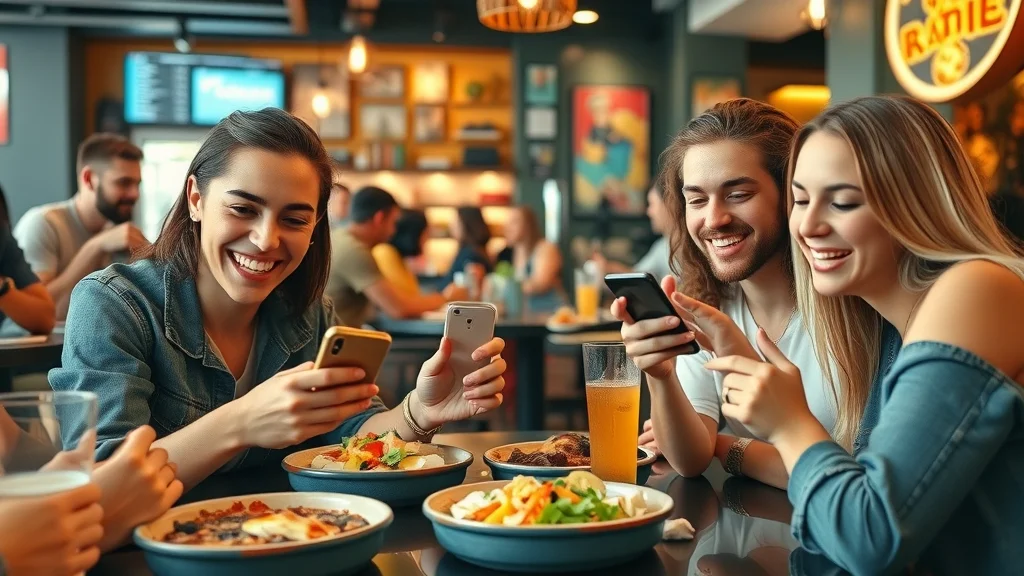
The Role of Social Media Platforms in Restaurant Branding
A strong social media presence serves as the digital storefront of your restaurant brand. Every photo, video, and story you share shapes your public identity and influences potential guests’ perceptions. Leveraging the strengths of each media platform—Instagram for visual storytelling, Facebook for events and community, TikTok for viral trends—builds a cohesive narrative that attracts followers and fills seats. Brands that consistently showcase their unique atmosphere, signature dishes, and the people behind the food are rewarded not only with online engagement but also with increased foot traffic and loyal customers.
It’s crucial for restaurants to recognize that digital branding is as vital as physical ambience. With restaurants underestimating the direct influence of a strong social media account on foot traffic, investing time in your online persona pays dividends. Regular, well-branded media posts—showcasing everything from staff personalities to special plated creations—make your restaurant brand irresistible online and offline.
"Restaurants underestimate the direct influence of a strong social media account on foot traffic."
Media Management Insights: Audience Demographics Across Major Media Platforms
Effective media management for restaurants begins with understanding where your audience spends their time. Gen Z and Millennials may gravitate toward TikTok and Instagram for interactive content, while Gen X and Baby Boomers are more active on Facebook for updates and promotions. Each media platform offers different content formats—from Stories and Reels to posts and live videos—so analyzing your target audience demographics guides which media account to prioritize. Research shows that customizing your messaging based on audience age and interest vastly improves engagement and, ultimately, restaurant bookings.
Aligning your marketing strategy with platform-specific data informs everything from post scheduling to media campaign themes. Factor in key elements like post shared times, user feedback on previous posts, and trending restaurant marketing approaches within your region. By putting data at the heart of your social media strategy, you’ll reach more potential customers, connect with your core audience, and avoid wasted effort on platforms that don’t deliver for your business.
Essential Elements of Social Media Advertising For Restaurants
Becoming a leader in restaurant social media requires more than luck—it calls for a systematic, data-backed approach. Let’s break down the critical pieces of effective social media advertising for restaurants: identifying clear goals, selecting the right media platforms, building a consistent posting schedule, and tracking what works. Success comes from integrating all these elements into your daily media management routine, ensuring each media post strengthens your restaurant brand and deepens guest loyalty.
Without these essential elements, even the best food photos or the most creative promotions can fall flat. By focusing your energy on the fundamental strategies below, your restaurant social media marketing can generate buzz, drive online ordering, and turn every new follower into a long-term diner.
Building An Effective Restaurant Social Media Marketing Strategy
A successful restaurant social media marketing strategy starts with clear objectives and a deep understanding of your unique value proposition. First, decide what you want to achieve—whether it’s more reservations, higher online ordering, or heightened brand awareness. Next, pick the social media platforms that best match your target audience and menu style. Plan your posting calendar in advance and produce high-quality, authentic content that reflects your restaurant’s personality. Consistency is key; each media post should serve a defined purpose, broadcasting your culinary strengths and amplifying positive customer experiences.
Finally, strive for continuous improvement by tracking performance metrics—like engagement rate, follower growth, and conversions from post shared to reservation. Regular review empowers your team to pivot quickly, responding to what works for your target audience. A strategy built on these pillars ensures your restaurant remains relevant in an increasingly competitive marketplace.
- Identify campaign goals
- Choose the right social media platforms
- Plan a consistent posting schedule
- Track performance metrics
Choosing and Managing the Right Social Media Account
Selecting the optimal social media account for your restaurant means aligning your menu, brand personality, and customer demographics with the platform’s core users. For example, vibrant, visually-driven concepts flourish on Instagram, while local, family-friendly spots may gain more traction on Facebook. Once platforms are selected, effective media management is crucial: designate a skilled staff member or hire a manager to oversee content curation, community engagement, and campaign analysis. Your chosen media account should reflect your restaurant brand in every story, comment, and call to action.
Managing these accounts requires time, attention, and a steady flow of creative social media posts. Use scheduling tools to maintain consistency, and don’t hesitate to tap into your team’s personalities for authentic, behind-the-scenes glimpses. Always review analytics to identify which posts resonate, ensuring your strategy adapts in step with trends and guest preferences.

Creating Engaging Social Media Posts To Showcase Your Restaurant Brand
Creating content that showcases your restaurant brand is vital for standing out in crowded social feeds. Focus each social media post on visually compelling food images, staff spotlights, and stories that humanize your kitchen. Invite your audience into your dining room through time-lapse cooking videos, chef interviews, or even user-generated content contests. Every post shared should reinforce your brand identity, from color palette and tone to subject matter and hashtags.
Remember: followers want authenticity and entertainment, not just sales pitches. Mix in live Q&As with your chef, short behind-the-scenes clips, or “Instagram Stories” that spotlight seasonal specials. Showcasing memorable moments and your team’s passion fuels engagement and long-term loyalty, making guests feel like part of your restaurant’s journey.
Common Social Media Advertising Mistakes Restaurants Make
Even as restaurants embrace digital transformation, classic slip-ups in media marketing can erode results. Poor analytics tracking, posting only one-dimensional promotional content, sharing inconsistently, or lacking a real process for media management are among the most costly. Each of these errors leads to wasted opportunities and disconnects you from the followers who are eager to hear from your brand.
Awareness and correction of these mistakes are the keys to building a resilient, high-impact restaurant social media presence.
Mistake #1: Ignoring Media Marketing Analytics
The first—and perhaps most insidious—failing in restaurant social media is ignoring analytics. Restaurants invest hours into photos and promotions, but if no one analyzes what actually drives engagement or converts to online ordering, efforts can be wasted. Analytics give you insight into which media posts attract potential guests, what time your target audience is most active, and how different offers perform. Skipping this step is like preparing a beautiful dish and never tasting it—without testing and measurement, you’ll never know what could be improved or scaled.
Incorporate analytics into your regular social media management activities using built-in tools or external software. Set clear KPIs, review successful post shared history, and make data-backed decisions to ensure ongoing growth for your restaurant marketing strategy.

Mistake #2: Posting Only Promotions, Not Stories
For many restaurants, the temptation is to use social media solely for promoting deals or menu items. However, constant promotion without storytelling makes your feed feel transactional and uninviting. Today’s diners expect more: they want context, personality, and relatability. Mix in stories that highlight your team’s work, customer experiences, special preparations, and day-to-day moments. Story-driven content generates higher engagement and makes your media presence memorable.
Balancing promotions with narrative posts maximizes both trust and interest—followers are more likely to engage and attend, knowing they’re part of something special unfolding at your dining room.
Mistake #3: Inconsistency in Restaurant Social Media Marketing
One of the most common pitfalls in restaurant social media marketing is inconsistency. Sporadic posting, long gaps between updates, and lackluster content hurt your media presence and confuse your audience. Consistency isn’t just about frequency—it’s about always showing up in your followers’ feeds with engaging, on-brand, and timely social media posts. Set a realistic posting cadence, prepare content in advance, and prioritize quality over quantity.
Remember, social platforms reward businesses that post regularly. Consistent updates signal reliability and investment in your community. Whether it’s daily specials or weekly chef spotlights, sticking to your calendar will ensure you stay top-of-mind for every potential customer scrolling by.

Mistake #4: Lack of Social Media Management Processes
A haphazard approach to social media management is a recipe for missed opportunities. When roles and responsibilities are not defined—whether for posting content, responding to comments, or handling user inquiries—consistency and quality suffer. Establish clear processes for content creation, posting, engagement, and crisis management. Assign a designated staff member for daily monitoring and schedule regular reviews to keep your media strategy on track.
Create content calendars, set response time goals for customer service, and conduct routine meetings for campaign optimization. By treating media management as an ongoing business function (not an afterthought), your restaurant ensures every follower is valued and every media post supports your broader marketing goals.
- Not responding to comments
- Ignoring negative feedback
- Overlooking user-generated content
Best Practices in Social Media Management For Restaurants
To unlock the full potential of social media advertising for restaurants, it’s essential to embrace proven best practices that sustain engagement and drive growth. Structured scheduling, integration with online ordering, and genuine community engagement lay the foundation for a thriving digital ecosystem around your restaurant brand.
Focusing on these best practices ensures your restaurant’s media strategy remains agile and effective, turning your social media accounts into revenue-generating engines.
Scheduling and Automation For Restaurant Social Media Accounts
Maintaining a consistent social media presence is easier with the right tools and planning. Use scheduling software to plan a week or month’s worth of content, plugging in key campaigns around holidays, local events, or menu launches. Pre-scheduled media posts help prevent gaps and allow you to maintain consistency even during a busy dinner service or staff changes.
Automation streamlines the posting process and frees up time for real-time engagement. This proactive approach to social media management ensures you always stay one step ahead—celebrating milestones, thanking followers, or launching timely specials in sync with customer interest.

Using Media Posts To Drive Online Ordering and Reservations
Strategically crafted media posts can convert passive followers into active customers. Embed calls-to-action directly in your restaurant social media—like “Order Now,” “Book Your Table,” or direct links to your online ordering portal. Share visuals of your signature dish, time-limited offers, or customer testimonials to create urgency and trust. Clear, actionable content bridges the gap between your digital and physical dining room, boosting reservations and takeout orders with every post shared.
Track the click-through performance of each campaign to see which platforms and content generate the most orders or bookings. Double down on what works, and be ready to experiment with new techniques that capture your target audience’s attention.
Engaging With Followers: Creating a Restaurant Community Online
The heart of social media marketing is community. Engage personally: reply quickly to questions, celebrate user-generated content, and highlight your most loyal fans. Run polls about new menu items, host Instagram Stories takeovers with staff, or share heartfelt stories from your kitchen. The stronger your community, the more likely your followers will become ambassadors for your restaurant brand—recommending you to friends and resharing your best content.
Remember: authentic engagement fuels customer loyalty and repeat business. It helps transform your restaurant from a one-time experience into a must-visit community hub online and off.
"Authentic engagement leads to loyalty – and more reservations."
Crafting Winning Restaurant Social Media Marketing Campaigns
Launching a standout campaign demands more than pretty pictures. Winning restaurant social media marketing campaigns blend fresh content themes, trending formats, and influencer partnerships. Whether you highlight a chef’s story, showcase seasonal dishes, or co-create content with food bloggers, variety keeps your audience engaged and hungry for more.
A well-executed campaign should always reinforce your restaurant brand’s core values and personality, while inviting customers to join in your journey.
Branded Content Ideas for Restaurant Social Media Platforms
Popular content themes for restaurant social media platforms include behind-the-scenes chef interviews, customer spotlights, seasonal specials, and lively time-lapse kitchen videos. These showcase your culture and creativity, deliver the inside scoop your target audience craves, and invite active participation.
- Chef interviews
- Customer spotlights
- Seasonal specials
- Time-lapse kitchen videos
Use visually engaging formats like Stories, Reels, and carousels to make every post shared memorable. Well-branded content is always recognizable and strengthens the bond with both loyal diners and first-time guests.
Utilizing Media Marketing Trends: Video, Stories, and Influencer Partnerships
Stay ahead of the curve by incorporating the latest trends into your media strategy. Short-form videos and Stories offer an authentic, behind-the-scenes glimpse into your daily operations, while influencer partnerships can supercharge your reach with fresh, trusted voices. Invite influencer chefs to stage live cooking demos, or partner with local foodies to host Instagram takeovers. Don’t be afraid to experiment with trending challenges or formats unique to each social media platform.
When media marketing trends are tailored authentically to your restaurant social media, followers are more likely to take action—whether it’s trying your latest dish, sharing your posts, or tagging you in their dining adventures.
Analytics and KPIs: Measuring the Impact of Social Media Advertising For Restaurants
You can’t improve what you don’t measure. Establishing meaningful analytics and KPIs for your social media advertising is crucial to documenting growth and optimizing your media strategy. Successful restaurants use this data to drive every decision, celebrating wins and quickly addressing areas for improvement.
Analyze engagement rate, track your follower growth, monitor click-through rates to online ordering or reservations, and calculate conversion rates for every post shared. Data-driven insights help you double down on winning tactics and continuously refine your restaurant social media marketing approach.
Setting Goals And Tracking Success in Restaurant Social Media Marketing
- Engagement rate
- Follower growth
- Click-through to online ordering
- Conversion from post to reservation
Begin with clear objectives: Do you want to boost reservations, grow your email list, or showcase seasonal specials? Track relevant KPIs weekly and monthly, using automated reporting to save time. Celebrate big leaps in engagement and view each metric as a signal for future campaigns. Setting and tracking goals drives accountability, helps allocate resources wisely, and demonstrates how social media marketing fuels your bottom line.
How Data-Driven Media Management Boosts Restaurant Marketing
Smart restaurants use analytics for more than tracking vanity metrics. Data-driven media management reveals exactly what content your audience responds to, what platforms convert best, and what time of day maximizes engagement. Armed with this knowledge, you can target your marketing spend and efforts for maximum ROI.
Continual improvement based on real data—from successful offers in previous media posts to peak order times on your online platform—provides a competitive edge. The more strategic your approach, the more consistently you’ll see upward momentum in your restaurant’s performance and reputation.
How to Promote a Restaurant on Social Media?
Promoting your restaurant through social media advertising isn’t just about posting food photos. The most successful restaurant marketing combines targeted media management, authentic storytelling, and regular engagement to drive real-world business results. Let’s look at a proven step-by-step system.
A well-crafted campaign can elevate your media presence, grow your loyal customer base, and direct more traffic to your dining room or online ordering portal—all while strengthening your brand in competitive markets.
Step-by-Step Guide to Restaurant Promotion on Social Media Advertising
"Start by defining your signature dish—then make it the hero of every campaign."
- Collaborate with local influencers
- Use high-quality food photography
- Incorporate user-generated content
- Host online contests
Define your unique selling points and turn your star menu item into recurring content across all media platforms. Encourage staff to share daily stories, feature loyal followers, and celebrate guest milestones. Consistently invite feedback and reward user-generated content. These steps convert digital attention into foot traffic, online ordering, and enthusiastic word-of-mouth.
Best Channels for Restaurant Social Media Marketing
While Instagram and Facebook remain mainstays for restaurant social media marketing, consider diversifying to include TikTok for viral reach, Twitter for real-time updates, and even Pinterest for creative boards if your target audience is there. Study where your audience engages most—then invest in building your media account on those platforms. Tailor content to each outlet’s best practices, ensuring every post shared aligns with your restaurant brand identity.
What is the 5 5 5 Rule for Social Media?
The 5 5 5 Rule is a powerful formula for creating balanced, engaging content across your restaurant social media platforms. By dedicating time each week to different types of posts, you can keep content fresh and relevant for your entire audience.
Explaining the 5 5 5 Approach in Social Media Advertising For Restaurants
- 5 engaging posts
- 5 promotional posts
- 5 community/behind-the-scenes posts per week
This approach ensures a harmonious blend of entertainment, promotion, and community-building, appealing to everyone from potential guests to loyal regulars. Follow it for a steady but varied flow of content—keeping your feed alive with must-see updates, irresistible offers, and consistent brand storytelling.
Benefits Of The 5 5 5 Rule in Restaurant Social Media Marketing
Applying the 5 5 5 Rule in your restaurant social media marketing leads to higher engagement, improved reach, and greater follower retention. You’ll forge deeper connections with your audience by moving beyond only promotions and tapping into the real stories that make your restaurant special. Ultimately, balanced and regular posting translates into increased bookings and enduring brand loyalty.
What is the 30 30 30 Rule for Restaurants?
For restaurants aiming for next-level content strategy, the 30 30 30 Rule provides a blueprint for content balance between originality, curation, and direct promotion. Use this to diversify your media posts and avoid overwhelming your followers with sales pitches.
Understanding the 30 30 30 Strategy in Social Media Marketing
- 30% original content
- 30% curated content
- 30% promotional or sales-driven content
Original content includes behind-the-scenes videos and kitchen stories, curated content could be trending recipes or restaurant news, and the remaining portion can be offers and calls-to-action. This formula ensures your audience sees you as both informative and approachable.
How the 30 30 30 Rule Supports Restaurant Social Media Accounts
By following the 30 30 30 Rule, restaurants keep feeds dynamic and engaging, catering to a wide array of followers. This supports consistent follower growth, attracts new potential customers, and keeps your existing base coming back for inspiration and exclusive deals—central goals for any high-impact media strategy.

What is the 3 3 3 Rule in Marketing?
The 3 3 3 Rule offers a simple, actionable plan to cement consistency and audience awareness across media platforms. It provides a measurable path for new or transitioning restaurant brands to gain traction in a crowded social landscape.
Applying the 3 3 3 Rule to Social Media Advertising For Restaurants
- 3 posts per week on 3 social media platforms for 3 months
Commit to weekly content on multiple platforms for a solid quarter. This deliberate repetition builds recognition, keeps you front-of-mind for potential guests, and helps determine which platform will yield the best ROI for your restaurant marketing.
Outcomes of Consistent Restaurant Social Media Posting
Restaurants that follow the 3 3 3 Rule see measurable gains in follower growth, engagement, and sales. Consistency builds trust and anticipation, with each new media post strengthening your brand’s reputation. This rule also allows you to gather reliable analytics, informing future content investments for ongoing success in social media advertising.
Video Analysis: Before and After Optimized Social Media Advertising
Engaging video case study showing a side-by-side comparison of restaurant engagement metrics and imagery before and after implementing optimized social media advertising. Includes dynamic transitions, smooth graphics of metrics trending upward, and modern professional style. No text embedded in the video.Practical Walkthrough: Social Media Platform Selection and Setup
This video walkthrough provides a step-by-step guide to selecting the right media platform for your unique concept, setting up branded accounts, and mapping your first campaign. Topics include profile optimization, content format selection, and measuring early results.
FAQs: Social Media Advertising For Restaurants
Which Social Media Platforms Are Best For Restaurants?
Instagram is ideal for visual storytelling and high-quality food photography, while Facebook excels at event promotion and local community engagement. TikTok drives viral video content, especially with younger audiences. Restaurants should focus on platforms where their target audience is most active, ensuring they allocate resources for regular updates and quality content.
How Often Should Restaurants Post On Social Media?
Aim for at least 3–5 posts per week on each major platform. Consistent posting keeps your audience engaged, reinforces your restaurant brand, and lets you capitalize on trending topics or events. Use scheduling tools to maintain regularity, even during busy kitchen days.
What Should Restaurants Avoid On Social Media?
Restaurants should avoid overly sales-driven posts, negative engagements, or inconsistent branding. Steer clear of ignoring feedback (positive or negative) and avoid reposting the same content across all platforms without customization. Each post should provide value or entertainment for your audience.
How Can Restaurants Encourage User-Generated Content?
Encourage customers to share their dining experiences by creating hashtags, running photo contests, or featuring guest photos/stories on your account. Respond to and celebrate user-generated content, turning customers into brand ambassadors who organically promote your restaurant.
Does Social Media Advertising Increase Restaurant Sales?
Yes—strategic social media advertising for restaurants is proven to increase sales when it builds community, drives awareness, and makes online ordering or reservations easy. Effective campaigns translate digital attention into measurable foot traffic and revenue growth.
Key Takeaways: Optimizing Social Media Advertising For Restaurants
- Consistency and strategy drive social media ROI
- Analytic-driven improvements yield measurable growth
- Engagement is the heart of effective restaurant social media marketing
Final Thoughts on Social Media Advertising For Restaurants: Maximize Every Follower
"Every unused follower is a missed table. Activate your audience today."
Implement best practices in social media advertising for restaurants to drive revenue, fill seats, and keep your dining experience top of mind.
Ready to transform your restaurant’s social media presence? Start with our free social media advertising checklist for restaurants and see immediate improvement.
If you’re eager to keep your restaurant ahead of the curve, expanding your knowledge beyond social media can be a game-changer. Discover how broader business trends, regulatory updates, and innovative strategies are shaping the future of small businesses by visiting Small Business Today. Exploring these insights will empower you to make smarter decisions, adapt to new challenges, and unlock advanced growth opportunities for your restaurant. Stay inspired and informed as you continue to elevate your brand in a competitive marketplace.





Write A Comment