

Did you know that over 90% of potential diners check online reviews before choosing a restaurant, and yet most establishments never engage directly with their hundreds—or thousands—of social media followers? If your restaurant’s pages feel more like empty rooms than buzzing digital spaces, you’re not alone. In this comprehensive, educational guide, we dive into actionable ways to use customer reviews and social media for restaurants to finally take control of your online reputation and drive real growth.
Unlocking the Power of Customer Reviews and Social Media for Restaurants
Customer reviews and social media for restaurants are game changers in today’s restaurant industry. With so many eateries vying for attention, standing out requires more than serving delicious food—you need to create engaging online conversations that make your restaurant the natural choice when diners consider their options. What’s more, your followers on platforms like Instagram and Facebook already want to hear from you. They followed you not just to see updates, but to feel included in the story of your restaurant. By posting and responding to real guest feedback, you unlock a goldmine: that of restaurant reviews creating word-of-mouth momentum, boosting search engine rankings, and building loyal communities.
Delivering quality service is only part of the equation. The restaurant brands that thrive today are those using online reviews and social sharing to transform every customer experience—good or bad—into compelling content that draws in new diners. In the next sections, we reveal why activating your social audience and showcasing customer reviews is now mission-critical for the success and long-term growth of any restaurant.
As you begin to implement these strategies, it's also important to understand how broader business trends and digital tools can impact your approach. For a deeper dive into the latest developments affecting small businesses, including restaurants, you might find the insights in current business headlines and trends especially useful for staying ahead in a competitive market.

What You’ll Learn About Customer Reviews and Social Media for Restaurants
- How customer reviews and social media can transform your restaurant’s reputation
- Step-by-step strategies to turn positive reviews into marketing gold
- How to deal with negative reviews to protect your online reputation
- Best practices for posting customer feedback and online reviews on your restaurant's social media
- The real impact of restaurant reviews on rankings and customer loyalty
- Key tools and metrics to track and leverage customer data
The Current Landscape: Customer Reviews and Social Media in the Restaurant Industry
“Most restaurants are sitting on a goldmine of untapped customer engagement—right within their own follower base.”
With restaurant reviews readily accessible on every major social media platform, customers are more influenced by online opinions than ever before. The modern restaurant-goer often scrolls through an establishment’s tagged Instagram posts or reads online reviews on sites like Yelp before ever setting foot inside. Yet, countless restaurants neglect this burgeoning audience. The reality is, **paying attention** to your social following and leveraging **customer feedback** can be the difference between a packed house and empty tables.
When someone leaves a positive customer review, it’s not just feedback—it’s a social asset waiting to spur engagement. From food quality praise to positive staff mentions, every comment is an opportunity to show authenticity and build trust. Conversely, when ignored or handled poorly, even a single **negative review** can echo across platforms, tarnishing your reputation and deterring potential customers. In this landscape, every restaurant review is both a mirror and a megaphone for your brand.

Why Are Customer Reviews and Social Media for Restaurants Crucial?
- The role of online reviews in influencing dining choices
- How restaurant review and social media activity drive foot traffic
- Impact of online reviews on restaurant rankings and search engine visibility
- Building trust and community through positive reviews and customer data
Online reviews have become dining currency. A single glowing post or a well-shared testimonial can put your restaurant brand on the map—just as swiftly as a wave of negative reviews can put it at risk. Modern diners trust the experiences of fellow patrons even more than polished ad campaigns. Social media expands that reach, turning every satisfied customer into a powerful advocate. Active social media platforms are not just for sharing your daily specials; they are platforms of influence, reputation management, and vibrant story-telling.
A steady stream of positive reviews improves your restaurant’s rank in review sites and search engines, making you more visible to potential customers searching for their next meal. Just as importantly, showcasing real voices from your customer base builds an online community and deeper customer loyalty. When you respond thoughtfully—thanking diners for feedback or addressing concerns—both existing and future customers see your commitment to exceptional customer experience and customer satisfaction.
How to Post Customer Reviews on Social Media for Restaurants (Step-By-Step)
- Choosing the right customer review to showcase
- Crafting engaging captions and visuals for social media platforms
- Tagging, hashtags, and maximizing reach
- Legal and ethical guidelines for sharing online reviews
Sharing customer feedback on your social media should be a strategic part of your marketing. Not every customer review is created equal. Choose those that highlight quality service, food quality, and a memorable dining experience. Next, pair the feedback with vibrant visuals—photos from the reviewer, pictures of the featured dish, or even a graphic with a quote overlay (as long as you avoid overused templates). Always gain the diner’s permission if using their name or photo, and, if possible, tag them for maximum authenticity and reach.
Write engaging captions that thank the customer personally and invite followers to share their own experiences. Use platform-specific tactics—relevant hashtags on Instagram, tagging locations on Facebook, short video snippets on Stories. The goal is to start a conversation, encouraging more customers to leave their own reviews and to see your restaurant reviews as an essential element of your brand’s story. Always comply with privacy and copyright laws, and show appreciation for each piece of feedback you share.
“Your restaurant's fans followed you to be part of the story—let them see and share real guest experiences.”
A dynamic, engaging video shows a behind-the-scenes look at staff filming a happy customer testimonial in a trendy, inviting restaurant setting. Blend shots of authentic customer reactions, food close-ups, and the technical process to inspire your team and audience alike. Real feedback comes alive when captured with warmth, professionalism, and genuine joy—turn every testimonial into share-worthy content.
What is the 30/30/30 Rule for Restaurants?

The 30/30/30 rule is a practical social media content guideline for restaurants: dedicate 30% of your posts to specials and promotions, 30% to educational or behind-the-scenes content, and 30% to sharing customer feedback—meaning online reviews, testimonials, or guest highlights. The remaining 10% goes to flexible content, like community involvement or timely updates. This balance keeps your feed engaging and ensures you’re not just self-promoting but also building trust and authenticity through real customer stories and insights. By following this rule, you nurture your audience and maximize the returns on your social media investment.
Compiling and Analyzing Customer Reviews and Social Media Data
- Best tools for collecting customer feedback and online reviews
- How to leverage customer data to spot trends and improve service
Making the most out of customer reviews and social media for restaurants means getting systematic—collect, analyze, and act on every piece of feedback. Tools like Google Alerts, Yelp for Business, and Facebook Insights are invaluable for monitoring mentions and identifying new online reviews. More advanced solutions like Hootsuite, Sprout Social, and Brand24 offer robust analytics to track sentiment and engagement across multiple platforms. Some platforms allow exporting of feedback and customer data, so you can dig into the specifics: which dishes are being praised, when traffic spikes after a positive review, or how different demographics perceive your brand.
This customer data is the key to refining your dining experience and offerings. Spot trends—are vegan dishes getting more mentions, or is there a common thread in negative comments? A feedback monitoring process allows for timely adjustments on everything from menu design to staff training, making your restaurant more responsive and competitive in the long run.
| Platform/Tool | Key Features | Best For |
|---|---|---|
| Yelp for Business | Review management, response tools, analytics | Direct guest engagement & local visibility |
| Google My Business | Comprehensive review aggregation, local SEO | Improving Google/search rankings |
| Sprout Social | Integrated social & review monitoring | Multi-platform analytics & scheduling |
| Brand24 | Sentiment analysis, influencer tracking | Spotting trends & reputation management |
| Hootsuite | Publishing, engagement, listening | All-in-one social media management |

How Does Social Media Help Restaurants Drive Customer Reviews?
- Campaign ideas to encourage online reviews
- Incentivizing positive online reviews without violating platform rules
- Using customer feedback to refine your dining experience
Social media is a powerful engine for generating more customer reviews. Creative campaigns, like “Review to Win” giveaways or “Share Your Story” challenges, prompt customers to post about their dining experiences in exchange for a coupon or the chance to be featured. Just be mindful of the rules—most review sites prohibit direct incentives in exchange for positive online reviews, but you can encourage honest feedback and spotlight stories from genuine guests.
Once you’ve gathered feedback, use it to enhance your offerings. Are customers praising a new appetizer? Promote it front and center. Receiving consistent suggestions about slow service? Address it transparently and share your improvements. Each customer review or social comment is more than feedback—it’s data that can transform how you serve your entire customer base.
Watch as a local bistro turns a single five-star Google review into a viral video campaign, featuring customer spotlights on Instagram Stories, boosting traffic and reaching new audiences with every authentic post. Real case studies prove the power of connecting customer reviews and social media for restaurants!
Dealing with Negative Reviews: Best Practices for Restaurants
- How to respond thoughtfully to negative reviews on social media
- Turning a negative review into a positive online story
- Maintaining your online reputation amidst criticism
“A negative review is not the end—it’s a unique opportunity to showcase your commitment to customer satisfaction.”
No matter how diligent your team, even the best-run restaurants receive negative reviews. How you respond, however, can make or break your online reputation. First, reply promptly and respectfully—acknowledging the guest’s feelings and outlining any steps you’ll take to make things right. Avoid defensive language; instead, thank the customer for their honesty and, if appropriate, invite them back for a better dining experience. Transparency and humility turn a potential public relations issue into a demonstration of your values.
Sometimes, a well-managed response to a negative review results in a positive update from the originally disappointed diner, who feels truly heard. Publicly handling negative feedback with empathy builds trust with existing and potential customers. In addition, monitor consistent issues in customer reviews. If multiple diners mention a problem with an online order or food quality, it’s time to reassess your approach—not just for the review site narrative, but for the real customer experience you deliver.
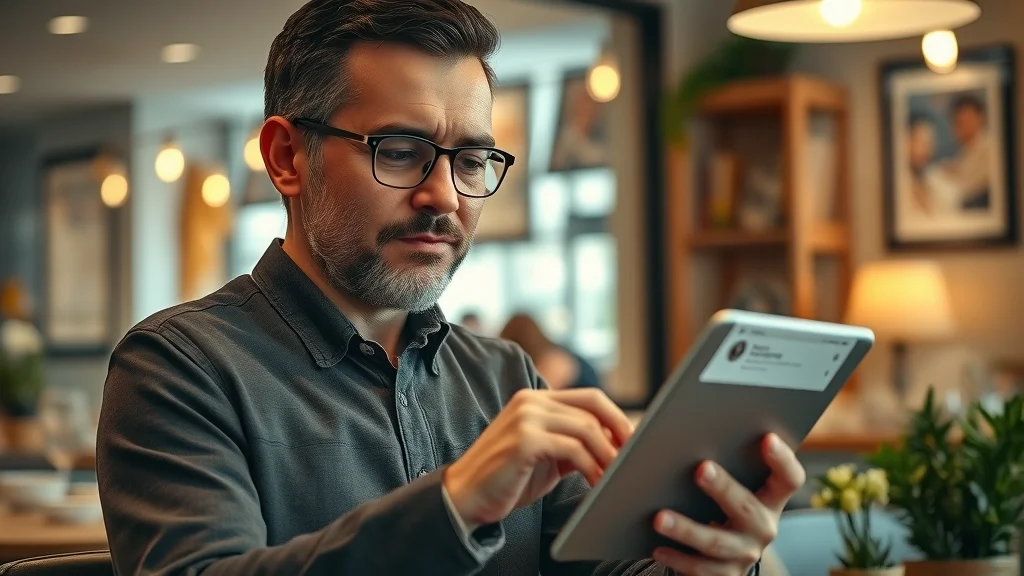
How Do Online Reviews Impact Restaurant Rankings and Search Results?
- The science behind online review and search engine rankings
- The importance of managing online reputation proactively
Search engines and review platforms place immense value on online reviews—for better or worse. The more recent, positive, and descriptive your restaurant reviews are, the higher you’re likely to rank when potential diners search for nearby options. Negative reviews, left unaddressed, drag down rankings and deter bookings. This is the science of reputation management: Google and Yelp algorithms reward active engagement and a steady flow of authentic customer feedback.
Proactively managing your online reputation is not just about crisis control—it’s about consistently collecting, sharing, and responding to customer review content. Ask satisfied guests to leave reviews, streamline your process for monitoring and responding, and promote testimonials on your social media platforms. The result: more trust, better search rankings, and a restaurant brand that stands out in crowded local listings.
Positive Reviews and the Art of Amplifying Good News
- Spotlighting positive online reviews for maximum reach
- Leveraging positive review testimonials in advertising
- How positive online reviews build loyal communities
When your restaurant reviews are glowing, amplify them! Share snippets of praise as eye-catching visuals or short videos. Feature customer testimonials in paid ads or highlight them in email newsletters. Building campaigns around positive online reviews not only boosts morale internally but deepens loyalty among your customers. People love to see their feedback acknowledged, and new diners are drawn to restaurants with consistent, enthusiastic endorsements.
The ripple effect is real: vibrant customer reviews and social media for restaurants content encourages even more diners to share their own experiences, building a community around your brand. With each new positive review, your restaurant’s story grows richer and more appealing—both online and at the table.

Lists: Top Social Media Campaigns that Leveraged Restaurant Reviews
-
5 Restaurant Chains that Succeeded with Social Media Reviews:
- Chipotle’s “Fan Stories” Instagram Series
- Starbucks’ Customer of the Week Features
- Pret A Manger’s Real Customer Testimonial Videos
- Shake Shack’s “Shack Fans” Twitter Shout-outs
- Sweetgreen’s “Share Your Bowl” Campaign
-
Creative Ways to Ask for Customer Reviews on Social Media:
- “Show Us Your Dish!” Photo Contests
- Video Testimonials Spotlight
- Hashtag Challenges with Rewards
- Guest of the Week Features for top reviewers
- Tag-to-Enter Monthly Giveaways
-
Checklist: Setting Up Your Review Collection Process
- Train staff to mention feedback collection at checkout
- Place “Leave Us a Review!” signs at tables/receipts
- Share review links in follow-up texts and emails
- Set up alerts for new online reviews
- Allocate time weekly to respond and share favorites
Maximizing Customer Data from Reviews and Social Media
- Segmenting your audience based on customer feedback
- Measuring satisfaction across different dining experiences
- Applying customer data insights to menu development and marketing
Analyzing customer data from online reviews and social listening can unlock new menu ideas, targeted marketing, and operational improvements. Segment your audience: identify frequent diners, visitors who love cocktails, or those raving about brunch. Track satisfaction by meal time or featured dish—was that seasonal salad a hit at lunch but missing from evening reviews? These insights enable better promotions, new menu items, and even smarter loyalty programs.
Smart restaurants use this customer feedback to guide everything: introducing limited-time dishes based on requests, tweaking service after recurring suggestions, or focusing advertising efforts on the most passionate customer segments. Every review is data—a direct window into what your customer wants next.

People Also Ask: How to Post Customer Reviews on Social Media?

Posting customer reviews on social media is all about authenticity and engagement. Select your most compelling, relevant feedback, pair it with great visuals, and ask for the reviewer’s permission if you’re including their name or photo. Thank the reviewer, tag them if possible, and use trending hashtags to increase reach. By highlighting diverse experiences across various platforms, you make your restaurant feel welcoming, responsive, and community-focused—three things today’s diners value most.
People Also Ask: How Does Social Media Help Restaurants?
Social media offers more than just exposure—it creates a direct line between your restaurant and its most enthusiastic fans. By sharing updates, responding to comments, and featuring customer reviews, you boost engagement and encourage repeat visits. Social channels help amplify special promotions, spotlight staff and guests, and facilitate quick communication. Ultimately, a strong social presence makes your restaurant a daily part of your followers’ world, pushing regulars to return and new diners to give you a try.
People Also Ask: How Do Online Reviews Impact Restaurant Rankings?
Online reviews are a critical factor in how high your restaurant appears in Google results and on popular review sites. Search engines favor restaurants with frequent, recent, and positive feedback. Managing your online reputation by collecting, responding to, and sharing reviews regularly helps drive better rankings, more customer trust, and ultimately increased foot traffic. A strategy centered on customer reviews and social media for restaurants is essential for sustained growth.
See quick expert tips on responding to all types of feedback—acknowledge praise, address concerns, and always follow up. Watch practical examples of how top restaurants turn every customer comment into a brand-building opportunity.
FAQs About Customer Reviews and Social Media for Restaurants
-
How can restaurants encourage more positive reviews?
Politely ask happy guests to share their experiences, make it easy with clear review links, and showcase positive feedback on your social media to inspire others. -
What is the best way to handle fake or spam online reviews?
Report fraudulent reviews to the platform, respond professionally to clarify facts, and address genuine concerns for transparency. -
Can responding to negative reviews publicly improve my restaurant’s credibility?
Absolutely. Thoughtful, solution-oriented replies show your commitment to customer satisfaction, earning respect from followers and potential diners alike. -
Are there automated tools to manage customer reviews on social media?
Yes—platforms like Hootsuite, Sprout Social, and Yelp for Business let you monitor and manage feedback efficiently, ensuring timely responses and data analysis. -
How often should I post customer feedback on my restaurant’s social media pages?
Aim for at least one customer story or testimonial a week, balanced with other content to keep your feed dynamic and relevant.
Key Takeaways: Mastering Customer Reviews and Social Media for Restaurants
- Building a strategy around customer reviews and social media unlocks significant growth
- Active management of online reviews boosts both brand image and search visibility
- Leveraging customer data and feedback transforms the dining experience and creates loyal communities
Ready to Transform Your Restaurant’s Online Reputation?
Take control of your customer reviews and social media for restaurants today—start listening, sharing, and engaging. Your next five-star dinner rush is one post away!
If you’re eager to keep building your restaurant’s success, don’t stop at mastering reviews and social media—explore how the latest business news and industry shifts can shape your strategy. Staying informed about broader trends can help you anticipate challenges, seize new opportunities, and adapt your marketing for long-term growth. For a comprehensive look at what’s driving small business innovation and resilience right now, visit Small Business Today’s business headlines. Let your next move be guided by both proven tactics and forward-thinking insights.





Write A Comment