

Are you sitting on a goldmine of social media followers but struggling to turn those digital thumbs-ups into real-life reservations? With the explosion of digital marketing, restaurants now have access to thousands of potential diners who have already expressed interest by following them online. But are you making the most of this powerful audience? It’s time to unleash the untapped potential of influencer marketing for restaurants—giving your tables the buzz and bookings they deserve. In this guide, discover how to shape your restaurant’s story, engage your target audience, and watch your social feeds transform into streams of new guests.
Are You Making the Most of Your Restaurant’s Social Media? The Untapped Power of Influencer Marketing for Restaurants
Many restaurants boast hundreds or even thousands of followers across social media platforms like Instagram, Facebook, and TikTok. Yet, for most restaurant brands, these followers remain passive—watching, liking, but rarely stepping through the doors. What if your next fully booked Friday night was already hiding in your existing follower list? Influencer marketing for restaurants bridges this digital-to-physical gap by collaborating with food influencers and content creators who inspire their loyal fans to take action. Unlike traditional marketing, influencer campaigns turn curated content and authentic stories into a powerful engine for brand awareness, foot traffic, and ultimately, reservations.
Those who follow your accounts do so for a reason—they’re genuinely interested in your dining experience, your specials, your brand, and what’s happening in your kitchen. By pairing this latent social media audience with engaging influencer content, you create a magnetic pull that gets your target audience off their screens and onto your tables. Rather than letting your social feeds gather dust, join the ranks of restaurant brands using influencer partnership strategies to hype up new menu items, show off unique experiences, and convert that digital presence into real dollars.
To further refine your approach and stay ahead in the competitive restaurant industry, it’s helpful to keep up with the latest business headlines and trends. For actionable insights that can complement your influencer marketing efforts, consider exploring current business news and strategies for small businesses—these updates can inform your next campaign and help you adapt to shifting market dynamics.
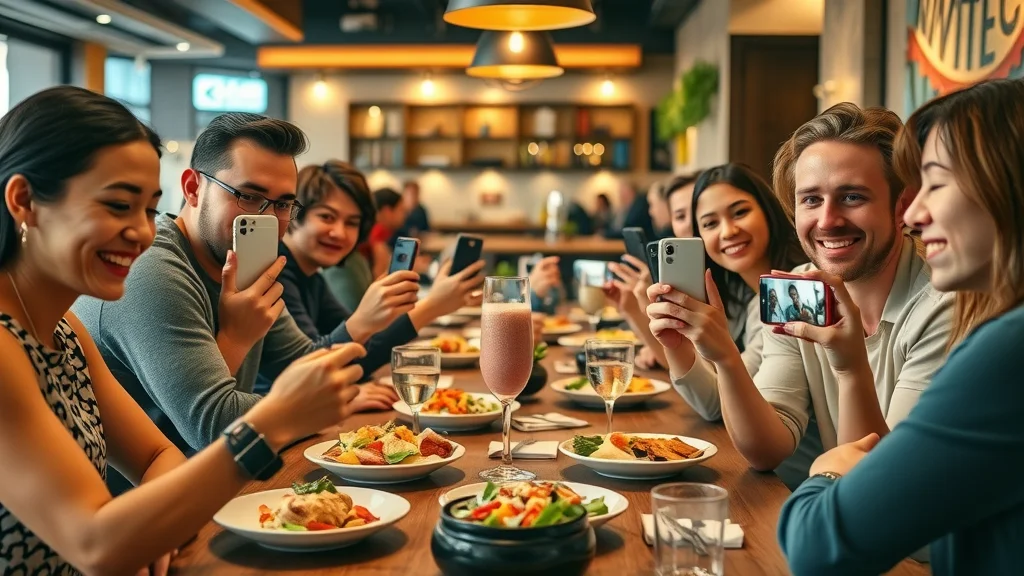
What You'll Learn About Influencer Marketing for Restaurants
- The basics and advanced strategies of influencer marketing for restaurants
- How restaurant brands can turn social followers into loyal diners
- Selecting and working with food influencers for maximum impact
- How to launch a successful influencer marketing campaign
- Key metrics to measure your marketing campaign’s effectiveness
Why Influence Matters: The Unique Potential of Influencer Marketing for Restaurants
Restaurants compete not just around the block, but across the entire digital landscape. The magic of influencer marketing for restaurants lies in its ability to make your brand stand out in a noisy world—by leveraging authentic content from trusted food influencer partners who already have your target audience’s attention. Whether you’re looking to boost a new menu item or get diners talking about your latest brunch, influencer marketing taps into storytelling that resonates and inspires.
Unlike paid ads or generic posts, influencer content feels personal and trustworthy—turning mere curiosity into bookings. Food influencers, especially local influencers, bring an authenticity that traditional restaurant marketing efforts often miss. With the power to ignite interest, create viral trends, and boost engagement rates, their partnership can result in rapid spikes in foot traffic and a steady stream of new diners. The right collaborations give your restaurant brand instant credibility, helping you reach potential customers who crave genuine experiences and memorable meals.
How Influencer Marketing Connects Restaurant Brands and Target Audiences
At its core, influencer marketing for restaurants is about connection—bridging the emotional gap between a digital audience and a real-world dining experience. Food influencers aren’t just content creators; they are trusted voices within niche communities. When matched with your restaurant’s message and menu, their posts, stories, and videos instantly humanize your brand, making every dish and ambiance feel like an invitation. By tapping into influencers whose followers align with your target audience, you increase the likelihood of conversions—from ‘likes’ online to reservations in your books. The authentic content crafted by these influencers often generates excitement and anticipation around your restaurant, resulting in not just one-time visitors but repeat customers who become your advocates. This symbiotic relationship transforms influencer content from simple exposure to a catalyst for long-term loyalty and engagement.
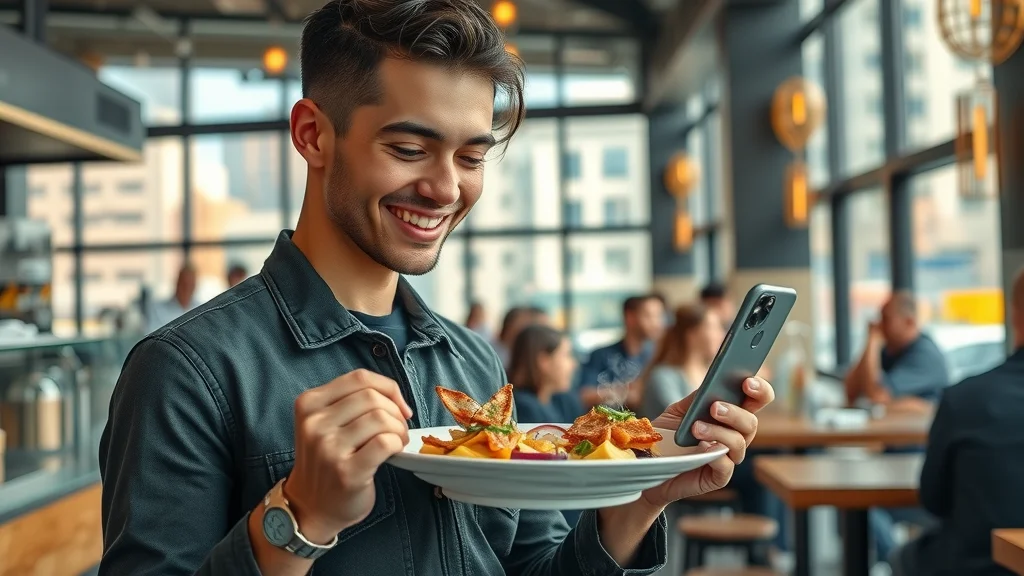
Maximizing Foot Traffic and Bookings through Food Influencer Collaborations
When executed thoughtfully, influencer collaborations can be a game changer for restaurant marketing. By partnering with food influencers who already have the trust of your ideal diners, your restaurant can launch campaigns that directly impact foot traffic and reservations. These content creators don’t just showcase pretty plates; they offer recommendations, create menu buzz, and generate hype through their stories, reels, and live sessions. Real-time interactions—such as giveaways, Q&A’s, or behind-the-scenes videos—spark genuine curiosity, prompting more followers to visit and experience your offering first-hand. In many cases, local influencers serve as powerful advocates who make your restaurant feel both aspirational and accessible. This approach is proven to fill tables, increase reviews, and outdo traditional marketing in converting digital attention to real earnings.
"With restaurant marketing shifting to digital, influencer content bridges the gap between online followers and real-life diners."
Influencer Marketing for Restaurants: How It Works and Why It’s Effective
Influencer marketing for restaurants is a multi-stage process that combines careful planning with creative execution. Unlike generic campaigns, the focus here is on finding the right voices and building meaningful partnerships. From goal-setting to analyzing results, every step of the journey is designed to create buzz, build brand awareness, and drive measurable growth in foot traffic and reservations. Let’s break down how this marketing strategy unfolds—and why authentic influencer content outperforms traditional ads.
Success begins with understanding not just what you want to promote—such as a new menu item or dining experience—but also who you want to reach. This means collaborating with food influencer partners whose followers mirror your target audience. By crafting a unique influencer campaign, you leverage their credibility and storytelling power, resulting in high-quality user-generated content that lives on social platforms and continues to drive bookings long after the campaign ends. For restaurants ready to invest in consumer-first marketing, these partnerships are essential for staying relevant and visible in a competitive market.
The Fundamentals of Influencer Marketing for Restaurants
Strong influencer marketing campaigns for restaurants rest on a foundation of strategy and clear communication. Start by defining clear goals—whether that’s boosting bookings, promoting a new menu item, or increasing brand awareness with potential customers in your local area. Next, identify which food influencers are the right fit. Are they aligned with your cuisine, values, and audience? Does their content style echo your restaurant’s messaging? Once you lock in your influencer partners, work collaboratively to create content that feels natural and true, not staged. Authenticity is what drives likes, shares, and ultimately, visits. The final (and often overlooked) step is tracking performance: monitor metrics like reservations, foot traffic, and online engagement so you can refine future campaigns and achieve lasting success.
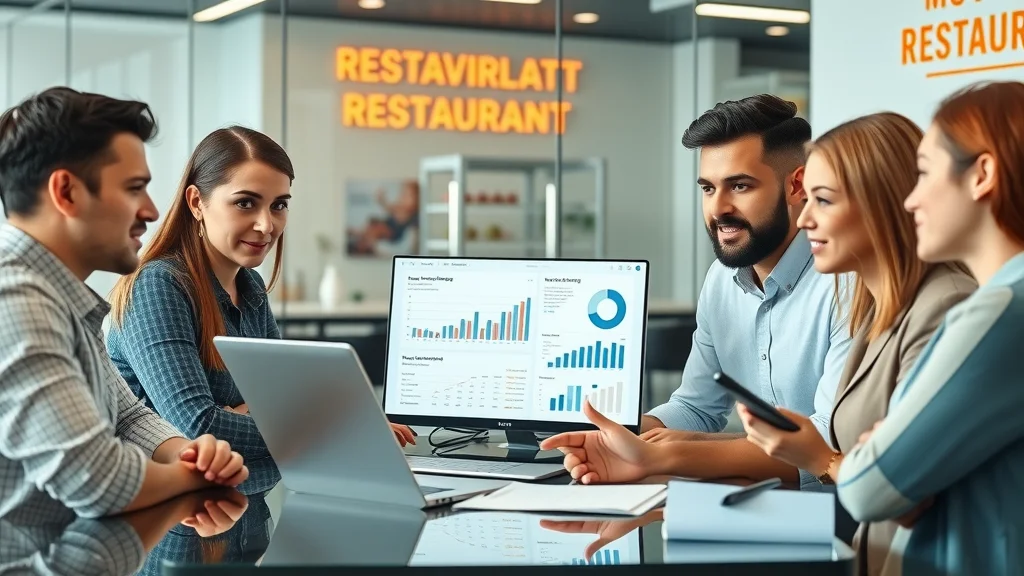
Influencer Marketing Campaign Stages: From Planning to Execution
Successful influencer marketing campaigns for restaurants progress through a few critical stages. First, set your clear goals: Are you aiming to introduce a signature menu item, fill tables on a slow night, or expand your brand’s reach? With your goals defined, focus on influencer selection—research content creators (especially food influencers and local influencers) whose followers echo your target audience. Build your campaign plan around collaborative content creation. Encourage natural, relatable stories—Instagram stories, reviews, or dining experiences that don’t feel overly polished. Once the influencer content goes live, track performance by analyzing bookings, foot traffic, and engagement rates. This full-cycle approach ensures your influencer partnership is more than a one-time event: it’s a repeatable marketing strategy that scales as your brand grows.
| Stage | Action Item | Main Keyword Integration |
|---|---|---|
| Goal Setting | Define clear goals for campaign | influencer marketing for restaurants |
| Influencer Selection | Identify relevant food influencers | food influencer, influencer campaign |
| Campaign Execution | Launch influencer content posting | influencer content, restaurant marketing |
| Analysis | Track metrics: bookings, foot traffic | marketing campaign, target audience |
Why Restaurant Brands Benefit from Authentic Content and Food Influencer Partnerships
The heart of any successful influencer marketing campaign for restaurants is authenticity. Diners crave real stories, honest recommendations, and relatable experiences—not soulless ads. That’s why partnering with food influencers who naturally embody your brand’s spirit is so powerful. They know how to craft influencer content that doesn’t just show off a beautiful plate but invites followers to imagine themselves at your table. With every post, comment, and shared video, your restaurant gains credibility, visibility, and a tidal wave of user-generated content that reinforces your reputation. Restaurant brands that prioritize authentic influencer collaboration see higher engagement rates, more organic reach, and ultimately, greater foot traffic and loyal customers who come back for more.
Building an Influencer Marketing Campaign for Restaurants: Step-by-Step Guide
- Establish your clear goals for influencer marketing for restaurants
- Research and identify top food influencers aligned with your menu items
- Tailor campaigns to reach your target audience and boost foot traffic
- Collaborate on authentic content creation for your restaurant marketing
- Monitor metrics to measure campaign success and adjust strategy
Ready to launch a high-impact marketing strategy? Begin by outlining your desired outcomes: Are you looking to sell out a menu item, raise brand awareness, or attract a specific demographic? Next, research food influencers and content creators who are passionate about your culinary style and have established trust with your target audience. Design your campaign so every influencer content piece feels natural, creative, and engaging, whether that means a “behind-the-scenes” story, a review, or a special offer for their followers. Don’t forget to track key metrics—foot traffic, bookings, social engagement—so you can optimize marketing efforts and maximize return on investment. By following these steps, restaurant owners can see measurable results and build a community that extends far beyond their walls.
Crafting Campaigns that Resonate with Your Target Audience
Your restaurant marketing message must feel tailored—not generic. Campaigns that speak directly to what your target audience loves will dramatically improve your outcomes. Research what resonates: Do your ideal diners value sustainability, exclusivity, or adventurous flavors in a menu item? Share these values with your food influencer partners so their posts genuinely fit your brand. This alignment translates to authentic content that inspires not only digital engagement but real-life visits and bookings. Plus, the more closely your influencer’s content style matches your restaurant’s vibe, the easier it is to convert online buzz into full tables.
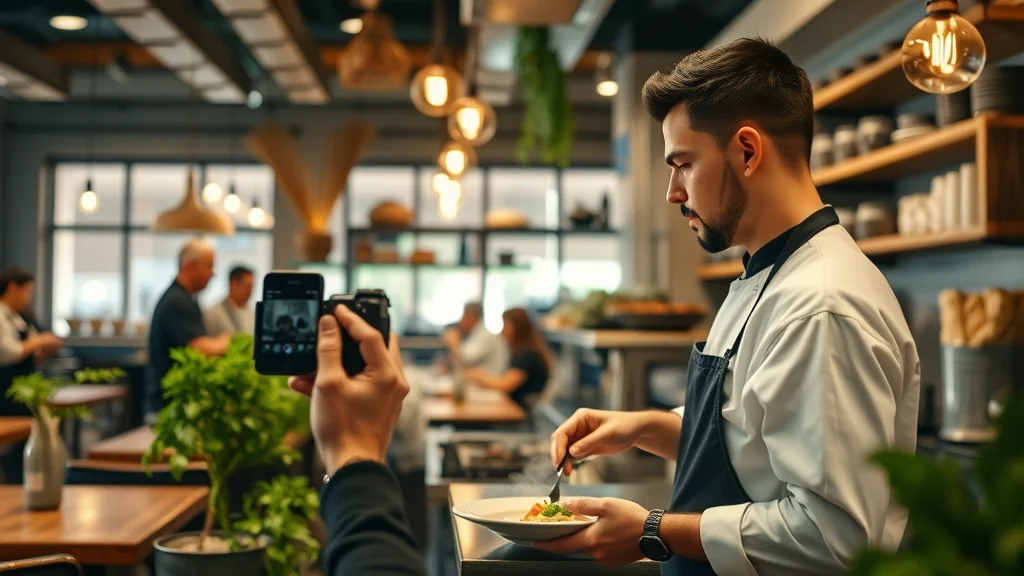
Authentic Content Is Key: Encouraging Natural Food Influencer Stories
Restaurant brands see the most significant impact when influencers are given creative freedom to tell real, unscripted stories. Invite your influencer partners to share honest reviews, behind-the-scenes peeks at your kitchen, or spontaneous moments of delight when tasting a new menu item. The authenticity in these posts builds credibility, deepens engagement, and moves your ideal customers from observers to loyal advocates. Remember, today’s consumer is savvy—they spot overly promotional influencer content in an instant. Encourage genuine experiences and let your restaurant’s personality shine through influencer collaborations for maximum marketing campaign impact.
Promoting Menu Items and Driving Bookings Through Creative Collaborations
A well-timed influencer review or an engaging “Instagram Stories” feature can turn a single menu item into the talk of the town. Creative influencer content—like challenges, special promos, or exclusive tasting nights—creates urgency and buzz, filling tables during off-peak hours or spotlighting seasonal specialties. Work hand in hand with your influencer partners to brainstorm ideas that make dining at your restaurant irresistible. These collaborations are especially powerful for promoting limited-time offers or new experiences, instantly gratifying followers’ desire for the “next big thing” in your local restaurant scene.
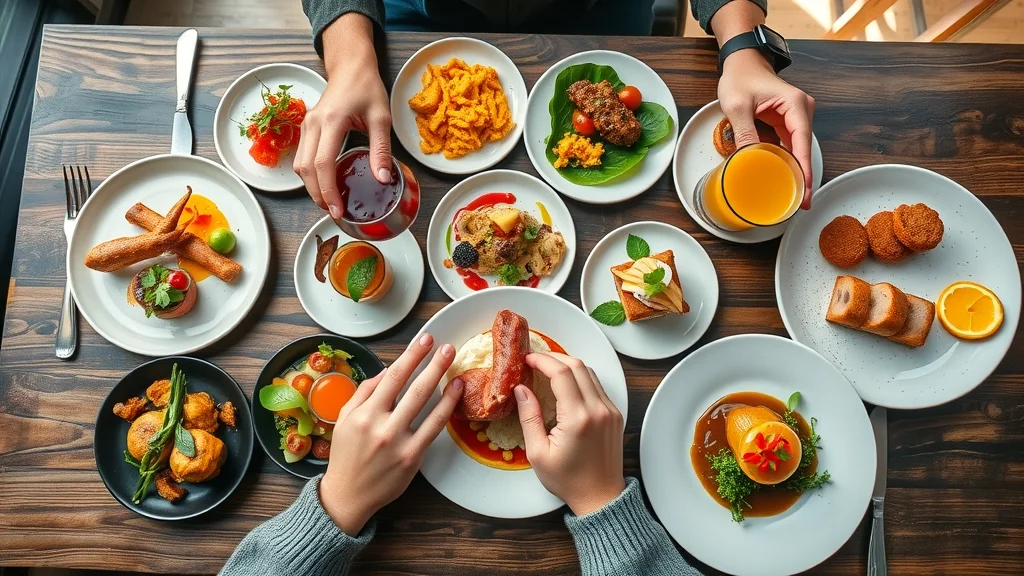
Choosing the Right Food Influencer for Your Restaurant Brand

Qualities to Look for in Food Influencer Partners
Not all food influencers are created equal—especially when it comes to driving real results for restaurant marketing. Start by evaluating their engagement rate (likes, comments, shares), not just their follower count. Do they interact with their audience genuinely? Does their content inspire trust and real conversations? Look for influencer partners who align with your brand’s values, aesthetic, and customer base. Micro-influencers, particularly local influencers, often yield higher ROI than large-scale celebrities, because their followers are genuinely interested and likely nearby. A great food influencer feels like an extension of your team, championing your dining experience and making each post feel like a personal recommendation.
Matching Influencer Content Style to Your Restaurant Marketing Message
It’s critical to match an influencer’s storytelling style with your restaurant’s unique marketing narrative. If your restaurant embodies casual fun, find content creators who use humor and relaxed visuals. For upscale dining, seek out influencers with refined, elegant feeds that showcase sophisticated imagery. Alignment here ensures every influencer content piece feels like a seamless part of your overall marketing campaign, building consistent brand awareness and trust. Don’t shy away from giving creative direction but let the influencer’s personality lead for natural, compelling posts that resonate with your target audience.
"The best influencer for your restaurant is someone whose audience already craves what you serve."
Avoiding Common Mistakes in Restaurant Influencer Campaigns
A frequent pitfall in influencer marketing for restaurants is prioritizing follower count over engagement and local relevance. Restaurants sometimes select big-name influencers who produce beautiful content but whose followers are scattered across the globe—not likely to book a table tonight. Another mistake is scripting every detail, leading to posts that feel inauthentic and turn off both the influencer’s audience and potential customers. Ensure your influencer partnership feels organic, aligns with clear goals, and always prioritizes authenticity and actual fit. Lastly, always track and learn from each influencer campaign; your future campaigns depend on measured analysis and ongoing refinement.
Tracking Success: Measuring the Impact of Influencer Marketing for Restaurants
Launching an influencer marketing campaign is just the first step. To ensure your marketing efforts are profitable, you must track key metrics—converting influencer content into measurable outcomes. Focus on the data that matters: foot traffic, new bookings, social engagement, and return on investment (ROI). Utilize reservation software, point-of-sale data, and analytics dashboards to monitor spikes in customer activity immediately following influencer campaigns. By reviewing this information regularly, restaurant brands can detect which collaborations perform best, how menu items resonate, and how their influencer strategies drive real-world results with their target audience.

Monitoring Foot Traffic, Bookings, and ROI from Marketing Campaigns
You can’t manage what you don’t measure. After each influencer campaign, review reservation data, foot traffic patterns, and the online engagement boost you received. These metrics tell you not just whether your influencer partners attracted clicks and attention, but whether they enticed guests to walk in the door. Social listening tools and booking software help restaurant owners see which menu items and campaigns created the biggest buzz and to forecast their future campaigns accordingly. Always make data-driven decisions to strengthen your influencer partnership strategy and secure even better results with every marketing campaign.
Using Data to Refine Your Influencer Marketing Strategy
Data is your best friend for ongoing restaurant marketing success. Analyze each campaign’s results by comparing bookings before and after launch, tracking how long increased foot traffic lasts, and measuring the depth of social media engagement. Did a particular food influencer’s video drive more group reservations or spotlight a new menu item? Use these learnings to zero in on the types of influencer content, partners, and campaign structures that best serve your business objectives. This iterative approach guarantees your influencer marketing strategy becomes smarter and more effective over time.
| Metric | Why It Matters | Example Tool |
|---|---|---|
| Bookings Generated | Direct measure of campaign success | Reservation Platform |
| Social Engagement | Gauge target audience interest | Analytics Dashboard |
| Foot Traffic | Shows in-person conversion | POS Data |
Powerful Examples: Influencer Marketing Campaigns That Boosted Restaurant Brands
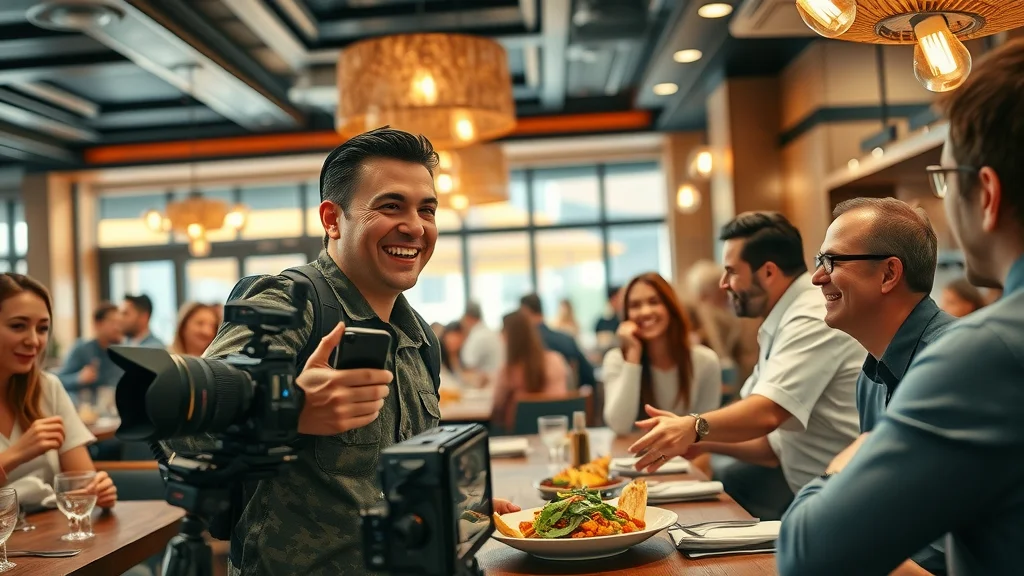
- How a food influencer created viral buzz for a menu item
- Restaurant brands that filled tables through influencer content
- Restaurants that increased reservations with a single campaign
Some restaurants have seen a single food influencer collaboration generate months of buzz and reservations. For example, a mid-sized Italian bistro saw its new dessert menu item go viral when a local influencer posted an enthusiastic review—resulting in a 30% jump in weekend reservations. Another restaurant brand partnered with several micro-influencers, driving sustained foot traffic and repeat business throughout a season. These real-life examples confirm the power of targeted, authentic influencer marketing for restaurants in today’s social-first landscape.
B-roll and interview footage showing a food influencer collaborating with a restaurant team: watch social media posting in action, guests arriving, influencer capturing stories, and teams reviewing analytics together. Experience the human side of influencer marketing for restaurants—from kitchen to full dining room and beyond.
See how top restaurant brands partner with popular food influencers to craft authentic content, reach new diners, and boost bookings with creative marketing campaigns.
People Also Ask: Influencer Marketing for Restaurants
What is influencer marketing for restaurants?
Influencer marketing for restaurants involves collaborating with food influencers to promote restaurant brands, menu items, and experiences to their followers, driving foot traffic and bookings, and increasing online engagement.
How do restaurants choose the right influencer for their marketing campaign?
Restaurants choose the right food influencer by analyzing audience alignment, engagement rates, content style, and relevance to their brand message—to ensure authentic content resonates with their target audience.
Frequently Asked Questions About Influencer Marketing for Restaurants
-
How much does an influencer campaign cost for restaurant marketing?
Costs range widely based on influencer reach, content types, and campaign length. Micro-influencers may charge $100-$500 per post, while larger influencer promotions can cost $1,000 or more. Consider offering a combination of payment and complimentary dining experiences to maximize authenticity and ROI. -
What platforms are most effective for influencer content?
Instagram and TikTok dominate the visual storytelling space for food influencers, but Facebook and YouTube can also be valuable for longer-form content. Choose platforms where your target audience spends their time and where influencer partners already have strong engagement. -
Should restaurant brands use micro-influencers or celebrities?
Micro-influencers (those with 5,000–50,000 engaged followers) often deliver better local impact, higher engagement, and more authentic content for restaurant campaigns. Celebrities can bring attention but may lack relevance or connection with your core dining audience. -
How can you measure success in influencer marketing for restaurants?
Track bookings generated, foot traffic, social media engagement, and ROI using reservation software, point-of-sale data, and analytics dashboards. Compare metrics before, during, and after campaigns to measure impact—and always refine future campaigns based on these insights.
Key Takeaways—Maximize Your Restaurant’s Influence and Bookings
- Unlock hidden value in your social media audience
- Select food influencers whose content inspires booking
- Set clear goals and track marketing campaign success
- Prioritize authentic content to engage your target audience
Ready to Elevate Your Restaurant? Start Your Influencer Marketing for Restaurants Campaign Today
Don’t let your social media followers go to waste—harness the power of influencer marketing for restaurants, turn online attention into reservations, and enjoy a full house every night of the week!
If you’re inspired to take your restaurant’s marketing to the next level, remember that staying informed about broader business trends can give you a strategic edge. By regularly reviewing essential updates and expert perspectives for small businesses, you’ll be better equipped to adapt your influencer campaigns and overall marketing strategy. The restaurant industry is always evolving, and those who combine creative tactics with up-to-date business intelligence are best positioned for long-term growth. Explore new opportunities, refine your approach, and keep your brand at the forefront of both digital and in-person dining experiences.





Write A Comment