

Did you know that a well-crafted call to action can increase conversion rates by up to 80%? In the competitive world of landscaping, small website tweaks and smart design elements can mean the difference between a casual visitor and a high-value client. If you want to transform your site visitors into loyal customers, your call to action design isn’t just important—it’s essential. This listicle breaks down the most effective strategies to supercharge your landscaping leads right now.
“A well-crafted call to action can increase conversion rates by up to 80%.” — Digital Marketing Institute
Startling Statistics: Why Call to Action Design Matters in Landscaping
Landscaping businesses often spend thousands on web design, paid traffic, and social media—yet overlook the pivotal role of call to action design. According to recent studies, visitors form an impression of your landing page within 50 milliseconds, and clear cta button placement can raise conversions by up to 200%. When landscaping sites optimize their CTAs—whether via bold action words or tailored color choices—they see double-digit increases in form submissions and brochure downloads. Conversion rates soar not only because users recognize what to do next but also because they feel guided, not pressured, into taking action.
It’s no coincidence that major industry leaders, from national landscaping chains to local firms, continually test and tweak their calls to action. Whether you’re showcasing a new garden portfolio, requesting a quote, or running Facebook ad campaigns, thoughtful call to action design creates a natural flow from browsing to booking. This article breaks down the top 10 practical strategies for boosting leads, based on data-backed examples and real-world results.
What You'll Learn About Effective Call to Action Design
- The fundamentals of call to action design
- Top actionable strategies to boost landscaping leads
- Examples of high-performing CTAs
- How to blend cta button design, copy, and placement for maximum impact
- Practical insights for social media and facebook ad campaigns
Table: Call to Action Design Elements Ranked by Conversion Effectiveness
| Element | Description | Impact | Example |
|---|---|---|---|
| Button Color | Colors that contrast with site design draw attention | High | Bright green CTA on a neutral white background |
| Placement | Position above the fold and near key content | High | Contact button in header, or after service intro |
| Action Word Usage | Direct, bold verbs inspire users to act | Very High | “Get My Free Quote” |
| Sense of Urgency | Time-sensitive language boosts response | Medium-High | “Limited Time: Book Today” |
| Personalization | Dynamic text based on user type or behavior | High | “Transform Your Garden – Contact Our Team” |
1. Use Bold Action Words in Your Call to Action Design
Why Action Words Increase Landscaping Lead Conversions
The power of language in call to action design cannot be overstated. Action words such as “Book,” “Get,” “Start,” or “Discover” command attention and make it clear exactly what you want users to do. Unlike generic prompts like “Submit” or “Click Here,” these verbs trigger a sense of progress and opportunity, crucial in landscaping where customers may hesitate before reaching out or scheduling a consultation. In web design, clear, strong CTA copy ensures site visitors instinctively understand the next best step—whether it’s scheduling an estimate, viewing a project gallery, or requesting a free trial.
Integration of action-driven phrases into your cta button copy leads to measurable improvements in lead flow. For instance, a landscaping site might replace a vague “Contact Us” button with “Get My Free Quote”—a small tweak with big results. These direct verbs align with user behavior, lowering mental barriers and making the path to conversion as obvious as possible. By using bold, actionable language, landscaping brands encourage users to sign up, request services, or download a brochure without second-guessing.
- Examples: Book, Get, Start, Discover
- Integration into cta button copy

For landscaping businesses looking to further refine their digital presence, exploring the latest industry headlines and actionable business tips can provide valuable context for your CTA strategies. You can stay updated on trends and practical advice by visiting Small Business Today’s business headlines, which often feature insights relevant to service-based companies.
2. Create a Sense of Urgency in Every Call to Action
How a Sense of Urgency Drives Action in Landscaping CTAs
A core pillar of call to action design is urgency. When users feel an opportunity might vanish soon, they’re more likely to act—this is the essence of conversion psychology. Language like “Today,” “Now,” “Limited Spots,” or “Ends Soon” nudges potential clients to move out of research mode and into engagement. Landscaping services in particular benefit from urgency because project timelines, weather, and seasonal offers fuel decisive action. A well-timed limited offer or “free trial” can dramatically boost the conversion rate for a cta button.
Think of a blog post promoting a spring clean-up: by adding “Book Your Spot—Offer Ends This Friday,” you tap into a visitor’s fear of missing out. Urgency phrases are most effective when combined with other drivers, such as a free consultation or bonus add-ons for fast responders. Ultimately, creating a sense of urgency doesn’t just boost form completions—it keeps your landscaping brand top of mind during the busy seasons when site visitors compare providers and need a reason to choose you now.
"Limited time offers create an immediate need to engage. That’s conversion psychology at work."
- Phrases: Today, Now, Limited Spots, Ends Soon
3. Design Visually Compelling CTA Buttons for Landscaping Sites
The Power of Contrast and Placement in Call to Action Design
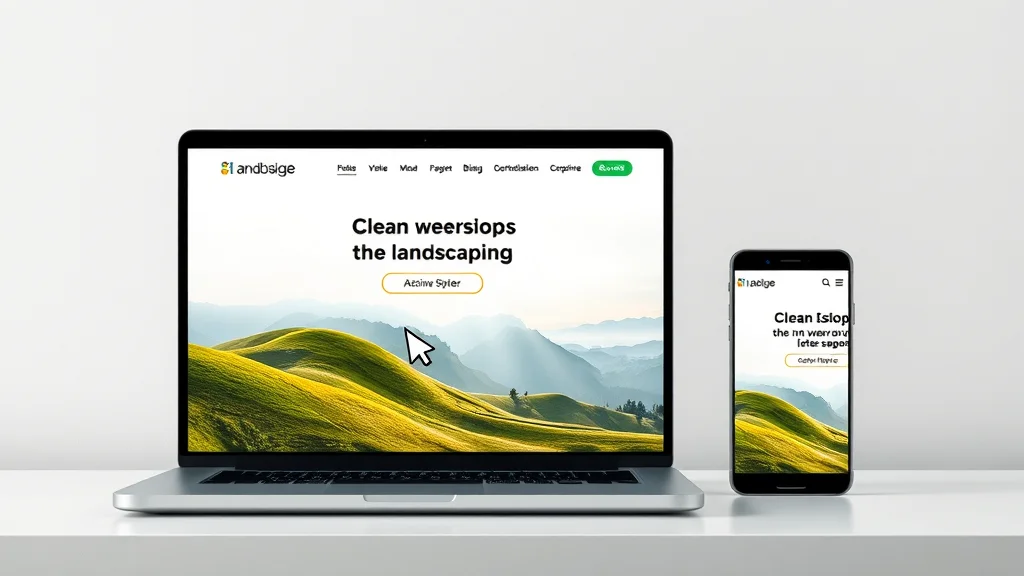
Your cta button may feature perfect language, but without visual impact, it risks being invisible. Contrast draws the viewer’s eye—think of a vibrant orange or green button set against a lush garden photo or a neutral web design palette. According to user experience research, high-contrast buttons improve click volume and reduce confusion, directly influencing desired action completion. Placement also matters: situate the main call to action above the fold or after key service details to ensure it’s always visible as users scroll.
Leveraging color psychology in button selection helps the button stand out while matching your landscaping brand’s identity. Green often signals “growth” or “natural,” while blues evoke trust—choose what aligns with your audience. Also, test designs on mobile and desktop to ensure your CTA options are easily tappable, don’t get lost on small screens, and pop against any background image. The best sites maintain a consistent CTA style while adapting contrast for different layouts—ultimately making every call to action stand out and inviting more taking action.
- Color psychology in cta button selection
- Making your call to action stand out on all devices
4. Personalize Calls to Action for Target Demographics
Adapting Call to Action Design for Residential vs. Commercial Landscaping Clients
Personalization is increasingly vital in call to action design, especially in industries like landscaping where client needs differ vastly between homeowners and commercial property managers. Using dynamic cta button copy or tailored landing pages, you can speak directly to your target audience. For residential visitors, feature CTAs like “Make Your Backyard Shine—Book Now!”; for commercial leads, try “Schedule a Commercial Landscaping Assessment. ” This segmentation leads to a higher conversion rate and more effective CTAs overall.
Successful brands use data from user input—whether form fields, browsing history, or previous site activity—to deliver the most relevant CTA options possible. Personalized landing page buttons not only feel more welcoming but drastically increase the likelihood of form submission or inquiry. For example, Stitch Fix’s legendary dynamic prompts inspire site visitors to start their free trial; landscaping companies can mirror this tactic by offering “Get Your Custom Landscaping Plan” after a quiz or walkthrough. Adapt, test, and refine these identifiers to boost lead volume and user satisfaction at every step of the customer journey.
- Dynamic copy based on user input
- Personalized landing page cta options

5. Test and Optimize Your Call to Action Design
A/B Testing Various CTA Options on Your Website
Continuous testing and optimization are key for sustaining high performance in call to action design. A/B testing different CTA options—changing copy, color, placement, or even button shape—provides data on what resonates with your site visitors. Track crucial metrics like click-through rate, form completion, bounce rate, and overall conversion rate. Smart iterative testing can reveal surprising insights, such as a “Schedule Your Lawn Consultation” button outperforming a more generic “Contact Us” version by 30% or more.
Tools like Google Optimize or built-in site analytics help you measure real-time user behavior and adjust rapidly. Remember, the goal is not just aesthetic improvement, but a data-driven increase in landscaping leads. By regularly swapping CTA variants, refining your language, and adjusting visual cues, you create a living, evolving landing page that adapts to seasonal patterns, shifting user intent, and new marketing campaigns.
- Metrics to track call to action performance
- Iterative testing for improvement
6. Showcase Social Proof Within Your Call to Action
Incorporating Testimonials and Ratings Next to Call to Action Buttons
Trust is a decisive factor for new landscaping clients. Incorporating social proof directly into your call to action design supercharges conversion rates, particularly when site visitors are deciding between similar providers. Displaying star ratings, trust badges, or client testimonials beside your cta button reassures users that others have taken the same step and achieved positive outcomes.
For landscaping brands, even a brief quote—“Our yard looks amazing! 5 stars”—paired with a prominent action button can tip hesitant prospects into taking action. Consider integrating social proof in landing pages, email marketing, and along the customer journey for maximum effect. Including trust-building design elements not only boosts engagement but gives your brand extra credibility in a competitive marketplace.
- Examples: Trust badges, star ratings, quotes

7. Convert More With Strategic CTAs in Facebook Ads
Facebook Ad Call to Action Design Best Practices
A winning call to action design isn’t limited to your website—your Facebook ad strategy can also make or break your lead generation efforts. Facebook Ad CTAs should be concise, visually bold, and placed where the eye naturally falls, such as below compelling service photos. Choose CTA buttons that match the landscaping client’s stage of decision-making: “Learn More” for awareness, or “Book Now” for ready-to-engage site visitors. The right CTA language can dramatically boost your ad’s click-through and conversion rates.
To optimize response, test various cta button versions (such as “Get My Free Estimate” vs. “Request Service Today”) directly within Facebook’s ad platform. Review metrics for each campaign, paying close attention to engagement and cost per lead. By carefully refining both visuals and CTA copy, you strengthen your message across all platforms and cultivate a more compelling brand presence.
- Optimized call to action placement in facebook ad layouts
- Choosing a cta button that matches landscaping clients’ needs
8. Make the Most of CTAs in Landscaping Social Media Campaigns
How to Influence Landscaping Leads via Social Media Calls to Action
Social media platforms like Instagram and Facebook aren’t just for showcasing stunning yards—they’re also prime channels for call to action design innovation. Using features like story highlights, swipe-up links, or visual stickers, landscaping brands can guide users to booking pages, photo galleries, or direct messaging in just a tap. Visual cues—such as bold on-brand colors, arrows, or animated icons—amplify CTA buttons, making interaction feel both natural and urgent for site visitors.
For maximum impact, keep both the CTA language and design consistent across posts, stories, and highlights. Examples include “See Before & Afters—Swipe Up!” or “Message Now for a Free Quote. ” By adapting your cta options to each platform’s unique format, you nurture continued engagement, turning casual followers into real leads. These social strategies work hand-in-hand with your main web design, reinforcing key offers and amplifying your conversions via omnichannel influence.
- Using story highlights and swipe-up features
- Visual call to action design elements for Instagram and Facebook
9. Feature Effective Call to Action Examples from Leading Landscaping Brands
Case Studies: Action Examples That Delivered Results
To transform your own call to action design, study proven approaches from landscaping’s top performers. For example, firms inspired by Stitch Fix—known for conversion-focused web design—offer personalized quizzes and dynamic CTA prompts, like “Start Your Free Trial” or “Get Matched With Your Designer. ” Meanwhile, national and local landscaping chains regularly feature successful action examples such as: “Unlock a Free Lawn Analysis,” “See Our Award-Winning Projects,” and “Get a Custom Quote—Limited Time Offer. ”
A key lesson from these leaders is versatility. High-converting brands routinely update their CTA options based on season, campaign, or service tier, then test results via A/B experiments. Local companies find success by aligning CTAs with weather, holiday, or neighborhood events—like “Book Spring Cleanup—Few Spots Left!” or “Transform Your Curb Appeal—Schedule Today. ” These action examples demonstrate the power of strategic, context-aware calls to action, no matter your market size.
- Examples from Stitch Fix, national landscaping chains, and local companies
10. Try Multiple CTA Options for Broader Engagement
Innovative Call to Action Design for Different Customer Journey Stages
One size rarely fits all in call to action design. The most successful landscaping companies deploy a mix of CTA options tailored to every stage of the customer journey. Early on, offer lead magnets (“Download Our Garden Planning Guide”), then move to conversion CTAs (“Request a Free Estimate”, “Start Your Design Consultation”). For repeat engagement, suggest email sign-ups or exclusive member offers. This layering of options boosts overall performance and expands your potential customer base.
Beyond buttons, experiment with in-page mini-CTAs (“See Project Portfolio”), exit pop-ups, chatbots, and seasonal banners. Segment CTAs by device, traffic source, or user type for even more precision, ensuring every site visitor receives a prompt suited to their current interest and readiness. The more strategically you present your desired actions, the more likely you’ll increase both engagement and closed landscaping leads over time.
- Lead magnets, email signup CTAs, request a quote options
People Also Ask: What is a call to action design?
Answer: Call to action design refers to the visual and textual elements used to prompt users to take a specific action, such as contacting a business, filling out a form, or making a purchase. Effective call to action design uses color, placement, compelling language, and urgency to guide users toward conversion.
People Also Ask: What is an example of a call to action?
Answer: An example of a call to action is a styled button on a landscaping website that says, "Request a Free Consultation Today!" This combines action words, urgency, and a clear value offering.
People Also Ask: What is an example of a good CTAs?
Answer: A good CTA for a landscaping business could be: "Transform Your Yard—Get a Free Quote Now!" It offers a benefit, uses direct action words, and provides a simple next step.
People Also Ask: What are good CTAs?
Answer: Good CTAs are clear, concise, and action-oriented. Examples include: "Book Your Free Estimate," "Schedule A Lawn Assessment," "See Our Portfolio," and "Get Started Today."
FAQs: Call to Action Design for Landscaping
-
How often should I update my call to action design?
Review and update your CTA design every 3–6 months, or whenever you launch a new offer or observe changes in conversion rates. Regular testing ensures performance remains high. -
Is there a best color for a cta button in landscaping?
While green and orange are popular for their strong contrast and positive associations, the ideal choice depends on your brand palette and site design. Test several colors to see which performs best with your audience. -
Where should a call to action appear on my website?
Place your primary CTA “above the fold” so it’s visible immediately, and repeat it after main sections, in the footer, or on sticky mobile bars for best results. -
Do video CTAs perform better than static CTAs?
Video CTAs often outperform static versions, especially when they use motion, voice, or animation to attract attention. However, always test with your actual audience to determine what works best for your landscaping services.
Key Takeaways: Mastering Call to Action Design for Landscaping Leads
- Effective call to action design can dramatically boost landscaping leads
- Bold action words, strong visuals, and urgency are crucial
- Continuous testing and personalization lead to continual improvement
- Social proof and strategic social media usage amplify results
Conclusion: Take the Next Step With Strategic Call to Action Design
Take these data-driven tips and transform your call to action design—it’s the simplest way to maximize landscaping leads and grow your business starting today!
Ready to increase your landscaping leads with powerful call to action design? Contact our specialists for a free CTA audit today!
If you’re eager to keep your competitive edge and stay ahead of the curve, don’t stop here. The world of small business is constantly evolving, and understanding the latest trends can help you refine not just your CTAs, but your entire marketing approach. For broader strategies, industry news, and expert perspectives that can elevate your landscaping business, explore the resources and updates available at Small Business Today. Unlock new insights and discover how leading businesses are adapting their tactics for lasting growth.





Write A Comment