Add Row
Add Element
Small Business Today
UPDATE
Add Element
  • Home
  • Categories
    • Small Business News
    • Business Headlines
    • Small Business Trends
    • Automotive Industry News
    • Restaurant News
    • Dental Practice Marketing
    • Auto Repair Marketing
    • Roofing Contractor Marketing
    • Salon & Spa News
    • Lawn & Landscape Marketing
    • Plumbing & HVAC Contractor News
    • Featured Businesses
February 17.2026
1 Minute Read

Avoid These Facebook Ads Mistakes For Beauty Businesses

Are you unknowingly wasting your ad spend with Facebook ads for beauty businesses? The truth is, even the most creative beauty brands and top beauty salons can struggle with Facebook advertising missteps that drain budgets and weaken results. With shifting algorithms, crowded news feeds, and ever-evolving trends, a single overlooked detail or misguided strategy could be costing your beauty business thousands in missed opportunities. In this guide, we’ll unpack the most common Facebook Ads mistakes beauty businesses make and—more importantly—show you exactly how to get better results without blowing your budget.
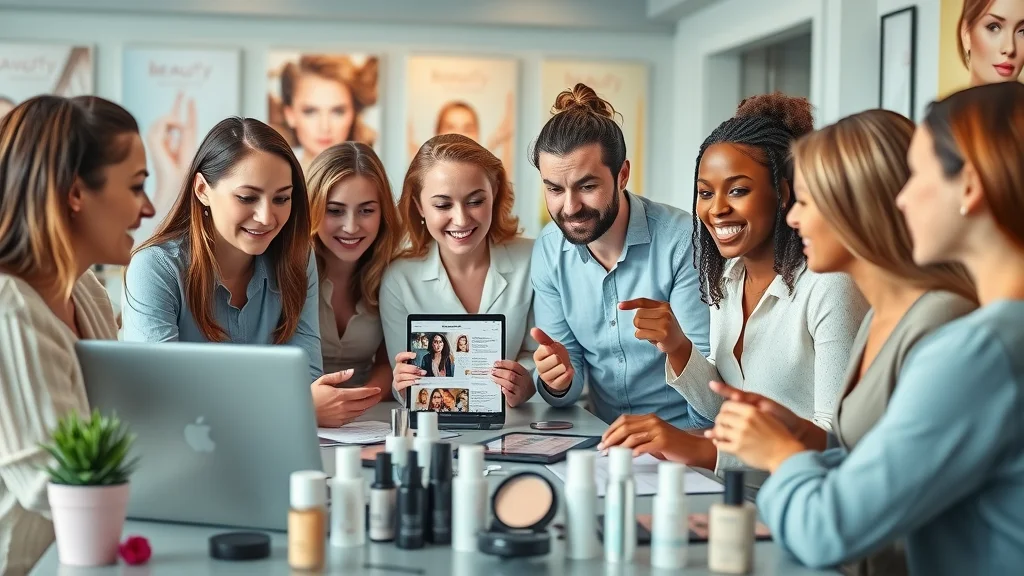
beauty business team analyzing facebook ads on laptop and tablet in modern salon workspace, vibrant and focused, with branding and beauty products in background

Are Your Facebook Ads for Beauty Businesses Costing You More Than You Realize?

Beauty business owners—whether running a bustling beauty salon or an innovative skincare brand—often pour money into Facebook ads, expecting rapid returns and a surge in client bookings or product sales. Yet, many underestimate how easily costs spiral when Facebook ads for beauty businesses are not airtight. High ad spend alone doesn’t guarantee new beauty clients or product sales. The real cost comes from missed conversions, weak targeting, and unoptimized landing pages, all of which quietly erode ROI over time.

The impact is substantial: poorly optimized Facebook ads can lead to high cost-per-click, low conversion rates, and disappointing campaign results. Conversely, when you tap into Facebook advertising’s powerful targeting and creative tools, you’ll find more clients eager to try your beauty products or salon services—without overspending. By recognizing and correcting key mistakes, beauty businesses can make every advertising dollar work harder, turning Facebook ads from a risky experiment into a cornerstone of growth for their beauty brands and salons.

Unlocking the Potential of Facebook Ads for Beauty Brands and Salons

Facebook and Instagram offer a goldmine for beauty businesses ready to stand out. Their platforms reach billions, making it possible for a local beauty salon or up-and-coming beauty brand to attract attention from targeted audiences. But unlocking this potential requires more than a “boosted post” or a generic carousel ad for beauty products. Understanding audience behavior, ad formats, and creative storytelling are essential for any brand hoping to compete in the ever-growing beauty market.

Success in Facebook ads for beauty businesses hinges on connecting with your audience’s desires and pain points, then guiding them seamlessly from ad click to purchase or booking. Mastering targeting capabilities, utilizing retargeting, and integrating both Facebook and Instagram ad campaigns foster not just clicks but genuine engagement and repeat customers—creating a sustainable growth engine for beauty businesses of every size.

As you refine your Facebook ad approach, it's also valuable to explore how broader business trends and digital marketing strategies can impact your campaigns. For more tactical insights and the latest updates affecting small businesses, check out the current business headlines on Small Business Today.

What You'll Learn About Facebook Ads for Beauty Businesses

  • The most common Facebook ads mistakes beauty businesses make
  • How to improve your beauty brand's facebook ad campaigns
  • Best practices for optimizing landing pages for beauty products
  • Tips for integrating Instagram ads with Facebook advertising
  • Strategies to maximize ad spend and ROI
skincare and makeup products with smartphone showing facebook ads dashboard, elegant flat lay for beauty brands

Understanding the Power of Facebook Ads for Beauty Businesses

Why Facebook Ads Matter for the Beauty Industry

The beauty market is saturated—with new skincare brands, makeup lines, and salons launching daily. Facebook ads for beauty businesses stand out as one of the most cost-effective digital marketing avenues, combining a diverse user base, advanced targeting capabilities, and eye-catching ad format options. This platform doesn’t just showcase products; it cultivates customer relationships, builds trust with new prospects, and allows brands and salons to tell visual stories that resonate with their audiences.

When executed well, Facebook advertising can dramatically grow brand awareness, drive engagement, and increase sales or bookings for beauty salons and brands. Key elements include understanding user demographics, deploying high-converting video ads, and capitalizing on Facebook’s dynamic ad functionality to present relevant beauty products to the right people at the right time. Combined with constant measurement and creative optimization, these elements give beauty businesses a competitive edge in an ever-evolving landscape.

Comparing Facebook Ad Strategies for Beauty Brands vs. Beauty Salons

A successful ad campaign isn’t one-size-fits-all—especially in the beauty industry. Beauty brands often focus on showcasing new products, seasonal launches, or limited-time offers, relying heavily on captivating images and influencer partnerships. Meanwhile, beauty salons prioritize location-targeted ads, promote services, special events, or exclusive savings to encourage local bookings. Both segments require laser-focused targeting, but the approach to creative, messaging, and call-to-action varies based on whether you’re converting e-commerce buyers or attracting in-salon clients.

For beauty brands, carousel ads, video ads, and dynamic product ads work exceptionally well. For salons, success comes from trust-building, showcasing before/after visuals, and simplifying the booking process through clear calls-to-action and optimized landing pages. The most impactful strategy aligns ad creative and objectives with unique beauty market goals, leveraging Facebook pixel tracking, remarketing, and localized ad content for maximum return on ad spend.

Instagram Ads and Facebook Advertising Synergy for Beauty Product Campaigns

Beauty thrives on visual storytelling, making Instagram a natural companion to Facebook advertising. When beauty businesses integrate Facebook and Instagram ads, they achieve unified brand messaging, expanded reach, and stronger engagement—a must for fast-moving beauty trends. Instagram’s visually rich platform is ideal for product launches, influencer collaborations, and interactive video ads, while Facebook’s powerful targeting and retargeting elevate relevance and conversion rates.

Cross-promoting ads for beauty between Facebook and Instagram ensures a consistent user experience. Brands that synchronize campaigns, share creative assets, and retarget audiences across both platforms see increased ad recall, higher click-through rates, and better ROI on ad spend. To maximize results, set unified objectives, monitor analytics across both channels, and test specific calls-to-action tailored to platform behaviors for beauty products or salon services.

(Imagine a compelling video here: See real campaigns from beauty industry leaders who skyrocketed sales and bookings using Facebook ads. Watch their journeys, from boosting product launches to filling salon chairs—all powered by targeted, visually stunning ad campaigns tailored to beauty audiences. )

Common Facebook Ads Mistakes Beauty Businesses Make

beauty entrepreneur reviewing facebook ads analytics on laptop in stylish salon, mild concern over results

Overlooking the Facebook Ad Targeting Capabilities for Beauty Brands

Among the biggest pitfalls with Facebook ads for beauty businesses is underutilizing the platform’s robust targeting capabilities. Beauty brands frequently default to broad demographic targeting, missing the level of precision Facebook provides. Instead of casting a wide net, savvy marketers refine their ad campaigns by zeroing in on interests, purchase behaviors (like “skincare brand” fans), and lookalike audiences. These tactics dramatically improve ROI by reaching those most likely to convert.

By ignoring custom audiences, retargeting settings, and advanced behavioral targeting, beauty businesses fail to maximize ad spend and risk their message missing its mark. Effective campaigns are built by layering detailed customer personas atop Facebook’s data, resulting in higher click-through and conversion rates for both beauty product and salon service campaigns.

Neglecting to Optimize Your Landing Page for Beauty Products

A high-converting landing page is as crucial as the ad itself. Yet, too many beauty businesses drive traffic to slow-loading, cluttered, or off-brand pages that derail the buying journey. An effective landing page for beauty products should load quickly, match the ad creative, and feature a clear path to purchase or booking. Missing trust signals—like reviews or secure checkout—can quickly erode confidence and drive prospects away.

To avoid this mistake, regularly A/B test landing page elements, ensure mobile responsiveness, and streamline forms or checkout flows. Remember, your landing page acts as a digital storefront—every element, from product descriptions to visuals and testimonials, should nurture the customer’s decision and boost conversions for your beauty brand or salon.
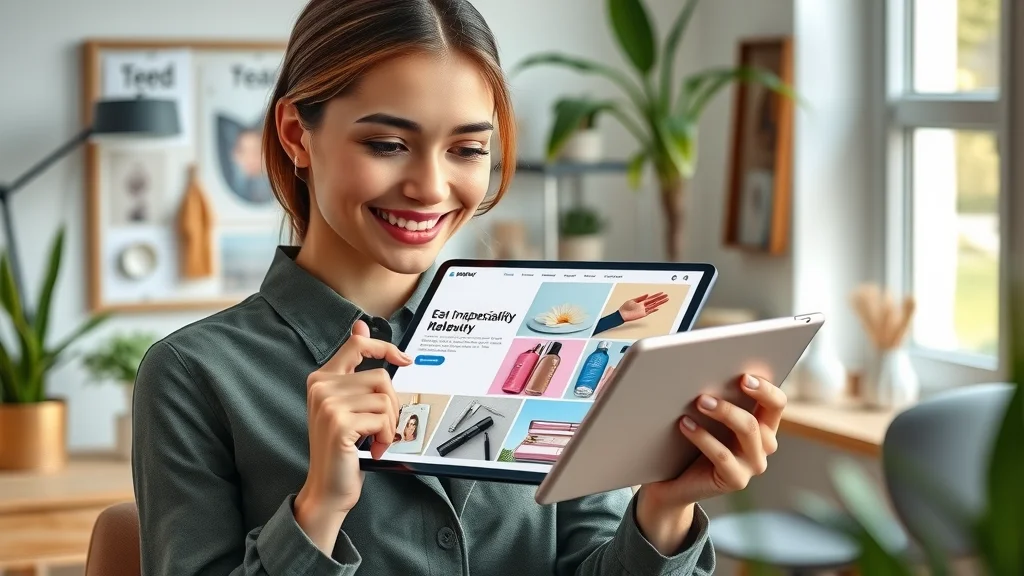
beauty marketer engaging with vibrant landing page for beauty products on tablet, optimized for facebook ad traffic

Not Aligning Facebook Ads with Instagram Ads Campaigns

A fractured marketing strategy confuses audiences and wastes resources. Beauty businesses often run Facebook and Instagram ads in silos—using different visuals, offers, or messaging. This lack of cohesion weakens brand recall and limits campaign effectiveness. For seamless branding, coordinate ad creatives, calls-to-action, and promotions across both platforms.

Utilizing Facebook’s Ads Manager to set up unified or parallel ad campaigns ensures your message comes across consistently, regardless of where the customer sees it. Syncing Instagram ads and Facebook campaigns also allows you to retarget users efficiently, boosting both reach and effectiveness for beauty products or salon offers.

Missing Calls-to-Action That Attract Beauty Salon Clients

Great targeting and striking visuals mean little if your ads lack a compelling call-to-action (CTA). Beauty salons especially must guide clients to “Book Now,” “Claim Your Free Trial,” or “Reserve Your Spot”—otherwise, interest turns into lost opportunity. Weak or generic CTAs result in lower conversion rates, regardless of ad format or creative quality.

To maximize appointments and sales, tailor your CTA to your audience’s needs and your campaign goals. Test phrases and button colors, and track engagement rates to refine what resonates. The goal isn’t just to get noticed—but to inspire immediate action.

Overcomplicating Facebook Ads for Beauty Brands

Sometimes, less is more. Beauty businesses may overload ads with lengthy text, unclear offers, or too many visuals, diluting core messages and causing user confusion. Overcomplicated Facebook ads fail to communicate benefits succinctly—a fast way to lose attention in a crowded scroll.

Simplify your ad creative: focus on one clear offer, striking visuals that highlight your beauty products, and concise copy that speaks to customer desires. Streamlined ads achieve higher engagement, driving both brand lift and conversions.

How to Optimize Facebook Ads for Beauty Businesses

Best Practices for Building Successful Facebook Advertising Campaigns

Building profitable Facebook ads for beauty businesses starts with strategic groundwork. Define your campaign objectives—brand awareness, lead generation, or direct sales—then design your creative and targeting around these goals. Use high-quality images, brief video ads, and strong brand colors to capture attention. Split-test everything: creative, copy, and audience segments.

Leverage Facebook’s pixel for in-depth tracking, enabling powerful retargeting and measurement of on-site behavior. Establish trust with transparent messaging, testimonials, and clear CTAs. Consistently monitor ad campaigns, adjust ad spend based on performance, and iterate to refine your marketing strategy for the ever-changing beauty industry.

Using Lookalike Audiences and Retargeting to Reach More Beauty Clients

Facebook offers unique opportunities for scaling with lookalike audiences derived from your best clients—those who completed purchases, booked salon appointments, or engaged with your posts. By targeting new users who resemble existing customers, beauty brands and salons can increase their reach while maintaining a high likelihood of conversion.

Retargeting, which shows ads to visitors who didn’t convert on your landing page, provides a second or third touchpoint—crucial in the decision-making path, especially for higher-priced beauty products. Combine these tactics for a full-funnel strategy that nurtures prospects from first impression to loyal customer.

digital marketing professional targeting audience for beauty business facebook ads, pointing at digital target with beauty product icons

Tips for Effective Ad Spend Management in Beauty Industry Campaigns

Maximizing ROI for Facebook ads in the beauty industry hinges on careful ad spend management. Start with a modest budget, such as $10 a day for testing, and allocate spend to top-performing creatives and audiences. Monitor metrics like cost-per-click, cost-per-lead, and overall return on ad spend (ROAS) to gauge effectiveness.

Regularly pause underperforming ads and reallocate funds to those converting well. Use campaign budget optimization (CBO) to allow Facebook’s algorithm to distribute ad spend efficiently. Review performance weekly, adapting strategies as beauty industry trends shift to ensure your advertising investment is always producing results.

(Imagine a detailed tutorial video here: Watch a beauty marketing expert guide you through campaign setup, audience targeting, creative creation, and analytics review—all tailored to beauty brands and salons. Includes checklists and real-life success stories for every stage. )

Acquiring Customers With Facebook and Instagram Ads for Beauty Brands
happy customer opening branded beauty box at home after buying from facebook ad

Integrating Facebook and Instagram Ad Strategies for Maximum Results

Bringing together Facebook and Instagram ad strategies is a powerful way to create a seamless customer journey for beauty businesses. Unify your campaign objectives, visuals, and ad copy to maintain consistent brand messaging and broader reach. Cross-platform campaigns enhance ad recall by engaging users on both their favorite social apps.

Set up retargeting audiences that span both networks and use similar creative assets adapted to each platform’s format. Monitor which channel yields higher conversions—product purchases, bookings, or newsletter signups—and adjust spend accordingly for optimal results.

Creating High-Converting Visual Content for Beauty Products

In the beauty market, stunning visuals are everything. High-quality product images, alluring before-and-after shots, and professionally produced video ads catch the eye and stop the scroll. Show your beauty products in real-life situations, using diverse models and authentic results to build trust.

Test a variety of ad formats—carousel, slideshow, stories, and reels—to discover what works best for your beauty brand. Double down on assets that spark the most engagement and conversions, and regularly refresh your portfolio to stay on-trend and relevant with your target audience.
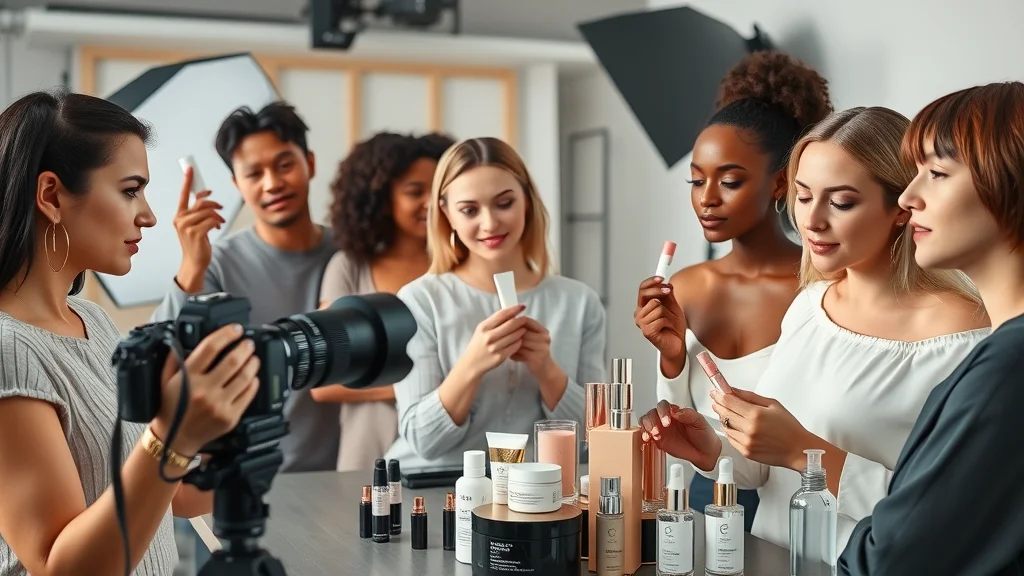
team capturing beauty products with professional camera and lighting setup for high-converting facebook and instagram ads

Optimizing Beauty Salon Promotions with Facebook Ads

Beauty salons can leverage Facebook’s location-based targeting to promote time-sensitive offers, loyalty programs, and referral incentives. Create an ad showcasing a friendly staff member, a satisfied client, or a vibrant salon environment to stand out locally.

Use clear calls-to-action (“Book Appointment Now,” “Claim 15% off Facial”) and direct traffic to a landing page with a streamlined booking process. Monitor which promotions generate the highest conversion rate and adjust in real-time to maximize bookings.

Adjusting Ad Campaigns Based On Beauty Industry Trends

The beauty industry shifts rapidly—think viral products, seasonal trends, and micro-influencer waves. Keep ad campaigns fresh by monitoring what’s trending in skincare, haircare, and makeup. Adjust creative assets, messaging, and offers to align with what’s hot (or about to be) in the beauty world.

Proactive adjustments—such as launching ads around trending ingredients or popular treatments—keep beauty brands and salons ahead of competitors and top-of-mind among your target audience.

The Role of Landing Pages in Facebook Ads for Beauty Businesses

What Makes an Effective Landing Page for Beauty Products

The bridge between a Facebook ad click and a sale is your landing page. For beauty products, landing pages should offer fast loading times, appealing visuals, concise benefit-driven copy, social proof (like customer reviews), and a clear, focused call-to-action. Loyalty badges, trust signals, and easy navigation enhance the customer experience.

Mobile-first design is critical; most users arrive via smartphones. Ensure purchase or booking flows are intuitive and free from unnecessary hurdles. Never underestimate the power of a clean, beautiful, and branded landing page—this alone can dramatically lift conversion rates for beauty brands and salons.

Common Landing Page Mistakes in Beauty Brand Ad Campaigns

Beauty businesses often overlook key landing page details—clunky design, too much information, or lack of a clear next step can destroy conversion rates. Sending traffic to a homepage instead of a campaign-specific landing page, using mismatched branding, or neglecting mobile optimization leads to higher bounce rates and wasted ad spend.

Avoid these mistakes by matching your landing page to each ad campaign, A/B testing key elements (headlines, images, CTAs), and ensuring your value proposition is obvious within seconds of arrival.
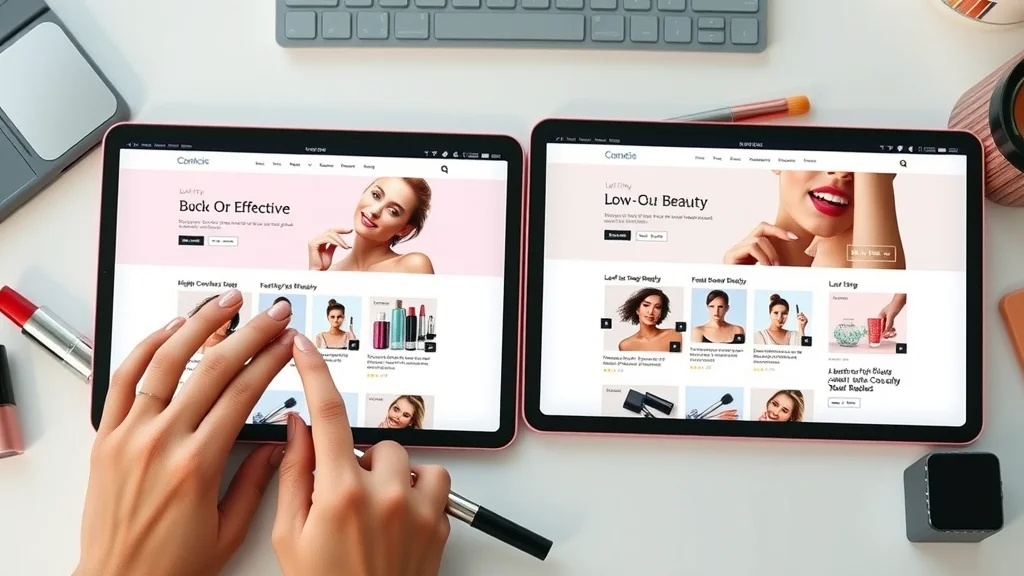
side-by-side tablet screens showing effective and poor landing pages for beauty product ads, clear visual distinction

Increasing Beauty Salon Conversions with Optimized Landing Pages

For beauty salons, a well-optimized landing page translates to smoother bookings and higher monthly appointments. Limit distractions, use prominent “Book Now” buttons, showcase glowing client testimonials, and highlight any exclusive offers for new customers. Integrating appointment-scheduling tools reduces friction and captures leads efficiently.

Every element—from hero images of the salon environment to frequently asked questions—should instill trust and make the path to conversion clear and inviting. Regularly update testimonials, offers, and visuals to keep the landing page fresh and competitive.

Table: Landing Page Elements That Work Best for Facebook Ads for Beauty Businesses

Landing Page Element Why It Works
Benefit-Focused Headline Quickly communicates value and grabs attention
High-Quality Product/Salon Images Builds trust and enhances visual appeal
Clear Call-to-Action Button Guides users to the next step (buy or book)
Customer Reviews & Social Proof Boosts credibility and conversions
Mobile-Friendly Design Ensures smooth user experience on every device

Lists: Top Facebook Ads Mistakes to Avoid for Beauty Businesses

  1. Focusing only on product features, not customer benefits
  2. Underutilizing audience targeting capabilities
  3. Ignoring the importance of a seamless landing page
  4. Using generic ad creative for beauty brands
  5. Forgetting to A/B test ads for beauty products
  6. Neglecting cross-promotion with Instagram ads
analytical beauty marketer configuring facebook ads a/b test options in digital workspace

Quotes: Industry Perspectives on Facebook Ads for Beauty Businesses

"Successful Facebook ad campaigns for beauty brands start with understanding your audience's desires and pain points." – Leading Digital Marketing Consultant
"Optimized landing pages are the unsung heroes behind every high-performing beauty ad." – Beauty Industry Ad Strategist

People Also Ask: Common Queries About Facebook Ads for Beauty Businesses

Is $10 a day good for Facebook ads?

Answer: $10 a day can be a good starting budget for Facebook ads for beauty businesses, particularly for testing ad campaigns and refining audience targeting. However, depending on your objectives—whether you're a beauty salon or beauty brand—results can vary. It's important to monitor key metrics and adjust based on performance.

How do I advertise my beauty business?

Answer: To advertise your beauty business, utilize Facebook and Instagram ads with targeted audience selection, compelling visuals, and an optimized landing page. Showcase your beauty products or salon services and always include clear calls-to-action.

What kind of ads are most successful on Facebook?

Answer: The most successful Facebook ads for beauty businesses feature visually appealing creative, clear value propositions, and targeted messaging relevant to beauty salons or beauty brands. Carousel ads, videos, and dynamic product ads work particularly well.

How much do 1000 clicks cost on Facebook?

Answer: The cost for 1,000 clicks on Facebook ads for beauty businesses ranges widely, with average click costs between $0.50 and $2.00 depending on the competitiveness of the beauty industry, ad quality, and audience targeting. Monitoring and optimizing campaigns is key to managing ad spend.

FAQs: Facebook Ads for Beauty Businesses

How do Facebook ads help beauty salons reach more clients?

Facebook ads enable beauty salons to connect with local audiences via targeted advertising. By segmenting ads based on location, age, gender, and beauty interests, salons can deliver personalized offers and booking links that encourage immediate action. Retargeting past visitors or clients also increases repeat bookings and fosters client loyalty.

What are the most important metrics to track for Facebook advertising?

Key performance indicators (KPIs) for beauty businesses include click-through rate (CTR), cost-per-click (CPC), conversion rate, cost-per-lead, and return on ad spend (ROAS). Monitoring these metrics allows beauty brands and salons to understand campaign effectiveness, optimize creative and targeting, and achieve higher returns from their ad budget.

How can a beauty brand build trust with potential customers through Facebook ads?

Beauty brands build trust by using authentic imagery, featuring real customer testimonials, providing transparent product information, and showing third-party awards or certifications. Consistent branding and clear value propositions throughout the ad and landing page journey help reassure and persuade new clients to try products or services.

Tables: Comparing Facebook Ads Results for Beauty Brands and Salons

Metric Beauty Brand Beauty Salon
Average CTR 1.5% 2.1%
Conversion Rate 5.2% 8.7%
Cost per Lead $1.60 $2.00
ROAS 4.0 3.5

Key Takeaways: Facebook Ads Mistakes Beauty Businesses Should Avoid

  • Target the right audiences using Facebook’s targeting capabilities
  • Optimize every landing page for ad campaigns
  • Leverage both Facebook and Instagram ads for seamless branding
  • Continuously monitor ad spend, creative, and metrics

Summary and Next Steps for Successful Facebook Ads for Beauty Businesses

Start Optimizing Now: Transform Your Beauty Brand or Salon With High-Performing Facebook Ads Today

Avoid these common mistakes, implement best practices, and start seeing a higher ROI from your Facebook ads for beauty businesses. The path to growth starts with smarter targeting, exceptional creative, and seamless landing pages—so make your next campaign your most successful yet!

If you’re ready to take your beauty business to the next level, don’t stop here—staying informed about the latest business trends and digital marketing strategies is key to long-term success. Explore more in-depth coverage and expert perspectives on how small businesses are adapting and thriving by visiting Small Business Today. You’ll discover actionable ideas, industry news, and advanced tactics that can help you refine your approach and stay ahead in the competitive beauty market. Let your next campaign be guided by both proven advertising techniques and the broader insights shaping the future of small business growth.

Salon & Spa News

12 Views

0 Comments

Write A Comment

*
*
Related Posts All Posts
02.19.2026

Local SEO For Salons And Spas: Get Found Fast Online

Did you know? Nearly 88% of people searching for a salon or spa online will visit or call within 24 hours if your business appears at the top of local search results. In today’s digital-first world, local SEO for salons and spas is not just important—it’s the edge that pushes you ahead of the competition. This comprehensive guide unpacks the actionable steps that will help your salon or spa rise to the top in your local search rankings—and fill your chairs faster than ever. A Startling Fact: The Competitive Edge in Local SEO for Salons and Spas Standing out among the sea of hair salons and beauty salons on every street corner is no small feat. The real difference between a fully booked calendar and empty chairs often comes down to your visibility in the local market. Effective local SEO provides a measurable advantage—businesses optimizing their digital presence for local searches increase bookings, capture more loyal clients, and spend less on expensive traditional marketing. Local search engine optimization isn’t a one-time trick; it’s an ongoing investment that continually fuels growth, putting your business in front of new faces precisely when they’re ready to book. If you want your salon or spa to show up where clients are looking, everything from your Google Business Profile to your online reviews and keyword choices must work in harmony. Implementing a strong local SEO strategy pays off quickly: over 76% of users who search for services “near me” on their smartphones visit a nearby business the same day. It’s time to turn those searches into appointments at your salon. What You’ll Learn About Local SEO for Salons and Spas How local SEO specifically impacts salons and spas Actionable steps to improve your online presence and search rankings Best practices for Google Business and business profiles Strategies for managing online reviews and engaging communities Local SEO for Salons and Spas: Why It Matters For salons and spas, every new appointment starts with being discovered online. With mobile devices in every pocket, clients search for services nearby with expectations for instant results and relevant information. Running ads or posting on social media isn’t enough—if your spa or hair salon doesn’t appear at the top of local search results, you’re missing out on high-intent clients ready to book. Local SEO puts your business on the map, literally and figuratively, connecting you to the customers closest to your doors. Clients trust Google and other search engines to recommend the best in the local market. A well-optimized Google Business Profile, consistent online reviews, and a strong keyword plan all boost your chances of higher local rankings. From voice searches for “best hair salon near me” to reviews that assure new clients of your expertise, every element of local SEO can help transform casual browsers into loyal customers. The consistency of your business information—from phone number to service menus—also impacts how search engines recommend you, making accuracy essential not just for search engine visibility, but for real-world business growth. “Salons and spas that leverage local SEO see up to a 70% increase in client bookings within their first six months of optimization.” — Local Search Industry Study Understanding Local Search: How Search Engines Guide Clients to Hair Salons and Beauty Salons The Local Market and Your Online Presence The local market for beauty salons and spas is increasingly digital. When clients need a quick manicure or a last-minute hair color, they turn to their phones and type in phrases like “hair salon near me” or “best beauty salon downtown. ” Search engines respond instantly, showcasing local businesses—often in the highly coveted "local pack" at the very top of Google search results. The more robust your online presence, the more likely your salon or spa will appear in these lucrative spots. This online-first environment makes it crucial that every piece of your digital presence—from your Google Business Profile and verified phone number to customer-submitted online reviews—reinforces your reliability to both potential clients and search engines. Local SEO strategies, such as using local keywords within your website and blog posts, encourage better placement in search rankings and drive new customers to your doors. Remember, in a competitive landscape where hundreds of hair salons and spas are vying for attention, only those with strong local seo efforts rise above the crowd. As you refine your local SEO approach, it’s also helpful to stay updated on the latest business trends and actionable strategies that impact small businesses in your area. For timely insights and practical tips, you might find value in exploring current business headlines and resources for small business owners—these can offer additional context to strengthen your salon or spa’s local marketing efforts. Optimizing Your Business Profile for Local SEO for Salons and Spas Google My Business, Google Business Profile, and Third-Party Listings Your Google Business Profile—sometimes referred to as Google My Business—serves as your salon’s digital front door. It’s often the first thing local clients see after searching for a beauty salon or spa online. Setting up and optimizing this profile is foundational to your entire local SEO strategy, affecting everything from search rankings to trust and click-through rates. Step-by-step setup of your business profile: Claim your business and verify ownership on Google My Business. Add accurate, up-to-date details including your phone number, address, operating hours, and categories relevant to hair salons and spas. Upload high-quality, professional images of your space, staff, and services. Write a compelling business description rich with local keywords like “hair salon in [Your City]” or “award-winning spa in [Neighborhood].” Promptly fill out amenities, payment options, and any specific features that matter to your ideal clients. For even stronger search rankings, regularly update your profile with posts, special offers, and announcements. Don’t forget to monitor for duplicate business listings and correct any inaccuracies across other third-party directories such as Yelp, Facebook, and industry-specific platforms. Inconsistent information can confuse both clients and search engines, which may hurt your local SEO efforts. A unified, optimized presence across all listings not only boosts your appearance in local searches, but also builds much-needed trust with new and returning clients. Step-by-step setup of your business profile Tips to enhance visibility in local searches How to handle duplicate listings and business information Local Keywords and Search Rankings: Attracting the Right Clients Creating Content That Converts for Hair Salons and Beauty Salons Effective local SEO for salons and spas relies on more than just listings—it needs content that grabs and converts visitors. Integrating local keywords naturally throughout your website (including homepages, service pages, and dedicated landing pages) ensures search engines understand where you’re located and the services you offer. Blog posts targeting terms like “bridal hair stylist in [city],” “massage therapy spa downtown,” or “kids haircuts near [neighborhood]” help answer the specific questions local clients are searching for. Consider these blog post ideas: Seasonal trends and local style guides (“Best summer hair colors in [city]”) Service spotlights (“What to expect at a deluxe facial at [Salon Name]”) Behind-the-scenes of your beauty salon—meet the stylists or show off your latest training Landing pages for your most popular services, each optimized with unique local keywords, can dramatically increase your visibility for those high-intent local searches. The more your content addresses the questions, needs, and search habits of your local audience, the higher your site climbs in search engine results—bringing the right clients straight to your booking form. Don’t forget: consistent, value-driven content also encourages more online reviews and social shares, both of which further reinforce your local seo efforts. Blog post ideas for salon and spa services Using local keywords naturally Landing pages for popular treatments Building Citations and Local Backlinks: Boosting Your Local SEO Citations and local backlinks are building blocks for a strong local SEO strategy. Citations—mentions of your salon or spa on online directories, local business listings, and trusted review sites—help search engines verify your business’s existence and location. The more authoritative, consistent citations you have with accurate phone number and business details, the more credibility and trust your business earns with Google and other search platforms. Local backlinks, which are links to your website from other reputable local businesses, organizations, or media outlets, increase your domain authority and signal to search engines that your business is an active, valued member of your community. Consider partnering with local influencers, participating in charity events, or submitting press releases about awards and special events at your hair salon or spa to secure more high-quality links—these tactics can provide a powerful ranking boost, especially in highly competitive markets. Managing Online Reviews: Powering Local SEO for Salons and Spas Best Practices for Review Generation and Management Online reviews carry tremendous weight for both potential clients and search engines. Positive feedback not only attracts more clients—it’s also a ranking factor for Google’s local results. Encourage clients to share their honest experiences on Google, Facebook, and other relevant platforms. Respond promptly and professionally—thank clients for their time, address concerns with empathy, and show you value every opinion. Turning a negative review into a positive interaction may even win back a dissatisfied client and show future clients your commitment to excellent service. Your review management strategy should include: How to ask for and respond to reviews: Follow up appointments with a gentle email or text request, making it easy with direct links to your preferred platforms. Handling negative reviews professionally: Never argue or dismiss client feedback. Apologize genuinely, offer solutions, and move communications offline if needed. Incorporating reviews into your marketing: Showcase the best testimonials on your website, in blog posts, and across your social media accounts to build trust and social proof. Consistently managing and growing your online review volume dramatically improves both your reputation and your visibility in local SEO. Search engines interpret regular, authentic client feedback as a strong sign of an active, trusted local business—one that deserves to be ranked highly in local searches. How to ask for and respond to reviews Handling negative reviews professionally Incorporating reviews into your marketing The Role of Social Media in Local SEO for Salons and Spas Integrating Social Media and Google Business Profile Today’s beauty industry is driven by visual storytelling and active engagement—both of which are powered by social media. Posting consistently on platforms like Instagram, Facebook, and TikTok expands your reach and demonstrates a lively, customer-focused brand. These signals, when linked properly, can feed directly into your Google Business Profile and enhance your visibility in local search results. Action steps for integration: Linking social profiles to your business profile: Ensure your Google Business Profile is up to date with clickable links to all major social channels. Showcasing user-generated content and reviews: Ask happy clients to share their results on Instagram and tag your salon or spa—then reshare on your feed and stories. Running local social promotions: Offer flash discounts for followers who check in at your location or run contests that encourage locals to book or engage with your page. Social media not only drives brand recognition, it also feeds direct traffic and engagement to your primary local SEO assets. A salon with an active Instagram profile, lively Facebook reviews, and a well-optimized Google profile stands out to both clients and search engines alike as a trustworthy, vibrant business worth visiting. Linking social profiles to your business profile Showcasing user-generated content and reviews Running local social promotions Tracking Local SEO Performance: Metrics That Matter Measuring Search Rankings, Local Search Visibility, and Conversion Rates No local SEO strategy is complete without robust measurement. Salon and spa owners need to track how SEO efforts are pushing the needle—from online impressions to actual bookings. Set up Google Analytics and Google Search Console to monitor where website traffic comes from, what keywords people use to find you, and how visitors are behaving on your site. These platforms offer visibility on which pages drive the most bookings or calls—critical for refining your marketing and content strategies. Don’t stop at analytics. Track the metrics that matter most for client acquisition, such as phone calls generated from your business profile, appointment form submissions, and review volume trends. By keeping an eye on these numbers and correlating them with changes in your SEO, marketing, or offline promotions, you can make data-driven tweaks for continuous local search improvement. Regular tracking ensures that your salon or spa doesn’t just achieve ranking success—it maintains it for the long haul. Setting up Google Analytics and Google Search Console Tracking phone calls, appointment bookings, and review volume This step-by-step explainer video guides you through setting up, optimizing, and leveraging your Google Business Profile with best practices and real salon examples. Get inspired by real-world case studies from salons and spas that transformed their business through expert local SEO practices. Learn what worked and how you can emulate their success. People Also Ask: Top Questions About Local SEO For Salons And Spas How does local SEO help a hair salon attract more clients? Local SEO increases your salon’s visibility in search engine results for people searching for services near them. This elevated visibility means your business is more likely to be chosen when someone needs a haircut or styling, resulting in increased traffic, more bookings, and a boost in loyal customers. Implementing effective local SEO strategies ensures your hair salon is found by those who are ready and willing to book, turning online searches into real appointments. What is the difference between local SEO and traditional SEO for spas? The primary difference is the focus on local searches for a geographical area. Traditional SEO targets global or national audiences, while local SEO tailors optimizations, keywords, and business profiles to appear in “near me” searches and local map results. For spas, this means prioritizing location-based keywords, managing business directory listings, and collecting local reviews—strategies that ensure you reach the clients actually within driving distance of your spa. How important are online reviews for local search rankings in beauty salons? Online reviews play a pivotal role in local search rankings for beauty salons. Search engines value recent, positive reviews as indicators of a salon’s trustworthiness and popularity. Salons with more high-quality reviews not only rank higher but also convince new customers to choose their services. Regularly asking for and responding to client feedback is vital for staying competitive in the beauty industry. How can I improve my salon's Google Business Profile for better local searches? To improve your Google Business Profile, make sure all details are accurate and regularly updated—address, phone number, business hours, and service menu. Upload fresh, high-resolution photos, respond to reviews promptly, and post updates or offers to your profile. Incorporating local keywords in your business description and posts also enhances your visibility in local searches, drawing in more walk-in and booked clients. A Table Overview: Local SEO for Salons and Spas at a Glance Ranking Factor Impact Best Practices Business Profile Optimization High Maintain up-to-date info, add photos, use keywords Local Reviews High Encourage and respond to feedback regularly Local Keywords Medium Target city/service-specific phrases in content Online Presence High Active site/blog, accurate listings, consistent branding Social Media Medium Share regular updates, run local promotions Local Backlinks Medium Partner with local businesses, sponsor community events A Step-By-Step List: Local SEO Checklist for Salons and Spas Claim and optimize Google Business Profile Add complete and up-to-date business information Incorporate local keywords into your site and content Create targeted landing pages for services and locations Monitor and respond to online reviews regularly Build local citations and backlinks Leverage social media for community engagement Track important SEO metrics monthly FAQ: Local SEO for Salons and Spas How long does it take to see results from local SEO for salons and spas? You can start seeing incremental improvements in as quickly as 4-6 weeks, especially in Google Maps visibility and local ranking, but sustained, significant results often take 3-6 months. Can a beauty salon or hair salon manage local SEO in-house? Yes, especially with basic tasks like updating your profile, asking for reviews, and keeping information consistent. However, advanced strategies like citation-building or backlink development may benefit from professional help. What common mistakes lower search rankings for salons and spas? Inconsistent business info across listings, neglecting to ask for reviews, using the wrong keywords, or failing to update photos and business hours can all hurt your local search rankings. Are paid ads necessary for local SEO success? Paid ads can supplement your local SEO efforts by generating immediate leads, but organic ranking should be your foundational long-term strategy for sustainable growth and lower client acquisition costs. Key Takeaways for Mastering Local SEO for Salons and Spas Local SEO is crucial for increasing visibility and bookings Optimizing your business profile and encouraging reviews drives significant results Tracking performance ensures ongoing improvements in search rankings Final Thoughts: Achieving Success with Local SEO for Salons and Spas Mastering local SEO for salons and spas positions your business in front of the right clients, at the right time—turning searches into loyal, happy customers for years to come. If you’re ready to take your salon or spa’s growth to the next level, don’t stop at just optimizing for local search. Staying informed about broader business trends and innovative strategies can help you adapt and thrive in a rapidly changing marketplace. For a deeper dive into the latest developments and expert perspectives that shape small business success, explore the most recent business headlines and insights for entrepreneurs. Expanding your knowledge beyond SEO will empower you to make smarter decisions and unlock new opportunities for your beauty business.

02.18.2026

Unlock Influencer Marketing In Beauty Industry Success

Did you know that 80% of beauty brands now allocate their budget to influencer marketing—and that the returns consistently outperform traditional digital ads? The beauty market, driven by social media and the unique trust between beauty influencers and their followers, is witnessing a marketing revolution. This guide unpacks the secrets of influencer marketing in the beauty industry, helping brands of any size plan powerful, measurable campaigns. A Startling Look at Influencer Marketing in Beauty Industry Growth In recent years, influencer marketing in the beauty industry has become the engine of beauty brand growth and innovation. With the visually-driven nature of cosmetics, skincare, and haircare, beauty campaigns on social media are watched, shared, and trusted at a rate unmatched by traditional advertising. Beauty influencers use authenticity and real-world application to demonstrate products, shaping consumer purchasing decisions more directly than conventional ads ever could. Whether through polished tutorials or honest product reviews, the ability of a beauty influencer to reach, educate, and convert audiences has reshaped how the beauty market operates across Instagram, TikTok, and YouTube. For both established beauty brands and indie labels, the surge in influencer marketing campaigns means heightened competition and evolving best practices. Beauty brands that leverage influencer partnerships see measurable increases in engagement rates, product awareness, and real sales results. Unlike static banner ads or celebrity endorsements with broad but shallow reach, influencer marketing in the beauty industry taps into the loyal communities built by passionate content creators. These relationships enable more authentic brand storytelling, impactful product reviews, and increased ROI, cementing influencer marketing as the heartbeat of modern beauty marketing strategy. The Power of Influencer Marketing: Surpassing Traditional Advertising Influencer marketing campaigns have overtaken traditional digital advertising in the beauty industry, driven by authentic interactions and tailored communications suited for today’s consumer. Unlike radio, print, or banner ads, collaborative campaigns with beauty influencers put products into real-life contexts—showing consumers how different shades match real skin tones, how formulas perform under different conditions, and providing genuine feedback through relatable stories. This level of authenticity, combined with direct engagement through platforms such as Instagram Stories, TikTok challenges, and YouTube video content, drastically improves trust and conversion for beauty campaigns over classic marketing strategies. “80% of beauty brands now allocate budget to influencer marketing, with returns outpacing conventional digital ads.” When a trusted beauty influencer shares their honest opinion or demonstrates a new blush or serum, social media followers pay attention, discuss, and even co-create with the brand through user-generated content. The result? Brand messages spread further and faster, engagement rates soar, and previously niche beauty products become overnight sensations. This deep community connection is why influencer marketing campaigns now define the roadmap for beauty industry marketing strategies. What You’ll Learn About Influencer Marketing in Beauty Industry The essentials of influencer marketing in the beauty industry Effective marketing strategies for beauty brands How to identify and collaborate with beauty influencers Measuring success of influencer marketing campaigns Understanding the Role of Influencer Marketing in Beauty Industry To truly understand how influencer marketing in beauty industry fuels growth, it’s crucial to grasp its unique fit. The beauty industry is simultaneously visual, aspirational, and personal—making it the perfect match for influencer-driven content. Consumers actively seek real, relatable recommendations when shopping for makeup, skincare, and other beauty products. Social media influencers play the role of friend and expert, offering advice that directly addresses skin tone, product effectiveness, or the trending look, which resonates more than brand advertisements alone. This dynamic has made influencer marketing a permanent fixture in the beauty market. Influencer marketing enables brands to go beyond static advertising, allowing creative freedom for content creators to share honest experiences that translate into trust. With the rise of social shopping, the impact of a beauty influencer recommending a product is immediate. For beauty brands, collaborating with the right influencers offers a direct path to audience engagement, genuine feedback, and insight into shifting consumer behaviors. This audience-driven approach, which places the consumer at the heart of strategy, is a primary reason why the beauty industry has rapidly shifted its marketing campaigns and budgets toward influencer partnerships. Why the Beauty Market is Uniquely Suited for Influencer Campaigns The beauty market is distinguished by its strong reliance on storytelling and transformation. Consumers are looking not only for products, but also for relatable experiences and achievable results. With the ability to showcase before-and-after transformations, demonstrate tutorials, and discuss personal journeys in skincare or makeup, beauty influencers make these stories tangible. Unlike other industries where product benefits might be abstract, beauty campaigns present clear visual proof—something only achievable through influencer content. Platforms like YouTube and TikTok enable short-form and long-form video content, supporting both quick tips and in-depth reviews that help shape purchasing decisions. The highly social nature of the beauty industry means that trends form and spread quickly across social media. Influencers are often at the center of these waves, introducing new routines, highlighting niche brands, and setting the standard for inclusivity by celebrating every skin tone. This propels not only brand awareness, but also pushes larger beauty brands to innovate, making influencer marketing a vital force for change in the beauty marketplace. Key Definitions: Influencer Market, Beauty Brands, and Beauty Influencers Term Definition Influencer Marketing Leveraging social personalities to drive brand/message Beauty Brand Company producing cosmetics, skincare, or fragrance Beauty Influencer Content creator in the beauty industry with audience trust Why Influencer Marketing in Beauty Industry Outperforms Other Marketing Strategies Influencer marketing in the beauty industry routinely outpaces other promotional tactics due to its ability to merge credibility, reach, and entertainment. When compared to standard digital advertising, influencer campaigns deliver higher engagement rates, authentic user feedback, and the viral impact of personal recommendations. For consumers, seeing a beauty influencer of similar style or skin tone trial a product can be the determining factor in purchase—especially when supported by video content and interactive Q&As. Beauty brands reliant on influencer collaborations experience more dynamic, two-way communication. Instead of pushing static advertisements, they harness followers' input, evolving product lines and marketing strategy to suit real conversations. Additionally, influencer marketing allows brands to target micro-communities with precision, often converting passive followers into loyal customers faster than traditional marketing campaigns. As social platforms expand with new features such as Instagram Shops or TikTok Shopping, influencer-driven campaigns only grow more impactful and measurable, making this approach vital for both established and emerging beauty market players. As you refine your influencer marketing approach, it's also valuable to stay updated on the latest developments and actionable tips that impact small businesses in the beauty sector. For more practical insights and current trends, explore the business headlines and strategies featured on Small Business Today. Real-World Examples: Beauty Campaigns That Went Viral Numerous beauty campaigns have reached viral status, propelled by strategic partnerships with influencers. A standout example is Fenty Beauty’s inclusive foundation launch, where beauty influencers of all backgrounds showcased diverse skin tones, driving global social conversations and inspiring brand loyalty. Smaller brands, too, can see dramatic results: think of how indie skincare lines like The Ordinary soared to prominence through TikTok beauty routines led by micro-influencers. Whether it’s a bold new makeup palette or a unique serum formula, these launches use influencer-generated content to spotlight product reviews, transformations, and unboxings, tapping directly into the curiosity and aspirations of modern beauty consumers. These viral beauty influencer marketing campaigns drive not only buzz and social media shares but also measurable sales and sustainable market shift. By giving creative freedom to social media influencers, brands ensure their marketing message feels organic, boosting both reach and engagement. It’s this ability to generate genuine excitement—combined with smart analytics and audience targeting—that has set the beauty market apart in the influencer marketing revolution. The Psychology Behind Beauty Influencer Trust and Credibility At the core of influencer marketing’s success in beauty is trust. Audiences flock to beauty influencers not just for information, but for advice that feels personal and sincere. Viewers see influencers as peers, so their endorsements carry far more weight than traditional celebrity endorsements or faceless ads. When a beauty influencer shares a skincare journey, struggles with acne, or candidly reviews a product, it resonates in ways official brand messages simply cannot. This relationship is built on consistent content, relatable narratives, and proven expertise, which keeps engagement rates consistently high for influencer campaigns. “Consumers are six times more likely to buy a product if recommended by a beauty influencer they trust.” For beauty brands, this level of credibility translates to increased ROI and deeper customer loyalty. Consumers are more likely to tag friends, discuss products, and even create their own content in response to influencer reviews, further amplifying a brand’s reach. Whether in makeup tutorials, “get ready with me” videos, or honest product reviews, it’s the personal connection and perceived authenticity of these content creators that consistently drive the success of influencer marketing campaigns in the beauty industry. Identifying the Right Beauty Influencers for Your Beauty Brand Success in influencer marketing in the beauty industry hinges on finding the right content creators to represent your brand. Not all influencers are created equal. Micro-influencers, macro-influencers, and celebrities each serve different roles and can yield unique results depending on your campaign goals. For new beauty brands, aligning with micro-influencers can mean high engagement and authentic storytelling within niche markets. Macro-influencers and celebrities, on the other hand, are invaluable for amplifying messages at scale, especially during major product launches or brand pivots. The process of vetting influencers goes beyond follower counts. Brands must evaluate potential partners for engagement rates, content quality, audience demographics, value alignment, and more. A genuine connection between influencer and brand fosters trust among followers, while red flags such as fake followers, low-quality engagement, or a mismatch in values can undermine even the best marketing campaigns. Ultimately, the quality of your influencer partnerships directly impacts your brand’s digital reputation and campaign results. Micro, Macro, and Celebrity Influencers: Which Drive Results in Beauty Market? Influencer Type Reach Engagement Rate Best For Micro 10k–100k High Niche targeting Macro 100k–1M Medium Brand awareness Celebrity 1M+ Varied Mass launches Tips to vet beauty influencer authenticity: Look for consistent content style, genuine audience interactions, and transparent partnerships. Check audience demographics and request performance analytics before finalizing a campaign. Red flags in influencer marketing campaigns: Sudden spikes in followers, low comment-to-follower ratio, generic comments, or past controversies can indicate fake engagement or misaligned brand values. Aligning influencer values with your beauty brand: Partner with creators who share your brand's mission—whether it's cruelty-free products, diversity, or skin positivity—for more impactful campaigns and authentic storytelling. Building an Effective Influencer Marketing Strategy for Your Beauty Brand A winning influencer marketing strategy for beauty brands starts with well-defined goals and thoughtful collaboration. Are you seeking to increase brand awareness, boost sales, or generate viral video content? Establishing these objectives from the start guides the selection of influencers, content style, and overall tone of your marketing campaign. From there, brands must determine which platforms—Instagram, TikTok, YouTube, or emerging channels—will best reach their unique audience. Beauty brands should work closely with influencers to outline content guidelines while granting enough creative freedom for authenticity. Legal and ethical considerations, such as sponsored post disclosures and truthful product claims, are essential for compliance and long-term brand safety. By tracking KPIs such as engagement rate and conversion, you can refine your influencer marketing strategy over time for optimal impact. Setting Goals for Beauty Campaigns and Influencer Marketing Campaigns Effective beauty campaigns always begin with specific, measurable goals. For some brands, this may mean increased conversions or product sales through influencer recommendations. For others, the focus may be on reaching new audience segments, launching a viral video content series, or collecting valuable user-generated reviews. Setting these benchmarks allows brands to select the right influencers, allocate proper budgets, and design campaigns that resonate with their intended market. As influencer marketing in the beauty industry becomes more sophisticated, even smaller brands can track their return on investment, continually optimizing their approach for sustained success. Goal alignment between beauty brands and influencers also encourages transparency and accountability in collaborations. By establishing clear timelines, deliverables, and performance metrics, both parties can contribute to a unified vision—ensuring that every campaign delivers both creative content and measurable value for the brand. Constructing a Winning Influencer Marketing Strategy Selecting the right platforms: Instagram excels at showcasing high-impact visuals and Stories, TikTok thrives on short-form trends and viral challenges, while YouTube is ideal for deep-dive tutorials and product reviews. Content guidelines for collaboration: Work with influencers to define key messages, maintain brand voice, and encourage organic storytelling. Provide product education, but allow influencers creative freedom. Legal and ethical considerations: Follow advertising standards, ensure sponsorships are clearly disclosed, and use honest product claims to maintain credibility with both creators and consumers. Executing Successful Influencer Marketing Campaigns Launching and managing influencer marketing campaigns in the beauty industry requires a blend of logistical planning and creative execution. The most effective campaigns are built on mutual trust and clear communication between the beauty brand and the influencer, ensuring both compliance and creative excellence. Everything from campaign launch timing to video content theme must be considered, with an emphasis on tracking performance in real-time for mid-campaign pivots if needed. Key aspects of execution include negotiating fair compensation, supplying clear yet flexible briefs, monitoring influencer activity, and supporting the campaign with paid social media promotion if appropriate. Consider cross-promotion through ambassador programs or live Q&A sessions to deepen engagement and enhance storytelling. By focusing on seamless execution, beauty influencer marketing transforms brand reach into tangible engagement and sales. Step-by-Step: Launching a Beauty Influencer Marketing Campaign Define campaign goals and KPIs based on your beauty brand’s needs (awareness, engagement rate, conversions, etc.). Identify suitable influencers by researching engagement rates, content quality, and value alignment. Negotiate clear deliverables (number of posts, Stories, video content) and compensation. Provide product samples and creative briefs, while encouraging influencer-driven storytelling. Launch and monitor campaign performance in real time, engaging with influencer content and audience feedback. Measure results, gather insights, and optimize future campaigns based on analytics. Creative Content Ideas for Beauty Influencers and Beauty Brands Step-by-step makeup tutorials using trending products Honest “first impression” product review videos “Get Ready With Me” (GRWM) routines for seasonal looks User-generated challenges featuring unique beauty product applications Q&A sessions about skincare routines and ingredient choices Measuring ROI and Analytics in Influencer Marketing Campaigns Measuring return on investment (ROI) is critical to demonstrating the success of influencer marketing in beauty industry campaigns. The effectiveness of your marketing strategy depends not just on follower growth or likes, but on deeper metrics—engagement rates, conversion rates, brand mentions, and ultimately, sales. By tracking the right analytics, beauty brands gain clarity on what works and where future improvements lie. Advanced CRM and analytics platforms can now attribute sales and even customer lifetime value back to specific influencer collaborations. Use unique coupon codes, trackable links, or branded hashtags to gather quantifiable data. Regular analytic reviews help optimize ongoing influencer marketing campaigns, inform future creative direction, and ensure the beauty brand’s continued investment yields measurable growth. Top Metrics: Tracking Beauty Influencer Marketing Campaign Success Metric Description Goal Engagement Rate Comments, Likes, Shares Audience resonance Conversion Rate Leads/Sales Revenue generation Brand Mentions Social media tags/references Brand awareness Challenges and Solutions in Influencer Marketing in Beauty Industry Despite its rapid rise, influencer marketing in the beauty industry comes with challenges—chief among them fake followers, compliance risks, and uncertainty around ROI. Brands must be vigilant, using tools to audit influencer follower authenticity and engagement rates, and staying up-to-date on regulations for sponsored content. Building transparent, mutually beneficial relationships with influencers and audiences is key to overcoming these hurdles. Adapting to ever-evolving trends, such as the emergence of virtual influencers and new short-form video content types, is essential for maintaining a competitive edge. Staying agile, learning from analytics, and prioritizing ethical practices sets successful beauty brands apart—ensuring influencer marketing campaigns remain both trusted and effective. Common Obstacles: Fake Followers, ROI Uncertainty, and Compliance Fake followers can misrepresent an influencer’s true reach, while unclear or non-compliant disclosure can put brands at regulatory risk. Additionally, many brands struggle to track the actual ROI of influencer marketing campaigns. Combating these challenges means investing in robust influencer vetting tools, setting clear guidelines, and measuring results rigorously. Brands who do this protect their reputation and maximize influencer marketing effectiveness for every campaign. Compliance is particularly important in the beauty industry where claims about product performance can carry legal consequences. Transparent #ad disclosures, clear messaging, and honest product reviews help preserve both creator and brand integrity, building audience trust that translates to sustained purchasing decisions. Adapting to Trends: Video Content, Virtual Influencers, and More How to identify and avoid influencer fraud: Use third-party tools to assess engagement authenticity, request influencer performance reports, and monitor comment quality. Best practices for transparent collaborations: Always require disclosure of sponsored content and encourage open communication about expectations and creative process. Key Takeaways for Excelling at Influencer Marketing in Beauty Industry Strategic influencer selection equals successful campaigns Adapt content to beauty trends and consumer behaviors Data-driven analysis ensures ongoing success in influencer marketing campaigns People Also Ask About Influencer Marketing in Beauty Industry How can new beauty brands get started with influencer marketing in the beauty industry? To get started, new beauty brands should identify their target customers, research suitable beauty influencers, and establish clear collaboration terms. Launch small-scale influencer marketing campaigns on high-traffic platforms, measure results, and optimize the influencer marketing strategy over time. What makes influencer marketing in beauty industry different from other industries? The beauty market thrives on visual storytelling, personal product experiences, and trust—areas where beauty influencers excel. Unlike other sectors, influencer marketing in the beauty industry often leverages makeup tutorials, skincare routines, and before-and-after video content to connect with audiences. What are key trends in beauty influencer marketing? Key trends include a pivot to short-form video content, authentic user-generated collaboration, increased demand for micro-influencers, and transparent influencer marketing campaigns focused on sustainability and inclusivity. Frequently Asked Questions About Influencer Marketing in Beauty Industry How do you measure the impact of beauty influencer marketing? Track engagement rate, conversion data, and brand mentions using social analytics tools for a comprehensive picture of campaign effectiveness. What budget should beauty brands allocate to influencer market campaigns? Budgets vary by brand and influencer tier, but successful campaigns often allocate 10-30% of digital spend to influencer partnerships, ensuring both reach and meaningful engagement. Are there legal considerations unique to beauty industry influencer marketing? Yes, always disclose sponsorships and adhere to advertising standards for product claims to maintain trust and compliance in all campaigns. Can small beauty brands compete with established beauty brands in influencer marketing? Absolutely. By partnering with micro-influencers and focusing on niche communities, small brands can achieve higher engagement rates and build loyal followings. Ready to Transform Your Beauty Brand? Start Planning Your Influencer Marketing Campaign Today! Begin laying the foundation for explosive growth—identify your ideal influencers, set clear goals, and launch your first impactful influencer marketing campaign to see measurable beauty brand success. As the beauty industry continues to evolve, staying ahead means embracing new strategies and learning from the broader business landscape. If you’re eager to deepen your understanding of what drives success for small businesses—including the latest marketing innovations and leadership insights—be sure to visit Small Business Today. There, you’ll discover a wealth of resources designed to help you navigate challenges, spot emerging opportunities, and elevate your beauty brand’s growth strategy. Take the next step and empower your business with knowledge that goes beyond influencer marketing, setting the stage for long-term success.

02.18.2026

Boost Customer Engagement On Social Media With Ease

Startling Insights: The Real Impact of Customer Engagement on Social Media "Did you know brands engaging customers on social media see up to 23% higher revenue per user?" – Industry Report Customer engagement on social media is not just a passing trend—it's a cornerstone for business growth and survival in the digital age. Leveraging engagement on social platforms allows brands to foster meaningful connections, turning followers into loyal customers. Recent studies reveal that media engagement translates directly into increased revenue, as engaged users are more likely to recommend a product or service, resulting in stronger social proof and higher conversion rates. In fact, effective interaction on social media can transform a casual viewer into an active advocate for your brand. With millions of users spending hours on media platforms daily, companies that prioritize customer engagement on social media stand out. Every like, comment, direct message, or share represents an opportunity for brands to improve customer relations, gain valuable feedback, and build authentic connections. Neglecting this aspect risks leaving a vital communication channel untapped. An intentional approach, combined with the right strategies and tools, opens doors to better customer satisfaction and lasting brand loyalty. What You’ll Learn: Mastering Customer Engagement on Social Media How to create a social media engagement strategy Key tactics for improving customer engagement on social media Tools and technologies that boost social media engagement Best practices for maintaining positive customer interactions Understanding Customer Engagement on Social Media: Definitions and Importance What is Customer Engagement on Social Media? Customer engagement on social media refers to the interactive process by which brands connect and build relationships with their audiences across various social platforms. This includes responding to comments, direct messages, likes, shares, and even actively seeking input via polls or Q&As. Unlike traditional advertising, engagement on social platforms is two-way communication, creating an environment for back-and-forth conversations with real people. It’s not just about posting content; it’s about nurturing a true emotional connection and encouraging dialogue at every stage of the customer journey. Social media engagement enables brands to reach customers on a personal level, providing timely customer care, responding to feedback, and demonstrating that they value each individual’s voice. Whether through interactive posts or responsive direct messaging, customer engagement on social channels builds trust and loyalty, transforming social followers into brand ambassadors who believe in your products or services. At its core, engagement is about making every customer feel heard, appreciated, and motivated to participate further. As you refine your approach to customer engagement, it’s also valuable to stay informed about the latest trends and actionable strategies that can make a difference for your business. For more tactical insights and up-to-date business headlines, explore current developments impacting small businesses to help shape your engagement efforts. Why Is Customer Engagement on Social Media Vital for Businesses? For today’s businesses, customer engagement on social media is a critical driver of success. Interacting with customers on social channels demonstrates authenticity and accessibility—the foundation for modern brand trust. Brands that prioritize engagement typically see improved customer experience, greater retention, and a robust pipeline of word-of-mouth referrals. These interactions act as powerful social proof, reinforcing your brand’s credibility across a broader digital audience. Active engagement also helps companies address customer service inquiries and resolve issues in real time, directly impacting customer satisfaction. By staying proactive, brands can improve customer loyalty while collecting valuable feedback on what works and what doesn’t. Ultimately, higher engagement rates lead to increased customer advocacy, resulting in more organic growth and a competitive advantage in a crowded social media landscape. How Customer Engagement on Social Media Influences Customer Experience The level of customer engagement on social media directly shapes the customer experience. When brands respond promptly to questions or resolve complaints in public threads, it signals attentiveness and respect, elevating customer satisfaction. Positive interactions amplify the emotional connection between the brand and the user—leading to higher rates of loyalty and repeat business. Transparent and authentic communication on platforms like Facebook, Twitter, or Instagram also turns negative feedback into opportunities, showing other potential customers that your brand is dedicated to exceptional service. Moreover, by actively engaging with customers on social media, brands gain insights into their needs and preferences, allowing them to tailor content and offerings more effectively. The feedback loop created through consistent engagement is invaluable for refining products or services and optimizing the digital customer journey. Overall, proactive media engagement cultivates trust and loyalty while fostering a vibrant online community that feels personally connected to the brand. The Current State of Media Engagement: Social Media by the Numbers Social Platform Average Engagement Rate (%) Avg. Response Time (hours) User Base (millions) Instagram 2.30 6.2 2000 Facebook 1.16 8.9 2950 Twitter/X 0.07 4.1 450 LinkedIn 0.54 10.3 950 TikTok 5.96 4.8 1200 These numbers illustrate the varying levels of customer engagement across social media platforms. Instagram and TikTok consistently show higher engagement rates, making them ideal for brands looking to connect with younger audiences, while platforms like Facebook and LinkedIn remain strongholds for professional and brand-driven conversations. Response time on each social media platform also plays a vital role. Quick replies boost customer satisfaction, while delayed responses may erode trust. Choosing the right channel for your target audience—and tailoring your media engagement strategy accordingly—is essential for maximizing results and maintaining positive customer relations. Key Benefits of Customer Engagement on Social Media Customer Loyalty and Advocacy Through Social Media Engagement Building long-lasting relationships with your customers on social media translates into higher customer loyalty and advocacy. Every authentic interaction—whether it’s replying to a comment or sharing a customer’s story—reinforces a sense of belonging and appreciation. Loyal, engaged customers are more likely to recommend your product or service to friends and family, expanding your reach via trusted social proof. Engagement on social media also increases the likelihood of repeat purchases, with loyal audiences often contributing to greater lifetime value for each customer. When customers on social platforms feel valued, they naturally advocate for your brand, helping you amplify positive word-of-mouth marketing. Empowering users to share their stories or testimonials not only drives organic reach but also demonstrates the real-world impact of your products or services. Consistent efforts in customer care through social media engagement plant the seeds for a thriving, loyal online community. Enhancing Customer Experience With Social Media Engagement Outstanding customer experience is achieved by putting customer needs at the heart of every engagement on social media. By responding quickly and addressing concerns honestly, brands reassure customers that their voices matter. Social media platforms are a public forum, so going the extra mile to provide exceptional service can convert a neutral or even negative interaction into a positive, memorable moment. Beyond handling complaints, proactive engagement delivers valuable feedback for continual improvement. Brands can leverage these insights to refine offerings and personalize content, strengthening the customer journey from awareness to purchase and beyond. At every touchpoint, engaging audiences on social media reinforces brand reliability and increases customer satisfaction. Driving Sales and Awareness via Customer Engagement on Social Media Customer engagement on social media is an effective catalyst for boosting sales and brand awareness. By skillfully encouraging conversations and sharing engaging content, brands can reach untapped audiences while nurturing loyal customers. Interactive features like polls, quizzes, or user-generated content campaigns drive participation and spread organic buzz about your products or services. More importantly, media engagement allows brands to highlight product launches, promotions, and success stories in real time, tapping into the natural virality of social platforms. With each positive share or testimonial from engaged customers, your brand’s visibility grows—translating into tangible business outcomes through higher conversion rates and greater market penetration. Essential Elements of Social Media Engagement Strategy Setting Clear Objectives for Customer Engagement on Social Media The foundation of an outstanding social media engagement strategy lies in setting clear and measurable objectives. Whether your goal is to improve customer satisfaction, increase brand awareness, or boost sales, having specific targets guides every engagement action. Start by identifying your key performance indicators (KPIs), such as engagement rates, response times, or customer feedback scores. Outline what successful customer engagement looks like for your brand—be it more direct messages, higher comment moderation, or deeper media engagement. Transparent objectives also align your team’s efforts and communicate the value of social media management to stakeholders. By setting benchmarks and analyzing results over time, brands can continuously improve customer engagement on social media while ensuring every action supports broader business goals. Identifying and Understanding Your Audience on Social Media Successful customer engagement on social media begins with a deep understanding of your audience. Use social listening tools and analytics to gather insights into your followers’ demographics, interests, and behaviors. These data points reveal where your ideal customers spend time, what content resonates with them, and how they expect brands to interact. Armed with this knowledge, you can personalize communication, tailor your product or service messaging, and address pain points more effectively. Taking the time to research and segment your audience ensures your engagement strategy is anchored in real customer needs, leading to increased relevance and, ultimately, better results. Engaging customers on social platforms is not about reaching everyone—it’s about connecting with the right people in meaningful ways. Choosing the Right Social Media Channels for Maximum Engagement Not all media platforms are equally effective for every brand. Choosing the right social media channels is essential for driving engagement and achieving your business objectives. Evaluate where your target audience is most active—Instagram and TikTok are favorites for younger demographics, while LinkedIn serves professionals and B2B brands. Consider your product or service and where similar brands thrive in terms of engagement and content style. Take into account resources for media management as well—fewer, well-managed platforms often yield more meaningful engagement than spreading efforts too thin. Monitor trends and be open to experimenting with new platforms as customer behaviors change. Ultimately, a focused approach ensures your engagement on social media delivers the biggest impact. Top Tactics to Improve Customer Engagement on Social Media Interactive content (polls, quizzes, Q&A) Timely responses and customer care excellence User-generated content campaigns Consistent and authentic brand voice Adopting proven tactics will instantly improve customer engagement on social media. Interactive content not only draws attention but compels participation, signalling to algorithms and followers alike that your brand is approachable and responsive. Timely responses to questions or feedback demonstrate strong customer care—one of the biggest drivers of trust and loyalty, and a key differentiator on crowded media platforms. User-generated content campaigns invite customers to share their experiences, providing persuasive social proof and amplifying brand reach. Above all, maintain a consistent and authentic brand voice that resonates with your values and community. Customers on social platforms connect with brands that sound and act like real people, so let your personality shine through in every post, reply, and story. Leveraging Technology: Tools for Better Engagement on Social Media Social Listening Tools for Customer Engagement on Social Media Social listening is a game-changer for brands looking to deepen customer engagement on social media. These tools monitor conversations, mentions, hashtags, and competitor activity in real time, offering actionable insights into what matters to your audience. With platforms like Hootsuite, Sprout Social, or Brandwatch, brands can identify trending topics, track sentiment, and swiftly address issues or capitalize on viral moments. By integrating social listening into your engagement strategy, you’ll not only stay ahead of potential PR crises but also create content that is timely, relevant, and customer-centric. Valuable feedback collected from these tools informs updates to products or services and drives continual improvement in customer care on social channels. Chatbots and Automation in Social Media Customer Care Chatbots and automation have revolutionized customer care on social media, offering 24/7 support and freeing human agents to focus on complex issues. Well-programmed chatbots can answer common queries, direct customers to appropriate resources, and even process simple orders or service requests—all in real-time. This rapid response not only improves customer satisfaction but also maintains an always-on presence that modern audiences expect from brands. However, automation must be thoughtfully balanced with a human touch. While bots handle routine questions efficiently, escalating nuanced or sensitive issues to real people ensures that customers feel valued and understood. Effective integration of chatbots and personal responses streamlines operations without sacrificing authentic engagement on social media. Best Practices: How to Sustain Engagement on Social Media Long-Term "Success with social media engagement is not a one-off event, but a continuous conversation." – Social Media Expert Consistent posting schedule Monitoring and responding to feedback Personalization at scale Long-term engagement on social media is achieved by committing to a consistent posting schedule, keeping the brand active in followers’ minds. Regular interaction—whether through content or direct customer care—keeps conversations alive and builds a sense of community. Monitoring feedback and customer sentiment allows brands to adapt quickly, solving problems and leveraging praise as social proof. Personalization at scale ensures every customer feels seen and appreciated, even as your brand grows. Use media management platforms to segment audiences and tailor posts, recognizing birthdays, anniversaries, or purchase milestones. Over time, these efforts compound, fostering loyal customers and turning your brand into a trusted resource within the digital landscape. Challenges in Achieving Customer Engagement on Social Media Overcoming Negative Feedback and Social Media Crises Even top brands must address negative feedback and potential crises on social media. Fast, empathetic responses de-escalate situations and demonstrate a commitment to customer care. Acknowledging mistakes and offering transparent solutions builds trust and shows that your brand values open communication. Don’t delete negative comments unless they are offensive or violate community guidelines; instead, use them as an opportunity to turn critics into advocates by resolving concerns publicly. Invest in training for your media engagement team, equipping them with guidelines for different scenarios and escalation paths. This preparedness ensures swift, professional handling of any issue, preserving positive customer relations even in challenging times. Balancing Automation With Authentic Customer Experience The convenience of automation can sometimes undermine authentic engagement if overused. To achieve the right balance, brands should automate routine responses while reserving human interaction for complex queries, emotional concerns, or high-stakes situations. Customers value genuine conversations; relying too heavily on automated scripts may create frustration and diminish trust. Hybrid approaches—combining chatbots for quick answers and human agents for personalized solutions—deliver the best customer experience. Regularly review automated message flows to ensure they align with your brand’s voice and customer needs. Successful engagement on social media comes down to treating each customer as an individual, even at scale. People Also Ask: Common Questions About Customer Engagement on Social Media How Can Businesses Measure Customer Engagement on Social Media? Businesses can track customer engagement on social media using metrics like engagement rate (likes, comments, shares), average response time, and customer satisfaction scores. Social media management tools and platform analytics dashboards make it easy to monitor trends and measure campaign effectiveness. These insights allow brands to refine strategies over time, ensuring continual improvement in engagement and customer experience. What Types of Content Drive the Most Social Media Engagement? Content that sparks interaction—such as polls, live Q&As, behind-the-scenes stories, and user-generated posts—tends to drive the highest engagement on social media. Visual content, including videos and infographics, also garners significant attention. The key is delivering value and authenticity that resonates with your specific audience’s interests and needs. How Often Should a Brand Post to Improve Customer Engagement on Social Media? Posting frequency varies by platform, but most brands benefit from consistent activity (at least a few times per week). Quality trumps quantity; focus on maintaining a steady schedule with content tailored for each channel. Analyze audience engagement data and adjust your cadence to meet followers’ expectations without overwhelming them. What Role Does Customer Care Play in Social Media Engagement? Customer care is central to customer engagement on social media. It’s often the main way customers interact with brands online, influencing their overall perception and loyalty. Prompt, helpful responses and proactive outreach create memorable experiences that build trust, demonstrating your commitment to putting customers first at every stage. Frequently Asked Questions About Customer Engagement on Social Media How do you start a customer engagement strategy on social media? Which platforms are best for customer engagement on social media? What are the biggest mistakes to avoid? To start a customer engagement strategy, define your goals, research your target audience, choose relevant platforms, and create a content plan that encourages interaction. Some of the best platforms for engagement are Instagram, TikTok, and Facebook, depending on your audience. The biggest mistakes to avoid include inconsistent posting, ignoring feedback, or automating every response—each can undermine trust and diminish results. Key Takeaways: Boosting Customer Engagement on Social Media Effectively Customer engagement on social media requires intention, tools, and constant interaction. Audience understanding and authentic communication are critical drivers. Combining strategy and technology unlocks greater media engagement. Unlock Your Brand’s Potential: Transform Customer Engagement on Social Media Today Ready to take the next step? Embrace intentional engagement on social media to foster genuine connections, deliver stellar customer care, and watch your brand thrive in the digital world. If you’re eager to keep your momentum going and want to stay ahead of the curve, consider exploring the latest business headlines and expert perspectives at Small Business Today. There, you’ll find broader industry insights and strategic updates that can help you anticipate trends, adapt your engagement strategies, and unlock new opportunities for growth. By combining tactical social media engagement with a big-picture understanding of the business landscape, you’ll be well-equipped to elevate your brand’s presence and impact. Dive deeper and empower your business with knowledge that drives results.

Terms of Service

Privacy Policy

Core Modal Title

Sorry, no results found

You Might Find These Articles Interesting

T
Please Check Your Email
We Will Be Following Up Shortly
*
*
*
