

Did you know that 80% of beauty brands now allocate their budget to influencer marketing—and that the returns consistently outperform traditional digital ads? The beauty market, driven by social media and the unique trust between beauty influencers and their followers, is witnessing a marketing revolution. This guide unpacks the secrets of influencer marketing in the beauty industry, helping brands of any size plan powerful, measurable campaigns.
A Startling Look at Influencer Marketing in Beauty Industry Growth
In recent years, influencer marketing in the beauty industry has become the engine of beauty brand growth and innovation. With the visually-driven nature of cosmetics, skincare, and haircare, beauty campaigns on social media are watched, shared, and trusted at a rate unmatched by traditional advertising. Beauty influencers use authenticity and real-world application to demonstrate products, shaping consumer purchasing decisions more directly than conventional ads ever could. Whether through polished tutorials or honest product reviews, the ability of a beauty influencer to reach, educate, and convert audiences has reshaped how the beauty market operates across Instagram, TikTok, and YouTube.
For both established beauty brands and indie labels, the surge in influencer marketing campaigns means heightened competition and evolving best practices. Beauty brands that leverage influencer partnerships see measurable increases in engagement rates, product awareness, and real sales results. Unlike static banner ads or celebrity endorsements with broad but shallow reach, influencer marketing in the beauty industry taps into the loyal communities built by passionate content creators. These relationships enable more authentic brand storytelling, impactful product reviews, and increased ROI, cementing influencer marketing as the heartbeat of modern beauty marketing strategy.
The Power of Influencer Marketing: Surpassing Traditional Advertising
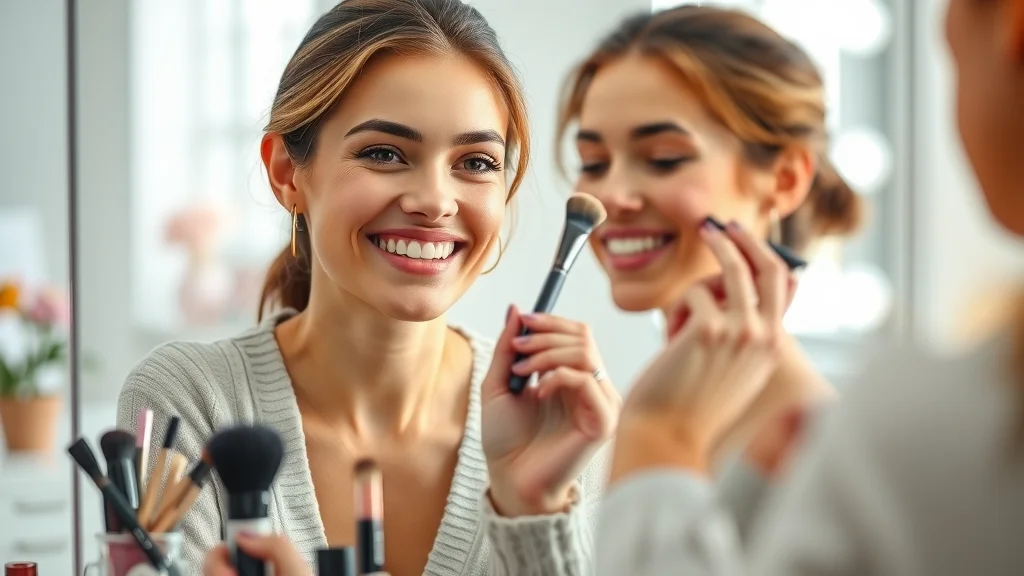
Influencer marketing campaigns have overtaken traditional digital advertising in the beauty industry, driven by authentic interactions and tailored communications suited for today’s consumer. Unlike radio, print, or banner ads, collaborative campaigns with beauty influencers put products into real-life contexts—showing consumers how different shades match real skin tones, how formulas perform under different conditions, and providing genuine feedback through relatable stories. This level of authenticity, combined with direct engagement through platforms such as Instagram Stories, TikTok challenges, and YouTube video content, drastically improves trust and conversion for beauty campaigns over classic marketing strategies.
“80% of beauty brands now allocate budget to influencer marketing, with returns outpacing conventional digital ads.”
When a trusted beauty influencer shares their honest opinion or demonstrates a new blush or serum, social media followers pay attention, discuss, and even co-create with the brand through user-generated content. The result? Brand messages spread further and faster, engagement rates soar, and previously niche beauty products become overnight sensations. This deep community connection is why influencer marketing campaigns now define the roadmap for beauty industry marketing strategies.
What You’ll Learn About Influencer Marketing in Beauty Industry
- The essentials of influencer marketing in the beauty industry
- Effective marketing strategies for beauty brands
- How to identify and collaborate with beauty influencers
- Measuring success of influencer marketing campaigns
Understanding the Role of Influencer Marketing in Beauty Industry
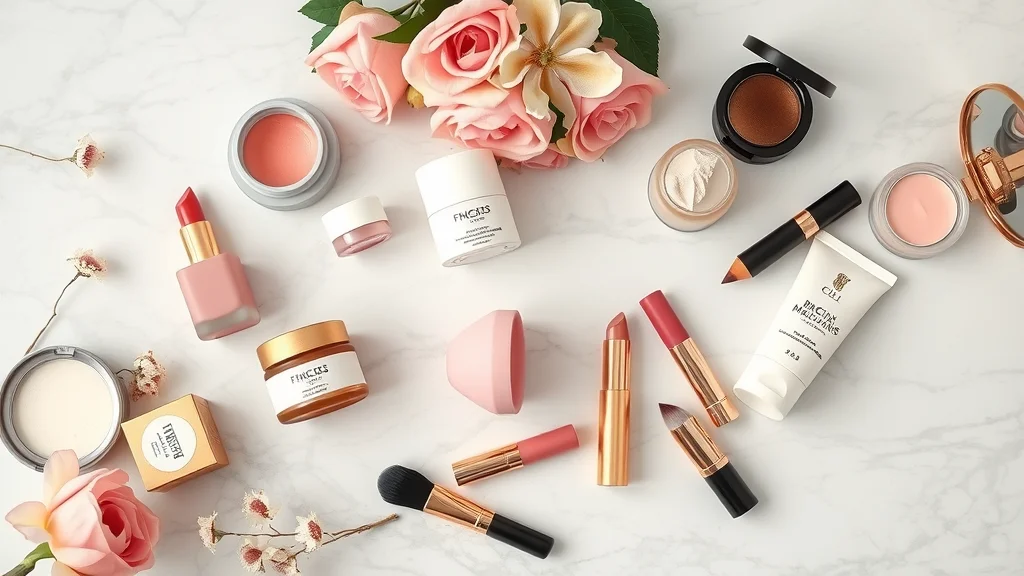
To truly understand how influencer marketing in beauty industry fuels growth, it’s crucial to grasp its unique fit. The beauty industry is simultaneously visual, aspirational, and personal—making it the perfect match for influencer-driven content. Consumers actively seek real, relatable recommendations when shopping for makeup, skincare, and other beauty products. Social media influencers play the role of friend and expert, offering advice that directly addresses skin tone, product effectiveness, or the trending look, which resonates more than brand advertisements alone. This dynamic has made influencer marketing a permanent fixture in the beauty market.
Influencer marketing enables brands to go beyond static advertising, allowing creative freedom for content creators to share honest experiences that translate into trust. With the rise of social shopping, the impact of a beauty influencer recommending a product is immediate. For beauty brands, collaborating with the right influencers offers a direct path to audience engagement, genuine feedback, and insight into shifting consumer behaviors. This audience-driven approach, which places the consumer at the heart of strategy, is a primary reason why the beauty industry has rapidly shifted its marketing campaigns and budgets toward influencer partnerships.
Why the Beauty Market is Uniquely Suited for Influencer Campaigns
The beauty market is distinguished by its strong reliance on storytelling and transformation. Consumers are looking not only for products, but also for relatable experiences and achievable results. With the ability to showcase before-and-after transformations, demonstrate tutorials, and discuss personal journeys in skincare or makeup, beauty influencers make these stories tangible. Unlike other industries where product benefits might be abstract, beauty campaigns present clear visual proof—something only achievable through influencer content. Platforms like YouTube and TikTok enable short-form and long-form video content, supporting both quick tips and in-depth reviews that help shape purchasing decisions.
The highly social nature of the beauty industry means that trends form and spread quickly across social media. Influencers are often at the center of these waves, introducing new routines, highlighting niche brands, and setting the standard for inclusivity by celebrating every skin tone. This propels not only brand awareness, but also pushes larger beauty brands to innovate, making influencer marketing a vital force for change in the beauty marketplace.
Key Definitions: Influencer Market, Beauty Brands, and Beauty Influencers
| Term | Definition |
|---|---|
| Influencer Marketing | Leveraging social personalities to drive brand/message |
| Beauty Brand | Company producing cosmetics, skincare, or fragrance |
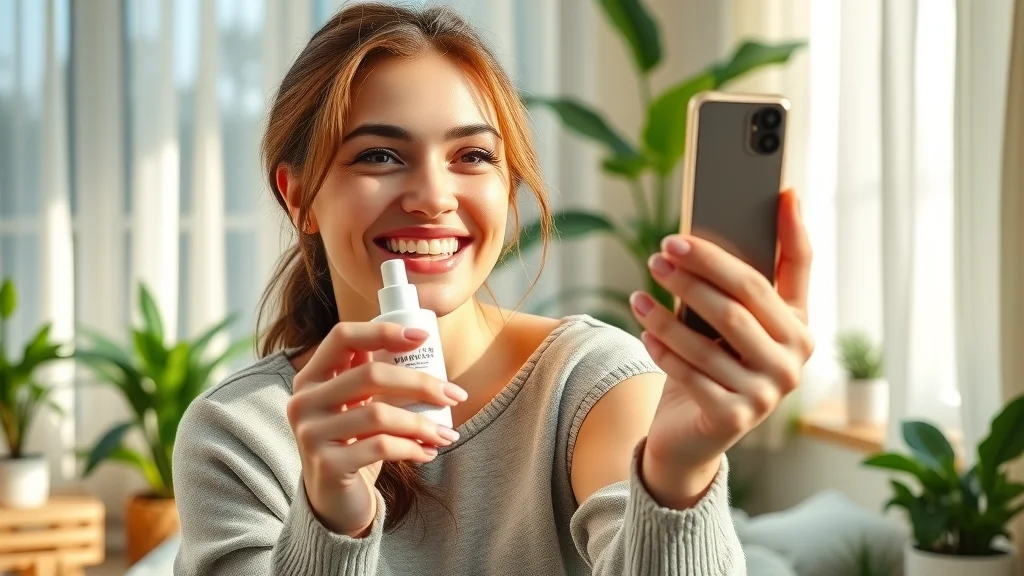
| Beauty Influencer | Content creator in the beauty industry with audience trust |
Why Influencer Marketing in Beauty Industry Outperforms Other Marketing Strategies
Influencer marketing in the beauty industry routinely outpaces other promotional tactics due to its ability to merge credibility, reach, and entertainment. When compared to standard digital advertising, influencer campaigns deliver higher engagement rates, authentic user feedback, and the viral impact of personal recommendations. For consumers, seeing a beauty influencer of similar style or skin tone trial a product can be the determining factor in purchase—especially when supported by video content and interactive Q&As.
Beauty brands reliant on influencer collaborations experience more dynamic, two-way communication. Instead of pushing static advertisements, they harness followers' input, evolving product lines and marketing strategy to suit real conversations. Additionally, influencer marketing allows brands to target micro-communities with precision, often converting passive followers into loyal customers faster than traditional marketing campaigns. As social platforms expand with new features such as Instagram Shops or TikTok Shopping, influencer-driven campaigns only grow more impactful and measurable, making this approach vital for both established and emerging beauty market players.
As you refine your influencer marketing approach, it's also valuable to stay updated on the latest developments and actionable tips that impact small businesses in the beauty sector. For more practical insights and current trends, explore the business headlines and strategies featured on Small Business Today.
Real-World Examples: Beauty Campaigns That Went Viral
Numerous beauty campaigns have reached viral status, propelled by strategic partnerships with influencers. A standout example is Fenty Beauty’s inclusive foundation launch, where beauty influencers of all backgrounds showcased diverse skin tones, driving global social conversations and inspiring brand loyalty. Smaller brands, too, can see dramatic results: think of how indie skincare lines like The Ordinary soared to prominence through TikTok beauty routines led by micro-influencers. Whether it’s a bold new makeup palette or a unique serum formula, these launches use influencer-generated content to spotlight product reviews, transformations, and unboxings, tapping directly into the curiosity and aspirations of modern beauty consumers.
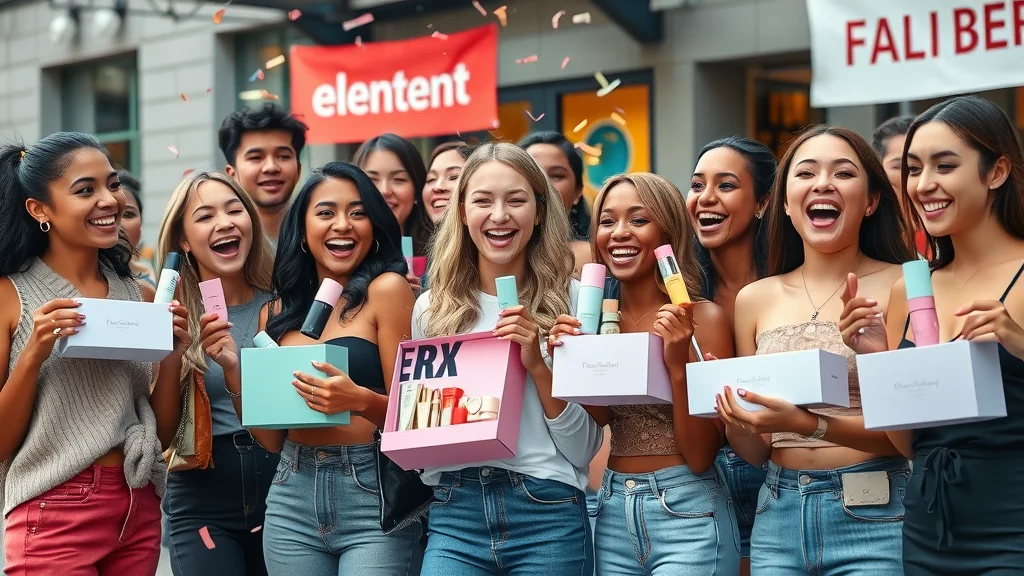
These viral beauty influencer marketing campaigns drive not only buzz and social media shares but also measurable sales and sustainable market shift. By giving creative freedom to social media influencers, brands ensure their marketing message feels organic, boosting both reach and engagement. It’s this ability to generate genuine excitement—combined with smart analytics and audience targeting—that has set the beauty market apart in the influencer marketing revolution.
The Psychology Behind Beauty Influencer Trust and Credibility
At the core of influencer marketing’s success in beauty is trust. Audiences flock to beauty influencers not just for information, but for advice that feels personal and sincere. Viewers see influencers as peers, so their endorsements carry far more weight than traditional celebrity endorsements or faceless ads. When a beauty influencer shares a skincare journey, struggles with acne, or candidly reviews a product, it resonates in ways official brand messages simply cannot. This relationship is built on consistent content, relatable narratives, and proven expertise, which keeps engagement rates consistently high for influencer campaigns.
“Consumers are six times more likely to buy a product if recommended by a beauty influencer they trust.”
For beauty brands, this level of credibility translates to increased ROI and deeper customer loyalty. Consumers are more likely to tag friends, discuss products, and even create their own content in response to influencer reviews, further amplifying a brand’s reach. Whether in makeup tutorials, “get ready with me” videos, or honest product reviews, it’s the personal connection and perceived authenticity of these content creators that consistently drive the success of influencer marketing campaigns in the beauty industry.
Identifying the Right Beauty Influencers for Your Beauty Brand
Success in influencer marketing in the beauty industry hinges on finding the right content creators to represent your brand. Not all influencers are created equal. Micro-influencers, macro-influencers, and celebrities each serve different roles and can yield unique results depending on your campaign goals. For new beauty brands, aligning with micro-influencers can mean high engagement and authentic storytelling within niche markets. Macro-influencers and celebrities, on the other hand, are invaluable for amplifying messages at scale, especially during major product launches or brand pivots.
The process of vetting influencers goes beyond follower counts. Brands must evaluate potential partners for engagement rates, content quality, audience demographics, value alignment, and more. A genuine connection between influencer and brand fosters trust among followers, while red flags such as fake followers, low-quality engagement, or a mismatch in values can undermine even the best marketing campaigns. Ultimately, the quality of your influencer partnerships directly impacts your brand’s digital reputation and campaign results.
Micro, Macro, and Celebrity Influencers: Which Drive Results in Beauty Market?
| Influencer Type | Reach | Engagement Rate | Best For |
|---|---|---|---|
| Micro | 10k–100k | High | Niche targeting |
| Macro | 100k–1M | Medium | Brand awareness |
| Celebrity | 1M+ | Varied | Mass launches |
- Tips to vet beauty influencer authenticity: Look for consistent content style, genuine audience interactions, and transparent partnerships. Check audience demographics and request performance analytics before finalizing a campaign.
- Red flags in influencer marketing campaigns: Sudden spikes in followers, low comment-to-follower ratio, generic comments, or past controversies can indicate fake engagement or misaligned brand values.
- Aligning influencer values with your beauty brand: Partner with creators who share your brand's mission—whether it's cruelty-free products, diversity, or skin positivity—for more impactful campaigns and authentic storytelling.
Building an Effective Influencer Marketing Strategy for Your Beauty Brand
A winning influencer marketing strategy for beauty brands starts with well-defined goals and thoughtful collaboration. Are you seeking to increase brand awareness, boost sales, or generate viral video content? Establishing these objectives from the start guides the selection of influencers, content style, and overall tone of your marketing campaign. From there, brands must determine which platforms—Instagram, TikTok, YouTube, or emerging channels—will best reach their unique audience.
Beauty brands should work closely with influencers to outline content guidelines while granting enough creative freedom for authenticity. Legal and ethical considerations, such as sponsored post disclosures and truthful product claims, are essential for compliance and long-term brand safety. By tracking KPIs such as engagement rate and conversion, you can refine your influencer marketing strategy over time for optimal impact.
Setting Goals for Beauty Campaigns and Influencer Marketing Campaigns
Effective beauty campaigns always begin with specific, measurable goals. For some brands, this may mean increased conversions or product sales through influencer recommendations. For others, the focus may be on reaching new audience segments, launching a viral video content series, or collecting valuable user-generated reviews. Setting these benchmarks allows brands to select the right influencers, allocate proper budgets, and design campaigns that resonate with their intended market. As influencer marketing in the beauty industry becomes more sophisticated, even smaller brands can track their return on investment, continually optimizing their approach for sustained success.
Goal alignment between beauty brands and influencers also encourages transparency and accountability in collaborations. By establishing clear timelines, deliverables, and performance metrics, both parties can contribute to a unified vision—ensuring that every campaign delivers both creative content and measurable value for the brand.
Constructing a Winning Influencer Marketing Strategy
- Selecting the right platforms: Instagram excels at showcasing high-impact visuals and Stories, TikTok thrives on short-form trends and viral challenges, while YouTube is ideal for deep-dive tutorials and product reviews.
- Content guidelines for collaboration: Work with influencers to define key messages, maintain brand voice, and encourage organic storytelling. Provide product education, but allow influencers creative freedom.
- Legal and ethical considerations: Follow advertising standards, ensure sponsorships are clearly disclosed, and use honest product claims to maintain credibility with both creators and consumers.
Executing Successful Influencer Marketing Campaigns
Launching and managing influencer marketing campaigns in the beauty industry requires a blend of logistical planning and creative execution. The most effective campaigns are built on mutual trust and clear communication between the beauty brand and the influencer, ensuring both compliance and creative excellence. Everything from campaign launch timing to video content theme must be considered, with an emphasis on tracking performance in real-time for mid-campaign pivots if needed.
Key aspects of execution include negotiating fair compensation, supplying clear yet flexible briefs, monitoring influencer activity, and supporting the campaign with paid social media promotion if appropriate. Consider cross-promotion through ambassador programs or live Q&A sessions to deepen engagement and enhance storytelling. By focusing on seamless execution, beauty influencer marketing transforms brand reach into tangible engagement and sales.
Step-by-Step: Launching a Beauty Influencer Marketing Campaign
- Define campaign goals and KPIs based on your beauty brand’s needs (awareness, engagement rate, conversions, etc.).
- Identify suitable influencers by researching engagement rates, content quality, and value alignment.
- Negotiate clear deliverables (number of posts, Stories, video content) and compensation.
- Provide product samples and creative briefs, while encouraging influencer-driven storytelling.
- Launch and monitor campaign performance in real time, engaging with influencer content and audience feedback.
- Measure results, gather insights, and optimize future campaigns based on analytics.
Creative Content Ideas for Beauty Influencers and Beauty Brands
- Step-by-step makeup tutorials using trending products
- Honest “first impression” product review videos
- “Get Ready With Me” (GRWM) routines for seasonal looks
- User-generated challenges featuring unique beauty product applications
- Q&A sessions about skincare routines and ingredient choices
Measuring ROI and Analytics in Influencer Marketing Campaigns
Measuring return on investment (ROI) is critical to demonstrating the success of influencer marketing in beauty industry campaigns. The effectiveness of your marketing strategy depends not just on follower growth or likes, but on deeper metrics—engagement rates, conversion rates, brand mentions, and ultimately, sales. By tracking the right analytics, beauty brands gain clarity on what works and where future improvements lie.
Advanced CRM and analytics platforms can now attribute sales and even customer lifetime value back to specific influencer collaborations. Use unique coupon codes, trackable links, or branded hashtags to gather quantifiable data. Regular analytic reviews help optimize ongoing influencer marketing campaigns, inform future creative direction, and ensure the beauty brand’s continued investment yields measurable growth.

Top Metrics: Tracking Beauty Influencer Marketing Campaign Success
| Metric | Description | Goal |
|---|---|---|
| Engagement Rate | Comments, Likes, Shares | Audience resonance |
| Conversion Rate | Leads/Sales | Revenue generation |
| Brand Mentions | Social media tags/references | Brand awareness |
Challenges and Solutions in Influencer Marketing in Beauty Industry
Despite its rapid rise, influencer marketing in the beauty industry comes with challenges—chief among them fake followers, compliance risks, and uncertainty around ROI. Brands must be vigilant, using tools to audit influencer follower authenticity and engagement rates, and staying up-to-date on regulations for sponsored content. Building transparent, mutually beneficial relationships with influencers and audiences is key to overcoming these hurdles.
Adapting to ever-evolving trends, such as the emergence of virtual influencers and new short-form video content types, is essential for maintaining a competitive edge. Staying agile, learning from analytics, and prioritizing ethical practices sets successful beauty brands apart—ensuring influencer marketing campaigns remain both trusted and effective.

Common Obstacles: Fake Followers, ROI Uncertainty, and Compliance
Fake followers can misrepresent an influencer’s true reach, while unclear or non-compliant disclosure can put brands at regulatory risk. Additionally, many brands struggle to track the actual ROI of influencer marketing campaigns. Combating these challenges means investing in robust influencer vetting tools, setting clear guidelines, and measuring results rigorously. Brands who do this protect their reputation and maximize influencer marketing effectiveness for every campaign.
Compliance is particularly important in the beauty industry where claims about product performance can carry legal consequences. Transparent #ad disclosures, clear messaging, and honest product reviews help preserve both creator and brand integrity, building audience trust that translates to sustained purchasing decisions.
Adapting to Trends: Video Content, Virtual Influencers, and More
- How to identify and avoid influencer fraud: Use third-party tools to assess engagement authenticity, request influencer performance reports, and monitor comment quality.
- Best practices for transparent collaborations: Always require disclosure of sponsored content and encourage open communication about expectations and creative process.
Key Takeaways for Excelling at Influencer Marketing in Beauty Industry
- Strategic influencer selection equals successful campaigns
- Adapt content to beauty trends and consumer behaviors
- Data-driven analysis ensures ongoing success in influencer marketing campaigns
People Also Ask About Influencer Marketing in Beauty Industry
How can new beauty brands get started with influencer marketing in the beauty industry?
To get started, new beauty brands should identify their target customers, research suitable beauty influencers, and establish clear collaboration terms. Launch small-scale influencer marketing campaigns on high-traffic platforms, measure results, and optimize the influencer marketing strategy over time.
What makes influencer marketing in beauty industry different from other industries?
The beauty market thrives on visual storytelling, personal product experiences, and trust—areas where beauty influencers excel. Unlike other sectors, influencer marketing in the beauty industry often leverages makeup tutorials, skincare routines, and before-and-after video content to connect with audiences.
What are key trends in beauty influencer marketing?
Key trends include a pivot to short-form video content, authentic user-generated collaboration, increased demand for micro-influencers, and transparent influencer marketing campaigns focused on sustainability and inclusivity.
Frequently Asked Questions About Influencer Marketing in Beauty Industry
- How do you measure the impact of beauty influencer marketing? Track engagement rate, conversion data, and brand mentions using social analytics tools for a comprehensive picture of campaign effectiveness.
- What budget should beauty brands allocate to influencer market campaigns? Budgets vary by brand and influencer tier, but successful campaigns often allocate 10-30% of digital spend to influencer partnerships, ensuring both reach and meaningful engagement.
- Are there legal considerations unique to beauty industry influencer marketing? Yes, always disclose sponsorships and adhere to advertising standards for product claims to maintain trust and compliance in all campaigns.
- Can small beauty brands compete with established beauty brands in influencer marketing? Absolutely. By partnering with micro-influencers and focusing on niche communities, small brands can achieve higher engagement rates and build loyal followings.
Ready to Transform Your Beauty Brand? Start Planning Your Influencer Marketing Campaign Today!
Begin laying the foundation for explosive growth—identify your ideal influencers, set clear goals, and launch your first impactful influencer marketing campaign to see measurable beauty brand success.
As the beauty industry continues to evolve, staying ahead means embracing new strategies and learning from the broader business landscape. If you’re eager to deepen your understanding of what drives success for small businesses—including the latest marketing innovations and leadership insights—be sure to visit Small Business Today. There, you’ll discover a wealth of resources designed to help you navigate challenges, spot emerging opportunities, and elevate your beauty brand’s growth strategy. Take the next step and empower your business with knowledge that goes beyond influencer marketing, setting the stage for long-term success.





Write A Comment