Small Business Today
UPDATE
  • Home
  • Categories
    • Business Headlines
    • Small Business Trends
    • Automotive Industry News
    • Restaurant News
    • Dental Practice Marketing
    • Auto Repair Marketing
    • Roofing Contractor Marketing
    • Salon & Spa News
    • Lawn & Landscape Marketing
    • Plumbing & HVAC Contractor News
February 16.2026
1 Minute Read

Facebook Advertising For Lawn Care: Maximize Your Leads Now

Are you overlooking a game-changing way to attract more local customers to your landscape business? In a world where traditional marketing often falls flat, could Facebook advertising for lawn care be your secret weapon to maximize leads and dominate your neighborhood?

As digital competition heats up, many lawn care company owners still rely on flyers or word-of-mouth, missing out on efficient and targeted online advertising. But with the incredible precision and affordability of Facebook ads, you have the power to connect with the right prospective clients—people who are actually searching for lawn solutions near you. In this guide, I’ll reveal proven strategies to generate more high-quality leads, optimize every ad set for maximum payoff, and share hard-won insights from running countless lead ad campaigns in the lawn care industry.
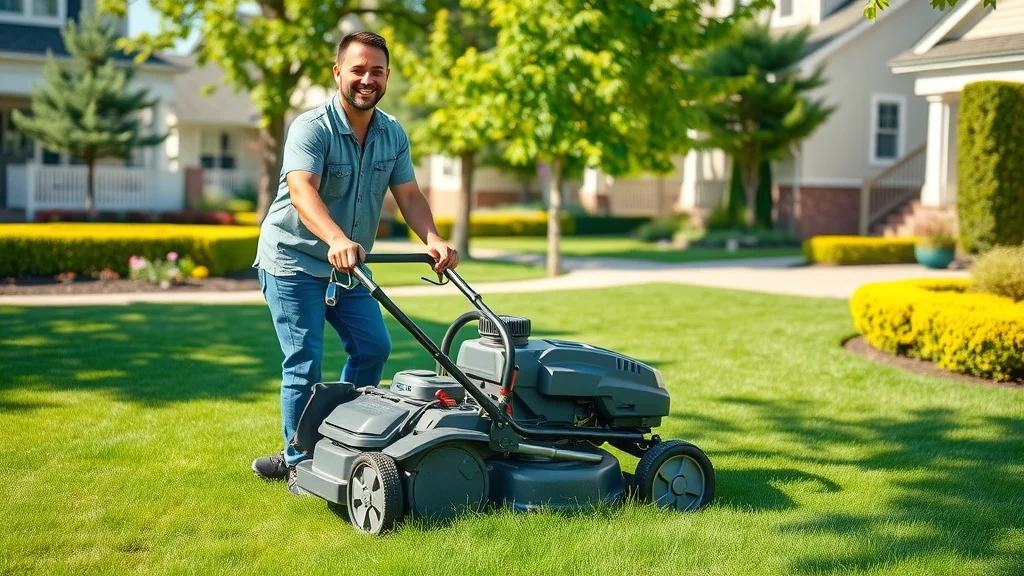
facebook advertising for lawn care vibrant suburban neighborhood lawn with professional and commercial lawnmower

Can Facebook Advertising For Lawn Care Really Transform Your Landscape Business?

When it comes to transforming your landscape business, nothing is capturing attention quite like Facebook advertising for lawn care. Facebook ads cut through the noise, letting you target your exact service areas—right down to zip code—while engaging with potential customers who are already invested in the look and value of their lawn. This means every dollar in your ad campaign works harder, delivering qualified facebook leads faster than traditional print or radio spots.

What sets Facebook ads apart for lawn care companies is the intrinsic combination of advanced targeting and the ease of using facebook lead ads. These specialized ad formats allow you to collect contact details in just a few taps—no clunky forms or follow-ups required. Even with a modest campaign budget, if you harness the right creative and targeting, you can outperform bigger competitors still stuck in old-school marketing ruts. If you want to maximize your leads, trim away wasted spend, and watch your bookings climb, Facebook advertising is the marketing innovation your landscape business deserves.

"Is your landscape business leaving money on the table by ignoring Facebook advertising for lawn care?"

What You’ll Learn: Key Insights Into Facebook Advertising For Lawn Care

  • Why Facebook ads are uniquely effective for lawn care companies
  • Real-world lead ad strategies that work for landscaping businesses
  • Author’s proven opinions on optimizing Facebook lead ads for the industry
  • ROI benchmarks for Facebook advertising for lawn care
  • Common pitfalls lawn care companies face with Facebook ad campaigns

facebook advertising for lawn care business owner reviewing ad performance in modern digital workspace

For those looking to further refine their digital marketing approach, exploring the latest business headlines and trends for small businesses can provide valuable context and inspiration for your next campaign.

Understanding Facebook Ads for Lawn Care: The Author’s Opinion

Having run dozens of ad campaigns for local and national landscape businesses, I've seen firsthand how facebook advertising for lawn care can revolutionize lead generation. Unlike generic online advertising, Facebook allows you to tailor every ad set by location, age, household characteristics, and more—making sure your marketing strategy reaches those most likely to become loyal customers.

Lead ads on Facebook—and specifically, the facebook lead ad format—have proven incredibly powerful for our industry. These allow potential clients to express interest with just a click, and their contact info auto-fills, reducing friction and boosting conversion rates. By regularly testing headlines, offers, and creative visuals, you can refine your campaign and get the highest quality prospective clients with minimum wasted spend. In my experience, success comes from constant budget optimization and using the Meta Pixel to retarget anyone who interacted but didn’t convert initially.

How Facebook Lead Ads Generate Results For Landscape Businesses

The beauty of lead gen on Facebook is in its seamless user experience. When someone in your target zip code views your facebook lead ad, they can submit their information in seconds—no jumping to a separate website, no long forms. This smooth path to conversion has grown our prospective customer lists dramatically for multiple clients, at a fraction of traditional cost-per-lead costs. By integrating marketing automation, follow-up is instant—keeping your landscape business top-of-mind and ready to book appointments.

Furthermore, by analyzing the performance of each ad set, we make real-time adjustments, focusing the campaign budget on the highest-converting demographics and neighborhoods. With a well-structured ad campaign, even a small daily budget can yield dozens of new prospects per week. Pairing creative offers—like discounted first service or dramatic before-and-after photos—makes the facebook offer irresistible.

facebook advertising for lawn care business team celebrating Facebook leads

Crafting an Effective Facebook Lead Ad for Your Lawn Care Services

Launching a winning facebook lead ad involves more than flashy photos. First, understand your audience: local homeowners concerned about curb appeal and value. Segment your ad sets by zip code or neighborhood to ensure relevance. Next, use high-quality images or videos showcasing your best work—think dramatic before-and-afters or time-lapse transformations. Your ad campaign headline should make a clear promise, such as "Transform Your Lawn in Just One Weekend" or "Get a Free Estimate Today. "

Include a facebook offer like a seasonal discount or limited-time service. Keep the lead form simple: name, phone, address, with consent for a follow-up call or text. Don’t forget to implement the Meta Pixel for retargeting and conversion tracking—vital for future campaign budget optimization and understanding which offers are most effective for your market. Regularly monitor performance, tweak text and creative, and soon you'll watch the booking pipeline grow.

"In my experience, a targeted Facebook lead ad not only builds your brand but creates a steady pipeline of qualified customers for any lawn care business."

Table: Comparing Traditional vs. Facebook Advertising For Lawn Care

Advertising Method Average Cost-Per-Lead Audience Targeting Conversion Rate Author Opinion
Traditional Local Print $50+ Low 1-2% Less flexible, minimal tracking
Facebook Ads $5-$15 High 5-12% Superior targeting and data insights

It’s clear from the data: Facebook ads deliver a much lower cost-per-lead, higher audience targeting capabilities, and far better tracking for future ad campaigns than print ever could. Combine these with agile budget optimization for a powerful marketing strategy tailored for fast-growing landscape businesses.

lawn care business owner comparing print advertising with facebook ads

Best Practices: My Top Tips for Running Facebook Ads for Lawn Care

  • Set up a dedicated budget and test multiple Facebook lead ad creatives: Split your ad sets to test visuals, headlines, and calls-to-action. Use a lifetime budget for broader time-based optimization or a daily budget to prevent overspending.
  • Target neighborhoods with proven demand for landscaping services: Drill down to specific zip codes where you’ve seen past success or have repeat customers. Facebook’s detailed targeting ensures your budget isn’t wasted on uninterested prospects.
  • Use video content in Facebook ads to showcase dramatic lawn transformations: Before-and-after footage, or quick tips, dramatically improve engagement and conversion, making your facebook offer stand out.
  • Monitor and optimize lead ads daily for maximum ROI: Regularly review each ad set's cost-per-lead and conversion rates. Pause underperforming ads, and shift your advertising investment to the creatives and audiences getting results.
  • Capitalize on Facebook’s retargeting features for recurring lawn care customers: Use the Meta Pixel to retarget website visitors or prior customers with special Facebook offers, turning one-off jobs into ongoing contracts.

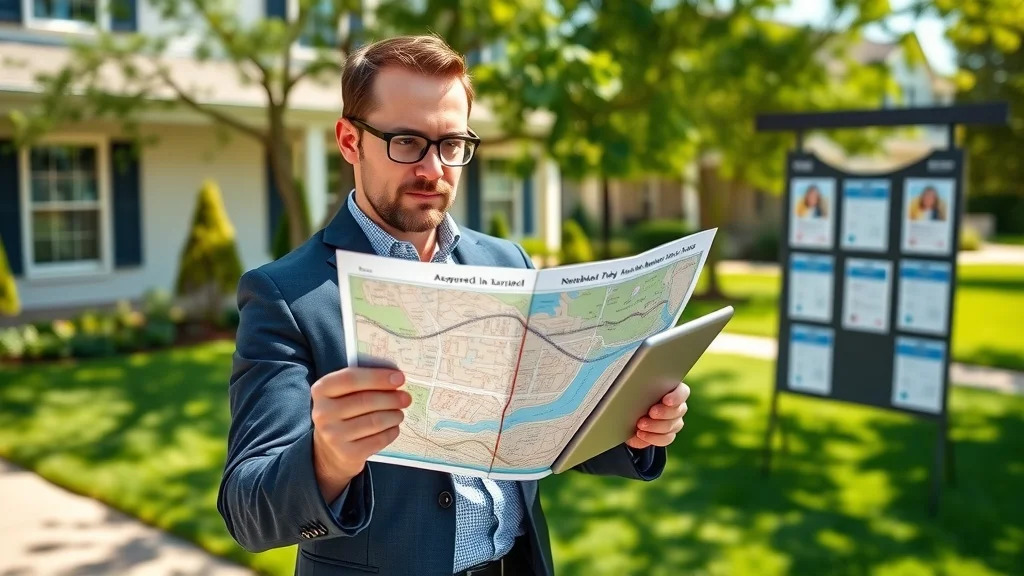
facebook advertising for lawn care brainstorming lawn ad ideas in creative workspace

facebook advertising for lawn care targeted neighborhood advertising

facebook advertising for lawn care before and after dramatic lawn transformation

People Also Ask: Facebook Advertising For Lawn Care FAQs

Do Facebook ads work for lawn care?

Answer: Based on the author's experience, facebook advertising for lawn care works exceptionally well when targeting local leads, optimizing ad copy, and using facebook lead ads to streamline the customer journey.

In today’s digital-first world, facebook ads consistently stand out for landscape businesses. They provide granular control over ad set targeting—from zip code down to individual interests or recent homebuyers. The lead ad format means prospective customers can request quotes or appointments in just a few taps, boosting conversion rates and filling your calendar. Continuous budget optimization and attention to which creatives drive traffic or inquiries helps ensure lasting success for a lawn care operation of any size.

facebook advertising for lawn care professional receives new Facebook lead on smartphone

How to run landscaping ads on Facebook?

Answer: Start by defining your audience, crafting a compelling landscape business offer, and utilizing video or before/after images within your facebook ads. Optimize with lead ads and retarget people who engage.

To successfully launch landscape business ads on Facebook, begin by researching target zip codes and demographics. Build ad sets based on homeowners fitting your ideal customer profile. Use compelling Facebook offers, such as limited-time discounts or free estimates, to drive engagement. Videos and before/after photos capture attention and stand out in feeds. Implement the Meta Pixel for ongoing retargeting and gather robust data for future budget optimization. Prioritize lead ads over standard traffic ads for maximum conversion, and monitor analytics daily for campaign improvement.

montage of successful facebook advertising for lawn care ad creatives

What's the best way to advertise a lawn care business?

Answer: In the author's experience, facebook advertising for lawn care—especially using facebook lead ads—delivers leads affordably and lets businesses quickly scale their booking pipeline.

While word-of-mouth and local print may keep a few phones ringing, Facebook ads put your services in front of exactly the right prospective client—at exactly the right time. Using highly targeted lead ads, you can present an irresistible Facebook offer directly to those who care most about curb appeal. Combine this with ongoing retargeting and an optimized campaign budget, and your landscape business will enjoy a consistent stream of new, qualified leads. For most businesses, this means less stress, more time servicing clients, and scalable growth.

Is $10 a day enough for Facebook ads?

Answer: Yes, $10 a day can be sufficient for effective facebook ads for lawn care, especially when you focus on highly-targeted facebook lead ads and continually optimize creative and targeting for your landscape business.

You don't need a massive campaign budget to get results. With $10 per day, split-test a few ad sets targeting top-performing zip codes. Use concise, visually engaging lead ads and monitor them daily with Facebook's built-in analytics. Even on a modest budget, consistent budget optimization and the power of the Meta Pixel ensure you only spend on ads that convert. The key is focusing every dollar on what demonstrably works for your local market and tweaking strategy as feedback rolls in.

Key Takeaways: Why Facebook Advertising For Lawn Care Deserves Your Attention

  • Facebook ads offer unprecedented targeting for lawn care companies.
  • The ROI for facebook lead ads is typically higher than traditional marketing.
  • Personal experience reveals consistent, qualified leads through strategic facebook ad campaigns.
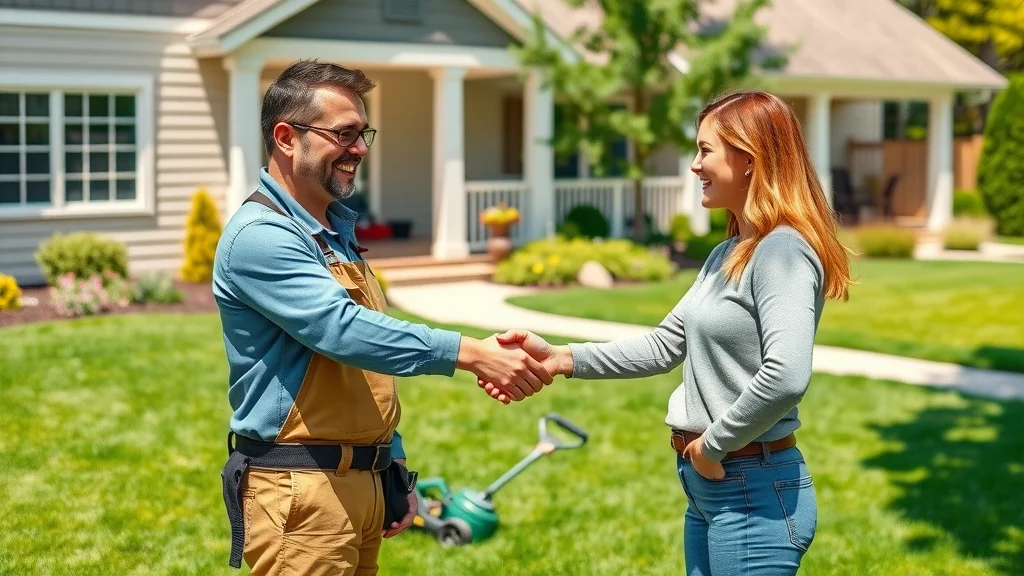
lawn care owner shaking hands with customer after facebook advertising success

Ready to Grow? Put Facebook Advertising For Lawn Care to Work Today

Don’t let your landscape business fall behind—harness the power of Facebook advertising for lawn care now and enjoy a steady stream of growth, satisfied customers, and a thriving local reputation.

If you’re eager to keep your competitive edge sharp and stay ahead of industry shifts, it’s worth exploring how broader business trends can impact your marketing strategy. The latest insights on small business headlines and emerging opportunities can help you anticipate changes, adapt your approach, and unlock new growth avenues for your lawn care company. By staying informed and proactive, you’ll be better equipped to leverage not just Facebook ads, but a full spectrum of digital tools to drive your business forward. Take the next step and discover what’s shaping the future of small business success today.


Lawn & Landscape Marketing

41 Views

0 Comments

Write A Comment

*
*
Please complete the captcha to submit your comment.
Related Posts All Posts
11.22.2026

Why Professionals Should Rethink Shredding Leaves in Trash Cans

Update The Debate Around Shredding Leaves: Eco-Friendly or Not? Landscapers and lawn care professionals often face the dilemma of how to properly dispose of leaves in the autumn. The video, The Truth About Shredding Leaves in a Trash Can #lawncare, sheds light on a common practice: shredding leaves in a trash can. While this method might be convenient for some, it raises several environmental questions that merit further discussion. The decision on whether to shred leaves or not can have broader implications on waste management and sustainability in the landscaping industry.In The Truth About Shredding Leaves in a Trash Can #lawncare, the discussion dives into leaf disposal practices, exploring key insights that sparked deeper analysis on our end. Understanding Leaf Shredding Shredding leaves is lauded for its ability to create mulch, which can be reused in gardens. The process is relatively straightforward: leaves are chopped into smaller pieces, making them easier to handle. However, many landscape professionals are unaware that simply collecting and disposing of leaves can contribute to significant waste. The practice of shredding leaves can reduce volume, making it easier to transport them or use them as organic matter. But, the question arises: is it the best approach? Does it truly balance convenience with environmental responsibility? Environmental Impact One of the critical points discussed in the video is the environmental ramifications of yard waste disposal. Shredded leaves might seem less harmful than whole leaves in trash bags, but they still contribute to landfill mass. As organic material decomposes in landfills, it produces methane, a potent greenhouse gas that contributes to climate change. The situation is compounded when considering the sheer volume of yard waste produced annually; in many municipalities, leaf and yard waste represent a significant portion of the total waste stream. Therefore, while shredding leaves can aid in composting and retain nutrients, it still has implications on waste production that landscaping professionals need to consider. Best Practices for Leaf Disposal Instead of shredding leaves solely for disposal, landscape professionals would benefit from promoting practices that allow for more sustainable outcomes. Here are a few alternative approaches that are gaining traction among eco-conscious landscapers: Composting: Utilizing shredded leaves in compost heaps promotes nutrient recycling while minimizing landfill contributions. Composting not only enriches the soil but also reduces the need for chemical fertilizers. Mulching: Shredded leaves can be used as mulch around garden beds, which retains moisture and suppresses weeds. This technique can lead to healthier plants and reduced irrigation needs. Leaf Blowing: Instead of shredding, using leaf blowers to gather leaves into piles for community collection can reduce individual burdens, promoting neighborhood collaboration in waste disposal. Community Programs: Participate in or establish local leaf collection drives where shredded leaves can be diverted to community gardening projects or neighborhood composting efforts. Future Trends in Lawn Care Practices As lawn care professionals adapt to changing regulations aimed at promoting sustainability, the industry is likely to evolve. Innovative tools, such as electric leaf blowers and composters, are being developed to minimize noise pollution and carbon footprints. By exploring these technologies, landscapers can create healthier outdoor spaces while fostering community sustainability. We can also expect to see more workshops and training opportunities focusing on sustainable practices, which will help create a more informed and environmentally responsible workforce within the landscaping community. Advice for Lawn Care Professionals In light of the insights shared in the video, it’s important for professionals in the lawn care industry to be educated on sustainable practices. Here are some actionable tips for integrating sustainable methods into everyday operations: Stay Informed: Regularly attend workshops and read literature on environmental best practices. This will help you stay ahead of trends and regulations affecting landscaping. Engage Clients: Educate clients about the ecological benefits of using leaves as mulch or compost rather than disposing of them. Empowering clients to make sustainable choices enhances your professional credibility. Network with Peers: Join local green associations to interact with like-minded professionals and share resources. Collaborating with others can lead to innovative ideas and practices that benefit the entire community. Utilize Technology: Consider investing in modern tools that not only improve efficiency but also contribute to a lower environmental impact, such as battery-powered equipment and advanced composting solutions. Conclusion: Transforming Lawn Care Practices To ensure a greener future, it is essential for lawn care professionals to rethink traditional practices like leaf shredding. The insights from The Truth About Shredding Leaves in a Trash Can #lawncare provide a compelling call to action: embrace eco-friendly techniques or risk contributing to environmental crises. Lawn care isn't just about aesthetics; it plays a fundamental role in our broader ecosystem. By making conscious decisions regarding leaf disposal and lawn maintenance, professionals can actively participate in the movement towards sustainable landscaping. To promote sustainable landscaping, consider making gradual changes to your practices. Start by integrating composting and mulching into your offerings and educate yourself continually on evolving trends. This proactive approach will not only benefit your clients but also contribute positively to our planet, fostering a healthier environment for future generations.

11.22.2026

Why Scraping Highway Edges Matters for Lawncare Professionals

Update The Importance of Highway Scraping and Its Unseen Benefits When it comes to maintaining the highways we drive on every day, most of us take these roads for granted. However, a crucial aspect often overlooked is the scraping process at highway edges, which serves more than just an aesthetic purpose. Understanding why and how this practice is conducted is essential, especially for professionals in the landscape and lawncare sectors, as it opens up a broader conversation about land management and maintenance.In 'The Real Reason They Scrape the Edge of a Highway!', the discussion dives into the significance of this maintenance practice, exploring key insights that sparked deeper analysis on our end. Enhancing Safety on the Roadways One of the primary reasons road crews scrape highway edges is to ensure the safety of drivers. Over time, debris, vegetation, and soil can encroach upon the pavement, leading to dangerous conditions like reduced visibility and slippery edges. By regularly scraping these edges, the roads are kept clear, minimizing accidents and improving traffic flow. For landscape and lawncare professionals, understanding these safety measures can also inform their maintenance strategies for residential properties, promoting better visibility along pathways and driveways. Aside from simply keeping roads clear, the removal of potentially hazardous overgrowth also helps curb the growth of wildlife that tend to inhabit roadside vegetation. Animals crossing highways can lead to accidents, especially at night. Thus, by controlling the vegetation along highway edges, crews effectively minimize the risk of collisions with deer and other animals, enhancing overall road safety. Environmental Considerations in Road Maintenance Interestingly, the scraping process is also linked to environmental stewardship. Properly maintaining the edges of highways prevents invasive plant species from taking root and spreading. Invasive species can outcompete native flora, disrupting local ecosystems. This practice not only enhances the local ecosystem but also complements the work of landscape professionals who strive to maintain native plantings in green spaces. Recognizing this connection allows lawncare experts to better position their services in a way that aligns with sustainability goals. Moreover, maintaining a clean highway edge can help preserve water quality. Debris and runoff from overgrown areas can lead to pollution entering nearby water bodies. By scraping and maintaining the edges, highway departments can mitigate these issues, ultimately resulting in cleaner rivers, lakes, and streams that are vital to our environmental health. This creates a mutual benefit for both landscape professionals and the eco-systems they aim to protect. Operational Efficiency and Resource Management From an operational standpoint, the scraping of highways can significantly improve resource management. When crews remove grass and debris, they prevent moisture from being trapped along road edges, which can, if left unmanaged, lead to soil erosion and structural damage over time. This process, therefore, not only preserves the integrity of the roads but also reduces the need for costly repairs down the line—a vital lesson for lawncare businesses that must involve ongoing maintenance of lawns to prevent deterioration. For lawncare professionals, the lessons learned from highway maintenance practices can serve as a blueprint for efficient operations. By employing strategies that prioritize resource management and environmental health, businesses can not only provide better services but also improve their bottom line. Investing in proper maintenance tools and techniques allows for improved customer satisfaction and fosters a loyal client base. The Role of Technology in Modern Highway Maintenance As technology continues to advance, the methods by which we maintain highways are evolving. Innovations such as drones for aerial surveillance and AI-assisted analytics are becoming commonplace in assessing the condition of roadways. These advancements not only optimize the scraping process but can also provide data that landscape professionals can leverage in their operations. For example, GIS (Geographic Information Systems) analytics can help landscapers understand geographical variances in their client's properties, allowing for more tailored care and interventions. By staying informed about technological advancements, lawncare businesses can adopt similar technologies for more efficient service delivery. This could include using GPS systems for route optimization, enabling landscapers to save fuel and time while improving service quality. Embracing technology not only boosts productivity but also positions businesses as forward-thinking and professional. Future Trends in Highway Maintenance Looking ahead, we can foresee a greater emphasis on sustainability and innovation in highway maintenance practices. As climate change becomes an increasing concern, initiatives that reduce the carbon footprint of maintaining roadways will likely gain traction. This includes using eco-friendly materials for road repairs and sustainable landscaping practices to improve highway aesthetics. For landscape professionals, this signifies a potential partnership with highway authorities, focusing on eco-friendly materials and techniques that could also apply to lawn and landscape management. By aligning practices with sustainability goals, lawncare businesses can benefit from additional contracts in public projects or community greenspaces, fostering a more responsible and circular economy. Taking the Knowledge Back to Your Business For landscape and lawncare professionals, the lessons learned from highway edge scraping can be transformative. By integrating these principles of safety, environmental care, and operational efficiency into their businesses, they position themselves as responsible stewards of the land. Furthermore, employing the latest technologies discussed can yield better results and enhance client satisfaction. Continuously educating staff about modern practices and the importance of eco-friendly methods can lead to a more knowledgeable and adaptable team, better equipped to meet future challenges in the industry. Conclusion: Your Role in Landscape Stewardship Highway maintenance might seem a world away from landscape care, but the intersection is clear. Professionals in landscaping can draw from the techniques and strategies used in highway maintenance to create more effective, eco-friendly lawn care approaches. Recognizing these connections is vital, and it's time to implement the best practices in your own business operations. Embracing these strategies fosters not only personal or business growth but also contributes to a healthier environment for the future generations.

11.21.2026

Unlocking High-End Residential Lawn Maintenance Pricing Strategies

Update Understanding High-End Lawn Maintenance Pricing Strategies As the lawn care industry grows more competitive, finding the right pricing strategy for high-end residential lawn maintenance is critical. This nuanced topic is explored in detail in the insightful video titled How to Price High-End Residential Lawn Maintenance, where business practices from companies like Stepping Stone provide excellent case studies. With a focus on understanding service offerings, customer management, and the balance between quality and affordability, landscape and lawncare professionals can glean key takeaways that will set them apart in their marketplace.In How to Price High-End Residential Lawn Maintenance, the discussion dives into the intricacies of pricing strategies, exploring key insights that sparked deeper analysis on our end. Service Offerings: A Diverse Portfolio Stepping Stone is not just about mowing lawns; they offer a full spectrum of services that include bed maintenance, turf care, mulch installation, and seasonal cleanups. Emphasizing customer trust over pricing concerns illustrates the importance of building long-term relationships. Their services can be visualized like a pie chart, where maintenance and enhancements each take up about 45 percent, demonstrating a strategic division of service emphasis that ensures steady business across various needs. The provision of a diversified portfolio minimizes risk and maximizes customer satisfaction by catering to different aspects of lawn care. By offering additional services like aeration and weeding, Stepping Stone also shows that upselling is an effective strategy for increasing revenue. Balancing Service Agreements and Flexibility A significant segment of Stepping Stone's clientele chooses annual service agreements, providing a consistent revenue stream and ensuring customer loyalty. This is particularly important in an industry where service frequency can fluctuate with seasons. By offering structured payment plans, such as monthly billing for annual contracts, lawn care services make budgeting easier for clients. The option of bi-weekly mowing shows how a bit of flexibility in scheduling can appeal to customers' differing preferences—some may want to maintain their lawns more rigorously, while others might prefer a less frequent visit. This highlights the need for lawn care providers to remain adaptable while still benefiting from service agreements. Consumer Trust and Long-Term Relationships Building trust, as highlighted in the video, plays a vital role in determining service pricing. Jackson, a Stepping Stone representative, emphasized how existing relationships allow them to charge a premium for enhancement projects. Trust-based pricing enables companies to garner higher returns on investment without the constant pressure of negotiating costs. For new landscape professionals, understanding how to foster trust and loyalty among clients can be the difference between losing and retaining valuable customers. Offering loyalty discounts or referral bonuses can further enhance relationships and promote a positive reputation among clients. Clients who feel valued are more likely to recommend services to their friends and family, expanding the clientele base. The Importance of Technological Integration Today’s lawn maintenance companies need to leverage technology for efficiency and better customer service. Implementing automated billing systems, like Stepping Stone’s pay-as-you-go model, allows for seamless transactions and improves cash flow. By adopting similar tech-driven strategies, offering online booking, mobile payments, or customer mobile apps, landscape professionals can enhance the overall service experience, aligning with customer expectations in the digital age. Moreover, utilizing customer relationship management (CRM) systems can help firms keep track of client preferences, communication history, and feedback, which is invaluable for providing personalized service. Insights on Customer Segmentation Understanding customer preferences is paramount; some clients desire comprehensive packages, while others may seek ala carte services. Performing market research and conducting surveys can enable lawn care professionals to segment clients effectively to offer tailored services that meet specific needs, thereby optimizing their service delivery and pricing strategies. The more precisely businesses can target their offerings, the better they can meet customer expectations and enhance their satisfaction. Engaging with clients through one-on-one consultations can also help assess their unique landscaping requirements, allowing businesses to propose customized solutions. Future Trends in Lawn Care Services The lawn care market is evolving, with emerging trends such as eco-friendly landscaping, sustainable practices, and the integration of AI for yard maintenance assistance. These trends are increasingly relevant as consumers become more environmentally conscious and technologically savvy. Future predictions suggest that those willing to adapt their business models to incorporate green solutions may enhance their appeal to these eco-aware consumers. Lawn care firms that offer organic treatments or employ sustainable practices, such as water-efficient irrigation systems, are likely to attract a growing segment of environmentally conscious clients. The incorporation of tech solutions can also lead to operational efficiencies, allowing for better resource management. The Bottom Line: Pricing Strategies for Success Ultimately, pricing for high-end residential lawn maintenance is a blend of service comprehension, customer relationship management, and adaptability. For lawn care professionals, balancing these elements while efficiently managing operational costs creates a foundation for success. Paying attention to customer feedback can further refine service offerings, ensuring that pricing remains competitive while still reflecting value. Understanding how to communicate those values clearly to potential customers can be a game-changer in converting inquiries into long-term contracts. If you’re enthusiastic about carving out your niche in the lawn care space, it’s vital to embrace these strategies while remaining adaptable to market changes. Building a brand based on quality, reliability, and superior customer service will help establish a strong foothold in the high-end segment of the lawn maintenance industry.

cropper
update

Small Business Today

cropper
update

Write a small description of your business and the core features and benefits of your products.

  • Small Business Today
    update
  • Small Business Today
    update
  • update
  • Small Business Today
    update
  • Small Business Today
    update
  • Small Business Today
    update
  • Small Business Today
    update

COMPANY

  • Privacy Policy
  • Terms of Use
  • Advertise
  • Contact Us
  • Menu 5
  • Menu 6

(508)344-5927

AVAILABLE FROM 8AM - 5PM

City, State

, ,

ABOUT US

Write a small description of your business and the core features and benefits of your products.

© 2026 CompanyName All Rights Reserved. Address . Contact Us . Terms of Service . Privacy Policy

Terms of Service

Privacy Policy

Core Modal Title

Sorry, no results found

You Might Find These Articles Interesting

T
Please Check Your Email
We Will Be Following Up Shortly
*
*
*