

Did you know that 85% of small landscaping businesses say that quality leads make or break their growth, yet many still rely on outdated methods? The reality is, if you want your landscaping business to grow swiftly and sustainably, you need to embrace innovative lead generation for landscaping services now. This guide reveals exactly how to drive potential clients to your landscaping company — not by luck, but by leveraging proven digital strategies, local SEO, and expert marketing tactics. Get ready to leave old-school advertising behind and fill your pipeline with qualified lawn care leads who are eager to book today.
Unlocking Growth: Startling Facts About Lead Generation For Landscaping Services
"85% of small landscaping businesses report that quality leads are the single biggest factor in their growth—yet most rely on outdated methods. "
Lead generation for landscaping services isn’t just about finding names and numbers—it's about building a steady stream of qualified, high-value opportunities. The landscaping industry is booming, and digital-savvy businesses are capitalizing on this demand by adopting modern marketing strategies that bring in more care leads than ever before. In a world where nearly every homeowner and property manager searches online before hiring, the way you generate, nurture, and convert landscaping leads defines whether your business thrives or stagnates. The top landscaping businesses are those that recognize the need for innovation—using Google Ads, SEO, social media, and personalized email marketing to stay ahead of competitors stuck in the past.
To maximize your growth, it’s crucial to understand not only where your lawn care leads come from, but which channels deliver the best conversion rate. With digital traffic and local search dominating the market, businesses who focus their lead generation for landscaping services with a strategic, data-driven approach can expect to grow your business faster, reach more clients, and outshine your competition at every step.

What You’ll Learn About Lead Generation For Landscaping Services
- Why innovative lead generation methods outperform traditional advertising
- How to leverage Google Ads and social media for lawn care and landscaping leads
- Key factors that influence prospects to choose your landscaping service
- Steps for implementing a successful marketing strategy to grow your business
- Practical tools to acquire quality leads and expand your local services
The Importance of Lead Generation For Landscaping Services
"The difference between surviving and thriving in landscaping often comes down to a consistent stream of qualified leads. " – Industry Expert
Lead generation for landscaping services isn’t just another box to tick in your marketing strategy—it’s the engine that powers your entire business. Whether your focus is on residential lawn care, commercial landscaping, or public grounds services, the only way to reliably grow your business is through a steady influx of quality leads who are eager to buy. In a competitive local market, it’s not enough to rely on word of mouth or passing flyers in neighborhoods. Today’s customers want fast, digital access to trusted providers, compelling portfolio examples, and responsive communication. This is where leveraging cutting-edge lead generation strategies gives your landscaping business the competitive edge.
Every landscaping lead represents a new opportunity for revenue, referrals, and recurring contracts. Without systematic lead generation, even the best landscaping services struggle to fill their schedules consistently. That’s why adopting a holistic approach—utilizing search engine optimization, Google Ads, social media, and email marketing—ensures your business is always visible in local search results and on the radar of potential clients searching for care services right now.
Understanding Your Target Market: The Foundation of Landscaping Lead Generation
Defining and understanding your target market is absolutely foundational for effective lead generation in landscaping. Different segments—like homeowners, property managers, and local governments—have distinct needs, motivations, and preferred acquisition channels. By identifying the right audience for your landscaping business, you can craft personalized messaging and offers that turn browsers into qualified leads. For example, residential clients may respond better to attractive Instagram before-and-after shots, while commercial clients may be persuaded by clear case studies and long-term service agreements. Recognizing these differences helps select the best tools and platforms for your lead generation strategy, ensuring every dollar and minute you invest yields results that grow your business.
Take a look at the table below for a breakdown of primary target segments and methods for attracting them to your landscaping services.
| Target Segment | Needs | Service Examples | Acquisition Method | Potential Value |
|---|---|---|---|---|
| Residential Homeowners | Lawn maintenance, garden design | Weekly mowing, landscape design consults | Social media, Google Ads | High/Recurring |
| Commercial Property Managers | Landscaping service contracts | Full-service maintenance, seasonal upgrades | Email marketing, networking | Very High |
| HOAs/Local Government | Public grounds care | Parks maintenance, grass/facility upkeep | Referrals, local events | Medium/High |

Building a High-Converting Lead Generation System For Landscaping Services
A high-performing lead generation system unites all of your digital marketing channels and offline outreach to consistently supply your landscaping business with qualified, ready-to-book prospects. Start by mapping out the specific paths your potential clients follow—from discovering you in search results to interacting with your landing pages and booking a quote. Integrate tools like CRM systems, online scheduling, and automated follow-ups to simplify every touchpoint, providing a seamless journey for every care lead.
Crucially, ensure that all marketing materials—ads, website content, and social profiles—are aligned in messaging and brand visuals. Clear calls-to-action (“Book Now,” “Get a Quote”) and prominent displays of social proof (testimonials, reviews, before-and-after images) build trust right away and increase conversion rates. When designed with your specific services and target audience in mind, this automated, data-driven lead generation system will reliably grow your business while freeing up time to focus on providing outstanding landscaping services to your clients.
As you refine your lead generation system, it's also valuable to stay updated on the latest trends and actionable tips that impact small business growth. For more practical insights and current strategies, explore the latest business headlines and resources at Small Business Today.
Digital Essentials: Website Optimization For Lawn Care Leads
Your website is the first impression most potential landscaping clients get—so it must be optimized for conversions. A modern, responsive site featuring local service keywords and compelling imagery not only drives traffic, it ensures your landscaping business stands out in search results. Make sure key information—like your services, service area, and unique selling points—is prominently featured, and every landing page is designed to convert lawn care leads into bookings. A professional, inviting digital presence acts as a 24/7 sales team, quietly nurturing care leads even while you’re at work on a property.
Beyond design, use analytics to test user flow and optimize your most important conversion points. From headline to call-to-action, every element should answer the needs of your ideal client and provide clear next steps, so even first-time visitors are confident to request a quote or book a service instantly.
Turning Landscaping Leads Into Sales With Convincing Landing Pages
- Prominent “Get a Quote” or “Book Now” buttons: Make it simple and obvious for visitors to take the next step.
- Showcase testimonials and project portfolios: Build instant trust and demonstrate real-life results by displaying reviews and before-and-after images from local projects.
- Geotargeted service area content: Use localized content and maps so prospects know you serve their specific neighborhood, boosting your local service relevance.
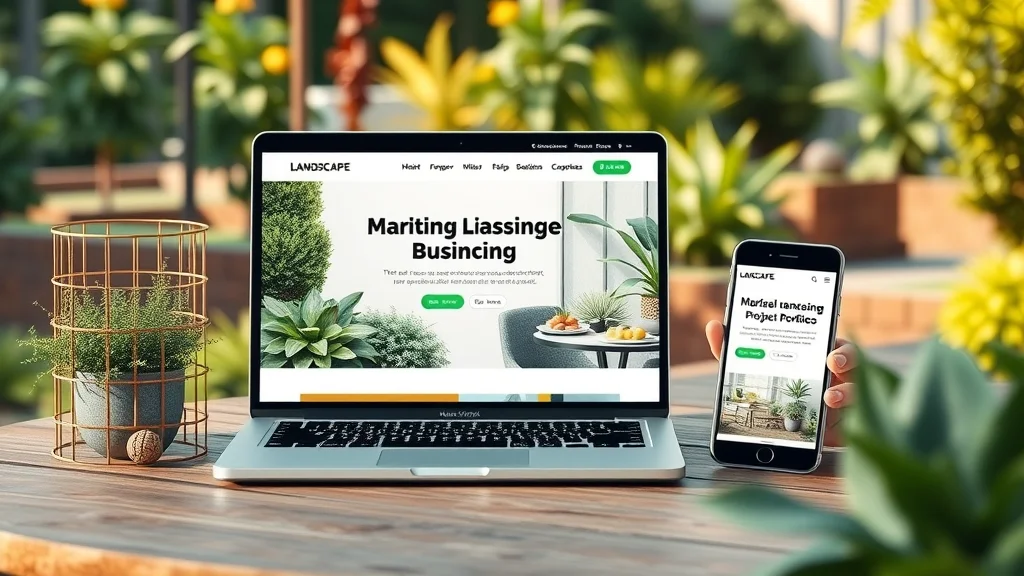
SEO Strategies That Drive Lawn Care Lead Generation
- Use your main keyword, lead generation for landscaping services, in your headings, meta tags, and the body of your content for search engine visibility.
- Optimize copy for landscaping business, lawn care leads, and key local services your business offers—these terms drive targeted searches.
- Publish authoritative, helpful blog posts that answer common care leads questions, show expertise, and position your business at the top of search results.
Effective SEO establishes a long-term, organic pipeline for landscaping leads. By answering local questions and actively maintaining your Google Business Profile, your landscaping business will appear in more searches—capturing lawn care leads who are ready to hire. Combine technical optimization with relevant, hyper-local content and you’ll turn your website into the top lead generation resource in your area.
Using Google Ads For Lead Generation For Landscaping Services
Google Ads is a powerhouse for generating quick, targeted traffic to your landscaping lead generation landing pages. When executed well, a Google Ad campaign ensures your landscaping services are visible at the top of search results for keywords like “lawn care” and “local landscaping business. ” The key is to focus on conversion-driving copy, use clear service and geographic targeting, and harness the analytics tools offered by Google to continually improve your results and optimize cost per lead.
Combine Google Ads with your organic SEO strategy for a full-spectrum marketing approach that captures both immediate and long-term landscaping leads. And with the right tracking and testing, you’ll know exactly which ad variations generate the highest quality leads for your landscaping business.
Practical Tips for Maximizing ROI With Google Ads
- Set clear location and service keywords for your landscaping business: Focus your budget on areas you serve and the specific services you offer for the highest quality leads.
- Utilize ad extensions to highlight reviews and special offers: These add-ons make your ads stand out and build instant trust with potential clients looking for care services.
- A/B test ad copy focused on local service solutions: Regularly split-test headlines, descriptions, and calls-to-action to find what converts most effectively for your business.

Harnessing Social Media For Landscaping Lead Generation
Social media is a dynamic, interactive platform that connects your landscaping business directly with local homeowners, property managers, and community influencers. With platforms like Facebook and Instagram, you can put your best work on display, target specific audiences, and start real conversations that turn casual browsers into loyal clients. Done right, regular posting, targeted ad campaigns, and rapid engagement make social media one of the most cost-effective tools for generating new landscaping leads.
- Post regular before-and-after transformation case studies to showcase real results and customer satisfaction.
- Run targeted Facebook and Instagram ads reaching local prospects searching for lawn care services.
- Respond promptly to comments and direct messages to build relationships and move prospects toward booking.
"Businesses with an active social presence average 200% more care leads than those without. "

Implementing Email Marketing To Nurture Landscaping Leads
Email marketing allows you to stay top-of-mind with past and potential clients—delivering timely, useful information that moves them toward booking or referring your landscaping business. By segmenting your list (residential vs. commercial, interested in design vs. maintenance), you can send highly relevant offers, tips, and stories that nurture leads over time. Automated follow-up sequences ensure that “lost” care leads are never forgotten, giving them multiple opportunities to schedule with your business.
- Create segmented campaigns for different landscaping service types (recurring lawn care, one-time garden design, commercial accounts, etc.)
- Share seasonal offers, expert lawn care tips, and genuine customer success stories to build trust and engagement.
- Automate follow-up sequences to convert leads who don’t act the first time—often, all they need is a helpful reminder or valuable special offer.
Coupled with your digital strategies, email marketing is a powerful ally in transforming care leads into high-revenue recurring accounts. Every campaign sent is an extra step in turning a landscaping lead into a loyal, referring client.
Local SEO: Boosting Lead Generation For Landscaping Services in Your Area
Local SEO bridges the gap between your digital presence and the real-world neighborhoods you serve. For landscaping businesses, optimizing for local search means appearing at the top of Google when prospects search “lawn care near me” or “best landscaping service in [city]. ” By using service area-specific keywords, updating your profiles, and securing client reviews, you can dramatically increase your business’s exposure in local search results and attract more qualified leads in your immediate area.
- Claim and update your Google Business Profile to ensure accurate information and maximum map visibility.
- Use service area-specific keywords throughout your website, listings, and social content.
- Secure 5-star reviews from satisfied clients for higher engagement and local rankings.

Proven Marketing Strategies To Attract Quality Leads
It takes more than digital ads to stand out in the landscaping industry. Blend proven offline tactics with your online lead generation strategy for maximum results. Engage at the community level and leverage existing networks to source warm, ready-to-convert prospects. Each touchpoint increases your visibility and positions your services as the go-to solution for lawn care leads and landscaping projects in your market.
- Attend local community events and fairs to showcase your landscaping services and network with homeowners.
- Offer referral bonuses to satisfied customers—word-of-mouth remains one of the highest quality lead sources.
- Build relationships with local home improvement stores to tap into their customer base and drive more prospects your way.
- Invest in content marketing and how-to guides—helpful resources attract organic traffic and build trust with new clients.
"Quality leads are attracted by value. Educate, inspire, and engage, and your landscaping business will naturally grow your business. "
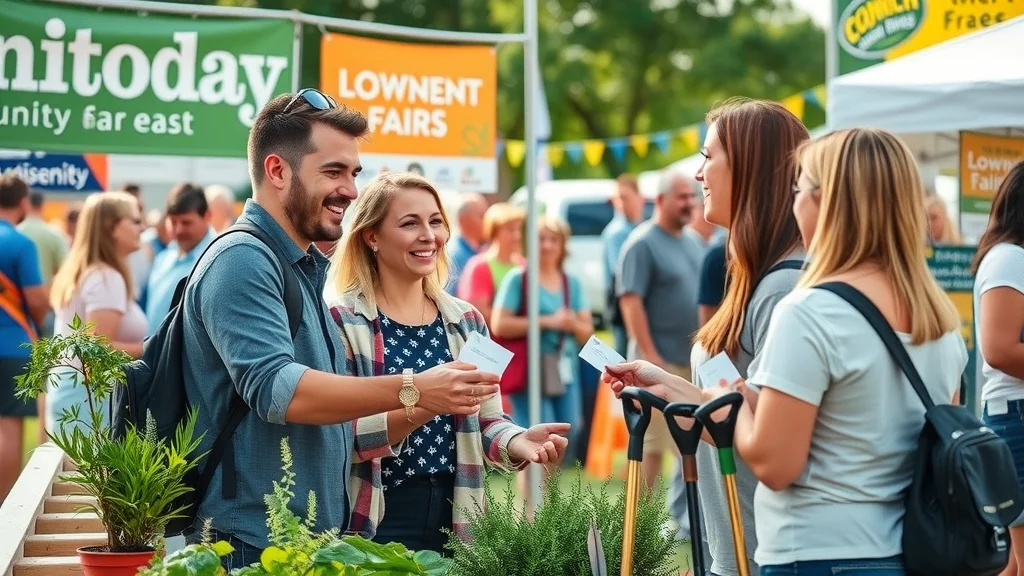
How To Qualify and Convert Landscaping Leads Efficiently
Speed and personalization are crucial when converting new landscaping leads. The faster and more thoughtfully you respond, the more likely you are to win the job—and potentially a long-term client. Top-performing businesses treat every incoming care lead like a VIP, responding with urgency and tailored solutions that align with each client’s unique needs and budget.
- Respond promptly to new inquiries: First impressions matter. Aim to contact new landscaping leads within minutes to demonstrate professionalism and eagerness.
- Ask clarifying questions about lawn care needs: Understanding each prospect’s specific challenges lets you recommend the right services and build rapport.
- Offer free, no-obligation consultations: Relax hesitations and close deals faster by offering quick visits or calls to assess their property and discuss personalized solutions.
This personalized approach not only accelerates your sales cycle but also increases your business’s word-of-mouth potential by creating satisfied, delighted clients from the very first touchpoint.
Effective Follow-Up Strategies for Lawn Care Leads
Consistent follow-up turns more landscaping leads into paying clients. Even the best marketing strategies fall flat if prospects are left waiting or feel ignored. By implementing systematic reminders and multi-channel communication, you build the trust and recall needed for prospects to feel comfortable hiring your landscaping service.
- Call within 10 minutes of receiving a new lead to maximize your conversion rates and show your responsiveness.
- Schedule follow-up reminders for calls, quotes, and email nudges—persistence often turns undecided prospects into loyal customers.
- Send informative emails and text messages with FAQs, testimonials, and seasonal offers to keep your landscaping business top-of-mind.
Leveraging Reviews and Referrals To Grow Your Landscaping Business
Positive reviews and word-of-mouth referrals are gold mines for lead generation in landscaping services. Satisfied clients act as ambassadors for your business, sharing their experiences both online (Google, Facebook, Nextdoor) and offline within your community. Actively request reviews after completing projects, offer small incentives, and showcase positive feedback across your website and marketing materials to boost credibility and inspire new potential clients to reach out. Always thank those who refer your services—this strengthens relationships and creates even more referral momentum, naturally growing your business year after year.
Tracking Success: Measuring Lead Generation For Landscaping Services
Effective lead generation for landscaping services relies on tracking results and continuously refining your strategy. Use digital dashboards to monitor which channels deliver the highest conversion rates, the lowest cost per lead, and the best quality leads. By understanding these metrics, you can reinvest your marketing budget for maximum ROI and eliminate tactics that fail to perform.
| Channel | Metrics Tracked | Conversion Rate | Average Cost Per Lead (CPL) | Quality of Leads |
|---|---|---|---|---|
| Google Ads | Clicks, Calls | 15% | $40 | High |
| Social Media | Engagement, Follows | 8% | $25 | Varied |
| Referrals | Referrals, Reviews | 20% | $0 | Very High |
| Email Marketing | Open, Click Rates | 12% | $10 | Medium |

Watch a quick visual journey of landscaping teams in action, happy clients, and vibrant lawns transformed—showcasing the impact of modern lead generation for landscaping services!
People Also Ask: How Do I Get Leads For My Landscaping Business?
To get leads for your landscaping business, start by optimizing your Google Business Profile, running targeted Google Ads, and building a visually compelling website for your lawn care services. Use social media platforms like Facebook and Instagram to post before-and-after transformations, and implement email marketing to stay connected with past and potential clients. Don’t ignore offline strategies like networking at local events and offering referral incentives for satisfied customers—together, these tactics create a reliable pipeline of landscaping leads ready to convert.
People Also Ask: Is $100 an Hour Too Much For Landscape Work?
Charging $100 an hour for landscape work can be reasonable, depending on your expertise, location, and the quality of services you offer. In competitive markets or specialized projects, this rate covers expenses, quality materials, skilled labor, and ensures profitability. Always align your pricing with industry standards in your area and be transparent with clients about the value and scope of your landscaping services. High-quality leads are often prepared to pay premium prices when they trust your expertise and professionalism.
People Also Ask: Where Can I Get Landscaping Leads?
You can generate landscaping leads through multiple channels: running Google Ads campaigns, optimizing for local SEO, leveraging social media, attending community events, partnering with home improvement stores, and requesting referrals from satisfied clients. Online directories, email marketing, and a responsive, mobile-friendly website also help you capture care leads searching for services you offer in your area. The most effective landscaping businesses combine digital and local outreach for a steady flow of quality leads.
People Also Ask: How To Get Clients For a Landscaping Business?
To get clients for your landscaping business, use a mix of strategies: polish your online presence with a professional website, maintain active social media profiles, invest in Google Ads, and showcase your best projects with testimonials and portfolios. Follow up swiftly on every inquiry, ask for referrals, nurture your email list, and build partnerships within the community. By offering high-value educational content and personal, responsive service, you turn leads into loyal, paying clients who help grow your business over time.
Key Takeaways On Lead Generation For Landscaping Services
- Lead generation for landscaping services is a multifaceted process that demands creativity and discipline.
- Combining organic, paid, and referral strategies ensures a robust pipeline of quality leads year-round.
- Systematic follow-up and nurturing turn prospects into loyal landscaping business clients and brand ambassadors.
Frequently Asked Questions (FAQs) About Lead Generation For Landscaping Services
-
How soon should I follow up with a new landscaping lead?
For the best conversion rates, aim to respond to new landscaping leads within 10 minutes. Quick replies show professionalism and capture prospects before they choose a competitor. -
What are the best ways to get quality leads for my landscaping business?
Blend Google Ads, local SEO, engaging social media posts, referrals, and optimized website content to consistently attract high-quality, ready-to-book leads. -
Does social media generate serious care leads?
Absolutely. Regular posting, targeted ads, and prompt response to messages on platforms like Facebook and Instagram can double or triple your care leads compared to businesses that are inactive online. -
How can I convert more lawn care leads into recurring contracts?
Offer recurring service packages, provide outstanding customer service, follow up regularly, and showcase testimonials. Building trust and demonstrating ongoing value turns single bookings into loyal, long-term clients.
Start Growing Your Business Today With Proven Lead Generation For Landscaping Services
Ready to fill your schedule, attract higher-value clients, and secure your landscaping business’s future? Take action now: invest in expert-led lead generation for landscaping services and watch your business thrive. Contact us to book your custom strategy session—don’t let another day go by without the quality leads you deserve!
If you’re eager to keep your momentum going and want to stay ahead of the curve in the small business landscape, there’s always more to discover. The world of business is constantly evolving, and staying informed on broader trends can help you anticipate changes, adapt your strategies, and seize new opportunities. For a deeper dive into the latest developments, expert advice, and actionable insights that can elevate your business beyond lead generation, visit Small Business Today. Unlock the next level of growth by exploring the stories and strategies shaping successful businesses right now.







Write A Comment