Small Business Today
UPDATE
  • Home
  • Categories
    • Business Headlines
    • Small Business Trends
    • Automotive Industry News
    • Restaurant News
    • Dental Practice Marketing
    • Auto Repair Marketing
    • Roofing Contractor Marketing
    • Salon & Spa News
    • Lawn & Landscape Marketing
    • Plumbing & HVAC Contractor News
November 09.2026
4 Minutes Read

Abdul El-Sayed's Vision on Tariffs and Electric Vehicles for 2025

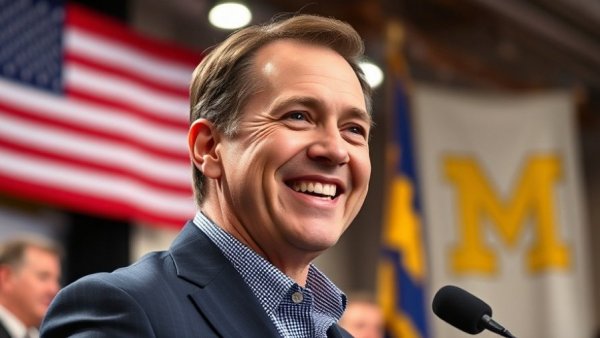
Smiling man in a casual setting, automotive policy discussion.

Understanding Abdul El-Sayed's Vision for the Automotive Industry

In the wake of a pivotal election where Democrats made significant gains across the U.S., Abdul El-Sayed's ascension to the U.S. Senate has brought renewed focus on policies impacting the automotive industry. El-Sayed’s background as the son of automotive engineers gives him a unique perspective on industry challenges, particularly regarding tariffs and competition from global players like China. His personal narrative, intertwined with the rich history of automotive innovation in Michigan, establishes a framework for his policy goals regarding the future of this critical industry.

In 'Nov. 8, 2026 | Bonus Episode: What Abdul El-Sayed told us about auto policy in 2025', we delve into his key insights on transforming the automotive sector and the implications of his proposed policies.

Targeted Tariffs: A New Approach

El-Sayed advocates for a more focused tariff strategy, one that aims to protect growth industries rather than employing broad measures that could destabilize markets. Comparing ineffective tariff policies to chemotherapy, he suggests that interventions should be precise, aimed only at sectors that require protection and investment. This nuanced approach is crucial for Michigan’s automotive sector, which faces fierce competition from well-backed Chinese automakers. By targeting tariffs effectively, El-Sayed believes the U.S. can bolster its manufacturing capabilities while maintaining fair trade practices.

Such a strategy not only seeks to protect domestic jobs but also aims to stabilize the automotive supply chain. For dealers, understanding this shift towards targeted tariffs could mean recognizing how tariffs might be strategically implemented to protect their business interests, potentially leading to greater local manufacturing of parts and vehicles. It is a call for balancing the competitive landscape while ensuring that American innovation thrives.

Wall Street's Influence: A Double-Edged Sword

In his discussions, El-Sayed indicates a clear frustration with how financial incentives often favor short-term gains over sustainable growth. He points to instances where major automotive manufacturers chose to cut their workforces in response to pressure from stock markets rather than investing in their people and future technologies. This myopic focus not only affects employment but also jeopardizes the industry's long-term viability against international competitors.

The financial pressures shaping corporate decisions emphasize a vital point for dealers: understanding how the financial health of automakers impacts their operations and the market at large. When companies prioritize immediate returns to shareholders over sustainable growth, the broader implications can lead to instability in product availability, workforce morale, and ultimately consumer satisfaction. As such, engaging with manufacturers on this topic could be essential for dealers aiming to align their business strategies with industry leaders.

The Electric Vehicle Reckoning

The conversation about electric vehicles (EVs) takes center stage in El-Sayed’s vision. He emphasizes the U.S. automotive industry's need to embrace all forms of vehicle production while ensuring that it keeps pace with the global demand for EVs. Instead of rolling back investments in electric technology, he argues that the industry should double down on innovations to secure its place in the market. This perspective stresses not merely surviving the competition but thriving within it by leading in EV production.

For automobile dealers, this represents both a challenge and an opportunity. As consumer preferences shift significantly toward EVs, being adaptable and prepared to offer a range of electric options will be crucial. This necessitates understanding market trends and actively engaging with manufacturers to ensure that sufficient inventory of these vehicles is made available. Moreover, being knowledgeable about EV technologies and the financial incentives available for consumers can position dealers to better serve their customers while enhancing sales.

Lessons from History: A Call for Change

Abdul El-Sayed’s insights draw heavily from history, particularly the impacts of policies like NAFTA. His contention that such policies have caused tangible harm to Michigan communities underscores the importance of more considered trade agreements that promote job retention and industry growth. By learning from past missteps, the new policies he supports could create a more resilient automotive landscape.

This grasp of historical context is vital for stakeholders in the automotive sector. It raises essential questions about how current policies can be shaped to prioritize long-term community impacts over transient political gains. Dealers, by advocating for fair trade practices and policies that offer protections for local jobs, can contribute to a healthier automotive economy that benefits everyone involved—from workers to end consumers.

Future Trends: A Shift in Automotive Landscape

As the automotive industry continues to evolve, understanding the implications of new technologies and market dynamics become essential. El-Sayed challenges policymakers and industry leaders to think beyond immediate profits and focus on cultivating a workforce equipped for future innovations. With the right investments and clear communication, U.S. automotive firms can reclaim their competitive edge.

Moreover, this evolution means that partnerships between dealerships and local educational institutions should be prioritized to ensure that a skilled workforce is available. Training programs in advanced manufacturing and technology tailored around the needs of the automotive industry can provide dealers with a robust pipeline of talent. This collaborative approach not only strengthens the industry as a whole but can also drive customer loyalty and satisfaction.

Conclusion: Moving Forward Together

As we reflect on Abdul El-Sayed's vision for the automotive industry, it's clear that alignment between trade policy and industrial strength is vital for Michigan and beyond. The landscape of the automotive sector is changing rapidly, and embracing new technologies while valuing workers will be key. To stay informed on the latest developments in automotive policies and strategies, dealerships and industry stakeholders must engage in ongoing discourse and adapt to the evolving market.

Taking proactive steps today can unlock potential for success in the future. For dealers, this means not only staying ahead of regulatory changes but also understanding how to leverage innovations like electric vehicles and digital retailing technologies. By working hand-in-hand with policymakers, automakers, and their communities, the automotive sector can not only survive but thrive in this new era of competition and technological advancement.
Automotive Industry News

7 Views

0 Comments

Write A Comment

*
*
Please complete the captcha to submit your comment.
Related Posts All Posts
11.09.2026

Decoding the Blue Tsunami: What It Means for the Auto Industry

Update Understanding the Blue Tsunami: Implications for the Auto Industry The recent political shift, aptly dubbed the "blue tsunami," is set to create ripples throughout the auto industry. With Democrats now controlling both chambers of Congress after flipping Senate seats in seven states, including Texas and Kansas, the implications for car manufacturers and dealers are profound. As political landscapes shift, auto industry stakeholders need to recalibrate their strategies to adapt to a new normal, as the Democratic majority could signal a move toward more comprehensive regulations regarding emissions and tariffs.In 'Nov. 7, 2026 | Weekend Drive: Blue tsunami sweeps across U.S. Will the industry need to recalibrate?', the discussion dives into the political change and its implications for the auto industry, prompting us to analyze its deeper impacts and required adjustments. The Road Ahead: Uncertain Legislative Changes According to experts, the new Democratic majority introduces a wave of uncertainty rather than clarity. As Michael Martinez noted, it remains to be seen how the Democrats will approach legislation affecting the auto industry, particularly issues like tariff policies and emissions regulations. The potential for a push against previously implemented tariffs is substantial. If Congress takes back control of trade policies, as discussed during the recent dialogue among industry experts, this could significantly alter the cost structure and market landscape for automakers. This uncertainty could lead many companies to adopt a wait-and-see approach before making significant investments or changes in their operational strategies. For car dealers and manufacturers alike, this could mean a recalibration in how they assess risk and opportunity within the current political climate. Impact of Tariff Policies on Automakers Current tariffs are already weighing heavily on the industry’s finances. Toyota, for example, reported an $8 billion toll due to tariffs last year, significantly impacting their operational margins. The ongoing push for tariff relief could not only alleviate financial pressures but also influence future production decisions for major brands like Mercedes and Audi. The automotive industry is closely monitoring these developments, recognizing that any shift in tariff policy could either enhance profitability or lead to a considerable spike in costs. Mercedes’ decision to delay U.S. production while Audi considers expanding its Georgia plant suggests that automakers are strategically navigating a complex landscape marked by uncertainty and shifting policies. Automakers are not just contemplating tariff relief; they are also focusing on developing plans for sustainability and coping with the evolving demand for electric vehicles. As the market pivots, dealerships and manufacturers must stay agile and ready to adapt to changing conditions. Union Power: A New Era for UAW? The United Auto Workers (UAW) is positioned to benefit from the changing political dynamics. Following their significant investment in political activism, union leaders feel emboldened to push for pro-worker policies that could directly impact auto dealers and manufacturers. UAW President Shawn Fain has made clear his intention to leverage the favorable political climate to introduce new initiatives, including unemployment insurance for striking workers. This newly energized push from the UAW may also lead to tougher negotiations in upcoming labor contracts, as union members expect tangible outcomes from their political efforts. As labor influence grows, auto dealers should remain vigilant about potential policy changes that may affect their workforce management and labor costs. The dealers will need to calculate the impact of any new labor policies on their operational frameworks to sustain profitability and maintain harmonious relations with their employees. Comparing Efforts: The Titans of the Auto Industry The recent developments in the auto industry illuminate a bigger picture of competition within the sector. Traditional giants like Ford and GM might find themselves on edge with newcomers like Toyota expanding their footprints in crucial segments such as trucks and electric vehicles (EVs). With the looming threat of new models and enhanced production capabilities from competitors, Detroit’s heavyweights will need to innovate and adapt faster than ever. The conversation surrounding electric vehicles has intensified, with traditional manufacturers scrambling to keep pace with the rapid advancements made by companies like Tesla and emerging electric vehicle brands. A failure to adapt technology and meet consumer preferences can leave legacy companies at risk of losing market share, particularly in segments such as EVs, where consumer demand continues to rise. The auto industry could see significant shifts if companies do not stay ahead of trends, thus highlighting the need for strategic foresight and agility in business models. Consumer Trends: Shifting Preferences in Automobile Purchases Modern car buyers are taking control of their purchasing journeys. As easy access to technology and online tools becomes standard, dealerships must adapt to more digital-friendly approaches to meet evolving customer demands. Tools like Accelerate My Deal Elite by Cox Automotive are allowing consumers to negotiate terms and complete purchases digitally. This shift necessitates dealerships to modernize their business models to cater to these innovations, ensuring they can effectively compete in a changing landscape. The ability to meet customers where they are—more online than ever—will be critical for dealerships seeking to thrive in the coming years. This digital transition not only improves consumer experience but also streamlines operations for dealerships, aiding in efficiency and potentially higher closing rates. The Future of Electric Vehicles (EVs) The conversation surrounding electric vehicles is evolving as well. There may still be some hesitation regarding the future of EV tax credits, but with a new administration in place, there's room for potential legislation that could refresh these incentives. As automakers strive to increase their EV offerings, staying updated with regulatory changes will be essential, along with adapting to consumer preferences that are increasingly leaning toward sustainability. EV adoption is not merely a trend; it represents a significant shift in how consumers view automotive options. Dealers will need to ensure their dealerships are equipped not just with inventory but with knowledgeable staff who can effectively communicate the benefits and features of EV models to consumers. Final Thoughts: Need to Embrace Change The blue tsunami indicates a need for the automotive industry to recalibrate. As dealerships navigate these changes, they must remain proactive about understanding legislative shifts, adjusting their pricing strategies regarding tariffs, and embracing digital tools to attract and retain customers. Failure to adapt could leave legacy brands scrambling against the surge of innovation from newer competitors. In a rapidly changing environment, staying informed and adaptable to consumer preferences, labor dynamics, and legislative changes will be key to thriving. Dealers should actively engage with public policy dialogue, build strategic partnerships, and ensure they are prepared for potential challenges moving forward. By fostering a culture of adaptability and innovation, they can position themselves favorably in an increasingly competitive landscape.

11.04.2026

How the Blue Wave Could Transform Automotive Policies and Digital Sales Strategies

Update Unpacking the Blue Wave's Impact on Automotive Policies November 4, 2026, marked a significant turning point in the automotive landscape, as the recent midterm elections resulted in a notable shift in the Senate. With Democrats gaining control of both chambers, a potential blue wave is poised to reshape regulatory frameworks affecting the automotive industry, particularly amidst ongoing discussions on tariffs, trade policies, and the electric vehicle (EV) market. This shift signifies not only a political change but also substantial implications for the future of car manufacturing and sales across the country.In 'Nov. 4, 2026 | How blue wave could move auto policies; Karma President Marques McCammon,' the discussion dives into the potential shifts in automotive policies following recent elections, prompting a deeper analysis on our end. Mercedes-Benz Faces Production Delays In the heart of these discussions, Mercedes-Benz announced a substantial delay in the production of its GLC model at the Vance, Alabama plant. Initially slated to start in November 2027, the new timeline pushes production back to May 2030. This change could expose the GLC to a 15% tariff on imports from Germany, highlighting the fragility of foreign automotive investments in light of evolving policies in Washington. A decision of this magnitude affects not only Mercedes-Benz's operational strategies but also the overall health of the U.S. automotive sector. The GLC makes up nearly a quarter of Mercedes’s U.S. volume, which raises concerns about potential shifts in pricing and availability for consumers who favor this popular SUV. October Sales Show Mixed Results Examining the October sales results, the industry painted a mixed picture. Toyota reported a 6.12% increase in sales, driven predominantly by electrified vehicles that constituted 57% of their overall volume. Mazda followed suit with a significant 25% increase, capitalizing on buyers seeking value in a challenging economic environment. Conversely, Subaru also reported a steady growth of 6%, marking its sixth straight month of gains. However, Ford faced challenges, including a slip in sales linked to weaker demand for crossovers and SUVs, indicating a potential shift in consumer preferences towards more fuel-efficient and versatile vehicles. Additionally, Volkswagen, which has traditionally anchored its sales with leasing promotions, announced the discontinuation of a long-standing sign-and-drive lease deal. This move signifies cautious shifts in marketing strategies ahead of year-end sales, as dealers express concerns that eliminating this promotion could affect their competitiveness. Volkswagen's sales strategy will need to adapt as the industry wrestles with changing consumer demands and regulatory pressures. A Peek into the Future: The Karma Renaissance At the forefront of innovation is Karma Automotive, whose President, Marcus McCammon, addressed the company's strategic pivot during a recent interview. With a vision of a "Karma Renaissance," McCammon emphasized the importance of controlled production volumes; the company plans to produce only 165 units of the new GSA model next year. This selective approach, according to McCammon, allows Karma to cultivate a sense of exclusivity and desirability in the luxury automobile market—a vital strategy as consumer preferences evolve toward more unique, bespoke vehicles. The company’s commitment to small production runs reflects a broader trend in the luxury automotive sector, where exclusivity is increasingly intertwined with brand value. The Role of Digital Retailing in Contemporary Car Sales In an age where convenience drives purchasing decisions, platforms like Cox Automotive's Accelerate My Deal Elite are transforming the car-buying experience into one that is more digital. As consumers increasingly prefer online transactions, automobile dealers are encouraged to adopt such innovations, providing consumers with the ability to negotiate, verify, and complete purchases online while maintaining dealership control. This approach not only streamlines the buying process but also caters to the expectations of a tech-savvy consumer base comfortable with digital interactions. The flexibility offered by digital platforms enables dealerships to stay competitive in an ever-evolving market. Flagging Industry Trends and Policy Implications As we move forward with a Democratic Congress, the implications for environmental policies and tariffs become increasingly complex. Experts predict that the ability to exert control over Trump’s administration could lead to significant shifts in automotive regulations, particularly regarding fuel economy and EV incentives. This opens a window for renewed discussions on tax credits for electric vehicles, which had previously faced significant opposition within Congress. With environmental issues becoming a focal point of public discourse, the automotive industry may see a push from Congress towards more sustainable practices, challenging dealers to rethink their inventory and sales strategies. What These Changes Mean for Automobile Dealers For auto dealers, these developments present both challenges and opportunities. On the one hand, increased tariffs and potential legislative changes can create uncertainty, affecting pricing strategies and supply chain logistics. On the other hand, as the industry moves toward supporting EVs and possibly reinstating tax incentives, dealers who invest in electric vehicle infrastructure may find new avenues for growth. This evolution in consumer preferences necessitates that dealers stay informed about these developments, ensuring they are equipped to meet evolving consumer demands while navigating a changing regulatory landscape. Training and investment in EV education for sales staff will become more critical as electric vehicles gain market share. The Road Ahead As the automotive industry faces a series of challenges—ranging from production delays to shifts in consumer preferences—the future remains uncertain yet filled with potential for growth and change. With the impending 2028 presidential election and a shift in legislative priorities, auto dealers need to brace themselves. Political dynamics could significantly shape industry policies, particularly if the Democratic Party gains further traction. Being proactive, adaptable, and informed will be crucial as we navigate these uncharted waters. In conclusion, automotive dealers should harness this moment to realign their strategies, investing in digital solutions while keeping a keen eye on policy developments that may impact their operations. Adapting to the evolving landscape will not only help dealers remain competitive but may also position them as leaders in the market, ready to meet the demands of tomorrow’s car buyers.

11.04.2026

How Blue Wave Could Shift Auto Policies: What Dealers Need to Know

Update The Impact of the Blue Wave: A Shift in Auto Policies The recent midterm elections have ushered in significant changes, heralding a new era in automotive policy. With Democrats flipping seats in key states such as Texas, Ohio, and Iowa, the balance of power in Congress has shifted, which could result in a ripple effect throughout the automotive industry.In 'Daily Drive | How blue wave could move auto policies', we delve into how recent election results might influence automotive policies in significant ways. Understanding the Political Landscape In the wake of the elections, Democrats have assumed a position of influence in both chambers of Congress. Although President Trump retains the power of veto, the Democratic majority presents an opportunity to challenge the current administration’s policies. Notably, tariffs on automotive imports and electric vehicle incentives are under scrutiny, as the new congressional landscape may force more negotiations and compromises than in previous years. This evolving political context requires automobile dealers to be especially vigilant and prepared for upcoming changes that could impact their operations. Potential Changes in Tariffs and Trade Policies One of the primary areas where Democrats could exert their influence is through tariffs. Historically, tariffs have played a significant role in the automotive sector, affecting both pricing and supply chain dynamics. The Democratic majority in Congress provides them leverage to block some of Trump’s initiatives and insist on a reevaluation of existing tariffs and policies. With the heightened focus on tariffs, it becomes imperative for auto dealers to stay informed on such potential adjustments. Discussions among lawmakers suggest that upcoming negotiations could reframe the current tariff structure, potentially reducing the burdens on domestic manufacturers while also exploring trade agreements that could promote exports. Auto dealers need to monitor these developments closely, as any policy changes could fundamentally alter the cost of doing business and the pricing strategies for both dealers and consumers. Electric Vehicle Tax Credits: A Possible Revival? Among the policies that could see a rejuvenation is the long-sat-on electric vehicle (EV) tax credit. The new Democratic leadership's focus on affordability amid rising gas prices generates questions on whether the $7,500 potential credit for EV buyers can return to significance. Given that some vocal opponents of this credit have lost their positions, there may be fertile ground for more favorable policies toward electric vehicles in the upcoming Congress, provided negotiations go smoothly between party leaders. This shift could spur greater investments in EV infrastructure and innovation within the automotive market. For auto dealers, re-establishing the EV tax credit could incentivize buyers to consider electric vehicles, ultimately expanding the market segment. If this were to happen, dealers could find themselves needing to adjust their inventory and marketing strategies to promote EVs more heavily. Understanding consumer sentiment and financing options will be key in capitalizing on these potential changes. The Future of Regulatory Practices in the Automotive Industry The legislative power shift also signals potential changes in regulations related to emission standards set by the Environmental Protection Agency (EPA). The expected increase in congressional oversight means that auto companies should prepare for more stringent regulations, with stricter penalties likely returning. An impending focus on emissions could drastically alter the competitive landscape in the automotive market. Not only would these regulatory changes create new compliance challenges for auto manufacturers, but they may also alter the types of vehicles that become available in dealerships. As emission standards become more rigorous, dealerships may need to pivot towards offering a greater selection of compliant vehicles, possibly necessitating a reevaluation of their inventory and marketing tactics. This adaptability is critical in staying ahead of competing dealerships in a rapidly changing regulatory environment. Anticipating Investigative Focus Areas Certainly, the Democratic approval is expected to bring about more investigations and hearings touching on key topics within the auto sector. Upcoming hearings could scrutinize issues from tariffs to claims regarding corporate practices. This investigative directive makes it essential for automobile dealers to be attuned to compliance and policy changes from Washington to avoid potential pitfalls. For instance, as Congress begins to dive deeper into the practices of major automotive companies, dealers may find themselves having to provide transparency concerning their pricing strategies and loyalty programs. Being proactive now—reviewing compliance processes and ensuring that all practices are sound and legally defensible—could mitigate risks associated with future investigations. The Longer-Term Implications of 2028 As the political landscape continues to evolve, with a presidential election on the horizon in 2028, automobile companies must think beyond the immediate changes brought by the current Congress. If Democrats maintain or regain the presidency in 2028 alongside control of Congress, we could witness a substantial transformation in automotive legislation. Policies like the electric vehicle tax credit and various emission standards could be revisited, positioning the industry for dramatic reinvention in the following decade. Auto dealers need to not only prepare for potential immediate ramifications from the current Congress but also anticipate how these future changes could influence market dynamics. Investing in training, professional development, and forecasting tools will be invaluable in navigating the complexities of such an unpredictable political landscape. Preparing for Uncertainty It is important for automobile dealers to remain proactive in navigating this unpredictable political environment. The changing political climate necessitates a keen understanding of potential regulations and trade policies that could impact their business operations. Keeping abreast of evolving legislation will allow dealers to adjust their strategies accordingly. The future remains uncertain, but the potential for significant shifts in automotive policy necessitates a responsive approach. The ability to pivot quickly in response to new regulations and changes in consumer behavior could provide a competitive advantage in the market. Collaboration with industry associations and participating in advocacy efforts can equip dealers to voice concerns and influence favorable outcomes. In conclusion, with the shift brought about by the recent elections, the automotive sector is on the brink of significant changes in policies and regulations. As discussions intensify around tariffs, trade, and electric vehicle incentives, automobile dealers should gear up for more active engagement in advocacy and compliance strategies moving forward. These actions not only prepare businesses for potential challenges but also position them to capitalize on new opportunities within a landscape likely to evolve dramatically in the coming years.

cropper
update

Small Business Today

cropper
update

Write a small description of your business and the core features and benefits of your products.

  • Small Business Today
    update
  • Small Business Today
    update
  • update
  • Small Business Today
    update
  • Small Business Today
    update
  • Small Business Today
    update
  • Small Business Today
    update

COMPANY

  • Privacy Policy
  • Terms of Use
  • Advertise
  • Contact Us
  • Menu 5
  • Menu 6

(508)344-5927

AVAILABLE FROM 8AM - 5PM

City, State

, ,

ABOUT US

Write a small description of your business and the core features and benefits of your products.

© 2026 CompanyName All Rights Reserved. Address . Contact Us . Terms of Service . Privacy Policy

Terms of Service

Privacy Policy

Core Modal Title

Sorry, no results found

You Might Find These Articles Interesting

T
Please Check Your Email
We Will Be Following Up Shortly
*
*
*