Small Business Today
UPDATE
  • Home
  • Categories
    • Business Headlines
    • Small Business Trends
    • Automotive Industry News
    • Restaurant News
    • Dental Practice Marketing
    • Auto Repair Marketing
    • Roofing Contractor Marketing
    • Salon & Spa News
    • Lawn & Landscape Marketing
    • Plumbing & HVAC Contractor News
September 29.2026
4 Minutes Read

Buc-ee’s Expansion into Oklahoma: An Economic Boon on the Horizon

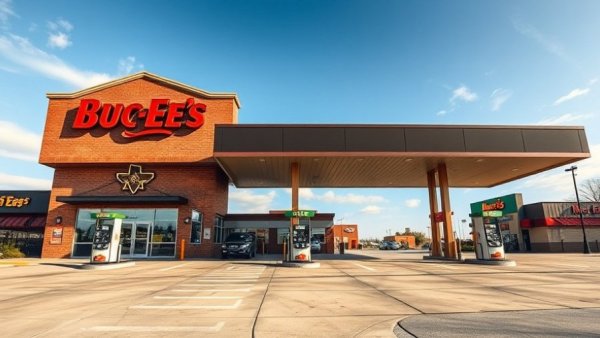
Buc-ee’s Oklahoma expansion: large gas station and store with logo

Buc-ee's Expansion: What It Means for Oklahoma

The anticipation of Buc-ee’s entrance into Oklahoma represents more than just the opening of a new store; it marks a significant shift in economic activity for the state. As popular as Buc-ee’s is for its gigantic convenience stores alluring with a vast selection of snacks, a clean restroom reputation, and barbecue offerings, its chosen locations also reflect broader trends in business and community dynamics. The allure of Buc-ee’s can be attributed to its commitment to quality, cleanliness, and customer service, qualities that have garnered a loyal following across the states it currently serves.

Building Infrastructure and Community: A Strategic Decision

Mayor David Holt confirmed on social media that the Oklahoma City discussions about Buc-ee's potential outlet are well underway. The proposed location at Interstate 40 and Cimarron Road necessitates vital infrastructure improvements—a move made possible with partnerships among the city council, the Oklahoma Department of Transportation, and Buc-ee's development team. These plans not only enhance accessibility for travelers but also show Buc-ee's commitment to investing in communities that demonstrate readiness and eagerness for growth. Infrastructure improvements are crucial as they can stimulate economic activity, making new businesses more appealing to customers and convenient for travelers on the busy interstate.

The Appeal of Business-Friendly States

As Buc-ee's co-founder, Arch "Beaver" Aplin III, pointed out, the chain's expansion strategy is influenced by favorable business climates. At previous openings, including in Arkansas, Aplin highlighted the importance of being in conservative, business-friendly states with robust workforces. This sentiment resonates particularly well in Oklahoma, where state leaders are already showcasing their commitment to luring businesses through favorable regulatory practices and incentives. This business-friendly approach not only attracts large chains like Buc-ee’s but also encourages local entrepreneurs to thrive.

Community Response: Excitement Brewing for Buc-ee's Offerings

Social media reactions to the announcement underscore the enthusiasm for Buc-ee's unique offerings. Comments on Mayor Holt’s post included expressions of eagerness for their famed brisket sandwiches and the joy people anticipate as they rally behind the brand. Enthusiastic comments like "Yay!! Better start that Beef Jerky savings account!" reveal that local residents are already looking forward to frequenting the new establishment. This enthusiasm indicates a conducive environment for Buc-ee's, where local culture embraces newcomers that promise a quality experience. It reflects a growing community anticipation that aligns with economic development efforts aimed at boosting local businesses.

Competitive Advantage and Economic Implications

Buc-ee's is not just another gas station; it positions itself as a destination. With an expansive range of services—from clean restrooms and ample parking to an impressive selection of fresh food—Buc-ee's has created a niche that sets it apart from traditional gas stations and convenience stores. Its expansion into Oklahoma could hint at a broader economic development trend that emphasizes the importance of unique brands in attracting not just consumers but also investment in local economies as well. Buc-ee’s model combines tourism and convenience, potentially enhancing Oklahoma's appeal as a stopover for travelers. Research shows that vibrant areas with engaging attractions tend to see longer visitor stays, higher spending, and improved community pride. These insights raise expectations from the local populace regarding incoming jobs and economic revitalization.

Building Job Opportunities: The Local Impact

The arrival of Buc-ee’s in Oklahoma is expected to create several job opportunities within the community. The company is known for offering competitive salaries and career advancement opportunities, which could drastically benefit the local job market. Arch "Beaver" Aplin III has stated previously that he aims to create a positive working environment where employees feel valued. This commitment could translate into a reliable source of employment that supports local families and contributes to the overall economic health of the area.

Future Predictions: More Locations on the Horizon

The rapid growth of Buc-ee’s isn’t stopping with Oklahoma. Their strategically planned expansions, with projected openings in Louisiana and Kansas, signify a push to encompass more of the Midwest and beyond. This leads one to speculate: Could Buc-ee's become synonymous with road trips across America, with franchise locations dotting highways and becoming cherished rest stops for weary travelers? Its success in other states has shown a positive trajectory, and many are curious to see how this expansion will evolve in unfamiliar territories. The convenience chain certainly seems poised to play a larger role in shaping American travel culture.

Conclusion: Embracing New Opportunities

The landing of Buc-ee's in Oklahoma City is a multifaceted opportunity; it is not just about convenience but also the potential for economic growth in the region. Bringing in Buc-ee’s represents both a fruitful business venture for the company and a positive development for an area eager for new jobs and unique consumer experiences. As the company continues to thrive in business-friendly environments, Oklahoma's future looks promising. With the excitement building around Buc-ee's, there are high hopes that their first entry into Oklahoma will be just the beginning of a long and mutually beneficial relationship between the chain and the local community.

Business Headlines

15 Views

0 Comments

Write A Comment

*
*
Please complete the captcha to submit your comment.
Related Posts All Posts
11.14.2026

The Storm After the Calm: What Fortune 500 Clients Should Know About Recent Software Outages

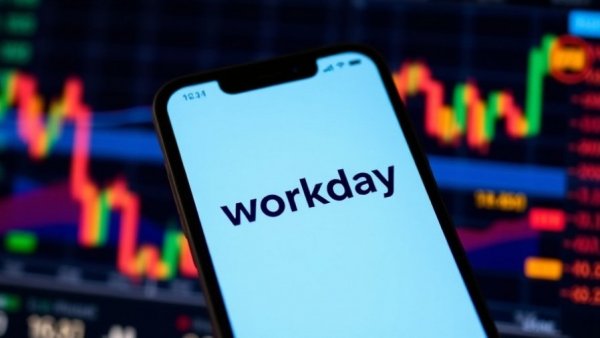
Update Understanding the Impact of Major Software Outages This week, Workday—a prominent software provider for payroll and human resources management—joined tech giant Microsoft in facing a significant service disruption. Downed platforms affected millions, including well-known retailers like Walmart and Target, as well as corporate titans such as Netflix and Southwest Airlines. This raises a pressing question: what does it mean when crucial systems fail? The Ripple Effect of Outages When companies like Workday and Microsoft experience outages, the effects send ripples through entire industries. With more than 11,500 organizations relying on Workday for services, including government agencies and corporations, any downtime can lead to immense workflow interruptions. Such incidents make news not just for their immediate inconvenience but for broader implications on operational efficiency and customer trust. The interconnected nature of today's digital ecosystem means that an outage with one major player can affect numerous others. For instance, when Workday was down, businesses depending on its HR management tools were unable to process employee payroll, access essential business metrics, or manage staffing needs effectively. This could potentially harm employee morale and trust in the organization. Additionally, companies that utilize Workday for their accounting functions faced delays in financial reporting, which can have cascading effects on quarterly forecasts and stakeholder confidence. Exploring the Reasons Behind Service Disruptions The causes of these outages often remain obscured during the initial phases, leading to speculation. In the case of Workday, they reported that the interruption arose from issues discovered while testing their backup systems. Such problems highlight the fragility of interconnected digital services that businesses rely upon. Cybersecurity expert Leeza Garber emphasized that while server issues are often to blame, it's natural for users to wonder if external factors, like hacking or artificial intelligence malfunctions, are involved. These concerns are particularly timely given the increasing cybersecurity threats that many organizations face. As businesses adopt more advanced technologies—including cloud computing and AI—the complexity of their systems can leave them more vulnerable to attacks. Though there was no indication of a cyberattack in this instance, companies are right to remain vigilant and proactive in securing their systems. How Businesses Adapt to Downtime In the wake of disruptions, adaptability becomes key for businesses. Organizations often scramble to implement contingency measures to minimize downtime. For example, some companies may revert to manual procedures or alternative software temporarily. A deep understanding of risk management and incident response can help businesses navigate these treacherous waters more effectively. Moreover, proactive planning can significantly mitigate the impact of such outages. Companies are encouraged to develop and regularly update their business continuity plans, ensuring that employees are trained on alternative workflows should a primary system fail. This could include utilizing communication tools that remain operational or having backup methods for payroll processing, which can help keep businesses functioning as smoothly as possible during outages. The Bigger Picture: Digital Infrastructure Vulnerability Outages like these prompt discussions about the resilience of digital infrastructure. As more companies depend on cloud services and interconnected platforms, a single point of failure can result in widespread chaos. Experts suggest that ongoing investment in improving system redundancies and cybersecurity measures is crucial. Companies must prioritize not just recovery plans but also long-term strategies to bolster their systems against potential future failures. Investing in technology such as multi-cloud strategies, where data and applications are distributed across different cloud providers, can also enhance resilience. This way, if one provider faces issues, others may still function, minimizing overall downtime. Additionally, fostering a culture of cybersecurity awareness among employees can prevent incidents and prepare organizations for quick action in the event of an outage. Implications for Customers and Stakeholders For customers and stakeholders, the aftermath of an outage can feel unsettling. Trust in a platform is critical; repeated outages can jeopardize client relationships, leading some to explore alternate solutions. Companies need to ensure transparent communication during these incidents to alleviate customer concerns and maintain confidence in their services. Regular updates on recovery efforts can keep stakeholders informed and engaged, reducing frustration by showing that businesses are actively working towards a solution. Additionally, organizations can strengthen their customer relationships by offering support during outages. By providing additional resources, such as dedicated customer service lines or follow-up information on system integrity post-outage, businesses can demonstrate their investment in client satisfaction, providing a buffer against potential client attrition. The Road Ahead: Strategies for Resilience As developments unfold, lessons learned from outages can guide future strategies. Businesses are encouraged to conduct frequent system audits and train employees in crisis management protocols. Moreover, companies should engage in regular communication with clients, offering transparency regarding outages and emphasizing their commitment to improving service reliability. Frequent assessments of infrastructure and response mechanisms can profoundly influence a company’s ability to recover from unforeseen outages. Learning from past experiences not only helps in building better systems but also cultivates a proactive culture around risk management. In conclusion, while no organization is impervious to technical challenges, the extent to which businesses recover and improve is where true resilience lies. In the digital age, where connectivity underpins almost every function, investing in robust systems will become not just beneficial, but necessary. Through a commitment to continuous improvement, proactive communication, and robust planning, organizations can navigate the complexities of modern technology and emerge stronger in the face of adversity.

11.14.2026

Why L3Harris's Role Sparks Concern Following FAA Ground Stop

Update Understanding the FAA Ground Stop: A Significant Breakdown On November 13, 2026, a nationwide ground stop imposed by the Federal Aviation Administration (FAA) interrupted air travel across the United States, causing numerous flight cancellations and widespread delays. This disruption raised questions about the reliability of the FAA's communications infrastructure, especially as Transportation Secretary Sean Duffy pointed fingers at L3Harris, a long-time federal contractor responsible for maintaining certain telecommunication lines. The situation highlights significant concerns regarding aging technology and the potential consequences of relying on outdated systems in critical infrastructure. What Caused the Nationwide Ground Stop? According to Secretary Duffy, the issue stemmed from routine maintenance at one of the FAA's remote locations, where L3Harris was transitioning the communication system from old copper wiring to modern fiber optics. During this upgrade, the FAA's router, crucial for managing air traffic, became overwhelmed, which resulted in a data flood that rapidly spread to other locations. "This is a major concern because we cannot afford these interruptions," Duffy emphasized during a press conference, indicating the seriousness of the outdated technology's impact on national security and public safety. The event showcased the fragile nature of the air traffic control system, serving as a stark reminder of how vulnerable even the most crucial services can be to technical difficulties. The Role of L3Harris in the FAA System L3Harris has been a key provider for the FAA for over two decades and is pivotal in modernizing the communications infrastructure underpinning the National Airspace System. As stated by the company, they are committed to ensuring safety and reliability during these updates. However, the question now lingers: did L3Harris's actions contribute to the outage, or was the failure a product of deeper systemic issues? The ambiguity surrounding whether the fault lies in user error or a flawed router presents a challenging situation for both the FAA and L3Harris as they investigate the incident. The complexity of air traffic management means that even small oversights can snowball into large-scale failures, impacting millions of travelers. Investigation and Accountability: What’s Next? As investigations progress, Duffy highlighted the ambiguity concerning the exact cause of the outage. Statements made by L3Harris reflect their dedication to understanding the failure thoroughly, revealing that they are closely collaborating with the FAA to shed light on the technical difficulties that led to the ground stop. The implications of this incident extend far beyond this single event—as Duffy pointed out, it underscores the urgent need for a $50 billion overhaul of the FAA's aging air traffic control system. In a landscape where technology evolves constantly, relying on legacy systems can jeopardize air passenger safety and overall operational efficiency, affecting not just airline operations but the broader economy that relies on air travel. The Bigger Picture: Aging Infrastructure and Its Impacts The incident is not merely a one-off error; it underscores a broader theme of technology in American infrastructure. Many systems built upon outdated frameworks have led to glaring vulnerabilities, especially highlighted by the recent FAA shutdown. Consequently, a recurring theme is evident—whether it be increased wait times for passengers, costly delays for airlines, or, more critically, risks to safety. Duffy has claimed responsibility for resolving these issues, pushing Congress to authorize necessary funding to rejuvenate the infrastructure that supports vital services. This proposal signals the importance of taking proactive measures towards modernization, particularly in sectors where safety is paramount. Lessons Learned: Moving Forward The FAA’s recent challenges offer critical lessons on the intersection of technology and infrastructure. Maintaining and upgrading communication systems should not only be seen as a task but as a critical investment in public safety and service reliability. This incident is a strong call to action for lawmakers, stakeholders, and citizens alike to advocate for investments in modernizing critical infrastructure. Relying on antiquated technology introduces considerable risk—thus, ensuring that today’s systems are equipped to meet the high demands of modern air travel is vital for future operational resilience. Collaboration and Future Preparations As L3Harris continues its partnerships with other telecommunications giants like AT&T, Verizon, and Lumen to initiate a new architecture, the path forward lies in collaboration and foresight. It will be important for all parties involved to understand better the conditions leading to such failures, holding those accountable while seeking innovative solutions to prevent future occurrences. Duffy’s plea for redesigning the air traffic control system also sheds light on the need to maintain ongoing dialogues with technology providers to pinpoint exactly where enhancements are needed. The Public’s Concern and Regulatory Oversight The public is rightfully concerned, especially in light of the unprecedented disruption experienced during the ground stop. Passengers experienced delays and cancellations, leading to not just inconvenience but also economic repercussions. Increased regulatory oversight may be called for, ensuring that contractors like L3Harris are held accountable for their role in maintaining essential infrastructure. In the long run, fostering a culture of accountability and diligence is not merely a necessity; it will provide peace of mind to travelers across the nation. By understanding and addressing the core issues that stemmed from this incident, there is an opportunity to build a safer and more reliable air travel infrastructure for the future.

11.13.2026

Social Security’s Annual COLA: A Lifeline for Retirees Facing Inflation

Update Understanding the Importance of Social Security's Annual COLA As life expectancy increases and the costs of living continue to rise, Social Security’s annual cost-of-living adjustment (COLA) becomes increasingly crucial for retirees. The recent announcement of a 3.6% increase in benefits for 2027 serves as a vital lifeline, ensuring that older Americans can maintain their quality of life amidst persistent inflation. This adjustment, which takes effect with January's payments, represents a much-needed response to ongoing economic pressures that threaten the financial stability of many seniors. The Significance of COLA for Older Retirees For many retirees, particularly those in their 70s and 80s, Social Security is not just a supplement but a crucial source of income. Bill Sweeney, AARP's senior vice president of government affairs, points out that while younger retirees may have additional means of income, older individuals often find themselves in fixed financial situations where funds are limited. The 3.6% adjustment translates to about $75 extra each month, which could make the difference between nutritious meals and relying on food assistance programs. This sum may seem modest for those still earning a wage, but for retirees living on a fixed income, it can significantly ease the strain of rising costs. Inflation and its Impact on Retirement Inflation can erode the purchasing power of fixed incomes, rendering it essential for Social Security to provide regular adjustments. Historical analysis shows that as inflation rates fluctuate, so do the COLA increases. After an 8.7% increase in 2023 due to an earlier spike in inflation, the adjustments have since decreased, reflecting a trend in the economy that remains volatile. The subsequent rates—3.2% in 2024, 2.5% in 2025, and 2.8% in 2026—exemplify this variability. These adjustments allow retirees to keep pace with rising prices, making financial planning less precarious. For instance, with healthcare costs projected to rise sharply in the coming years, the COLA becomes vital in mitigating the burden of such expenses on retirement budgets. Changing Landscape of Retirement Gone are the days when a traditional pension plan provided stability throughout retirement. Today, the notion of a "three-legged stool" for retirement—comprising pensions, personal savings, and Social Security—has shifted dramatically. With pensions declining across many industries, retirees now depend largely on Social Security for a considerable portion of their income. In fact, around 20% of beneficiaries rely solely on Social Security to survive. This reliance amplifies the significance of the COLA, positioning it as not just beneficial but essential to the financial well-being of retirees. The landscape looks particularly stark for younger generations, such as Generation X, who are the first to retire with only two of the three traditional pillars of retirement income remaining. What Future Adjustments May Look Like As economic conditions change, so too will the calculations for future COLA adjustments. Demographic shifts, such as an aging population, heightened healthcare costs, and the presence of inflationary pressures will all play critical roles in determining the future trajectory of Social Security earnings. Experts suggest that continuous monitoring of economic indicators, including consumer price index changes and health care cost inflation, will be essential to ensuring that Social Security benefits adequately reflect the realities of living costs for retirees. Moreover, discussions around potential reforms to the Social Security system highlight the ongoing need for adaptability in addressing both current and future beneficiaries’ needs. Real-Life Impacts of COLA Adjustments In practical terms, the COLA adjustments can affect everyday decisions and choices for retirees. For those in low-income brackets, even a modest increase can relieve the pressure of mounting costs, such as housing, groceries, and healthcare. Sweeney emphasizes that for many seniors, being able to afford groceries or a decent meal often hinges on these small but significant increases. Furthermore, with many older adults facing increasing healthcare expenses, these adjustments can provide essential relief, enabling them to cover out-of-pocket costs or even allow for preventive care that might otherwise be unaffordable. Such choices can have profound impacts on their overall well-being and health outcomes. The Broader Economic Context The discussion around Social Security and its annual COLA adjustments cannot be isolated from the broader economic context. With the U.S. grappling with persistent inflation rates, rising rent prices, and increasing healthcare costs, the stakes for retirees are higher than ever. Many older adults are not just facing higher prices at the grocery store, but they may also deal with unexpected healthcare expenses or increased energy costs during extreme weather conditions. For this group, the COLA is a crucial component that helps keep their living conditions stable during challenging economic times. Conclusion: The Importance of Staying Informed Understanding the importance of Social Security’s COLA can help retirees and future beneficiaries prepare better for what lies ahead. It is vital not only for maintaining a baseline standard of living but also in ensuring that individuals have a safety net during their later years. With the landscape of retirement ever evolving and becoming more complex, it’s crucial to stay informed about potential adjustments and their impacts on financial stability. For those nearing retirement or already retired, planning for income sustainability should remain a top priority—for it often marks the difference between comfort and financial distress. Thus, being proactive in understanding these adjustments can empower retirees to make informed financial decisions that enhance their quality of life.

cropper
update

Small Business Today

cropper
update

Write a small description of your business and the core features and benefits of your products.

  • Small Business Today
    update
  • Small Business Today
    update
  • update
  • Small Business Today
    update
  • Small Business Today
    update
  • Small Business Today
    update
  • Small Business Today
    update

COMPANY

  • Privacy Policy
  • Terms of Use
  • Advertise
  • Contact Us
  • Menu 5
  • Menu 6

(508)344-5927

AVAILABLE FROM 8AM - 5PM

City, State

, ,

ABOUT US

Write a small description of your business and the core features and benefits of your products.

© 2026 CompanyName All Rights Reserved. Address . Contact Us . Terms of Service . Privacy Policy

Terms of Service

Privacy Policy

Core Modal Title

Sorry, no results found

You Might Find These Articles Interesting

T
Please Check Your Email
We Will Be Following Up Shortly
*
*
*