

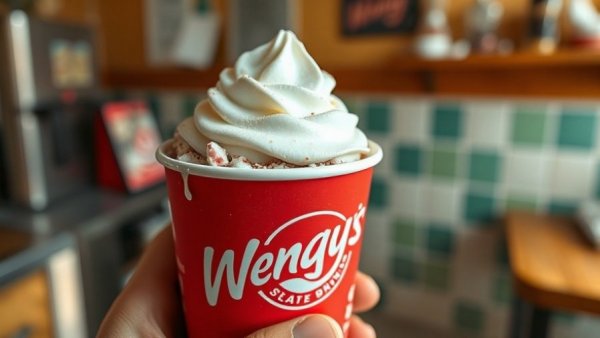
Minty Delight: Wendy's Seasonal Treat Takes Center Stage
As the holiday season approaches, businesses in the food and beverage industry are gearing up for an increase in festive sales. One recent addition to the fast-food scene is Wendy's new Peppermint Brownie Frosty, which taps into the seasonal flavors that customers crave this time of year. Featuring a delightful mix of mint and chocolate, this dessert is not just for sweet-toothed customers, but also serves as an intriguing case study for restaurateurs seeking to innovate their seasonal menus.
In 'Mint + chocolate for the holidays! ?? Wendy’s new Peppermint Brownie Frosty!' the discussion dives into a festive dessert that sparked key insights on seasonal marketing strategies.
Understanding Customer Preferences Through Seasonal Flavors
Seasonal offerings, like the Peppermint Brownie Frosty, are key in driving customer engagement during particularly festive periods. By incorporating flavors that evoke nostalgia and holiday cheer, brands like Wendy's not only satisfy their customers' cravings but also accomplish a crucial marketing tactic—creating a sense of urgency. Customers feel compelled to try limited-time items, which can significantly boost sales.
For restaurateurs, understanding seasonal flavor trends can help them diversify their menu and attract repeat customers, eager to revisit those familiar tastes. This year, the Peppermint Brownie Frosty is especially relevant as consumers express a strong preference for unique holiday experiences, indicating that nostalgic flavors combined with a modern twist resonate well in today’s market.
The Power of Social Media in Food Marketing
In the age of social media, the visibility of seasonal items can make or break a product’s success. Wendy's, with its sharp marketing strategy, has leveraged platforms like Instagram and TikTok to create buzz around its Peppermint Brownie Frosty. Visual content showcasing the vibrant colors of the dessert evokes appetites and draws customers in. For restaurateurs, maintaining an engaging online presence is essential; sharing visually appealing images and creating trends around seasonal dishes can lead to heightened awareness and customer interest.
Moreover, social media allows for direct interaction with customers, enabling businesses to receive real-time feedback on seasonal offerings. The ability to smoothly integrate user-generated content into marketing strategies can further enhance customer loyalty—seeing a friend's review or photo can often be more persuasive than traditional advertising methods.
Learning from Wendy’s Marketing Strategy: How to Stand Out
As businesses prepare for the holiday rush, it’s beneficial to examine Wendy’s marketing approach with the Peppermint Brownie Frosty. The brand utilizes a mix of humor, community engagement, and seasonal engagement tactics that resonate with a diverse audience. Returning to the basics of good menu design—showcasing new flavors, highlighting local ingredients, and emphasizing the season's festive themes—can stimulate interest and customer loyalty.
Restaurateurs should consider incorporating events or limited-time themed promotions to complement seasonal menu items. For instance, launching a ‘Frosty Happy Hour’ during the holidays, where customers can enjoy discounted prices on the Peppermint Brownie Frosty, could enhance sales and draw in families looking for festive outings. This kind of community engagement not only boosts sales but also fosters a sense of belonging among consumers.
What Seasonal Menu Changes Mean for Restaurants
For many restaurants, introducing new dishes based on seasonal themes can lead to a larger conversation about innovation and customer choice. Wendy's decision to launch the Peppermint Brownie Frosty reflects a broader industry trend where businesses aim to surprise and delight customers. By being receptive to changing tastes and embracing seasonal ingredients, restaurateurs can craft experiences that drive foot traffic and online engagement.
Furthermore, the introduction of new seasonal desserts or appetizers can encourage customers to explore the menu more thoroughly, increasing the likelihood of trying multiple items during a visit. Riding the coattails of successful seasonal items can lead to cross-promotion opportunities, where diners may want to pair their dessert with a matching seasonal beverage or entrée.
Future Predictions: Seasonal Flavors Beyond the Holidays
Looking ahead, the use of seasonal flavors during various holidays could predict a larger trend in food service. As diners seek unique experiences, the demand for limited-time menu items—like savory pumpkin dishes in the fall or refreshing berry desserts in summer—may become standard operating procedure. Establishments should look to build on the sense of excitement each season brings.
Emerging culinary trends also demonstrate a shift towards sustainability and local sourcing. Restaurants may enhance their seasonal menus not only by selecting popular flavors but also by promoting local farms and artisanal producers, which creates a community-focused narrative that appeals to environmentally conscious consumers.
Final Thoughts: Reimagining the Holiday Menu
Wendy's Peppermint Brownie Frosty serves as an exciting example for restaurateurs who want to spice up their holiday offerings. For those in the industry, engaging with customers through the lens of nostalgia, seasonal ingredients, and social media can create a recipe for success. As the holiday season approaches, consider the implications of introducing exciting flavor pairings like mint and chocolate into your offerings to keep your establishment thriving.
Ultimately, the key to successful seasonal menu changes lies in understanding your customer base and being willing to adapt to their preferences. Keeping an eye on trends like limited-time offerings and flavor innovation can help restaurants maintain customer interest while fostering a joyous holiday spirit.







Write A Comment