

Understanding the CMO Turnover in Fast Food
The fast food industry appears to be facing a significant shift, as evidenced by a wave of Chief Marketing Officer (CMO) departures. With intense competition fueled by evolving consumer preferences and the need to adapt quickly, many fast food chains are experiencing what some might call a CMO-pocalypse. These sudden leadership changes bring about not just challenges, but opportunities for restaurateurs to rethink their marketing strategies in an ever-changing market landscape. In a sector often characterized by its rapid pace, these transitions can set the stage for either renewal or stagnation depending on how the companies respond.
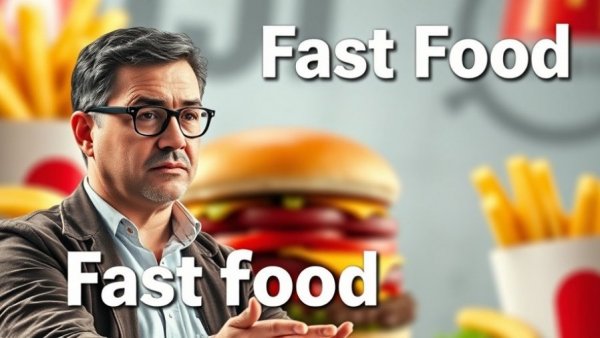
In 'Fast Food’s CMO-pocalypse?', we dive into the trends surrounding leadership changes in fast food marketing, illuminating vital insights for restaurateurs.
The Driving Forces Behind CMO Departures
Recent data shows that leadership turnover in the fast food sector has reached unprecedented levels. Not just a trend, this turnover is attributed to several factors, including the increasing importance of digital marketing strategies, the pressure of maintaining brand loyalty amid a shifting consumer base, and the need for continual innovation. CMOs are tasked with orchestrating complex marketing frameworks that resonate with consumers, yet the constant necessity for adaptation can be overwhelming. As CMOs grapple with these multifaceted challenges, many choose to step down rather than navigate a path fraught with uncertainty. This has resulted in an environment where frequent leadership changes are seen as more of a norm than an exception.
Impacts on Brand Strategy and Consumer Engagement
When a CMO leaves, it often leads to a disruption in a brand’s marketing strategy. Fast food companies rely heavily on the voices of their CMOs to guide marketing campaigns, consumer engagement tactics, and social media presence. With this abrupt change in leadership, restaurateurs need to be prepared for shifts in consumer engagement strategies that could influence their businesses directly. The marketing landscape today is heavily influenced by real-time consumer feedback, and any lapse in leadership can create a delay in responding to market demands. This can affect brand identity and, ultimately, customer loyalty as consumers seek consistency from the brands they cherish.
Innovation and Adaptation Opportunities
The uncertainty presented by these changes can lead to opportunities for innovation. As fast food brands search for new leadership, they may take bold steps in their marketing efforts, which could also include experimenting with AI and technology solutions. For restaurateurs, this could mean adopting more innovative marketing tactics or collaborating with emerging food tech experts to stay relevant. Companies might explore novel digital platforms or even enlist data-driven insights to carve out new strategies, thereby reinforcing their connection with consumers. As younger demographics increasingly demand authenticity and engagement from brands, those that can pivot quickly and effectively will likely prosper.
Learning from Past Trends: Successful Strategies
To navigate this shifting landscape effectively, many businesses can look to previous examples from within the fast food industry. For instance, companies that have successfully embraced digital marketing platforms, such as social media campaigns and partnerships with food influencers, often experience a boost in sales and customer engagement during leadership transitions. Brands that deploy effective storytelling through various channels also tend to maintain customer interest even amidst changes in leadership. Restaurateurs should consider how these strategies might be applied to their own businesses in light of the current trends, perhaps even investing in training programs to equip their teams with the skills necessary to harness these innovative approaches.
Employee Engagement: A Key Factor
A vital component often overlooked in discussions of CMO turnover is employee engagement. During times of change, it’s essential for companies to ensure that their employees remain motivated and aligned with the brand’s vision. Frequent shifts in leadership can result in insecurity among staff, which might lead to decreased productivity and morale. Maintaining an open line of communication and fostering a collaborative culture can mitigate these impacts significantly. Moreover, engaged employees who believe in the brand are more likely to deliver superior customer service, further enhancing brand loyalty during tumultuous phases.
Looking Ahead: How to Prepare for Future Changes
As fast food CMOs continue to shift, restaurateurs should proactively embrace the changes and prepare for potential leadership transitions within their own establishments. This includes nurturing a dynamic marketing team that can adapt swiftly to changes, focusing on analytics and insights to guide marketing efforts. By fostering a culture of agility and readiness within their teams, restaurateurs can better position themselves for success amidst the uncertainties ahead. Transition periods are an opportunity for brands to take a step back, reassess their goals, and invest in developing a strong internal talent pipeline that can step up when needed.
Understanding the complexities of marketing leadership in the fast food sector helps illuminate broader retailing and restaurant marketing trends. This evolving landscape demands that companies prepare for the future by staying informed and fostering a proactive approach to marketing strategies. In addition, being adaptable and open-minded can lead to new paths of engagement and brand revitalization. For restaurateurs, the changing tides of leadership may ultimately signal a time for reflection and innovation, propelling their businesses into the future with vigor and resilience.






Write A Comment