

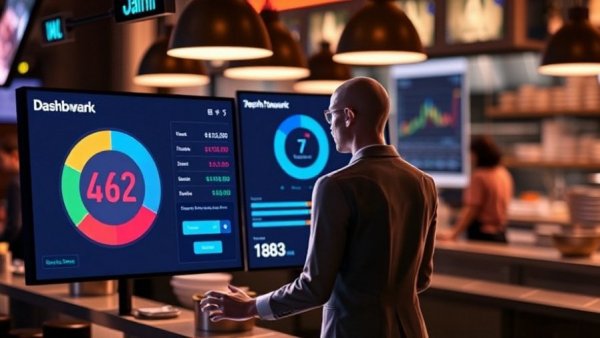
Revolutionizing Restaurant Management with AI
As the foodservice industry continues to adapt and innovate, utilizing technology has never been more essential for restaurant operations. The shift from manual processes to sophisticated systems has fundamentally changed how restaurants manage purchasing, supply chains, and data analysis. However, for all this technological advancement, the responsibility still often falls on employees to interpret data and act upon it. This gap is where AI agents, or Digital Direct Reports (DDRs), come into play, transforming the restaurant landscape by offering a new level of operational efficiency.
What Are Digital Direct Reports?
A Digital Direct Report serves as a digital team member designed to handle specific tasks autonomously. Unlike traditional reporting systems that produce static alerts requiring human intervention, DDRs can continuously monitor relevant data. They flag significant changes, analyze the context, and deliver insights to operational teams before issues escalate. By doing so, they take on a portion of the responsibility that would traditionally burden employees, allowing them to focus more on strategic decision-making rather than data-analysis tasks.
Case Study: Real-World Implementation
Take the example of Sky-Co-Op, an organization supporting over 300 restaurant locations. Previously, their process relied heavily on scheduled audits and reviews, a structure vulnerable to oversight when unexpected price increases occurred. Just three weeks into a price hike on a critical food item, the discrepancy was caught—but at the cost of financial stability across their sites. Now, DDRs have changed the game. By tracking pricing, commodities, and other operational facets, they provide real-time alerts and assistance that enhance operational insight and help mitigate risks significantly faster.
The Importance of Context in Alerts
One of the key advantages of DDRs is their ability to appreciate context rather than just raw data. Suppose a restaurant observes an unusual price increase of 40% on a single item while another item's price rises by only 8%. A basic alert system might focus on the larger percentage increase. However, a well-structured DDR would discern which situation truly poses the greater financial risk, taking into account purchase volume, previous prices, and distributor reliability. This layer of analysis is indispensable to fostering effective responses in a crowded and rapidly changing market.
Addressing Unique Needs Across Restaurant Types
The diverse landscape of the restaurant industry—from fast-casual chains to fine dining establishments—includes a variety of operational patterns depending on the type of cuisine, location, and seasonal nuances. AI solutions must cater to these distinctive needs while ensuring accuracy and effectiveness in every context. Sophisticated DDRs can be vital here, tailoring their analyses to the specific business model, amplifying efficiency and reducing the need for constant human oversight.
Future Implications: Embracing AI for Competitive Advantage
As we continue to navigate the complexities of today's restaurant environment, the role of AI agents is set to grow. Forward-thinking restaurateurs harnessing DDR capabilities will gain a competitive edge, driving operational excellence and adaptability. By minimizing delays in decision-making and responding promptly to market changes, restaurants can safeguard against potential financial pitfalls while optimizing their operational strategies.
Common Challenges in Restaurant Operations
The restaurant industry faces numerous challenges, including fluctuating supply costs, labor shortages, and the need to maintain quality customer service. These factors can strain even the most dedicated staff, making it imperative that restaurant operations become more efficient. Implementing AI technologies like DDRs can help alleviate these pressures by providing insights that allow management to make informed decisions quickly. For instance, if a DDR identifies an imminent labor shortage, management can proactively adjust staffing schedules or could even explore automation where feasible to fill the gap.
Case Studies of Success with DDRs
Several restaurants have already implemented DDRs to streamline their operations and improve financial outcomes. A notable example is a regional pizzeria chain that adopted a DDR solution to monitor ingredient prices. By continuously analyzing supplier data and historical price trends, the DDR helped the pizzeria lock in favorable contracts with suppliers before costs escalated, resulting in significant savings over an annual budget. Such examples underline the potential of DDRs to not only avoid losses but also to strategically position businesses to take advantage of market efficiencies.
Preparing for an AI-Driven Future
To fully capitalize on the benefits of DDRs, restaurant owners must be prepared to embrace change. This includes training staff to work alongside AI technologies and integrating DDR insights into their daily operations. Investing in technology shouldn’t solely be viewed as a cost but rather as a pathway to building resilience within the business. By fostering a culture that values technological adoption and data-driven decision-making, restaurants can enhance their ability to respond to challenges quickly and effectively.
Embracing the Future of Restaurant Operations
To stay ahead in a competitive field, restaurateurs must embrace the possibilities presented by innovative technologies like AI. Digital Direct Reports not only offer significant operational benefits but also usher in a transformative approach to how restaurants handle challenges and seize opportunities. As you consider the future of your restaurant, ask yourself: Is your operation set up to adapt to the modern landscape? The time to invest in AI is now. Engaging with this technology ensures you remain at the forefront of industry advancements, securing your restaurant's place among the leaders in the sector.







Write A Comment