Small Business Today
UPDATE
  • Home
  • Categories
    • Business Headlines
    • Small Business Trends
    • Automotive Industry News
    • Restaurant News
    • Dental Practice Marketing
    • Auto Repair Marketing
    • Roofing Contractor Marketing
    • Salon & Spa News
    • Lawn & Landscape Marketing
    • Plumbing & HVAC Contractor News
October 02.2026
4 Minutes Read

How the 2027 Hyundai Tucson Redefines Automotive Design and Market Appeal

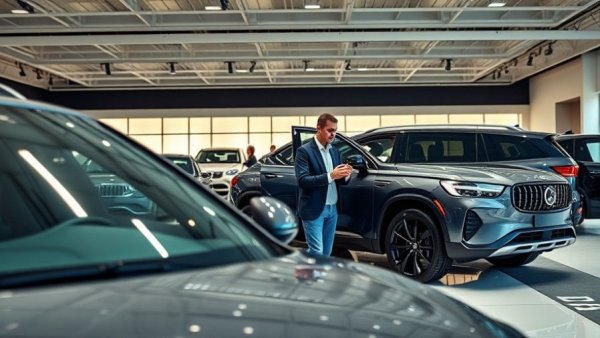
2027 Hyundai Tucson design discussed by two individuals in showroom.

Redefining Automotive Design: The Bold Vision Behind the 2027 Hyundai Tucson

The automotive landscape is changing rapidly, with fierce competition pushing manufacturers to innovate like never before. As car buyers increasingly seek vehicles that reflect their personality and lifestyle, Hyundai recognizes the critical need for a standout design. The 2027 Hyundai Tucson is not just a vehicle; it's a radical statement, reflecting the creative vision of Simon Loasby, Hyundai's chief designer.

In '2027 Hyundai Tucson Walkaround With Hyundai Design Head Simon Loasby', the discussion dives into revolutionary design strategies that sparked deeper analysis on our end.

Understanding the Shift in Design Philosophy

Loasby emphasizes that the latest Tucson breaks away from the boxy designs of previous generations. This shift comes in response to a growing challenge from competitive automotive markets, particularly the rapidly advancing Chinese automakers. By embracing a more aggressive, SUV-like stance, Hyundai aims to capture the attention of potential buyers looking for both aesthetics and functionality.

“This is a very competitive segment, and we have to be on our toes,” Loasby states, highlighting the challenges that come with designing a vehicle that must stand out among a multitude of options available to consumers. The auto industry is evolving at breakneck speeds, with new technologies and styles emerging from all corners of the globe.

The Art of Steel Design Language: A New Era for Hyundai

One of the most exciting aspects of the 2027 Tucson is its embodiment of Hyundai's 'Art of Steel' design language. This approach aims to give vehicles an appearance that is both robust and elegant. By utilizing innovative manufacturing techniques, such as stretching the steel to achieve a sophisticated depth in the rear fender, Hyundai showcases its commitment to forward-thinking design. As Loasby points out, the depth of draw on the Tucson is unmatched among mainstream manufacturers, creating a unique silhouette that encourages admiration on the road.

This commitment to quality and innovation is part of Hyundai's broader goal: to connect with customers on a deeper level. By crafting a car that looks and feels premium, Hyundai not only enhances its brand image but also appeals to discerning buyers who are increasingly looking for great value in their purchases.

A Deeper Look: Design Influences and Innovations

What sets the Tucson apart from competitors lies in the meticulous attention to detail. Loasby refers to shaping the design to evoke the streamlined essence of an American football, subtly influencing how the vehicle appears both in motion and at rest. The horizontal lines of the clamshell hood are not just for show; they expand the visual width of the vehicle, making it appear larger and more commanding on the road.

This thoughtful design has practical implications as well. The elevated H-point that results from these design alterations allows for a more commanding view of the road, enhancing driver confidence and the overall driving experience. “The goal was to provide a more engaging interaction for the driver,” Loasby explains, demonstrating how design directly impacts usability and satisfaction.

Keeping Pace with Global Trends in Automotive Design

With competitors emerging from various markets, including the U.S., Europe, and Asia, Hyundai is keenly aware of the need to stay ahead of global trends. The Tucson is not just a response to market pressure; it is an evolution, blending aesthetic appeal with functionality to enhance the driving experience. Loasby articulates the privilege and challenge faced by Hyundai’s design team, as the brand strives to appeal to diverse regional preferences without compromising on the boldness of their vehicles.

The diverse influences drawn from different markets are pivotal; Loasby’s extensive experience in international markets, including significant time spent in China and Europe, lends him unique perspective. Understanding consumer behavior across regions enables Hyundai to tailor its designs to meet global expectations while still providing a distinctly Hyundai identity.

Real-World Implications: What This Means for Dealers and Consumers

As automobile dealers prepare for the Tucson's launch, understanding this new design philosophy is pivotal. The Tucson's striking appearance isn’t just about looks; it's also about driving sales. Offering consumers a vehicle that stands out visually increases the likelihood of attention in a crowded market, and ultimately, better sales performance.

For dealers, leveraging the Tucson’s unique design features in marketing campaigns can create a compelling narrative that resonates with potential buyers. As they explore options and test drive vehicles, emphasizing the Tucson’s robust, premium look can set it apart from competitors. Moreover, dealers can explain how the Tucson’s innovative features, such as a more commanding driving position and enhanced usability, directly improve the ownership experience.

Preparing for the Future: Anticipating Market Reactions

With the Tucson set to hit showrooms next spring, the anticipation surrounding its reception builds. Dealers will need to be equipped with insightful talking points that highlight the vehicle's distinctive design and competitive edge. Potential buyers will be drawn to the Tucson not only for its visual appeal but also for what it represents: a modern, stylish, and spacious SUV that meets the demands of a contemporary lifestyle.

As you gear up to introduce the 2027 Hyundai Tucson to your dealership floor, consider leveraging the insights from Loasby’s design approach to create a narrative that resonates with your customer base. Engaging storytelling, coupled with an understanding of the vehicle's innovative features, can enhance your sales strategy, making the Tucson a coveted choice among customers.

The upcoming Tucson is poised to make waves in the auto industry, driven by a commitment to redefining automotive design. As dealers, it's your chance to embrace this new generation of the Tucson and share its compelling story with potential buyers. Prepare yourselves—this vehicle is more than just transportation; it’s a bold statement of style and innovation that is ready to change the game in the SUV segment.
Automotive Industry News

23 Views

0 Comments

Write A Comment

*
*
Please complete the captcha to submit your comment.
Related Posts All Posts
11.14.2026

Explore the Ford Vault: A Treasure Trove for Automobile Dealers

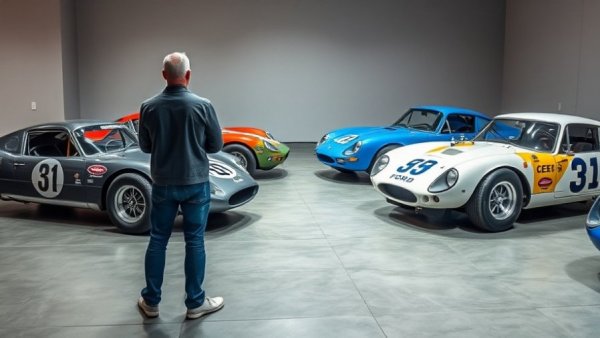
Update A Journey Through Automotive History: Discovering the Ford Vault If you are an automobile dealer looking to expand your knowledge and appreciation for automotive history, the new Ford Vault in Romulus, Michigan, is a must-visit destination. Located within a sprawling 79,000-square-foot space, this impressive collection showcases the iconic legacy of Ford Motor Company, from the famed Le Mans-winning GT40s to eclectic classic vehicles like the denim-themed Econoline van. Initiative-driven by CEO Jim Farley, this vault was established over three years ago to preserve, display, and tell the stories behind Ford's cherished vehicles. The vault serves as a treasure trove for automobile dealers who wish to understand the historical context of vehicles they may sell and the narratives that have shaped the automotive landscape over the decades.In the video 'Inside the Ford Vault: 125 historic vehicles,' we get a glimpse of the impressive automotive collection that Ford is now preserving, leading us to delve deeper into its significance and how it aligns with the sales strategies of automobile dealers. Historic Significance: Why Ford's Collection Matters Ford's establishment of a dedicated space for classic vehicles marks a significant step toward recognizing the company's deep roots in American automotive history. Until this vault's inception, Ford's collection was scattered across various locations, often stored without security or accessibility. By bringing these historic vehicles together, Ford not only protects them but also invites the public to engage with automotive history through compelling storytelling that reflects the brand's impact on American culture. Visitors can expect to see timeless models like the 1910 Model T, which showcases the evolution of vehicle design and Ford's role in defining mobility for the masses. Additionally, the Ford Vault also serves to educate visitors about the significant milestones in the automotive industry, from the introduction of assembly line production to technological advancements in vehicle design. This historical lens can help dealers appreciate the legacy of innovation that Ford represents, allowing them to provide deeper insights to customers. One-of-a-Kind Exhibits: Uncovering the Gems of the Vault Among the highlights of the Ford Vault are rare gems that encapsulate automotive excellence. The three 1966 Ford GTs that famously triumphed at Le Mans are not just trophies of racing history; they represent the visionary spirit of Ford in challenging the status quo, famously going head-to-head with Ferrari in an iconic saga that inspired the film "Ford v Ferrari." These vehicles do more than sit on display; they tell a story of perseverance, innovation, and competitive spirit. Their presence in the vault serves as a testament to Ford's commitment to pushing boundaries in automotive performance. Moreover, the showroom features an unexpected range of vehicles, including concept cars like the Super Chief, which offers a glimpse into Ford's creative vision for future models. This concept debuted at the 2006 Detroit Auto Show and reflects the bold ideas that continue to shape Ford’s product lineup. Each vehicle showcased within the vault is an opportunity for automobile dealers to understand the evolution of Ford's design philosophy and the lessons learned over time. Themed Storytelling: Celebrating Ford’s Cultural Impact What sets the Ford Vault apart is its commitment to thematic storytelling. The vehicles are not just displayed in chronological order but are grouped into categories illustrating their cultural significance. For instance, the denim-covered Econoline van debuted in partnership with Levi's for America’s Bicentennial celebration, encapsulating the fusion of fashion and automotive culture. This innovative approach enhances the visitor experience, making it more engaging and educational. Understanding how Ford vehicles have been woven into the fabric of American pop culture provides dealers with valuable insights they can share with customers on the showroom floor. History comes alive not only through the vehicles themselves but through the context in which they were created. From exploring the impact of the Ford Mustang on sports cars to understanding the significance of the Bronco in off-road culture, each exhibit provides a narrative that can resonate with audiences today. Future Trends: What This Means for External Engagement The establishment of the Ford Vault is indicative of broader trends in the automotive industry where engagement with heritage is becoming crucial. As younger generations enter the marketplace, dealerships will benefit from showcasing how brands like Ford have evolved, offering more than just vehicles—they offer stories of innovation and enduring legacy. This vault may also serve as a model for other manufacturers to create similar spaces, enhancing customer experience through storytelling. As automobile dealers increasingly connect with customers who seek a deeper understanding of the brands they choose, the Ford Vault stands as a prime example of how automotive history can serve as a marketing tool. By promoting their heritage, dealerships can attract attention and foster meaningful conversations that may influence buying decisions. Final Thoughts: A Call to Action for Dealers For automobile dealers, the opening of the Ford Vault presents an exciting opportunity to deepen customer relationships by sharing the rich stories of Ford vehicles. Knowledge about automotive history doesn't just enhance sales; it promotes brand loyalty by strengthening emotional connections between buyers and their vehicles. As the vault prepares to open to the public, it’s essential to stay informed about this evolving landscape so you can leverage these narratives in your sales strategies. As you consider incorporating elements of Ford's legacy into your own practices, remember that every vehicle has a story worth telling. Plan your own visit to the Ford Vault and experience firsthand the wealth of history that can ignite passion for your sales approach—and potentially inspire customers in unexpected ways. So, gear up for the journey within the Ford Vault, not just as a visit to a museum, but as an expedition into the heart of the automotive history that influences today's market. The stories and vehicles you encounter might just be what sets you apart in a competitive dealership environment.

11.14.2026

Nvidia's Auto Future Uncertain After Jensen Huang's Departure: What Dealers Need to Know

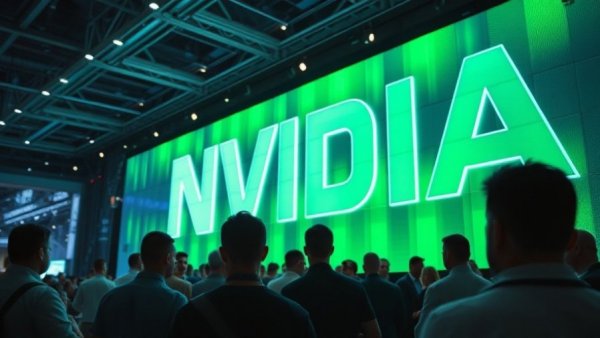
Update Nvidia's Leadership Shake-up: What It Means for the Auto Industry The recent resignation of Jensen Huang as CEO of Nvidia has sent shockwaves through the automotive sector. As Huang departed from the company amid a cloud of controversy, the tech world is beginning to ponder the implications for Nvidia's automotive business—a division that was only a small fraction of its overall revenue but held significant potential for future developments. With Colette Crest taking the reins as interim CEO, automakers worldwide, including Toyota and Ford, must navigate this uncertain landscape.In 'Nov. 14, 2026 | Weekend Drive: Nvidia’s auto future after Jensen Huang; Toyota revives Scion,' the discussion dives into the evolving auto tech landscape, prompting us to analyze its potential impacts for automotive dealers. Why this Matters for Automakers As we explore the aftermath of Huang's resignation, the importance of Nvidia's technology in the automotive industry cannot be overstated. Automakers have increasingly relied on Nvidia's hardware and software to enhance their vehicles, powering everything from AI-driven features to in-car entertainment systems. This is not just a trend; it is becoming a backbone of modern vehicle functionality. Analysts worry that with leadership changes come strategic shifts that may affect the stability and accessibility of these critical services and innovations. As Larry Veloquette pointed out, automakers like Toyota, Volkswagen, and Ford are holding their collective breath, hoping for continuity during this pivotal moment. The possibility of disrupted partnerships with Nvidia can have cascading effects on numerous vehicle platforms, particularly in an era where AI capabilities are vital for competitive advantage. Adapting to Changes: What Ford and Others Are Doing Ford, which has made significant investments in AI and autonomous driving technologies, finds itself at a crossroads. The automaker's reliance on Nvidia's data center GPUs could raise questions about the supply chain and current projects. Given the growing importance of AI features in vehicles, any disruption could lead to delays in product development and potentially affect market competitiveness. However, many insiders believe that Ford is well-prepared to pivot quickly if necessary, given its diverse supplier relationships and innovative capabilities. This agility might also be pivotal as Ford focuses on rolling out new models within an increasingly tech-driven landscape. With electric vehicles becoming mainstream and consumer expectations shifting, Ford’s strategic decisions regarding suppliers like Nvidia will directly influence the brand's future. The Rising Competition: A Potential Opening for Rivals? The leadership change at Nvidia could open the door for competitors like Mobile Eye and Qualcomm to carve out a larger share of the automotive tech market. As analysts speculate on the impact of Huang's departure, it's essential to look at how this may reshape the competitive landscape. Although the contracts for chip supply are often locked in years in advance, ongoing technological advancements may prompt automakers to reconsider their partnerships. Additionally, the speed and scale of AI integration into vehicles have led to increased competition among tech firms. Companies that can successfully pivot to fill any gaps left by Nvidia may find opportunities to innovate faster, ultimately benefiting automakers eager for progress. For automobile dealers, understanding these dynamics is crucial as they work alongside manufacturers to meet consumer expectations. Political Ramifications and Market Sentiment The political implications of Huang's resignation, especially relating to his ties to China, could complicate matters further for major automakers. Ford's ongoing relationship with the Chinese market has already faced scrutiny from U.S. lawmakers, and as political tensions rise, automakers must remain cautious navigators in this fraught landscape. Insights from industry experts show that automakers’ strategies will have to evolve not just in response to market demands, but also in anticipation of potential regulatory challenges. The industry is known for its cycles of adaptation due to regulatory pressures, and the current climate amplifies this need. For auto dealers, this means staying informed about regulatory shifts and understanding how to communicate these changes to customers effectively. The Return of Scion: Toyota's Bold Move Amidst all this turmoil in the tech world, Toyota is resurrecting its Scion brand. This time, Scion will experiment with small vehicles, beginning with a tiny pickup truck. The K01, which boasts an 11-foot length and a speed capped at 25 mph, represents a novel approach for Toyota as it seeks to appeal to a niche market that values unique, compact vehicles. This move aligns with broader trends toward sustainability and efficiency, providing Toyota an opportunity to test new waters without significant risk. By reviving the Scion name, Toyota taps into its legacy of appealing to younger consumers with innovative designs at accessible prices. The vehicle's unique specifications, such as its compact size, suggest targeting urban environments or industries needing small utility vehicles, like landscaping or farming, rather than the mass-market appeal that more extensive trucks currently possess. Exploring Local Relevance and Practical Takeaways The revival of Scion provides an exciting case study for local automobile dealers. Understanding local market preferences for compact and utility vehicles can help dealers tailor their inventories accordingly. With urbanization continuing to influence vehicle demand patterns, offering unique models that cater to these preferences could be an essential strategy for maximizing sales. Dealers should consider the implications of scalable technology advancements as well, especially in the context of the Nvidia developments. Keeping close ties with multiple suppliers can help mitigate risks associated with potential disruptions in supply chains. Automakers and dealers that stay ahead of technological trends—including those related to AI, EVs, and autonomous driving—are likely to be well-positioned in a rapidly changing market. Conclusion: Navigating Future Changes As the automotive industry adjusts to fluctuating dynamics—both from Nvidia's leadership shake-up and Toyota's revival of Scion—dealers and automakers alike must be prepared for rapid innovation. Understanding these shifts and their implications allows for strategic positioning in this highly competitive environment. By staying ahead of these trends and optimizing their approaches to technology, automotive businesses can harness the opportunities that lie ahead. If you’re an automobile dealer looking to stay informed and adapt accordingly, keeping a close watch on these developments will be crucial for your ongoing success. Don't hesitate to engage with your local automotive community, ask questions, and seek insights to keep your operations running smoothly in these exciting but unpredictable times. By actively participating in discussions around technology and vehicle trends, dealers can create a network of valuable resources to draw upon as the industry evolves.

11.13.2026

How Honda's 1.6 Million U.S. Sales Target Affects Dealers Amidst NVIDIA's Leadership Shake-Up

Update The Future of NVIDIA’s Auto Business Without Jensen Huang The automotive landscape is undergoing rapid changes, and the recent resignation of Jensen Huang as CEO of NVIDIA has cast a cloud over the company's ambitions in the sector. Historically, Huang was a staunch advocate for the integration of artificial intelligence and advanced computing into automotive technology, making his departure a critical juncture for NVIDIA's auto segment.In Daily Drive | Jensen Huang’s exit clouds Nvidia’s auto future; Honda targets 1.6 million U.S. sales, the discussion dives into critical industry shifts, prompting us to analyze their potential implications. While NVIDIA's automotive revenues constituted a modest 1% of its overall financials last year, the investment in technology was seen as a priority for the company. There remains uncertainty about whether the interim CEO, Colette Kress, and Huang's eventual successor will maintain the same level of enthusiasm for automakers that Huang did. Meanwhile, Mercedes-Benz asserts that its partnership with NVIDIA remains unchanged, indicating a potential path forward despite leadership shifts. New Growth Targets: Honda Aims for 1.6 Million U.S. Sales In a more uplifting narrative for automobile dealers, Honda has set an ambitious target of increasing U.S. sales to 1.6 million vehicles by early the next decade, up from 1.37 million anticipated this year. This comes after a particularly invigorating dealer meeting in Las Vegas, prompting optimism among the attendees about Honda’s growth trajectory. The key to this ambitious growth plan lies not just in product launches but in addressing manufacturing capacity constraints. Honda's decision to invest $3 billion in a new plant in Central Ohio, slated to produce 240,000 vehicles annually by 2029, is aimed not only at increasing inventory but also at hedging against potential geopolitical issues and tariffs. This strategic move will bolster their production capabilities, a vital factor previously hindering market potential. Shifting Market Trends: The Embrace of Hybrids Interestingly, Honda is championing hybrids as a focal point for future sales growth, particularly with the upcoming seventh generation CRV, which will debut as a hybrid-only model next summer. This reflects an industry trend as consumers increasingly gravitate toward more fuel-efficient vehicles in a market where competition is also leaning heavily on hybrid technology. Dealers at the meeting expressed excitement about the CRV’s design, which balances new features while retaining familiar elements that have made it a perennial best-seller. With a more rugged appearance and advanced hybrid system, Honda seems poised to attract current buyers and entice newcomers looking for efficiency without sacrificing performance. Understanding Dealer Sentiment: A Positive Outlook The dealer meeting in Las Vegas was a turning point for Honda, with many attendees expressing it as the most encouraging event they had attended in recent memory. The renewed focus on production and product improvements resonated strongly with dealers, who have felt the impact of inventory challenges over the past several years. This investment in both product and manufacturing infrastructure signifies a commitment to quality and availability that could help restore confidence in Honda among dealers. Adapting to Inflation: Supplier Challenges While Honda's narrative unfolds positively, the auto industry is still grappling with challenges posed by inflation. Suppliers are increasingly vocal about their struggles with rising costs driven by factors such as soaring oil prices and chip shortages. Aptiv, for example, is predicting a staggering $700 million in inflation costs related to semiconductors next year, pressing automakers like Ford to reconsider their purchasing strategies. These issues highlight the interconnected nature of the automotive supply chain and suggest that automakers, including Honda, may need to navigate negotiations with their suppliers more strategically. Ensuring a smooth supply line while balancing costs will be integral to achieving their ambitious sales goals. The Road Ahead: What Lies Beyond the Horizon? Honda’s strategy may signal broader shifts within the industry as manufacturers pivot to accommodate changing consumer preferences and external economic pressures. The move to reinforce hybrid production while managing supplier relations illuminates a path that could alter the competitive landscape in the U.S. auto market significantly. As hybrid technology is set to replace more traditional powertrains amidst innovation and potential regulatory changes, it is essential for dealers to remain informed and adaptable. Ultimately, the coming years promise to be pivotal for Honda and the broader automotive sector. As the company seeks to regain its footing and expand, the decisions made in the face of these challenges could serve as critical learning moments for the industry as a whole. With so much happening in the automotive realm, staying updated is essential. Dealers are encouraged to remain engaged with the latest news and prepare for the implications these changes may hold for their operations and strategies.

cropper
update

Small Business Today

cropper
update

Write a small description of your business and the core features and benefits of your products.

  • Small Business Today
    update
  • Small Business Today
    update
  • update
  • Small Business Today
    update
  • Small Business Today
    update
  • Small Business Today
    update
  • Small Business Today
    update

COMPANY

  • Privacy Policy
  • Terms of Use
  • Advertise
  • Contact Us
  • Menu 5
  • Menu 6

(508)344-5927

AVAILABLE FROM 8AM - 5PM

City, State

, ,

ABOUT US

Write a small description of your business and the core features and benefits of your products.

© 2026 CompanyName All Rights Reserved. Address . Contact Us . Terms of Service . Privacy Policy

Terms of Service

Privacy Policy

Core Modal Title

Sorry, no results found

You Might Find These Articles Interesting

T
Please Check Your Email
We Will Be Following Up Shortly
*
*
*