Small Business Today
UPDATE
  • Home
  • Categories
    • Business Headlines
    • Small Business Trends
    • Automotive Industry News
    • Restaurant News
    • Dental Practice Marketing
    • Auto Repair Marketing
    • Roofing Contractor Marketing
    • Salon & Spa News
    • Lawn & Landscape Marketing
    • Plumbing & HVAC Contractor News
November 07.2026
4 Minutes Read

NASA's $10 Billion Moon Base: A New Frontier in Space Exploration

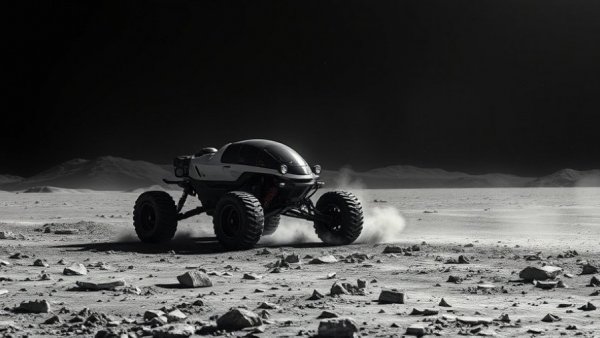
NASA $10 billion Moon base contract visualization with lunar rover.

A New Era of Lunar Exploration: NASA's $10 Billion Moon Base

NASA has taken a monumental step forward in its lunar exploration endeavors with the announcement of up to $10 billion in contracts dedicated to establishing a permanent base on the Moon. This groundbreaking initiative involves collaboration with high-profile players in the aerospace industry, including SpaceX, Blue Origin, and several other companies, who are set to compete for significant contracts aimed at delivering vital scientific equipment and technology to the Moon's south pole. This remarkable investment not only marks a keen interest in lunar exploration but also signals a burgeoning era of commercial space activity.

Building Blocks of a Sustainable Lunar Presence

The newly introduced Commercial Lunar Payload Services (CLPS) framework highlights NASA’s ambitious strategy to not only return humans to the Moon but to create a long-term human presence there. As NASA Administrator Jared Isaacman stated, the plan involves sending astronauts to the Moon with the first elements of the Moon base already on site, thanks to these contracts. This means that, as astronauts arrive, they will not be starting from scratch; vital structures and equipment will already be waiting for them, easing their transition and enhancing mission efficiency.

Among the selected companies, Blue Origin has secured a crucial $94 million contract specifically for the delivery of NASA's nuclear-powered rover, named PROMISE (Polar Rover for Observation, Mapping, and In-Situ Exploration), which is scheduled for launch by late 2028. This rover will play a key role in assessing the lunar surface for resources, particularly areas that are suspected to contain water ice, essential for sustaining life on the Moon. The exploration of these resources could ultimately enable long-term human habitation on the lunar surface.

Investment in Technology and Innovation

This lunar endeavor isn't just about the contracts; it's about pushing the boundaries of technology and exploration. NASA has also enhanced the existing CLPS contract's value from $2.6 billion to $4.2 billion, which supports the development of initial Moon base structures and exploration technologies that will be critical to long-term human operations on the Moon. Blue Origin’s Mark 1 lunar lander is tasked with delivering the PROMISE rover, while technologies to facilitate cargo movement between Earth and the Moon are being tested under separate transportation task orders, totaling approximately $1.3 billion across various companies. These advancements could pave the way for a more robust logistics network in space, facilitating easier access to and from the Moon and beyond.

Commercial Space Race Heats Up

The competition for lunar contracts signifies a new phase in space exploration where private companies are increasingly partnering with NASA. The contracts awarded to Firefly Aerospace, Intuitive Machines, iSpace US, Lockheed Martin Space, Northrop Grumman, and Voyager Technologies indicate a collective push towards lunar exploration that expands beyond governmental efforts. This reflects a significant shift in the dynamics of space exploration, moving towards a more collaborative approach that not only encourages innovation but also drives down overall costs associated with space missions. This collaborative effort boosts competitiveness among firms, which can lead to faster and more effective technological advancements.

Future Predictions: The Challenges Ahead

While the excitement surrounding the lunar gold rush is palpable, it also comes with challenges. Experts predict logistical obstacles in delivering equipment and managing the complexities of maintaining a functional habitat on the Moon. Ensuring reliable transport of goods and services will be paramount, especially as missions become more frequent and require more extensive support systems. It raises essential questions about infrastructure and resource management in deep space.

Additionally, some concerns have been raised regarding the environmental impact of establishing a human presence on the Moon and how these activities might influence the lunar environment. It is essential that space agencies and private companies work together to implement sustainable practices for lunar exploration. This includes minimizing pollution, managing resources efficiently, and protecting potentially vulnerable areas on the Moon that could hold scientific value.

The Human Element: Emotion and Inspiration

Imagine a future where children gaze up at the Moon and dream of exploring its surface, just as generations before have aspired to reach the stars. This collaborative effort by NASA and its partners not only fuels scientific advancement but also reignites a sense of wonder about space. Through initiatives like the PROMISE rover and the eventual Moon base, we are laying the foundation for a new chapter in human exploration. The prospect of human settlement on the Moon is no longer science fiction; it's becoming a tangible reality.

The narratives shaping this lunar mission encapsulate more than just rocket science; they embody our human spirit of curiosity and adventure. As we embark on this journey, the legacy of exploration continues, enriching not only our knowledge but also our aspirations. This interconnected web of endeavors can inspire future generations to engage in STEM pursuits, allowing them to be a part of this great adventure.

A Call to Embrace the Future of Space

As NASA prepares to return humanity to the Moon, it is crucial for everyone—from educators to innovators—to engage in the conversation about the future of space exploration. This is an opportunity to inspire the next generation of scientists, engineers, and explorers. Let’s envision a future where lunar bases are a stepping stone toward Mars and beyond. It is essential that the public remains engaged and informed, as this phase of exploration will touch upon global scientific cooperation, technological innovation, and even philosophical questions about our place in the universe.

Business Headlines

5 Views

0 Comments

Write A Comment

*
*
Please complete the captcha to submit your comment.
Related Posts All Posts
11.08.2026

How Solopreneurs Are Thriving with AI in America’s Economy

Update AI Powers America’s Solopreneurs: A New Wave of EntrepreneursThe dawn of the AI era is not just a phenomenon affecting large tech corporations; it is also revolutionizing the landscape for small business owners in the United States. With only a few AI tools, solopreneurs like Alex Willen and Kristin Ginn are not just surviving but thriving. For instance, Willen, who runs 12 e-commerce brands without a single employee, anticipates revenues between $2.5 million and $3 million this year. This contrasts sharply with traditional business models that require substantial investment in human resources to scale. By leveraging AI effectively, these solopreneurs exemplify how technology can empower individuals to achieve remarkable success in an increasingly competitive marketplace.Streamlined Operations and Reduced CostsUsing AI tools such as Anthropic's Claude and OpenAI's image generation capabilities, Willen has effectively replaced costs that would typically go towards hiring contractors for tasks like photography, design, and bookkeeping. For example, the cost for a professional product photography session can run from $2,000 to $5,000. By leveraging AI to handle these tasks, one solopreneur remarked, "that money just goes into my pocket." This drastic reduction in operational expenses allows owners to focus on scaling revenue instead of worrying about overhead costs associated with employing a full team. Additionally, these tools free up valuable time that can be redirected towards innovative strategies for business growth, such as exploring new markets or enhancing product offerings.The Impact of AI on Hiring TrendsAccording to a recent report, businesses that implement AI are likely to operate with a reduced workforce than those that don’t. A study by Gusto indicated that small businesses who adopted AI had a headcount approximately 7% larger compared to their peers who remained AI-agnostic. This statistic suggests that while AI can streamline many tasks, it can also change the way businesses approach hiring, allowing solo operators to grow their revenue without necessarily expanding their headcount. With a strategic deployment of AI technologies, solopreneurs can transition from being job-focused to becoming true entrepreneurs who can allocate resources wisely and avoid the pitfalls of unnecessary hiring.Transforming Customer Interactions and New Revenue StreamsA key advantage for modern solopreneurs is the ability of AI to enhance customer interactions. Ginn, who founded an AI-adoption consultancy after leaving Microsoft, utilizes AI for client proposals and strategy development. This approach not only accelerates her time to market but also maximizes the quality of her offerings. Willen's experience with his newly acquired hunting-gear brand, Lone Trail, illustrates a practical approach to shifting revenue channels. By employing ChatGPT and Claude to revamp Lone Trail's Shopify presence, he drastically increased its contribution to his overall revenue from 1% to a staggering 30% within a month. This example underscores the versatility of AI applications—enabling solopreneurs to experiment with different sales funnels and marketing strategies with minimal risk and maximum potential for profit.The Evolving Landscape of EntrepreneurshipThe rise of solopreneurs in the AI landscape is indicative of a broader transformation in entrepreneurship itself. Early research has noted a significant 26.8% growth in applications for non-employer businesses between the first quarter of 2024 and 2026. This contrasts with established industries, such as construction and wholesale, where non-employer applications experienced a slight reduction. The question of whether this trend will continue or lead to more traditional employment models remains a topic for ongoing discussion. As Stanford economist Erik Brynjolfsson noted, “The biggest misconception is that it's just about individual productivity; it's actually about leveraging AI to perform tasks that previously required a whole team.” The understanding and adoption of AI by solo entrepreneurs represent not just a trend but potentially a permanent shift in the entrepreneurial landscape.Looking Forward: Opportunities and ChallengesWhile the benefits of AI for solopreneurs are becoming increasingly evident, it is essential to balance optimism with caution. Recent findings highlight that the positive effects of AI adoption are still in their early stages. Researchers like Palagashvili emphasize that current data doesn't definitively establish causality between AI use and business growth. Hence, solopreneurs are encouraged to adopt a prudent approach, exploring AI tools while also preparing for the dynamic nature of market demands. It may be wise for small business owners to stay updated on the latest AI developments and seek out educational resources to enhance their understanding of which technologies can support their unique business model.Practical Takeaways for Aspiring EntrepreneursFor those looking to dive into the world of solopreneurship, understanding how to leverage AI tools is paramount. Start by identifying specific business processes that AI can improve or automate. Whether it’s customer service via AI chatbots or using data analytics for marketing strategies, there are myriad applications that can enhance efficiency. Additionally, joining online forums or local entrepreneurship groups can provide support and insights from fellow solopreneurs who are also navigating this new terrain. Sharing experiences and strategies can foster a community of innovation that benefits everyone involved.Conclusion: Embracing AI as a Game ChangerThe transformative potential of AI for small business owners is clear. With fewer barriers to entry and significant cost savings, solopreneurs have the opportunity to scale their businesses like never before. As technologies continue to evolve, those willing to harness the capabilities of AI stand to gain not just financial advantages but also the freedom to innovate. The entrepreneurial landscape is rapidly changing; staying informed and adaptable will be crucial for maximizing this new era of opportunity. Are you ready to take your small business to new heights with the help of AI? The time to engage with these tools is now if you aim to succeed in the competitive digital marketplace.

11.08.2026

IRS Unveils 2027 Tax Changes: Essential Insights for Taxpayers

Update Understanding the IRS 2027 Tax Changes: What You Need to KnowThe IRS has updated the tax brackets and deduction thresholds for the 2027 tax year, which will significantly impact how much tax American taxpayers owe on their incomes. Every year, these adjustments are made to account for inflation, ensuring that tax brackets reflect the changing economic landscape. With the new information released, taxpayers can begin to prepare for the changes that will take effect when they file their tax returns in 2028. This proactive approach will not only help taxpayers understand their financial obligations better but also encourage them to take advantage of the new benefits that will be available.Key Changes in Tax Brackets and DeductionsSeveral notable adjustments will occur starting in 2027. For individual taxpayers, the standard deduction will rise to $16,600, while married couples filing jointly will see their deduction grow to $33,200. It’s important to note that the standard deduction is the most commonly claimed deduction, benefiting the majority of taxpayers who opt not to itemize their deductions. This increase is particularly beneficial for low- and middle-income families, allowing them to retain more of their earnings each year.Moreover, the IRS has raised the tax brackets. Individuals with incomes over $661,375 will be taxed at the highest rate of 37%, compared to married couples filing jointly at incomes exceeding $793,650. Additional brackets have also been adjusted to provide more equitable taxation across the income spectrum. For example, anyone earning over $52,025 will now face a marginal tax rate of 22%, and those with incomes exceeding $12,800 will be in the 12% bracket. Such structured brackets mean that taxpayers may find themselves in lower tax brackets than in previous years, resulting in more disposable income.What's New with Credits and Exclusions?In addition to the changes in tax brackets, taxpayers can look forward to increased benefits with credits. The maximum Child Tax Credit is set to increase to $2,300, up from $2,200, offering more support to families. Furthermore, the refundable portion of this credit will see an increase to $1,800. This emerging trend towards increasing family-oriented tax credits is designed to alleviate financial pressure on working families, offering crucial support amid rising living costs.The Earned Income Tax Credit (EITC) for qualifying taxpayers, particularly those with three or more children, will rise to a maximum of $8,496—a notable uptick from the previous year. This increase aims to provide essential financial support to working families, reflecting a growing awareness of their needs. The EITC continues to be one of the most effective federal programs aimed at lifting families out of poverty, and maintaining its focus on low-income earners heralds a commitment to social equity.Long-Term Implications of Tax ChangesAs these adjustments are implemented, understanding their long-term implications becomes critical. The increased deductions and credits are a response to rising costs of living and inflation concerns. For taxpayers, this means slightly more take-home pay and potential increases in purchasing power, ultimately contributing to economic growth. However, it also requires individuals and businesses to stay informed and adjust their financial planning accordingly. Having a clear understanding of how these tax changes align with personal goals can lead to better savings and investments.Furthermore, businesses can look forward to increased limits on certain tax deductions, which can influence hiring and expansion decisions. Tax policy remains a vital component in shaping economic activity and encouraging responsible fiscal behavior among corporations.The Importance of Staying InformedTax laws can be intricate and often subject to change, which adds complexity to personal financial management. It's essential for taxpayers to keep abreast of these developments and consider consulting with tax professionals as the changes approach. This proactive approach can help taxpayers navigate the new landscape effectively. Tax professionals can provide tailored advice, assist in understanding the implications of the changes, and ensure that individuals are not missing out on potential savings or credits.Planning for the Future: Useful TipsTo maximize the benefits of these forthcoming changes, taxpayers should:Review their current financial situation and adjust their withholding rates based on the updated tax brackets. This will help ensure they are prepared for any changes in their tax liability.Consider ways to maximize their deductions, such as charitable contributions or health savings accounts, as these can significantly reduce taxable income.Audit their tax returns from previous years to identify any mistakes or missed opportunities that could lead to refunds or lower liabilities in the future.Stay engaged with tax news to remain informed about possible further alterations before the 2027 filing season. Changes can be introduced by new legislation or economic shifts, and keeping informed can provide a competitive advantage.Conclusion: Embracing Change for Tax BenefitsAs we approach these pivotal tax changes, understanding how they affect individual finances will be paramount. With increased deductions and credits on the horizon, taxpayers should aim to leverage these new benefits effectively. The goal should be not just to comply with tax obligations but to utilize the available credits and deductions to enhance financial well-being. By preparing now and staying vigilant, taxpayers can ensure they maximize their returns and secure a better financial footing for themselves and their families.

11.07.2026

Tesla's Strategic Shift: Ending Cybertruck Production for Cybercab Expansion

Update Tesla Shifts Focus: The Rise of the Cybercab In a major strategic move, Tesla will wind down Cybertruck production at Gigafactory Texas around mid-2027 to allocate resources for the burgeoning Cybercab model. CEO Elon Musk announced the transition, highlighting the surging demand for vehicles as Tesla continues to focus on its autonomous transport solutions. This decision indicates Tesla's commitment to innovation, allowing the company to leverage its technological advancements while addressing the changing landscape of consumer preferences. Cybertruck's Journey: From Anticipation to Reality The Cybertruck generated significant buzz upon its unveiling in 2019, with Musk envisioning the electric pickup as a formidable rival to traditional trucks. Fans eagerly awaited its production, but delays plagued the launch, which only began in late 2023. Despite initial excitement, sales have not met expectations. Musk forecasted 250,000 units annually, yet only 20,237 units were sold last year, showcasing a nearly 50% drop in demand from the previous year. This stark contrast between expectations and reality raises important questions about the market viability of the Cybertruck and how consumer perceptions have shifted. What's Next for Cybertruck? While Musk emphasized the Cybertruck as “the best vehicle Tesla has ever made,” its future remains uncertain. The move indicates not only a retreat from this ambitious project but also raises questions about whether production will be moved to another facility or halted entirely. The Austin factory is currently Tesla's only site capable of manufacturing the Cybertruck, leaving enthusiasts anxious about its fate. Moreover, Tesla's challenges with the Cybertruck draw attention to the hurdles faced by automakers in an increasingly competitive EV market. As legacy brands ramp up their electric truck offerings, the Cybertruck must evolve to maintain relevance. The Cybercab: Paving the Way to the Future Contrasting the dwindling Cybertruck, the Cybercab represents Tesla's push towards an AI-driven future. With the rollout of Cybercab services commencing in Dallas next month, this two-seater robotaxi aims to demonstrate Tesla's self-driving capabilities while forming the foundation of a global robotaxi network. The initiative directly aligns with Musk's vision to revolutionize urban transportation, positioning Tesla not just as a car manufacturer, but as a technology leader in the mobility space. As over 1,200 Tesla robotaxis currently operate in Texas, the Cybercab initiative illustrates the company’s strategic choice to concentrate on AI-enabled transport solutions. Technological Developments: Addressing Regulatory Scrutiny Tesla's ambitious self-driving technologies have been under close watch by U.S. regulators. Recently, the National Highway Traffic Safety Administration (NHTSA) opened an audit concerning Cybercab’s self-certification compliance with federal safety standards. This level of scrutiny underscores the vehicle's status as an evolving technology platform. Tesla must navigate these regulatory waters skillfully to avoid setbacks, as the success of the Cybercab hinges significantly on safety and public acceptance. The feedback resulting from this audit could be crucial not only for Cybercab, but also for Tesla's broader strategy in automated vehicle deployment. The Broader Implications for Tesla's Business Strategy This shift towards Cybercab production not only signifies Tesla's adaptation to consumer demand but also its commitment to innovation in the realm of AI and robotics. By diverting attention from the Cybertruck, Tesla capitalizes on the growing necessity for autonomous transportation solutions amid an ever-evolving automotive landscape. The Cybercab's development illustrates how the company is reshaping its approach to address contemporary transportation challenges. As the Cybercab program matures, it could significantly impact job roles, manufacturing focus, and technology development within Tesla. Community Connections: The Impact on Local Markets The decision to scale back Cybertruck production in Texas has immediate consequences for local employment and the economy. As the state is home to the Gigafactory, any scaling down may affect job stability and associated businesses. These local effects may ripple through various sectors, with ancillary businesses that supply parts or services directly to the Cybertruck line experiencing declines. However, as Cybercab services are unveiled, they may create new opportunities within the tech-oriented job sector. The successful implementation of this autonomous model could lead to an accelerated demand for skilled labor in areas such as tech support, AI programming, and maintenance operations. Ultimately, the balance between job losses in some sectors and job creation in others highlights the complex nature of economic shifts driven by technological advancement. Final Thoughts: Understanding Tesla's Transformative Path This moment marks a pivotal shift for Tesla, illustrating how rapidly evolving consumer preferences and technological advancements can reshape a company's strategic priorities. As the automotive industry moves increasingly toward AI and autonomy, the evolution from Cybertruck to Cybercab could well be deemed a smart pivot. The implications of this transition are profound, not just for Tesla's operations but for the broader automotive market. For consumers and enthusiasts alike, understanding these trends can inform perspectives on the future trajectory of electric and autonomous vehicles. This transformation suggests that flexibility and responsiveness to market demands are vital for success in the evolving landscape of mobility. Stay informed about these evolving narratives. Embracing change can lead to innovative opportunities in the automotive sector, offering a glimpse into a future where personal vehicles and robotic services might coexist, enhancing the way we travel.

cropper
update

Small Business Today

cropper
update

Write a small description of your business and the core features and benefits of your products.

  • Small Business Today
    update
  • Small Business Today
    update
  • update
  • Small Business Today
    update
  • Small Business Today
    update
  • Small Business Today
    update
  • Small Business Today
    update

COMPANY

  • Privacy Policy
  • Terms of Use
  • Advertise
  • Contact Us
  • Menu 5
  • Menu 6

(508)344-5927

AVAILABLE FROM 8AM - 5PM

City, State

, ,

ABOUT US

Write a small description of your business and the core features and benefits of your products.

© 2026 CompanyName All Rights Reserved. Address . Contact Us . Terms of Service . Privacy Policy

Terms of Service

Privacy Policy

Core Modal Title

Sorry, no results found

You Might Find These Articles Interesting

T
Please Check Your Email
We Will Be Following Up Shortly
*
*
*