

Understanding What Maintenance Truly Means
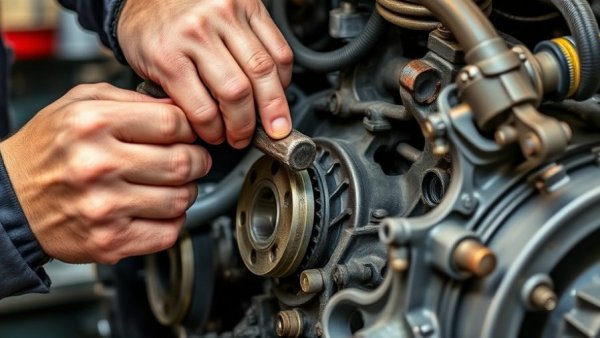
Maintenance often conjures images of grease-stained hands and the hum of machinery, but its significance extends far beyond just manual labor. For small business owners, effective maintenance encompasses a systematic approach to preserving equipment, vehicles, and systems to ensure optimal performance and safety. By implementing a structured maintenance plan, businesses not only minimize unexpected breakdowns but also boost productivity. Think of maintenance as a shield; it protects your assets and, ultimately, your bottom line.
The Crucial Role of Regular Maintenance in Business
Understanding the importance of regular maintenance is vital for business owners. Neglecting this aspect of operations can lead to unintended consequences. For instance, studies have shown that preventive maintenance can extend the lifespan of machinery by up to 50%. This means fewer capital expenditures on new equipment and more resources directed towards growth initiatives.
Moreover, regular maintenance reduces downtime. Businesses that invest in maintenance schedules often see improvements in efficiency and productivity. For example, minor yearly inspections can catch potential brake failures in vehicles, significantly reducing traffic accidents. By focusing on consistent upkeep, you protect not just your investments but the people relying on those investments.
Key Maintenance Tasks Every Business Should Prioritize
As a small business owner, establishing a routine for maintenance is imperative. The following tasks are essential to keeping operations running smoothly:
- Daily Inspections: Whether it’s checking machinery or vehicles, daily inspections can help identify small issues before they develop into bigger problems. Simple checks like listening for unusual sounds or monitoring gauge readings can save money over time.
- Scheduled Maintenance: Set time frames for oil changes or equipment overhauls based on hours of operation, making these proactive rather than reactive tasks. For vehicles, a good rule of thumb is adhering to the 5,000-mile oil change guideline, which can greatly affect engine health.
- Record-Keeping: Maintain logs of maintenance checks. This not only helps in tracking the service history but can enhance asset value during eventual sale. Detailed records assist in recognizing trends and identifying areas needing attention.
- Training Staff: Invest time in educating employees about basic maintenance tasks. This creates a culture of proactivity and shared responsibility for asset care. Involving employees in this way can also lead to innovative suggestions for improvements.
Exploring Different Maintenance Strategies
Businesses can leverage different strategies to optimize maintenance practices, ensuring greater efficiency and reduced costs:
- Preventive Maintenance: Scheduled tasks such as oil changes and tire rotations are central to preventing breakdowns. These actions not only preserve equipment but can also improve overall safety.
- Predictive Maintenance: This strategy utilizes technology to monitor equipment performance, allowing for interventions before problems arise. Utilizing sensors to track machine health can help mitigate risks of unexpected failures.
- Condition-Based Maintenance: By using real-time data, businesses only perform maintenance when necessary, significantly cutting down unnecessary service costs. This approach can maximize efficiency as it tailors maintenance to actual needs.
Practical Insights for Everyday Maintenance
Implementing maintenance strategies can be daunting, but taking small, consistent steps can yield significant benefits:
- Use checklists to ensure that all relevant maintenance tasks are completed on schedule. This prevents key tasks from being overlooked and encourages accountability.
- Develop a clear communication strategy. Inform your staff about which maintenance practices they are responsible for. Keeping everyone in the loop creates a team atmosphere focused on shared goals.
- Consider the benefits of routine workshops, where employees can learn more about the equipment they use and how to care for it. Learning sessions can be tailored to address specific equipment issues and enhance the team's technical skills.
The emotional aspect of maintaining your business is profound; caring for your equipment also signifies how much you value the work you do. Share the responsibility of maintenance with your team, and foster a sense of pride in how your organization operates. Keeping the lines of communication open ensures everyone feels their contributions to equipment care are valued.
The Bottom Line: An Investment in Your Future
Investing in maintenance is more than just a practical decision; it’s a strategic necessity that can determine the longevity of your business. Imagine the staggering cost implications if key machinery fails unexpectedly or if a vehicle breaks down. You can prevent these scenarios by actively engaging in regular maintenance.
On a broader scale, small businesses can set new standards for operational excellence in their communities by making maintenance a core tenet of their functionality. Doing so enhances reliability, efficiency, and ultimately, customer satisfaction.
In conclusion, the commitment you make to maintenance impacts not only your business’s performance but also the safety and reliability of the services you provide. When maintenance is prioritized, it becomes a part of your business culture, fostering an environment of quality and care that resonates with your customers. Embrace regular maintenance as a way to foster growth and resilience in your small business.
If you found this article helpful in enhancing your understanding of maintenance within your business operations, consider implementing these strategies and share your experiences with fellow business owners. Together, let’s support one another in ensuring our businesses thrive.







Write A Comment