Small Business Today
UPDATE
  • Home
  • Categories
    • Business Headlines
    • Small Business Trends
    • Automotive Industry News
    • Restaurant News
    • Dental Practice Marketing
    • Auto Repair Marketing
    • Roofing Contractor Marketing
    • Salon & Spa News
    • Lawn & Landscape Marketing
    • Plumbing & HVAC Contractor News
November 20.2026
4 Minutes Read

Unlocking the Power of Hospitality: Key Insights for Restauranteurs

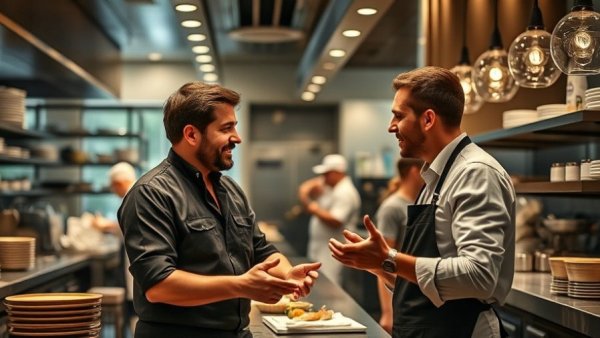
Power of hospitality in restaurants highlighted by executive at a table

The Essence of Hospitality in the Restaurant Industry

In the competitive landscape of the restaurant industry, where each meal could be the last chance to attract a diner, the power of hospitality cannot be overstated. As discussed in the video Fogo de Chão CEO on the Power of Hospitality, hospitality is not merely a service; it is the very essence that can transform a casual visit into an unforgettable experience. This perspective challenges restaurateurs to elevate their service model from mere food delivery to a holistic dining experience that resonates with guests long after they leave the table. In a world where online reviews and social media presence can make or break a restaurant, it is clear that hospitality is a critical element that must be thoughtfully integrated into every aspect of the dining experience.

In Fogo de Chão CEO on the Power of Hospitality, the discussion dives into the critical role of personalized service in the restaurant industry, exploring key insights that sparked deeper analysis on our end.

Why Hospitality Matters

A common misconception is that food quality alone dictates a restaurant's success. While delicious cuisine is critically important, a business can significantly enhance its profitability through exceptional customer service. Hospitality creates emotional connections—dining out is fundamentally a social experience. Ensuring that customers feel welcomed and valued is integral to establishing loyalty. This fosters a relationship that can translate into repeat visits and referrals, which are essential for sustainable success. Restaurateurs should focus on the entirety of the experience, including ambiance, service speed, and staff engagement, as each component plays a role in the overall perception of hospitality.

Create Memorable Experiences

The video emphasizes how Fogo de Chão’s approach to personalized service illustrates the potential of hospitality. Simple gestures—remembering a patron's favorite meal, offering special touches for occasions such as birthdays or anniversaries—play a significant role in building a loyal customer base. These small but meaningful interactions can create buzz, driving word-of-mouth recommendations that are crucial when building a restaurant's reputation. For instance, consider implementing loyalty programs that reward returning guests with exclusive perks, which can deepen their sense of connection to the restaurant. This is akin to a conversation between friends, where familiarity breeds comfort and enjoyment.

Future Trends in Restaurant Hospitality

Looking ahead, the restaurant industry must embrace evolving consumer expectations. The rise of digital technology has transformed how guests interact with dining establishments. Mobile ordering, contactless payment options, and social media engagement are no longer mere conveniences but necessities. Customers are increasingly seeking seamless experiences that blend efficiency with personal touches. Restaurateurs must integrate technology with the human touch to not only streamline service but also to enhance the overall dining experience. For example, implementing apps that allow guests to pre-order their meals can save time and reduce wait times, but the service should still come with a warm greeting and genuine engagement to foster a sense of welcome.

Implementing Actionable Insights

So, how can restaurant owners cultivate a culture centered on hospitality? Here are a few practical tips that mirror the insights highlighted in the Fogo de Chão approach:

  • Training Staff: Regular training sessions focusing on customer interaction can empower staff to go above and beyond, ensuring they understand the importance of their roles in delivering outstanding service. Incorporating role-playing scenarios can be beneficial to better prepare staff for real-world situations they may encounter with diners.
  • Feedback Mechanism: Encourage guest feedback and utilize it to adapt and improve service levels. A restaurant that listens to its customers will foster better relationships and enhance loyalty. Gathering insights through surveys or comment cards can help guests feel their voices are valued and lead to actionable improvements.
  • Show Appreciation: Acknowledge returning customers with personalized messages or thank-you notes. Small surprises, such as a complimentary dessert for loyal patrons, can create lasting impressions that customers will talk about long after their visit.
  • Partnership with Local Producers: Engaging with local farms and suppliers can enhance the dining experience while supporting the community. Highlighting these relationships on menus or in marketing materials adds a layer of commitment to quality and the local economy.

Overcoming Challenges in Hospitality

Despite these advantages, the path to enhancing hospitality is steeped in challenges. High staff turnover can disrupt the consistency of service, leaving customers with mixed experiences and creating frustration among returning guests. To mitigate this, restaurateurs should foster a positive work environment, where employees feel valued. Providing benefits, career growth opportunities, and recognition can lead to better retention and service continuity. A well-trained, enthusiastic team often serves as the backbone of extraordinary hospitality.

Embracing Diverse Perspectives

Another aspect emphasized in the video is the power of diverse perspectives in shaping a hospitable environment. A diverse workforce brings different cultural insights into how hospitality is perceived. By understanding and respecting these varying cultural cues, businesses can cater effectively to a wider audience, making all guests feel at home. Additionally, offering multicultural menu items can attract a diverse clientele while fostering inclusivity and celebration of various cuisines.

Final Thoughts

In summary, the insights derived from Fogo de Chão's CEO highlight that hospitality extends beyond good food—it is a comprehensive approach that entails creating memorable experiences through exceptional service. As restaurateurs, embracing this philosophy not only builds customer loyalty but also encourages a positive reputation that can withstand the test of time. By incorporating these principles into everyday practices, restaurants can thrive in an increasingly competitive market. Ultimately, the goal is to make each guest feel they are part of something special, a fleeting moment that lingers long after the meal is over.

Take action now by implementing these hospitality strategies in your restaurant. Explore how enhancing your customer service practices today can lead to greater satisfaction, loyalty, and success in the long term, while also ensuring that each visitor leaves with a sense of warmth and connection to your establishment.


Restaurant News

4 Views

0 Comments

Write A Comment

*
*
Please complete the captcha to submit your comment.
Related Posts All Posts
11.20.2026

Enhancing Customer Engagement: The Benefits of Blindfolded Taste Tests

Update Exploring Taste: The Blindfold Experience at Fogo de Chão The culinary world is constantly evolving, and the latest trend to capture attention is the idea of blindfolded taste tests. Recently, a thrilling video featured tastemakers challenging their palates with Fogo de Chão's Brazilian-inspired menu while completely blindfolded. This innovative approach not only sparks curiosity but also raises several questions about taste perception, food presentation, and how such unique experiences can greatly benefit restaurant owners.In 'Taste Testing Fogo de Chão’s Brazilian Inspired Menu BLINDFOLDED,' the video illustrates the potential of unique culinary experiences to captivate diners, inspiring us to delve deeper into their relevance for restaurateurs. The Impact of Blindfolded Taste Tests Blindfolded food tastings can be an enlightening experience for diners. They strip away preconceived notions tied to visual presentation, allowing guests to focus solely on flavor, texture, and aroma. For restaurateurs, offering such unique experiences can differentiate their brands in a saturated market. This tactic could potentially increase customer engagement and repeat visits as they seek the novelty of culinary adventures, transforming an ordinary meal into a memorable event. Why Fogo de Chão Stands Out Fogo de Chão, a Brazilian steakhouse known for its authentic rodizio experience, utilizes a rich tapestry of flavors to entice diners. Their commitment to high-quality, fresh ingredients is evident in their diverse menu, featuring options ranging from tender cuts of meat to vibrant sides such as creamy polenta and fresh salads. In the context of blindfold tasting, this aspirational authenticity can have a profound impact. Diners' unadulterated taste experiences may lead to a greater appreciation of the food, and encourage word-of-mouth marketing as they share their exciting culinary adventures both in-person and through social media platforms. Social Media: A Growing Influence on Restaurant Choices In our digital age, social media significantly influences consumers’ dining decisions. Restaurant owners can leverage visually appealing content from blindfolded taste tests to attract new patrons. Platforms like Instagram and TikTok allow for the virality of unique experiences, highlighting delicious foods and engaging customer interactions. For instance, when a diner shares their blindfold experience online, it can inspire their followers to try it themselves, generating buzz and increasing foot traffic. By promoting such innovative tastings, Fogo de Chão and similar establishments not only expand their reach but create a community around shared culinary experiences. Benefits of Interactive Dining Experiences Interactive dining, much like the blindfold test, fosters community engagement and creates memorable experiences that diners cherish. As patrons take part in these sensory adventures, it not only builds connections with the restaurant staff but also between diners who share the experience. Restaurants can implement various interactive elements to deepen customer relationships. For instance, inviting diners to participate in creating their own dishes through interactive cooking classes, or holding themed events where guests can share personal stories around food can greatly enhance the overall dining experience. Effective Marketing Strategies for Restaurants Adapting to changing market dynamics is crucial for restaurant owners to thrive. Equipping staff with training to create exceptional dining experiences and utilizing customer feedback effectively can elevate service quality. Additionally, conceptualizing unique food events such as blindfold tastings or exclusive menu launches can revitalize a restaurant's image while drawing in curious patrons eager for something new. Building partnerships with local influencers can also help spread the word about these innovative offerings as they highlight the uniqueness of the restaurant’s culinary philosophy. Bringing the Blindfold Experience to Your Restaurant For restaurateurs intrigued by the blindfold taste-testing concept, there are essential steps to implement effectively. Start with thorough staff training to guide guests through the sensory experience, ensuring a catalog of flavors that will surprise and delight. Consider curating a special menu designed specifically for blindfold tasting, wearing gloves to enhance the tactile experience. Encourage feedback after the event and adapt based on customer experiences to build a loyal following. Finally, market these unique offerings through social platforms to attract attention and generate excitement. Collaborating with local food bloggers or influencers could amplify visibility and draw in a crowd excited to embark on this culinary adventure. Conclusion: Engage, Innovate, and Inspire As demonstrated by Fogo de Chão’s innovative blindfolded experience, creativity in dining can lead to an unforgettable atmosphere that diners will eagerly talk about. Restaurateurs should embrace interactive concepts to foster a strong connection with their customers. By innovating and understanding the current market trends, restaurant owners have the opportunity to create unique dining experiences that captivate consumers and promote lasting loyalty. As you consider how to augment your dining experience, don’t hesitate to explore offerings like blindfold tastings that could redefine engagement in your restaurant. Dive into this culinary innovation and let your patrons savor food in a whole new light. With the right approach, you can turn a simple meal into an experience that guests will constantly remember and share, setting your restaurant apart in the vibrant culinary landscape.

11.20.2026

Transform Holiday Staffing with AI: A Manager’s Tool for Success

Update The Holiday Staffing Challenge in Restaurants Each holiday season, restaurant managers face a consistent dilemma: balancing peak demand with the need for efficient staffing. As we approach critical days like Christmas and New Year’s, establishments often find themselves flooded with customers while managers struggle behind the scenes to assemble the right teams. According to reports, many managers dedicate an exhausting 8 to 10 hours weekly just on administrative tasks, with nearly half of that time spent on scheduling. During the hectic holidays, this time could be better spent on the floor ensuring customer satisfaction, but that’s easier said than done. Why Automated Scheduling is Essential AI-powered tools are emerging as a solution, providing restaurant managers a means to alleviate one of their most time-consuming burdens. A noteworthy franchisee like Mitra QSR has reported drastic improvements in scheduling practices, where weekly scheduling time was reduced from four hours to less than two minutes. Additionally, their accuracy soared to 98%, resulting in a 4% drop in labor costs without reducing employee headcount. This is a game-changer in an industry where every minute counts, especially amidst the chaos of the holiday rush. Benefits of AI Scheduling Beyond the Holidays The incredible efficiency brought by automated scheduling extends beyond just the frantic holiday season. Restaurants can maintain a high level of operational efficiency year-round, which is crucial in the competitive food service market. Beyond saving time, these AI-driven systems can enhance customer experiences, as well-staffed shifts translate into shorter wait times and higher service quality. Understanding weekly patterns and anticipating busy periods allows managers to be proactive instead of reactive, further solidifying their operational strategies. Employee Retention Through Consistent Hours While automation can enhance efficiency, it must be executed with caution. A shocking 63 percent of restaurant employees report feeling stressed, and many live paycheck to paycheck. Variability in hours can exacerbate turnover rates, making it essential for restaurants to focus not just on cost-cutting measures but also on employee stability. Automation, if informed by context — such as employee availability and personal preferences, can lead to more predictable scheduling. This predictability allows workers to better manage their personal lives while fostering a sense of loyalty to their employers. AI's Role in Enhancing Scheduling Practices Automated scheduling tools utilize advanced algorithms to help managers anticipate demand based on various factors, including historical sales data, weather forecasts, and even regional events that may draw crowds. However, while these tools can provide essential insights, they are not substitutes for human management. Employees thrive in environments where they feel respected and valued; thus, human oversight in scheduling decisions is critical. Managers who can blend AI insights with their innate understanding of their teams ensure that both employee happiness and operational needs are met. Navigating Risks in Automation While the integration of AI in scheduling offers many advantages, it is important to be aware of potential pitfalls. If an algorithm focuses solely on minimizing labor costs without considering employee satisfaction, it can lead to decreased morale and even higher turnover. Furthermore, employees may feel disconnected from their work if shifts are scheduled without regard for their preferences. Understanding the balance between algorithm-driven efficiency and human insight is key to leveraging automation effectively. The Future of Restaurant Staffing Looking ahead, the landscape of restaurant staffing will undoubtedly evolve as these technological tools become more integrated into daily operations. As managers leverage AI for labor forecasting and scheduling, they must remain focused on the human element — whether that means listening to employee feedback or fostering a work environment that encourages flexibility and support. Moreover, as the labor pool tightens, adapting to these changes could mean the difference between merely surviving or thriving in a competitive market. Making the Most of Automation As restaurant owners explore automation avenues, one key takeaway is to use these tools effectively without losing touch with the workforce. AI can help alleviate the administrative burden, but managers must maintain an active role in employee engagement. Not every employee will adapt to sudden changes induced by automation, so gradual implementations that prioritize communication can help ease transitions. Each change should be framed not merely as a necessity but as an opportunity for both management and staff to grow and enhance their capabilities. Engaging Your Staff in the Process Incorporating employee feedback into the automation process is vital. Scheduling systems that allow staff to indicate their availability, preferences, and even desired hours foster a more inclusive atmosphere. This not only improves compliance with Fair Workweek requirements where necessary but also strengthens team morale. Engaged employees are not just more likely to show up but are also inclined to provide better service, creating a more productive environment for everyone involved. Conclusion: Embrace Change for a Better Future For restaurant owners, harnessing the potential of AI-powered scheduling could lead to optimized operations and a more stable workforce. By combining cutting-edge technology with an understanding of employee needs, managers can build stronger teams that not only survive the holiday rush but thrive throughout the year. Investing in automated tools, while ensuring the human touch remains, will help pave the way for a more resilient and effective hospitality industry. Take the plunge into automation today and discover how you can transform holiday staffing into a seamless process, ultimately ensuring your restaurant continues to flourish.

11.19.2026

Thriving Restaurant Chains: Strategies for Success and Adaptation

Update Understanding the Resilient Growth of Top Restaurant Chains In the competitive landscape of the restaurant industry, some chains are not just surviving but thriving. A recent discussion on the restaurant industry highlights three chains that are effectively navigating challenges while also adapting to emerging market trends. By focusing on quality service and customer experience, these restaurants are setting benchmarks in profitability and customer satisfaction. This success is not merely a stroke of luck but rather the result of strategic foresight, operational efficiency, and a keen understanding of consumer behavior.In '3 Restaurant Chains That Are Quietly KILLING IT', the discussion dives into successful tactics within the restaurant industry, exploring key insights that sparked deeper analysis on our end. Lessons from the Chains Leading the Charge The first chain discussed is expanding its menu options to include healthier choices that resonate with the increasingly health-conscious consumer. By introducing seasonal menu items and local sourcing for ingredients, they are not only attracting new clientele but also ensuring their current customers return for more. This adaptive strategy sheds light on a crucial lesson for all restaurateurs: flexibility in offerings can directly impact customer loyalty. For example, some restaurants have successfully introduced plant-based items that appeal not only to vegans but to the growing number of diners looking to reduce meat consumption for health or environmental reasons. This shift towards health-driven menus can cater to diverse customer preferences and habits, providing a vital competitive differentiator in a saturated market. Investment in Technology Enhancements Another key point raised involves restaurant chains implementing advanced technology for streamlining operations. From AI-driven inventory management systems to customer service chatbots, these enhancements are reducing overhead costs and improving the dining experience. Such technologies automate time-consuming tasks, allowing staff to focus on customer service rather than administrative duties. Moreover, predictive analytics can guide menu changes based on customer behavior, ensuring that offerings stay relevant and appealing. Small adjustments in technology can lead to significant returns, further emphasizing the need for restaurateurs to consider investment in technology as a strategy for resilience and growth. Adapting to Economic Changes: Immigration and Labor Challenges Additionally, the video sheds light on the implications of immigration reform impacting labor in restaurants. As workforce shortages become more pronounced, understanding the administrative landscape and fostering an inclusive hiring process can help bridge the gap. By embracing diverse hiring practices, restaurants not only gain a competitive edge as more staff are available but also foster a rich cultural tapestry that translates to unique consumer experiences. This approach may resonate particularly well, given the tight labor market challenges facing many restaurateurs today. Restaurants that prioritize flexibility in recruitment and create inclusive environments can often attract top talent who bring diverse insights and ideas to the business. CMO Insights: Importance of Marketing Adaptability The discussion also reveals trends in Chief Marketing Officer (CMO) turnover within the industry. The constant change can signal either a struggle to engage customers or an opportunity for fresh perspectives. Successful restaurateurs are those who embrace marketing adaptation, leveraging current social media trends to engage potential diners authentically. This adaptability is essential in ensuring menus are not only appealing but also visible to targeted demographics, ultimately fueling sales. Restaurateurs should consider utilizing platforms like Instagram and TikTok to showcase unique menu items, behind-the-scenes looks, and customer testimonials, creating a stir and building a community around their brand. Building a Community Through Restaurant Experiences Moreover, while profitability is a crucial goal, there’s also a significant emphasis on creating community connections. Restaurant owners are increasingly engaging with local communities through sponsorships of local events or partnerships with local farms. For instance, hosting food festivals or charity dinners can foster goodwill while attracting traffic. These relationships not only boost visibility but also solidify the restaurant's position as a community staple. Establishing these connections provides customers a sense of belonging, enhancing brand loyalty. Community-based initiatives can turn diners into advocates, sharing their experiences and drawing in new customers. Future Predictions: Navigating Uncertainty with Strategic Planning As the restaurant industry continues to confront uncertainty, successful restaurateurs should forecast trends ahead of time. This involves not only keeping a pulse on customer preferences but also anticipating changes in economic conditions and regulatory environments. Maximizing profitability while prioritizing sustainability is now a dual necessity, as awareness around environmental impact grows. As more consumers prefer brands committed to sustainable practices, uncertainty can be leveraged into an opportunity through strategic planning. For example, restaurants might integrate eco-friendly practices, such as minimizing food waste or using sustainable packaging, which can attract environmentally conscious customers and potentially lead to cost savings in the long run. If you’re interested in ensuring your restaurant's resilience in today's evolving market, consider embracing the insights garnered from these successful chains. The incorporation of technology, community engagement, and adaptability in offerings may prove essential in enhancing not only your revenue but also fostering enduring customer relationships. Engaging timely with your customer base, leveraging the latest technologies, and adapting to local needs will be vital strategies in shaping a restaurant's future success.

cropper
update

Small Business Today

cropper
update

Write a small description of your business and the core features and benefits of your products.

  • Small Business Today
    update
  • Small Business Today
    update
  • update
  • Small Business Today
    update
  • Small Business Today
    update
  • Small Business Today
    update
  • Small Business Today
    update

COMPANY

  • Privacy Policy
  • Terms of Use
  • Advertise
  • Contact Us
  • Menu 5
  • Menu 6

(508)344-5927

AVAILABLE FROM 8AM - 5PM

City, State

, ,

ABOUT US

Write a small description of your business and the core features and benefits of your products.

© 2026 CompanyName All Rights Reserved. Address . Contact Us . Terms of Service . Privacy Policy

Terms of Service

Privacy Policy

Core Modal Title

Sorry, no results found

You Might Find These Articles Interesting

T
Please Check Your Email
We Will Be Following Up Shortly
*
*
*