

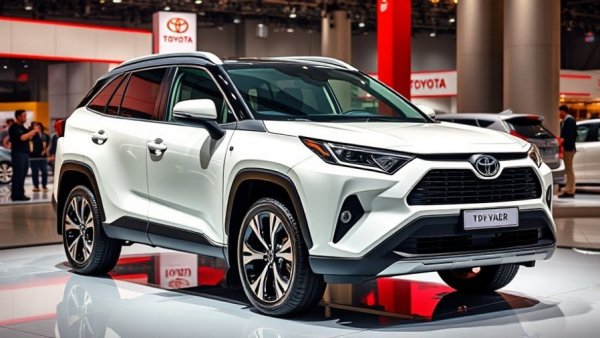
Nearly 315,000 Toyota and Lexus Vehicles Affected by Dangerous Airbag Recall
Toyota has announced a significant recall of over 314,000 older Toyota and Lexus vehicles due to a potentially dangerous defect in the front passenger airbag inflators produced by Takata. This crucial safety issue poses severe risks, as the inflators might rupture during deployment, sending metal fragments into the vehicle's cabin potentially causing serious injury or even fatalities. It is alarming to consider that a component designed to protect passengers could lead to greater harm. This recall highlights the continuous journey of safety improvements in the automotive industry.
Understanding the Risks: What’s at Stake?
According to a report filed with the National Highway Traffic Safety Administration (NHTSA), the recall impacts various models from the 2002 through 2017 years, including popular vehicles like the Toyota Corolla, Tundra, Sequoia, and 4Runner, as well as Lexus models such as the SC430, IS250, and GX460. While Toyota has not reported any incidents of ruptures in these inflators, the airbag systems are nearing the end of their estimated safe lifespan. High humidity and temperature cycling could degrade the propellant, increasing the likelihood of ruptures if the airbag is deployed in an accident. This not only poses a direct risk to safety but also raises concerns about the effectiveness of regulatory mechanisms for ensuring vehicle safety long-term.
Proactive Measures: How Toyota Plans to Address the Situation
In light of this significant safety concern, Toyota is undertaking this recall out of an abundance of caution. The company is collaborating with authorized dealers to replace the affected inflators at no cost to the vehicle owners. Depending on the situation, they may replace either just the front passenger airbag inflator or the entire airbag assembly. This proactive approach not only prioritizes consumer safety but also reinforces the brand's commitment to addressing potential risks before they result in harm. Historically, this commitment has been a hallmark of Toyota's brand reputation, which has been built on reliability and customer service over decades.
Owner Responsibilities: Checking for Recall Updates
Vehicle owners are encouraged to check if their cars are affected by the recall. This can easily be done by visiting the NHTSA recall database at nhtsa.gov/recalls and entering their 17-digit vehicle identification number. Alternatively, reaching out to an authorized Toyota or Lexus dealership is recommended for inquiries regarding repairs. Toyota also intends to send out notification letters to owners between December 28 and January 11, but it’s important to note that owners do not have to wait for this correspondence to take action. Staying proactive ensures that vehicle owners are not leaving safety to chance; it is a responsible action that could potentially save lives.
Industry Context: What’s Behind the Takata Airbag Crisis?
This recall is part of a larger ongoing crisis involving Takata airbag inflators, which have previously been implicated in numerous recalls affecting millions of vehicles worldwide. The issue originally came to light after several tragic incidents linked to inflator ruptures were reported, resulting in multiple fatalities. As a result, both automobile manufacturers and regulatory agencies have ramped up their investigation and resolution processes to enable faster response times to such serious safety concerns. It is worth noting that Takata's failure has resulted in a significant impact on the automotive industry, prompting a more profound evaluation of supplier quality and safety practices.
Consumer Awareness: Staying Informed About Safety Recalls
This incident serves as a reminder of the importance of staying informed about safety recalls and the potential risks associated with vehicles older than a decade. Consumers should proactively keep tabs on their vehicle safety issues and recalls; this can significantly contribute to individual and collective safety on the roads. Being vigilant about such information not only helps foster safer road conditions but also promotes a culture of accountability within the automotive industry. Regularly checking for updates and staying informed about recalls is a habit that can be as critical as routine vehicle maintenance.
Act Now: Ensuring Your Vehicle's Safety
If you own an affected vehicle, now is the time to take action. Contact your local dealership or check the NHTSA database to ensure that your vehicle is safe and compliant. By doing so, you’re not just protecting yourself but also contributing to overall road safety and helping prevent tragic accidents that could arise from these types of defects. In many cases, dealerships are also willing to assist in confirming your vehicle's status and helping schedule any necessary repairs. This can alleviate the stress of navigating the recall process.
Looking Ahead: What This Means for Future Automotive Safety
This enormous recall serves as a vital catalyst for discussions about automotive safety standards and consumer awareness—the stakes are high, and it's essential for all drivers to prioritize their vehicle's integrity. As manufacturers face growing scrutiny over safety issues, it is hoped that such incidents will encourage stricter regulations and improved safety protocols to prevent future failures. For consumers, the lesson is clear: staying informed and engaged is crucial for ensuring personal safety and maintaining accountability within the industry.







Write A Comment