Small Business Today
UPDATE
  • Home
  • Categories
    • Business Headlines
    • Small Business Trends
    • Automotive Industry News
    • Restaurant News
    • Dental Practice Marketing
    • Auto Repair Marketing
    • Roofing Contractor Marketing
    • Salon & Spa News
    • Lawn & Landscape Marketing
    • Plumbing & HVAC Contractor News
November 19.2026
5 Minutes Read

Why Capital One's No. 1 Dealer Satisfaction Ranking Matters for Dealers

Capital One dealer satisfaction ranking discussion in virtual meeting.

The Significance of Capital One's Ranking in Dealer Satisfaction

This year, Capital One earned JD Power's prestigious number one ranking for dealer satisfaction among non-captive lenders, particularly excelling in servicing clients with subprime credit. This recognition, based on over 25,000 evaluations from more than 5,000 dealers, isn't just a badge of honor; it signifies deeper meanings about trust, partnership, and the complexities involved in financing for those facing financial challenges. In an industry where traditional banks frequently decline subprime clients, Capital One has stepped up with tailored solutions proving essential for both dealers and car buyers alike.

In 'Capital One's No. 1 dealer satisfaction ranking: What it means for dealers,' the discussion explores the significance of dealer satisfaction rankings, prompting us to delve deeper into the essential partnerships within the automotive financing landscape.

This annual JD Power study highlights a growing trend in the automotive financing landscape, pointing to a recognition of the substantial pressures that dealers face to not only close sales but also to ensure that they do so ethically and responsibly. The focus on subprime credit scores underscores the importance of inclusivity in the car-buying process, especially in today’s economy where many consumers find themselves navigating financial hardships.

Trust and Partnership: The Power of Relationships

As noted in the insights shared by Capital One representatives, the dealer's trust is paramount. Andrew, a dealer enjoying a long-standing relationship with Capital One, spoke passionately about the importance of communication. He emphasized the collaboration that has helped him and his team close deals that traditional banks often shun. In his words, it's not just about financial transactions; it’s about fostering friendships that yield fruitful partnerships. This powerful bond allows dealers to tackle difficult deals together, enhancing customer satisfaction.

Capital One’s focus on understanding the needs of its dealer partners exemplifies its commitment to building these strong relationships. Dealers like Andrew have experienced firsthand the positive effects of open lines of communication, making it easier to navigate the complexities of financing subprime customers together. Efficient problem-solving and reliability translate directly into shared successes, fostering growth on both sides.

Empowering Buyers with Subprime Credit

Subprime credit buyers often face a daunting car-buying process, filled with apprehension and denied applications. However, the relationship between dealers and Capital One brings much-needed relief. With the help of tools like the dealer navigator, buyers can receive approvals and gain a better understanding of their financing options right in the dealership. This process transforms uncertainty into excitement, making it easier for dealers to facilitate sales while providing customers with legitimate pathways toward ownership.

Moreover, the emotional benefits cannot be understated. When someone with a subprime credit score is able to drive off in a vehicle they believed was out of reach, it’s a transformative experience. The recognition by JD Power reinforces the value of such services in the automotive market, marking a significant shift as more lenders begin to include individuals who were previously overlooked.

The Evolution of Dealer Relationships: A Look Ahead

As Andrew noted, the partnership with Capital One is not static—but rather evolves over time. His transition from a Honda dealer to a Nissan dealer demonstrated not just continuity in service but also how established relationships can carry over seamlessly despite organizational changes. This adaptability becomes crucial as dealers face new challenges in a constantly shifting market environment. The rapport built with lenders can make a significant difference in how tomorrow’s deals are managed and executed.

Looking at broader trends, the dealer-lender dynamics are likely to become even more collaborative in the near future. This shift comes as more dealerships recognize the importance of fostering long-term relationships rather than viewing lenders merely as transactional partners. In light of evolving consumer expectations, especially among younger buyers who value transparency and communication, such partnerships will play a critical role in ensuring customer satisfaction.

Future Trends in Automotive Financing

Looking toward the future, experts predict that partnerships like those between Capital One and automobile dealers will become increasingly vital. As more consumers face financial difficulties, lenders that embrace subprime customers will likely have a competitive edge. By expanding outreach and resources to subprime borrowers, both dealers and lenders can help increase vehicle accessibility in a challenging economic landscape.

With more dealerships recognizing the need for trust and communication with their financing partners, it’s an exciting time for innovation and collaboration in automotive retail. The proactive approach promoted by Capital One sets a standard that others in the industry may follow, ensuring a wider range of financing options like flexible loan terms and lower interest rates that are increasingly tailored for those with subprime credit.

Emotional and Human Connection in Business

At the essence of this discussion is the human element of business. The automotive industry is often perceived as transactional, but the successes being celebrated underscore a burgeoning understanding that emotion, communication, and personal relationships matter significantly. The excitement captured in buyers’ faces when they receive loan approvals epitomizes why working in this sector is rewarding. Dealers and lenders alike understand that their work positively impacts lives by helping families acquire safe, reliable transportation.

In many cases, a vehicle is not merely a mode of transport but a stepping stone to independence for many buyers. By recognizing the human aspect of these sales, both dealers and lenders can create more enriching experiences that resonate at a deeper level.

Common Misconceptions About Subprime Financing

Many individuals harbor misconceptions regarding financing for those with subprime credit. Firstly, it's often assumed that these buyers have no options, but as evidenced by Capital One's success, there are indeed lenders who specialize in providing these necessary services. Secondly, there’s the belief that terms for subprime loans will always be unfavorable, which isn't true for all lenders. With innovations and supportive relationships, favorable terms can be negotiated, resulting in mutually beneficial outcomes.

Educating consumers about available financing options in this sector could also alleviate negative stereotypes associated with subprime credit. With awareness and understanding, both dealers and buyers can make informed decisions that ultimately lead to successful outcomes.

Conclusion: The Road Ahead for Subprime Financing

The insights shared in the video, "Capital One's No. 1 dealer satisfaction ranking: What it means for dealers," highlight not just mere statistics but illuminate the heart of an industry focused on compassion and relationships. Dealers and lenders are cutting pathways for success in the automotive space, particularly for buyers with subprime credit who deserve a chance at vehicle ownership.

As the industry continues to evolve, so should dealers’ partnerships with lenders. By recognizing the unique needs of subprime buyers and collaborating with institutions that are committed to innovative financing solutions, the automotive sector can make a significant impact. So, if you’re in the automotive market, considering how you can nurture relationships with reliable partners like Capital One might just be your next strategic decision!

Automotive Industry News

2 Views

0 Comments

Write A Comment

*
*
Please complete the captcha to submit your comment.
Related Posts All Posts
11.19.2026

Transforming Dealerships: Insights on AI Chat Tools & Fraud Protection

Update Unpacking the Future of AI in Automotive Dealerships As the automotive sector evolves at an unprecedented pace, one area generating significant buzz is the implementation of artificial intelligence (AI) chat tools in dealerships. The recent video titled "Nov. 18, 2026 | Putting dealership AI chatbots to the test; GM reportedly taps search firm to rep...", dives deep into this subject, highlighting the challenges and opportunities presented by AI technology.In the video titled "Nov. 18, 2026 | Putting dealership AI chatbots to the test; GM reportedly taps search firm to rep...", the discussion dives into the emerging role of AI in automotive dealerships, highlighting pivotal insights that prompt a deeper analysis on our end. The Rise of AI Chatbots in Automotive Dealerships The automotive industry is increasingly turning to AI chatbots to enhance customer engagement. As customers become accustomed to immediate responses, dealerships are racing to implement these technologies to stay competitive. They are not just adopting AI for efficiency, but also to cater to a tech-savvy demographic that expects rapid, informative interactions. David Boyce, CEO of Team Velocity, recently tested seven AI chat tools to assess their effectiveness in facilitating customer interactions, with a strong emphasis on the practical implications for sales teams. His findings shed light on both the capabilities and shortcomings of these systems. Conversational AI: The Good, the Bad, and the Ugly Boyce's tests revealed that while some AI tools excelled at providing informative and engaging conversations about vehicles, others fell short. Typically, tools that offered in-depth conversations about vehicle comparisons or fuel efficiency stood out as particularly successful. Customers appreciate AI that can hold a dialogue regarding their preferences, making the shopping experience feel personalized and efficient. However, many chatbots struggled with more complex inquiries, particularly regarding finance – a key aspect of the car buying process. The Math Behind Car Buying: A Challenge for AI One major hurdle identified in the testing was the ability of AI chat tools to manage the financial elements involved in purchasing a vehicle. As Boyce noted, the automotive sales process is deeply intertwined with mathematics. Most potential buyers want to know not just if a car is available but also if they can afford it, including financing options and payment plans. The complexity of these calculations can be a showstopper if AI tools are unable to provide quick, accurate responses. Unfortunately, none of the chatbots tested succeeded in providing accurate price estimates or financial calculations. This limitation highlights a significant area for improvement, as providing immediate and precise financial information is essential for converting inquiries into actual sales. Dealerships are missing valuable opportunities to engage customers effectively if their AI systems cannot address such fundamental queries. Real-World Implications for Dealerships For dealerships, the stakes are high. One bad deal resulting from fraud or misleading information can tarnish their reputation and finances. As fraud concerns grow, utilizing reliable tools like Experian's Fraud Protect can help identify red flags before finalizing a sale. This tool offers a comprehensive solution that ensures customers who leave the dealership are genuinely qualified buyers, helping protect the dealership's profit margins. The integration of such tools can mitigate risks while enhancing customer confidence. Insights from Team Velocity's Testing In discussing his evaluation of various tools, Boyce noted that while he found some chatbots adept at basic interactions, they often struggled in critical financial conversations. The analogy he provided, likening AI agents to students who excelled in English but failed in math, underscores a gap in understanding the core of the automotive sales process. Buyers frequently ponder vital questions that demand complex answers that these systems currently lack the capability to provide. The Future of AI in Automotive Retail Despite the challenges presented, Boyce remains optimistic about the future of AI in the automotive industry. He noted that the technology is constantly improving and, over time, advancements in AI will likely address current limitations, leading to more effective tools capable of facilitating a seamless buying experience. As more intelligent AI systems emerge, the ability of these platforms to answer fundamental customer questions will greatly enhance the buying journey, enabling consumers to make informed decisions. What This Means for Dealers For automobile dealers, the success of these tools will depend on how they integrate them into their existing systems. A fully integrated platform can streamline operations and offer a cohesive experience to customers, from inquiry to sale. By leveraging AI effectively, dealers can free up their sales teams to focus on high-value interactions, allowing representatives to engage with customers on a deeper level. As the automotive industry continues evolving, dealers must stay adaptable, considering how technologies can bolster their customer interactions. Those willing to invest in high-quality AI tools and remain engaged with customers will likely outperform competitors. By staying ahead of the curve, dealerships can ensure they meet customer expectations while maximizing their operational efficiency. Take Action: Embrace AI and Protect Your Dealership If you are an automobile dealer, now is the time to evaluate your current systems. Explore AI chat tools that best meet your customers' needs, focusing on those that can provide reliable financial insights. Additionally, consider implementing fraud prevention measures to safeguard your dealership's reputation and profits. Keeping abreast of technological advancements is key, ensuring that you not only attract customers but also convert leads into sales while protecting your dealership's financial health. In conclusion, while AI in automotive dealerships is still in its developmental stages, the potential it holds could reshape the industry landscape. As tools improve, dealers must embrace these innovations, balancing technology with personal engagement to create an exceptional customer experience. The journey towards better customer engagement through AI is just beginning, and being proactive in its adoption will pave the way for future success.

11.18.2026

How Subaru's Forester Wilderness Hybrid Redefines Adventure for Dealers

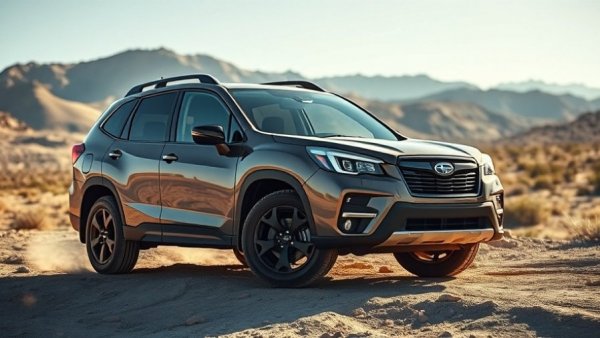
Update Subaru's Evolution: The Forester Wilderness Hybrid In the competitive landscape of the automotive industry, change is a constant. Subaru, a brand known for its rugged, reliable vehicles, is undergoing a transformation that aims to address evolving customer needs and environmental concerns. The release of the new Forester Wilderness Hybrid is a testament to this evolution. It promises not only functionality but also eco-friendliness, making it a critical model for dealerships looking to attract environmentally conscious consumers. As automotive preferences shift, models like the Forester symbolize more than just vehicle offerings; they represent the values of a new generation of drivers.In Subaru Is Changing. We Drove Its New Forester Wilderness Hybrid, the discussion dives into Subaru's innovative approach to hybrid vehicles, highlighting key insights on how automotive dealers can navigate this shift. Why the Wilderness Package Enhances Appeal The Forester Wilderness Hybrid stands out because it combines Subaru's legendary off-road capabilities with a commitment to sustainability. The Wilderness package includes features designed for adventure: increased ground clearance, all-terrain tires, and enhanced underbody protection. These elements cater to outdoor enthusiasts who require a vehicle that can handle rugged terrain while maintaining eco-friendliness through hybrid technology. Furthermore, the addition of advanced safety features and modern technology, such as an intuitive infotainment system, only increases its allure for today’s buyers. For dealerships, promoting these aspects allows them to engage a clientele seeking both adventure and environmental responsibility. By showcasing the vehicle’s performance on diverse terrains, paired with its low emissions, dealerships can effectively tap into the growing market of outdoor enthusiasts who care about the environment. Market Trends: Increasing Demand for Hybrid Vehicles The growing interest in hybrid and electric vehicles (EVs) reflects broader market trends. Automotive dealers must be attuned to these preferences, as consumers are increasingly opting for vehicles that align with sustainable living. Research indicates that hybrid vehicles have risen in popularity, particularly among younger consumers who prioritize eco-friendly options. Notably, many are looking for vehicles that represent their values, making it essential for dealerships to highlight sustainability as key to their marketing strategies. With this market shift, incorporating the Forester Wilderness Hybrid into inventory could position dealerships favorably against competitors and meet customer demands effectively. As more people choose to embrace hybrid technology, early adopters can significantly influence the growth of a dealership's reputation in the community. Customer Perspectives: What Buyers Are Looking For Understanding buyer psychology is pivotal for automobile dealers. Customers in 2023 are not only interested in the technical specifications of new vehicles but also in their environmental impact and overall value proposition. The new Subaru Forester answers these concerns by integrating technology that enhances fuel efficiency without compromising on power or versatility. Potential buyers are increasingly conscious of how their vehicle choices affect the planet. To appeal to this sentiment, dealers have an opportunity to showcase features such as regenerative braking and energy-efficient modes, which could drastically enhance their appeal during customer interactions, ultimately leading to increased sales. Building Relationships in a Changing Market Emphasizing the importance of building relationships with customers, automotive dealers should maintain open lines of communication about new products like the Forester Wilderness Hybrid. Engaging customers through social media platforms and personalized marketing campaigns can help dealers establish trust and brand loyalty. This is more than just selling a vehicle; it's about communicating a shared value of environmental sustainability and adventure. Dealers could also provide informative workshops or web content focused on hybrid technology, educating customers about the benefits of their choices. Increased knowledge leads to empowered consumers who feel confident about their decisions, resulting in stronger connections and repeat business. Sales Strategies For the New Era of Subaru To effectively sell the Forester Wilderness Hybrid, dealerships should develop tailored sales strategies. First, providing comprehensive information about the vehicle's features and benefits during test drives can enhance the customer experience. This includes highlighting distinctive elements like the vehicle’s fuel economy and advanced safety systems—you want buyers to visualize their new vehicle meeting their individual needs. Secondly, dealers could host outdoor events that allow potential buyers to experience the vehicle's capabilities firsthand. These events could be hosted in local parks or outdoor settings, emphasizing the vehicle’s adventure-ready nature. Finally, training sales teams to be knowledgeable about hybrid technology and Subaru's innovation story will elevate customer interactions and improve conversion rates. Knowledgeable staff can help answer questions and alleviate concerns buyers may have about transitioning to a hybrid vehicle. Looking Ahead: The Future of Subaru As Subaru continues to innovate and adapt to market demands, the Forester Wilderness Hybrid represents a pivotal moment in the automotive brand's evolution. It stands at the intersection of performance, adventure, and sustainability, catering to a diverse audience that values these traits. Dealerships that embrace these changes and educate customers on their advantages will likely see substantial growth as the automotive industry continues to evolve. The vehicle serves as both a product of advanced engineering and a symbol of Subaru's commitment to environmental responsibility. Call to Action: Are You Prepared for the Shift? The automotive landscape is changing rapidly, and as dealers, it's crucial to stay ahead of the curve. Are you ready to embrace the change brought on by models like the Forester Wilderness Hybrid? Connect with Subaru to learn how to effectively market these cutting-edge vehicles to your clientele. The sooner you adapt, the better you can meet the needs of the modern consumer—ensuring a successful future in the automotive industry. Embrace the evolution of Subaru and lead your sales team into a new era of hybrid vehicle sales.

11.18.2026

Carvana's Innovative AI and Vertical Integration Transform Auto Retail Dynamics

Update How Carvana is Revolutionizing the Auto Buying Experience In a digital age where speed is non-negotiable, Carvana stands out as a disruptor in the auto retail sector. With the automotive landscape rapidly evolving, Carvana's chief product officer, Dan Gil, shared insights on how AI and vertical integration shape the online car buying experience during a recent interview. The company has built its business model around delivering automobiles quickly and efficiently, ensuring customers experience a hassle-free transaction.In 'Nov. 17, 2026 | Carvana’s Dan Gill talks AI and speed; BMW seeks U.S. tariff relief', key insights were discussed, leading us to explore how these developments impact the automotive retail landscape. Carvana's innovative approach to the car buying experience is particularly timely. With rising consumer expectations influenced by the broader e-commerce landscape, buyers are increasingly demanding the same levels of speed and convenience available with platforms like Amazon. Gil emphasizes the importance of speed, stating that today’s buyers are not willing to wait weeks to get the car they want. Instead, they desire quick delivery options that meet their needs with minimum hassle, underscoring why efficiency is at the core of Carvana’s operations. BMW's Case for Tariff Relief: A USD 1.7 Billion Investment BMW is pushing for tariff relief in the U.S., citing a hefty investment of $1.7 billion aimed at expanding electric vehicle (EV) production. This move not only affects their bottom line but also the industry landscape. BMW’s CEO of manufacturing, Robert Englehorn, remarked on the burdensome cost of import duties, which exceeded a billion dollars last year alone. Such tariffs strain not just BMW’s finances but could also ultimately inflate the costs consumers face when purchasing a new vehicle. With ongoing discussions with U.S. government officials, BMW aims to reduce these financial hurdles to continue innovation in the EV market. Their Spartanburg plant in South Carolina plays a pivotal role in producing over 400,000 vehicles annually, contributing significantly to the local economy and job creation. By seeking tariff relief, BMW is motivated not only by the potential to enhance profitability but also to reinforce its commitment to sustainable vehicles, which has become increasingly relevant in today’s market. Raising the Bar: Mercedes vs. Tesla in Full Self-Driving The competition in the auto industry is fierce, with Mercedes-Benz gearing up to challenge Tesla’s dominance in the self-driving technology market. Mercedes recently introduced advanced level-two driver assistance features that enable hands-free driving on highways. This new technology will allow drivers to take their hands off the wheel at speeds of up to 80 mph and is expected to hit U.S. markets in 2027. As the automotive industry steps into an era dominated by automation, the stakes couldn’t be higher. Tesla has successfully monetized its full self-driving (FSD) features, generating substantial revenue from subscriptions. With this competitive landscape in mind, it becomes increasingly critical for automakers to innovate and provide compelling technology that appeals to safety-conscious consumers. The Rise of Advanced Towing in Toyota's Latest Models On another front, Toyota is enhancing its well-known Tundra and Sequoia models with advanced towing capabilities. Designed for truck enthusiasts and everyday drivers alike, these vehicles are about to make a remarkable entry with features such as a 14-inch touchscreen interface and significant horsepower for towing capabilities. Customers can expect powerful hybrid options that come with high torque levels, ensuring that these models maintain Toyota’s reputation for reliability. The new advanced driver-assist features for towing include trailer detection, blind-spot monitoring along the full length of a trailer, and simplified backup maneuvers, all of which cater to the growing number of consumers using their vehicles for recreational purposes. With towing capacities reaching up to 12,000 pounds, these enhancements reflect Toyota's keen understanding of current market trends and consumer needs. The Digital Transformation of Car Buying: Speed is Key In his discussions, Dan Gil emphasizes that fast delivery is integral to Carvana's success. Despite the common assumption that a customer would wait for a larger purchase, the reality is that consumers want their vehicles delivered swiftly. Gil pointed out that achieving speed involves having well-placed inventory and an efficient operations strategy to ensure rapid underwriting and delivery. This commitment to speed has led to innovations at Carvana that not only enhance customer convenience but also support operational efficiency. Vertical Integration: The Core of Carvana's Model Vertical integration allows Carvana to offer exceptional value by controlling every aspect of the transaction. From financing options to ensuring timely reconditioning and delivery, this method reduces costs associated with typical auto retail operations. By taking charge of logistics and operations, Carvana not only streamlines the process but also enhances the overall customer experience. Unlike traditional dealerships, which rely heavily on third-party services, Carvana's model ensures that they can maintain quality control and responsiveness at every stage. This comprehensive control over the supply chain makes it possible for Carvana to provide competitive pricing and additional services, further appealing to consumers seeking a quick and easy purchasing experience. As they continue to invest in technology, the company aims to strengthen its market position even further. Insights from the Field: Challenges and Innovations As the automotive industry grapples with high gas prices, General Motors remains optimistic about its V8 truck offerings, betting on consumer preferences that prioritize power over fuel concerns. This confidence reflects a broader trend where manufacturers are investing in R&D and innovative technologies to ensure long-term viability. GM is aware that while consumers are increasingly eco-conscious, there remains a substantial appetite for traditional powertrains. Lessons Learned in E-commerce: The Importance of Data Gil’s insights into the importance of leveraging data showcase how Carvana utilizes real-time analytics to craft personalized buyer experiences. By understanding customer preferences through data tracking on their platform, they can provide competitive valuations for trade-ins and optimized pricing for their car inventory. This data-driven approach not only enhances the user experience but also minimizes the risk associated with vehicle pricing and purchasing decisions. The Bigger Picture: Trends Shaping Automotive Retail The auto industry is at a crossroads of technological advancement with evolving consumer expectations for convenience and speed. As integral players like Carvana leverage AI and new operational strategies, other retailers may also take cues on how best to adapt to the changing landscape. From tariff negotiations to innovative driving technology and digital retailing, the industry is undergoing transformations that will dictate its future. For auto dealers looking to keep pace with these developments, understanding the implications of tariffs, technological advancements, and changing consumer behaviors is crucial for long-term growth and success. Retailers must balance innovation with practicality, ensuring they are positioned to meet the demands of modern consumers while navigating the complexities of the broader automotive market.

cropper
update

Small Business Today

cropper
update

Write a small description of your business and the core features and benefits of your products.

  • Small Business Today
    update
  • Small Business Today
    update
  • update
  • Small Business Today
    update
  • Small Business Today
    update
  • Small Business Today
    update
  • Small Business Today
    update

COMPANY

  • Privacy Policy
  • Terms of Use
  • Advertise
  • Contact Us
  • Menu 5
  • Menu 6

(508)344-5927

AVAILABLE FROM 8AM - 5PM

City, State

, ,

ABOUT US

Write a small description of your business and the core features and benefits of your products.

© 2026 CompanyName All Rights Reserved. Address . Contact Us . Terms of Service . Privacy Policy

Terms of Service

Privacy Policy

Core Modal Title

Sorry, no results found

You Might Find These Articles Interesting

T
Please Check Your Email
We Will Be Following Up Shortly
*
*
*