

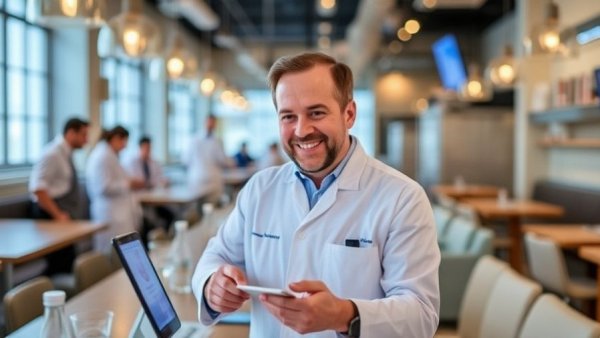
The Growing Importance of Allergen Management in Restaurants
As dining becomes more inclusive, understanding the needs of customers with food allergies is essential for restaurant success. In the UK alone, approximately 2.4 million people live with food allergies, and this number is often underserved in terms of customer service. Restaurants must not only comply with allergen regulations but also enhance the dining experience for these clientele. Eve Williamson, an advocate for allergy-friendly dining, emphasizes that the key challenge isn’t just about maintaining compliance but about fostering loyalty and trust amongst allergy-prone diners. Having a transparent system for allergen management can lead to repeat business and a positive reputation, which is invaluable in today’s competitive market.
For What It’s Worth: Transforming Allergens from Burden to Benefit
With the right technology, restaurants can transform allergen management from a burdensome task into a beneficial one. Williamson and Alana Bralsford, the founders of the Served platform, recognized that many diners face a guessing game when it comes to allergen information. Their platform allows guests to filter menus based on their dietary needs, showcasing which dishes contain or might contain specific allergens, thereby transforming dining into a more pleasurable experience. The usage of such tech tools not only enhances customer service but also empowers diners to take charge of their food choices— a significant aspect for individuals with food allergies.
Technological Solutions for Real-World Challenges
The reliance on outdated systems in restaurants can lead to confusion and potential health risks. By integrating live digital allergen menus, restaurants can enhance communication between staff and guests. The companion app enables users to check allergen information before arriving at the restaurant, which sets a positive tone for the entire experience. This kind of proactive approach helps to build confidence among staff, allowing them to answer questions more quickly and accurately, thus reducing stress during busy service hours. Moreover, this system significantly decreases the likelihood of mistakes that could lead to life-threatening situations for diners with allergies.
Building a Culture of Safety and Trust
Fostering a culture that prioritizes allergen safety not only safeguards diners' health but also enhances the reputation of the restaurant. Patrons with allergies often have stories of misguided food preparation that left them feeling unsafe. Establishing clear allergen protocols and training staff effectively can create an environment of transparency and safety. As Williamson points out, confident conversations about allergens lead to a more enjoyable dining experience for everyone involved. It is crucial for restaurant owners to cultivate a team that views allergen management as a priority rather than a hindrance, fostering an atmosphere where the entire staff feels empowered to communicate about food safety.
Global Perspectives: Navigating Allergen Laws
Different countries approach allergen management differently. For instance, in the UK, restaurants are legally mandated to inform guests of 14 specified food allergens. In contrast, other regions may have more ambiguous regulations. Understanding these differences is crucial, especially for restaurants looking to expand internationally. Adapting the allergen menus and ensuring compliance with local regulations can help to avert potential legal challenges while maintaining diner safety. Restaurants should also stay informed about changes in legislation to avoid any missteps that could lead to fines or loss of reputation.
The Future of Allergen Management in Dining
Looking ahead, the landscape of allergen management in the restaurant industry is set to evolve as technology continues to advance. Innovations in food safety apps and allergen tracking systems will be essential in supporting restaurants and ensuring guest safety. As consumers become more vigilant about their allergies, those restaurants that invest in such technologies will find themselves catering to a loyal customer base that values health and transparency. The Served platform is just one of many examples illustrating how technology can reshape the dining experience for those living with food allergies. By using interactive ordering systems and detailed digital menus, operators can create a more responsive and adaptable dining experience.
There’s a growing expectation among diners with food allergies that restaurants take proactive measures in maintaining their safety. This requires restaurant owners to not only implement technology but to also foster a culture of awareness and education among their staff. Regular training sessions on allergen management should become as routine as staff meetings. Equipping staff with the knowledge and tools they need to address allergen concerns effectively is critical. Similarly, engaging diners in conversations about allergies can lead to them feeling more comfortable and valued, ultimately translating to enhanced customer loyalty.
As the dining landscape evolves, operators must understand that improving allergen management will directly impact their bottom line and customer satisfaction. By prioritizing allergen safety through informed and transparent practices, restaurateurs ensure both health and loyalty, winning over the hearts of a significant portion of diners. The challenges associated with food allergies may be substantial, but they also present significant opportunities for restaurants willing to invest in the right technologies and create a culture centered on safety and inclusivity.







Write A Comment