

Why Trust is Key in Automotive Dealerships
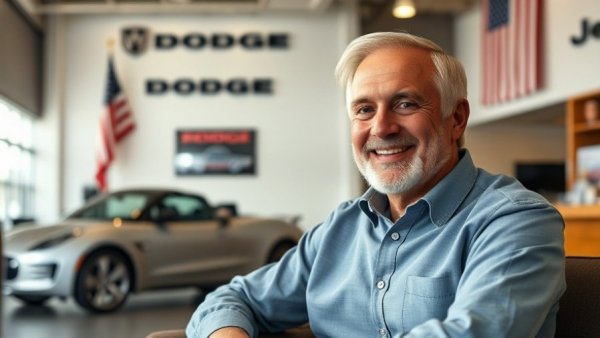
In a rapidly evolving automotive landscape, trust is becoming even more crucial for dealerships. Chuck Kramer of Kramer Automotive highlights in his recent interview that when it comes to automotive sales, providing an exceptional customer experience often outweighs the lesser-selling strategy of competing on price alone. Dealers are recognizing that consumers are not just looking for the best price; they are searching for a trustworthy partner in their car-buying journey. This sentiment is echoed across many sectors; as transactions become more virtual, the reliance on trust becomes paramount.
In 'Retail on the Record: Kramer Automotive's Chuck Kramer on why trust beats price, Chinese cars and AI,' the discussion highlights the evolving dynamics in the automotive market, prompting us to analyze these insights further.
A New Era of Competition: Embracing Chinese Cars
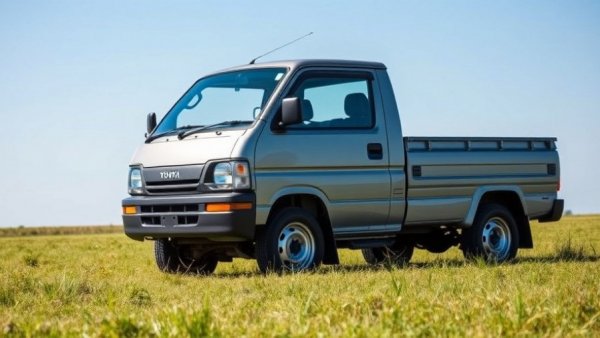
The discussion around Chinese cars has taken center stage in the automotive industry, especially as they have started to penetrate the U.S. market. Kramer notes that these vehicles often come at competitive prices, forcing traditional automobile dealers to reconsider their strategies. Rather than viewing these newcomers as mere competitors, dealerships can use this as an opportunity to elevate their own offerings. By emphasizing the quality of service and fostering relationships with buyers, dealerships can create unique propositions that set them apart from discount-driven competitors. By offering comprehensive after-sales support and vehicle maintenance services, dealers can help assuage potential customers' concerns about the quality of foreign-made cars.
How AI is Reshaping Dealer Operations
Artificial Intelligence (AI) stands at the frontier of technological advancements that can streamline dealership operations. From predictive analytics that forecast sales trends to customer service solutions that personalize the shopping experience, embracing AI can provide a significant edge. Kramer advocates for dealers to leverage these technologies as tools that not only enhance efficiency but also build trust and rapport with customers. By utilizing AI, dealerships can better serve their clients, ultimately leading to an enriched customer experience that strengthens loyalty. For instance, incorporating chatbots into their online platforms allows dealerships to offer 24/7 customer service, addressing queries promptly and effectively.
Building Relationships that Last
The foundation of a successful automotive dealership rests on building lasting relationships. Customers are more likely to return to a dealer that treats them with respect and offers transparent information. In today’s competitive market, prioritizing customer service can be the differentiator that leads to stronger sales and increased customer loyalty. Listening to customer feedback and implementing those suggestions can further enhance this relationship, showing clients that their opinions matter. It cultivates an environment where buyers feel valued and understood.
Understanding Buyer Behavior: What Consumers Want
As more options arise in the automotive market, understanding consumer behavior becomes paramount. Today's car buyers are informed and passionate about making the best purchase for themselves and their families. They seek advice, rely on reviews, and expect an engaging online presence from dealerships. As Kramer discusses, dealers must adapt to meet these expectations by ensuring that their teams are knowledgeable and responsive. This focus on consumer needs positions dealerships to thrive despite the challenges from price-competitive markets. Through comprehensive training programs and workshops, dealerships can prepare their sales teams to handle inquiries more competently and provide a wealth of information to potential buyers, thus improving customer retention.
Future Trends: What Lies Ahead for Automobile Dealers
Looking ahead, Chuck Kramer encourages dealers to pay attention to coming trends in the automotive industry. The increase in electric vehicles (EVs), changes in consumer financing preferences, and shifts in the global supply chain are just a few factors that will certainly impact dealership strategies. The push for sustainability has created a favorable environment for EVs, and dealerships must be ready to accommodate this shift by providing adequate charging infrastructure and educating customers about the benefits of switching to electric. By keeping a finger on the pulse of these developments, automotive dealers can prepare themselves to adapt quickly, further enhancing their trustability among clients.
Technological Integration: The New Normal
Alongside AI, the integration of other technologies such as Virtual Reality (VR) for car demonstrations and Augmented Reality (AR) in advertising are becoming increasingly popular. These innovations not only enhance the customer experience but also provide dealers with creative ways to showcase their vehicles. For example, VR can allow potential buyers to visualize their favorite cars in a virtual showroom setting from the comfort of their homes. This kind of technological integration appeals particularly to younger buyers, who may prefer a more digital shopping experience.
Conclusion: The Road Ahead for Dealers
In conclusion, the insights from Kramer Automotive's Chuck Kramer demonstrate the ongoing evolution in the automotive sector. Dealers must recognize the importance of trust over price, embrace AI, adopt emerging technologies, and new competitor vehicles, and focus on developing meaningful relationships with customers. As the market continues to change, those who adopt these principles will not only survive but thrive in the automotive industry. It is clear that the future belongs to automotive dealers who prioritize consumer experience and adapt proactively to the constant shifts within the industry.






Write A Comment