

How Tech Outages Sparked Emergency Supply Buying Frenzy
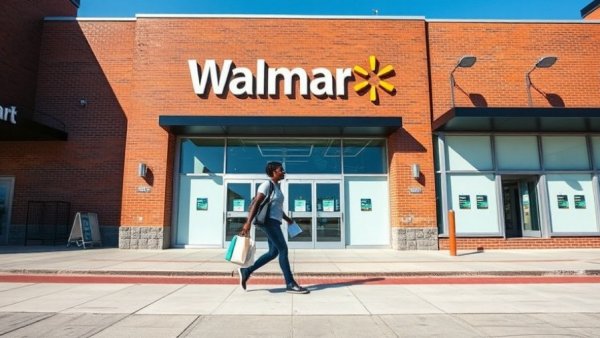
In recent weeks, shoppers across the United States have flooded retail stores, particularly Walmart, to stock up on emergency supplies like bottled water, propane, and camping items. The sudden increase in these purchases comes in the wake of a series of technology outages that have left many Americans feeling vulnerable and prompted them to prepare for potential crises.
The Ripple Effect of Technology Failures
Major disruptions, including a ground stop for all U.S. airline flights and complications affecting Microsoft Outlook, have stirred public anxiety. According to Mizuho Securities analyst David Bellinger, these issues have spurred what he describes as a "pantry-loading" trend among consumers, where individuals stock up on bulk essentials ahead of the holiday season. The aftermath of these outages serves as a stark reminder of how swiftly our reliance on technology can be tested by unexpected failures.
Considering the many glitches that occurred in quick succession, including problems at major financial institutions like JPMorgan Chase, it’s no surprise that retailers like Costco and Tractor Supply have reported a remarkable surge in sales of emergency preparedness products. Notably, about 21 of the 26 high-ticket generators listed on Costco's website were sold out as panic set in among shoppers, symbolizing a frantic response to these vulnerabilities.
Consumer Behavior in Times of Crisis
This buying trend highlights a significant shift in consumer behavior that reflects deep-seated anxieties rooted in technology dependence. The awareness of how fragile systems can quickly impact everyday life has driven shoppers to fill their homes with supplies that ensure they’re ready for anything. This behavior is not merely a product of fear but also an instinctive response to the uncertainties of modern living.
While Walmart affirmed that the uptick in sales for emergency supplies is a relatively small portion of its overall business, the notable demand indicates a growing trend that retailers need to acknowledge. "It's a pull forward of future demand," noted Walmart's Chief Financial Officer John David Rainey, suggesting that consumer buying habits are changing. This shift could indicate a long-term change in expectations around safety and preparedness.
The Broader Implications for Retailers
As retailers observe changes in consumer purchasing patterns, forecasts for growth continue to emerge. Walmart recently adjusted its annual sales and profit predictions, and analysts are keeping a close eye on the ongoing effects of these emergent trends. For example, Costco is on track for a double-digit increase in U.S. sales this month, reflecting the heightened demand for not only emergency supplies but a broader engagement from consumers preparing for the holiday rush. This trend poses an imperative for retailers to adapt their inventory and marketing to align with the evolving priorities of consumers.
Diverse Perspectives on Panic Buying
While some view this panic buying negatively, associating it with irrational behavior during crises, there are also positive aspects to the increased preparation among consumers. As households stock up on supplies, they are not just reacting to fear but are also embracing a more proactive attitude towards their safety and well-being. The shift towards emergency preparedness can foster community resilience and awareness, even if it stems from discomfort and uncertainty.
Moreover, the trend raises critical questions about how retail strategies can better accommodate consumer needs in the face of crises. Businesses might find opportunities to innovate by expanding product lines that cater specifically to emergency preparedness. For instance, creating bundles of essential supplies or hosting workshops on emergency planning could engage consumers more deeply.
Facing Future Challenges Head-On
The unprecedented events of the past weeks have illustrated not only the fragility of our technology but also the resilience of consumers who respond to challenges by preparing for the worst. Retailers, in turn, need to be agile and sensitive to these shifts in demand, recognizing the importance of being equipped to serve shifting consumer priorities. This adaptability can strengthen the bond between retailers and shoppers, fostering loyalty in uncertain times.
As we move closer to the holidays, understanding how to navigate these consumer behaviors and emerging trends will be crucial for retailers looking to maintain their sales momentum. This focus not only makes retail more adaptive but also provides individuals with the tools they need to feel secure in turbulent times. With ongoing conversations about supply chain vulnerabilities and technology reliability, the current shopping behaviors could well shape future retail landscapes.
If you want to stay informed about ongoing changes in consumer behavior and explore actionable strategies for preparing your household or business, be sure to subscribe to our insights newsletter today!
Additionally, those looking to adopt a more prepared mindset can start small—consider keeping a sufficient supply of essential items at home, like non-perishable foods, medical supplies, and water. It’s wise not only to think about individual preparedness but also to engage with local communities in discussions around emergency plans. How communities respond and adapt can create a more resilient society overall, demonstrating the power of collective preparedness in the face of uncertainty.






Write A Comment