


The Transition Ahead: GM’s Search for Mary Barra’s Successor
The major news coming out of the automotive industry this week is General Motors' decision to begin the search for a new CEO to potentially succeed Mary Barra, who has been steering the company since 2014. As Barra approaches her 65th birthday, discussions around her imminent retirement have ignited interest in who might take the helm of one of the world’s largest automobile manufacturers. The decision to involve an executive search firm suggests that GM is serious about preparing for a leadership transition, whether it comes in the immediate future or further down the line. This signifies GM's commitment to a well-planned succession that could affect not only its corporate strategies but also the broader automotive market.
The video, 'Nov. 21, 2026 | Weekend Drive: GM’s search for Barra’s successor; Stellantis’ Brampton plant sale,' provides key updates and analysis on critical shifts in the automotive sector that we're further exploring.
Understanding GM’s Leadership Landscape
There are considerable questions about both internal and external candidates who could fill Barra's shoes. One name that has surfaced is Sterling Anderson, who heads GM's product engineering and has garnered attention for his background in Silicon Valley. His capacity to navigate the evolving landscape of electric vehicles (EVs) and autonomous driving technology makes him a compelling candidate. However, the choice of a successor could symbolize GM's strategic direction—whether to choose someone with deep automotive expertise or a tech-forward leader. On the other hand, there is a possibility for candidates from outside the automotive space, reinforcing the notion that GM aims to position itself as a technology-centric organization. This aligns with a growing trend where auto manufacturers are placing a higher premium on technological innovation over traditional manufacturing prowess.
The Legacy of Mary Barra: A Stabilizing Force
Barra’s tenure has been characterized by a remarkable ability to steer GM through challenges, including the ignition switch crisis, the COVID-19 pandemic, and ongoing supply chain issues. Her focus on transforming GM into a leader in the electric vehicle market, albeit bumpily, has set a foundation for the company’s future. Will her successor continue to build upon her legacy, or will they pivot in a different direction? This is a question that stakeholders are pondering as the search begins. It’s vital to note that although GM under her leadership has faced criticism for tardiness in EV adoption compared to competitors, Barra has nonetheless laid groundwork through significant investments and strategic partnerships aimed at enhancing GM’s EV capabilities. This legacy of stabilization amidst turmoil is something that her successor will have to honor, and possibly enhance, as the market evolves.
The Future of Stellantis: Brampton Plant Sale
In another significant development, Stellantis has announced the sale of its Brampton assembly plant to a defense contractor after failed negotiations with local unions and government. This plant has been idled since 2023, impacting thousands of jobs and leaving a gap in the local economy. Analysts suggest that this closure represents broader trends in the industry where automakers are reassessing their production capacities in response to changed demand. The sale indicates a shift in Stellantis' strategic focus, much like what many manufacturers are currently experiencing. With the transition towards more sustainable and efficient production models, Stellantis may be looking to streamline operations and pivot towards new technologies and manufacturing mechanisms that align with future goals.
Ford’s Bold Move in the Battery Space
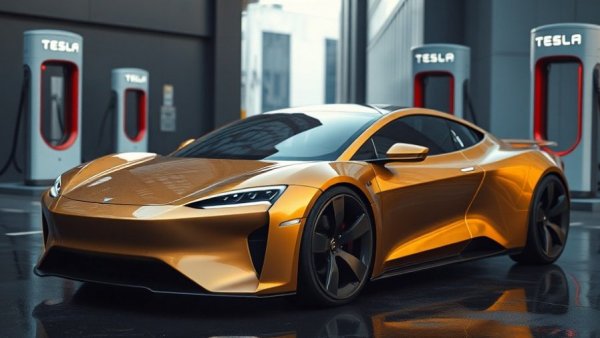
Shifting to Ford, the automaker is now producing lithium iron phosphate (LFP) batteries in Michigan, aimed at supporting their upcoming Fathom Electric pickup. Despite facing controversies around its collaboration with a Chinese battery producer, Ford's initiative to develop in-house battery capabilities shows a commitment to vertical integration, thus eliminating markups that can arise from reliance on external suppliers. This move could be crucial in establishing Ford’s credibility and competitiveness in the electric vehicle market. Moreover, Ford’s strategic decision to localize battery production is likely to resonate well with consumers increasingly interested in sustainability and domestic manufacturing jobs, potentially enhancing brand loyalty.
What This Means for Dealers
For automobile dealers, the outcomes of these corporate shifts will play a crucial role in shaping future operations. The leadership changes at GM may lead to new strategies that influence production, pricing, and vehicle offerings, impacting dealer profitability directly. Similarly, Stellantis' decision to offload its Brampton plant signifies potential challenges for dealerships relying on that plant's output. Ford's advances in battery technology can mean improved product offerings, potentially unlocking a new stream of business for dealerships that embrace EVs. Understanding these corporate dynamics will be crucial for dealers looking to maintain a competitive edge as market landscapes shift.
Facing the Future of Automotive Retail
The automotive landscape is shifting rapidly, driven by technological advancements, changing consumer behaviors, and corporate strategies. For dealers, it's imperative to stay informed about these developments and be proactive in adapting their businesses accordingly. Whether it means adjusting inventory in response to production changes at GM or embracing the growing EV market propelled by production at Ford’s new plants, flexibility will be key. In this environment, being open to training and embracing new technologies will keep dealers relevant and connected with the evolving demands of the consumers.
As we witness these pivotal changes, dealers should focus on education, training, and understanding how to sell new technologies like EVs competently. Engaging with manufacturers, attending workshops, and staying apprised of industry news will empower dealers to thrive amidst uncertainty. The ability to convey values associated with sustainability and cutting-edge technology will be essential in building consumer trust and stimulating sales. For those dealers who adapt and evolve, the future poses opportunities to align with a market that is only expected to grow in the coming years.
If you’re an auto dealer navigating these trends, stay connected to industry news and consider how you can leverage the ongoing transformations for your business's advantage. Looking at broader trends in consumer preference, adapting your sales techniques, and enhancing customer service practices will not only help you survive, but thrive as the automotive landscape continues to evolve. By staying engaged and informed, dealers can take proactive steps to ensure that their strategies resonate with the future of automotive retail.




Write A Comment