

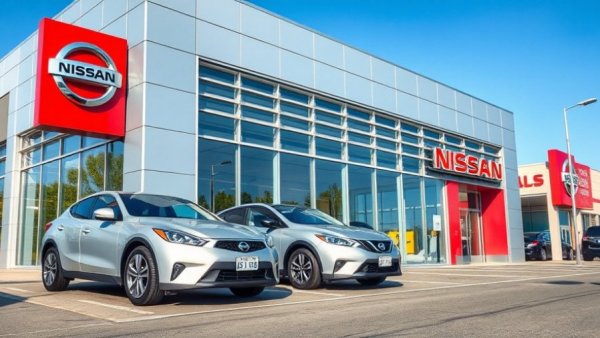
Nissan's Strategic Bonus Appeal: What It Means for Dealers
In an effort to bolster dealership performance amid a challenging sales environment, Nissan has introduced a $1,000 bonus for every vehicle sold beyond a specified target in November. This move comes after a disappointing October where Nissan fell short of its internal goals by several thousand vehicles. With the automotive landscape growing increasingly competitive, manufacturers are compelled to incentivize sales using various methods to prompt dealer action. Those dealers who meet their predetermined sales targets will enjoy a financial reward for every vehicle sold above that threshold, potentially doubling their bonuses on extra sales.
In 'Nov. 19, 2026 | Nissan stacks $1,000 dealer bonuses; Stellantis’ Brampton saga', key insights about the automotive industry's shifting priorities emerge, prompting a deeper analysis of their implications for automobile dealers.
Understanding the Dealer Dilemma: Are the Bonuses Worth It?
While the bonus structure might initially appear attractive, many dealers have expressed wariness about the implications. The push to meet sales incentives often leads dealers to lower their prices, driving a more aggressive discounting strategy that can erode profit margins. Margins are currently hovering around a mere 1.3% for the year, creating an environment where the pressure to increase sales volume via discounts can often backfire, leaving dealers more financially vulnerable than before. Dealers have experienced the pitfalls of Nissan's previous bonus structures that resulted in high-volume sales but ultimately compromised profitability. If success is primarily measured by the number of vehicles sold rather than robust profits, dealers may find themselves in a precarious situation.
The Broader Implications for the Automotive Industry
Nissan's current situation is not isolated; it reflects a larger trend within the automotive sector. Automakers are navigating uncharted waters spurred by market dynamics, with Ford ramping up electric vehicle production and Japanese manufacturers collaborating to manage rising parts costs. The recent alliance among Japan's automakers, including Toyota and Honda, aims to standardize parts to cut costs and enhance competitiveness against increasingly formidable rivals, especially from China. This collaborative approach highlights the innovative shifts occurring within the industry, underscoring the challenges faced by traditional manufacturers amidst a changing landscape. As companies pivot to enhance operational efficiency, local dealers may need to rethink their sales tactics and stock strategies.
The Crucial Role of Unifor and the Brampton Plant Saga
In parallel to Nissan's issues, a significant saga unfolding at Stellantis' Brampton assembly plant raises critical concerns about labor rights and job security in the automotive industry. The plant, which has been idle for about three years, is facing a potential sale to a Canadian defense contractor. The complicated backdrop includes the federal government previously offering substantial funds to retool the plant, which has magnified complications regarding job security for over 2,000 workers affected by the closure. The ongoing negotiations, characterized as a 'hot potato,' illustrate the intricate balance between labor rights, corporate responsibility, and government oversight in the automotive sector. The union representing these workers, Unifor, remains tireless in advocating to preserve jobs and hopes for a viable resolution in this politically and economically charged atmosphere. Through its efforts, Unifor seeks not only to protect jobs but to establish a framework for sustainable workforce practices.
Future Trends: Adapting to a New Automotive Landscape
The automotive industry is undergoing a significant transition towards electrification and sustainability, prompting dealers and manufacturers alike to reassess their strategies. Advancements in battery technology, as highlighted by Ford’s launch of the Fathom Electric pickup, signal a future where dealers must adapt to changing consumer preferences for electric and hybrid vehicles. This transition presents both opportunities and challenges for dealers as they navigate evolving consumer demands and the associated logistical and financial implications. In this environment, staying ahead of the curve and understanding the latest innovations can dramatically affect a dealership's ability to prosper.
Insights for Dealers: Maximizing the Opportunity
For dealers, understanding the current trends and preparing for the future is paramount. This involves not only effectively utilizing manufacturer incentives, such as purchasing bonuses, but also embracing the evolving market landscape characterized by electric vehicles. By staying informed about industry changes and adjusting their sales strategies accordingly, dealers can enhance their chances for long-term success. Additionally, implementing robust fraud protection systems, as emphasized by Experian Automotive, can further safeguard profits and enhance trust with consumers in a highly competitive environment. Dealers must recognize the importance of securing their operations against potential risks while also exploring tools and technologies that streamline their processes and increase overall efficiency.
As technology continues to advance, so too should the skills and knowledge of those working within dealerships. Training staff on the nuances of new vehicle offerings, especially in the electric space, will be crucial in preparing for the future. Engage your team in ongoing education about electric vehicles and their benefits, ensuring they can communicate these advantages effectively to clients.
Conclusion: Preparing for Tomorrow
In summary, the automotive landscape is undergoing profound changes. With Nissan's dealership bonuses and the complexities surrounding Stellantis’ Brampton plant, it is imperative for dealers to remain proactive and informed amidst these developments. Understanding both the potential lucrative opportunities and inherent risks will ultimately determine their success in this evolving market. As we head into this new automotive era, dealers are encouraged to assess their current strategies closely and leverage insights from ongoing industry shifts.
How you navigate these changes could significantly impact your bottom line. As the industry continues to evolve, ensure that you are equipped with the right tools and knowledge to thrive. Stay tuned for more insights on how you can adapt to the changing environment and maximize your dealership's performance moving forward.







Write A Comment