Small Business Today
UPDATE
  • Home
  • Categories
    • Business Headlines
    • Small Business Trends
    • Automotive Industry News
    • Restaurant News
    • Dental Practice Marketing
    • Auto Repair Marketing
    • Roofing Contractor Marketing
    • Salon & Spa News
    • Lawn & Landscape Marketing
    • Plumbing & HVAC Contractor News
November 23.2026
4 Minutes Read

How Katie Bowman Coleman Blends Fashion Insights with Automotive Retail

Katie Bowman Coleman discussing automotive retail in dealership.

Unveiling Innovations: The Fusion of Fashion and Automotive Retail

In the ever-evolving landscape of automotive retail, the intersection of diverse backgrounds is shaping the future of the industry. Katie Bowman Coleman, with her rich history in fashion, brings a refreshing perspective to the world of auto sales. Her candid insights highlight how concepts from the fashion world can revolutionize the way cars are sold. Coleman believes that understanding consumer preferences is key and that, much like fashion, the automotive industry must be adaptable and imaginative to stay relevant. This adaptability is more than just reacting to trends; it's about anticipating them, which requires a keen sense of what consumers want before they even realize it themselves.

In the video 'Retail on the Record: Katie Bowman Coleman on EVs and bringing her fashion background to auto retail', the conversation explores how Coleman's unique experience can reshape dealership strategies amid an evolving automotive market.

The Role of Electric Vehicles in Tomorrow's Market

As more consumers gravitate towards electric vehicles (EVs), Coleman stresses the importance of staying abreast of market trends. The shift to electric is not merely a fad; it is a response to climate change and consumer demand for sustainable solutions. Dealerships must embrace this transformation, integrating EVs into their inventories while educating both staff and customers on their benefits. Coleman points out that training sales staff about EV technology and sustainability practices can enhance customer trust, making them feel more confident in their purchase decisions. With more manufacturers committing to electric options and governments providing incentives for their adoption, now is the ideal time for dealers to reposition themselves as leaders in the EV market.

The Human Touch: Building Relationships in a Digital Age

In a world increasingly dominated by technology, the importance of personal relationships cannot be overstated. Coleman emphasizes that, while online transactions simplify car buying, the human element remains crucial. Customers crave trust and connection, which dealerships can cultivate by investing in customer service training that empowers employees to engage authentically. Notably, research shows that consumers are more likely to return to a dealership where they had a positive experience, regardless of price. This commitment to relationship-building can set successful dealerships apart in a competitive market where online options abound.

Data-Driven Insights: The New Frontier

Embracing technology is not just about having the latest gadgets; it’s about leveraging data to inform decisions. With advanced analytics, dealerships can gain insights into consumer behavior, enabling tailored marketing strategies. Coleman suggests that understanding which features resonate with customers can lead to better sales outcomes. By aligning inventory with consumer interests, dealerships can enhance their performance significantly. This data also allows for targeted advertising strategies that speak directly to potential buyers. Moreover, utilizing customer feedback can refine product offerings and marketing campaigns, creating an agile response to shifting market dynamics.

The Fashion of Sales: Presentation Matters

Much like a well-curated fashion show, the presentation of vehicles at a dealership can make a profound difference in attracting potential buyers. Coleman draws parallels between visual merchandising in retail and how cars are displayed. She advocates for creating immersive spaces where customers can envision themselves in their potential purchase. Strategic placement of vehicles, along with thoughtfully designed showrooms that provide customers with comfortable environments, can elevate the buying experience. Enhancements such as interactive displays, virtual reality showrooms, and engaging signage can transform mundane car-buying into an exciting adventure.

What's Next? Preparing for the Future

Looking ahead, Coleman believes the automotive industry must remain agile and receptive to change. As consumer preferences shift towards sustainability, technology, and transparency, so too must the strategies employed by dealerships. Training staff to adapt quickly—especially concerning new technologies like EVs—can position retailers as leaders in a transforming market. Furthermore, fostering a culture of continuous learning can vastly enhance employee confidence, ultimately benefiting customer interactions. Encouraging employees to share their insights and experiences can create an environment of innovation where everyone contributes to improving the sales process.

Conclusion: Embracing Change to Thrive

In today's rapidly changing automotive landscape, the insights from Katie Bowman Coleman remind us that success hinges on adaptability. Her background in fashion may seem distant from the auto industry at first glance, but it provides valuable lessons on consumer engagement, presentation, and relationship-building. As dealerships embrace the rise of EVs and the need for strong customer connections, they position themselves not just to survive but to thrive. This evolution calls for a reevaluation of traditional sales tactics and encourages dealers to innovate creatively while staying true to their core values.

The automotive industry is at a crossroads, and now is the time for dealers to embrace innovative strategies that drive success. By incorporating Coleman's experiences and insights into everyday practices, dealerships can transform their approach to meet the challenges of tomorrow. It is these forward-thinking strategies that will ensure they not only adapt to current trends but also lead the way in shaping the future of automotive retail.

Automotive Industry News

2 Views

0 Comments

Write A Comment

*
*
Please complete the captcha to submit your comment.
Related Posts All Posts
11.23.2026

Nvidia's CEO Reinstatement and the Legal Implications of AI in Automotive

Update The Return of Jensen Huang: A Controversial Comeback On November 23, 2026, Nvidia ignited headlines with the reinstatement of Jensen Huang as CEO, just days after his controversial resignation. The tech leader's departure was marred by personal scandal and allegations involving a possible espionage link with China, which prompted initial concern over national security. Interestingly, despite the serious charges, the company, following a review, expressed confidence in Huang's return. For the automotive industry, his elevation back to the helm of one of the world’s leading tech firms poses intriguing questions about AI’s future in vehicle development and its legal ramifications.In 'Nov. 23, 2026 | Nvidia reinstates Jensen Huang as CEO; legal pitfalls of AI,' the discussion dives into Jensen Huang's return amid scandals and highlights the diverse implications of AI in the automotive sector. AI in Automotive: Innovation Meets Legal Risk The automotive industry is experiencing a technological revolution as companies increasingly adopt artificial intelligence (AI) to enhance vehicle design, production, and marketing strategies. Kellen Walker, in his recent feature, highlighted that nearly all automakers are leveraging AI capabilities to not just accelerate manufacturing but also to create innovative driver experiences through advanced infotainment systems. Automakers are using AI to optimize their manufacturing processes, enabling them to produce more reliable and efficient vehicles. However, with these advancements come important legal considerations. According to Jennifer Dukarski, an expert in emerging automotive technology, the integration of AI into marketing materials is particularly fraught with legal vulnerabilities. Cases of misleading advertising have emerged, threatening companies engaged in developing AI-generated promotional content. Automakers need to ensure the accuracy of AI-generated images and context, or face potential legal consequences. This is particularly relevant as consumers increasingly rely on visual marketing to make purchasing decisions. Understanding the Implications of Deceptive Advertising The Federal Trade Commission (FTC) strictly prohibits deceptive advertising, which can inadvertently arise through the use of AI if the information presented is not wholly accurate. This situation raises crucial concerns for automakers and dealers about what constitutes deceptive advertising in the digital age. Consumers have reported expectations shaped by stunning promotional materials generated by AI, only to discover these products are not as depicted. This disconnect can lead to accusations of false advertising, particularly if a consumer has made a significant purchase based on an over-promised advertisement. Moreover, recent discussions have brought forward the notion that deceptive advertising goes beyond blatant dishonesty, to include stating features without adequate clarity on limitations, misleading consumers about what can be reasonably expected. For instance, if a vehicle is advertised as having advanced autonomous capabilities, but those features are limited to specific conditions, customers may feel misled if these limitations are not clearly communicated. The Legal Landscape: State vs. Federal Regulations In the evolving legal landscape, state-specific regulations are also surfacing to adapt to the challenges posed by AI in advertising. For example, New York State's recently enacted law demands that companies disclose AI-generated human likenesses in advertisements. Companies that fail to make these disclosures may face substantial fines, exemplifying a growing trend toward holding businesses accountable for their AI practices. Such regulations may soon spread to other states, prompting a wave of compliance efforts among manufacturers and dealers alike. Moreover, the recent case in New Jersey, where automakers are suing the state over warranty reimbursement laws, highlights the profound impact that regulatory changes can have on the automotive industry’s financial health. The legal battles unfolding in different states showcase the urgency for automotive businesses to not only advocate for their interests but to also have a firm grasp of the local and federal legal frameworks guiding their operations. Balancing Innovation with Legal Vigilance Auto dealers and manufacturers must now strike a balance between embracing AI as a transformative tool in an industry steeped in tradition, and navigating the complex legal frameworks that accompany its adoption. The potential for AI to increase productivity and enhance customer experiences is profound, yet stakeholders must tread carefully to avoid legal pitfalls. Failing to uphold legal standards can result in hefty fines and damage to a company's reputation. As the automotive sector advances, the legal implications surrounding AI usage will continue to resonate across various market segments. Automakers are advised to invest in legal resources that focus specifically on the intersection of AI functionality and consumer law to mitigate risks as they embrace this technology. Collaboration between automakers and legal advisors can ensure that innovative practices are aligned with industry laws and regulations. A Future of Innovation and Accountability The ongoing dialogue around AI's role in the automotive industry presents an opportunity for professionals, including automobile dealers, to re-evaluate their approach toward digital marketing and customer engagement. Emphasizing transparency and accountability in advertising not only fortifies trust with consumers but also solidifies brands against legal scrutiny. Dealers especially need to tread carefully, as the integration of AI can significantly alter customer experiences and expectations. Take Action and Stay Informed In light of these developments, auto dealers must prioritize staying informed about both technological advancements and the regulatory landscape surrounding AI. Engaging with legal experts and adapting marketing strategies to ensure compliance can notably safeguard against pitfalls as the industry evolves. This proactive approach can be a significant advantage in a competitive market. Consider incorporating well-defined operational procedures in your dealerships to navigate the challenges presented by AI, ensuring your promotional content is both innovative and compliant with established regulations. Keeping abreast of technological trends and regulatory requirements can empower dealers to harness AI’s full potential while minimizing risk. The intersection of AI and the automotive industry is unfolding, and those who proactively seek to understand its implications will be best positioned in the market. Ultimately, the balance between innovation and legality will define the future landscape for automotive businesses. By prioritizing ethical practices in AI utilization and marketing, the industry can lead the way in responsible technological integration.

11.22.2026

How Scout Motors Plans a Service-Heavy Workshop Model for Success

Update The Future of Automotive Retail with Scout Motors In recently shared developments, Scout Motors is poised to reshape the automotive retail landscape by repurposing unique buildings for their service-heavy workshops. While traditional dealerships have long dominated the industry, Scout aims to create a different kind of service experience that emphasizes not just sales, but robust, customer-focused service environments. With plans to open an impressive 90 workshops across North America by 2033, 83 of which will be in the U.S., Scout is gearing up to take the market by storm.In 'Nov. 22, 2026 | Bonus Episode: Scout plans service-heavy workshops in old gyms and warehouses,' the discussion dives into Scout Motors' unique retail strategies that have prompted us to analyze their impact on the automotive industry. Innovative Reuse of Spaces: A Blueprint for Success Scout Motors' strategy includes turning defunct sites—such as old gyms and warehouses—into functional workshops. This approach not only reduces overhead costs but revitalizes neighborhoods that could benefit from new business activity. For instance, their planned location in Vernon Hills will occupy a vacant gym since 2012, breathing new life into a once bustling community center. Repurposing structures aligns perfectly with sustainability trends while contributing positively to local revitalization efforts. This initiative echoes growing consumer preference for brands that embrace sustainability, showing that Scout is not only attentive to market demands but is also committed to environmental responsibility. There’s a tangible community benefit derived from transforming forgotten spaces into vibrant workplaces, which can foster stronger local ties and bolster community development. The Workshop Model: Service First, Sales Second A key differentiator for Scout is its commitment to service. According to reports from executives, a staggering 80% of workshop facilities will be focused on service capabilities, with only 20% reserved for sales and merchandising. This prioritization ensures that customers receive immediate and thorough service alongside their purchases, a strategy designed to enhance customer satisfaction and foster loyalty. Given that modern consumers seek more than just vehicles; they want relationships with brands that provide ongoing support, this model appears well-suited for success. This emphasis on service also suggests a deeper understanding of consumer behavior in the automotive market. Today’s consumers are more discerning, valuing experiences over transactions. By flipping the traditional dealership model on its head, Scout aligns itself with customer expectations in a rapidly evolving market. Enhancing service interactions can also lead to valuable feedback which can be leveraged for continuous improvement in products and services. Market Strategies: Tapping Into Consumer Needs Scout’s intention isn't just to open workshops; it appears they’re strategically planting them in urban markets—high-traffic areas where people live and work. This approach allows them to be accessible to a broader consumer base while ensuring proximity to customers within large metropolitan areas like Chicago and Los Angeles. This model is especially important in urban spaces where traditional dealerships may not have the same presence, thus catering to untapped demographics. By strategically aligning their workshops with urban residential trends, Scout is also poised to appeal to younger demographics who often prioritize accessibility and convenience. The trend towards urban living implies that new vehicle ownership models must adapt accordingly, and this urban-oriented strategy could see Scout resonate particularly well with first-time buyers and tech-savvy consumers. Learning from the Path of Others: Insight from Rivian and Tesla One of the most intriguing aspects of Scout's strategy is the learnings they’ve drawn from other electric vehicle manufacturers, particularly Rivian and Tesla. By analyzing how these brands faced challenges in establishing their service models, Scout is keen on circumventing similar pitfalls. There's an understanding that customer experience is vital; thus, by investing significantly in service capabilities, they are positioning themselves for long-term success. Their advance planning comes from a cognizant awareness of consumer expectations, which creates a more resilient business model moving forward. Scout's proactive approach to service infrastructure can be likened to building a safety net for customers, ensuring their ownership experience is seamless and supportive. This advantage places them a notch above competitors who may not have laid the groundwork from the onset, setting up the potential for higher customer retention rates, which is critical in a competitive market. Navigating Legal Challenges: The Direct-to-Consumer Model However, the path forward isn’t without challenges. Scout Motors faces ongoing legal battles concerning their direct-to-consumer model. As more dealers resist this approach, arguing that traditional dealership structures should remain intact, Scout must find ways to navigate this maze effectively. Having secured licenses in Illinois and Colorado while still battling restrictions in other states highlights the complexity of this transition. As they continue to adapt and refine their strategy, the implications of these legal outcomes could be significant not just for Scout, but for the future of the entire automotive industry. The Road Ahead: Future Predictions for Scout Motors As we look ahead to 2033, Scout Motors seems poised to disrupt the automotive retail market. By implementing a model that values service over sales, utilizing existing infrastructure for workshops, and learning from the mistakes of pioneers in the electric vehicle market, they appear ready for a transformative impact. Whether they can successfully navigate the regulatory landscape while driving consumer demand remains to be seen, but should they succeed, they may well set a blueprint for future automotive businesses. For automobile dealers, understanding these emerging trends and how Scout's model could influence consumer expectations and market dynamics is as important as ever. Keeping abreast of these developments will not only help in strategizing business operations but also in addressing evolving consumer needs effectively. Engaging with the challenges posed by Scout Motors may ultimately empower dealerships to innovate in their own service models, potentially revolutionizing the retail landscape together. In a time of significant change within the automotive industry, proactive strategy adaptation is key; thus, dealerships must innovate to maintain their relevance. It's an exciting time in the automotive space that warrants close attention as both traditional dealerships and new entrants navigate the road ahead.

11.21.2026

Exploring Tesla’s Personal Cybercab: What Auto Dealers Need to Know

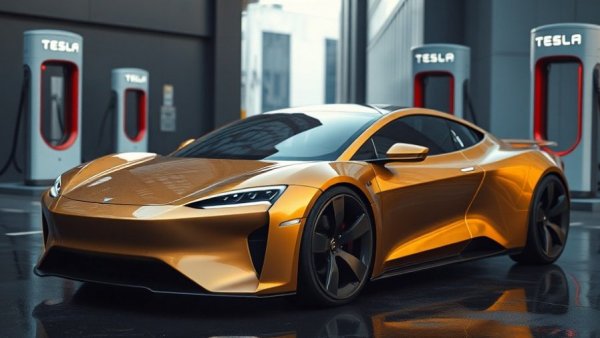
Update Tesla Cybercab: A New Frontier in Mobility As the auto industry evolves, Tesla has taken center stage with its groundbreaking initiative to sell personal Cybercabs, designed to function within designated geofences. For an upfront cost of $29,990 plus a monthly subscription fee of $299, buyers can own a piece of tomorrow's transportation—without a steering wheel or pedals. However, potential buyers should be cautious of the numerous strings attached to this innovative vehicle.In 'Nov. 20, 2026 | Tesla’s plan to sell personal Cybercabs; Texas dealer Chuck Kramer talks automake...', we dive into the implications of owning a Cybercab and explore the insights shared by dealer Chuck Kramer on the evolving automotive landscape. The Realities of Geofenced Travel The purchasing agreement details suggest that this Cybercab isn't your typical car. It’s primarily a personal robotaxi meant for confined, predefined areas. Owners might find themselves limited by the established geofence rules that determine where their Cybercab can navigate. These geofence rules are critical to operational safety, which could restrict access to certain roads or areas, especially in unfamiliar zones. The stringent regulations might evolve, shifting the operational boundaries of these vehicles and leaving buyers at the mercy of the technology's development and the external regulatory environment. Hidden Costs in Ownership When considering the financial aspect, the absence of insurance and charging infrastructure must be accounted for in addition to the initial purchase price. Tesla's decision to not include a home charging option adds an extra layer of complexity to ownership, compelling Cybercab owners to either seek out public charging stations frequently or opt for Tesla's insurance solutions to maximize ownership benefits. Without these considerations, potential buyers might find themselves grappling with unforeseen expenses. Given the current infrastructure limitations in various regions, it is essential for buyers to assess their charging options before committing to purchase. Depending on where they live, finding accessible charging points could influence the convenience of using their Cybercab. Consumer Caution as Federal Investigation Looms With ongoing federal investigations regarding Tesla's self-certification processes, potential buyers must weigh their excitement against the possible risks of owning a vehicle that could be deactivated pending regulatory scrutiny. Safety remains a fundamental concern, and the potential for a car's operations to halt vastly underlines the uncertainty that comes with pioneering technology. Buyers should consider staying informed about any changes in regulations that may impact their vehicle's functionality. Ensuring that a thorough understanding of the terms and conditions is established will also aid prospective buyers in navigating potential complications down the line. Dealer Perspectives: Insights from Chuck Kramer In a discussion featuring Texas dealer Chuck Kramer, he highlighted the complexities and challenges that manufacturers impose on dealers. Kramer pointed out that manufacturers often have differing priorities than the consumer’s experience. Car dealers like him bear the brunt of customer dissatisfaction stemming from confusing policies and regional rebates that complicate transactions. This friction only becomes more pronounced as the industry navigates technology-driven transitions, highlighting the pressing need for clearer communication between manufacturers and dealers. The Importance of Communication in Dealerships Kramer emphasized the vital role of communication not just between the dealer and the customer, but also between manufacturers and dealers. This communication gap can lead to misunderstandings regarding pricing, vehicle specifications, and available incentives. For instance, regional rebates may not apply universally, creating confusion for buyers who expect a cohesive and transparent purchasing experience. Clear and consistent messaging from all parties involved can significantly enhance customer trust and satisfaction, ultimately impacting sales positively. The Future of Autonomous Vehicles: Predictions and Considerations While Tesla envisions a future filled with autonomous robotaxis, the current reality still has vast roadblocks. Challenges surrounding safety regulation, consumer trust, and necessary infrastructure remain hurdles. As the technology matures and regulatory frameworks adapt, the vision that Elon Musk articulated over a decade ago may eventually materialize, where autonomous vehicles will be commonplace. However, prospective buyers must remain informed and cautious as developments unfold. Additionally, as more companies enter the autonomous vehicle space, competition may drive innovations and consumer-friendly solutions. Why Transparency Matters In an age where consumers seek more transparent and agreeable purchasing processes, dealers like Chuck Kramer are rethinking the vehicle-buying experience. As transparency becomes a competitive advantage in the automotive landscape, dealers who can maximize clarity around pricing and vehicle functions will likely find that consumers are more willing to engage. This evolution reflects a broader trend where customer expectations shape dealer strategies, illustrating the interconnectedness of transparency, consumer trust, and sales success. Actionable Insights for Dealers and Consumers For dealers, understanding the implications of new technology like Tesla’s Cybercab is crucial. Maintaining open lines of communication with customers about the limitations of new purchases, alongside a streamlined purchasing process, is essential in meeting consumer demands. For buyers considering a Cybercab, researching the operational limits, insurance options, and charging logistics is necessary to avoid pitfalls. Consumers need to be informed to make decisions that fit within their unique circumstances and budgets. As the automotive landscape continues to shift, adapting to these changes will empower both dealers and buyers alike. In conclusion, Tesla's Cybercab represents a leap into the future of autonomy, but it is essential for both buyers and dealers to remain vigilant and informed about the overarching realities involved in this journey. As the automotive industry adapts to new technologies, the relationship between consumers and manufacturers will continue to evolve, necessitating transparency and communication throughout the process. Stakeholders must engage actively in dialogues that promote understanding, foster trust, and create a more robust automotive marketplace in the years to come.

cropper
update

Small Business Today

cropper
update

Write a small description of your business and the core features and benefits of your products.

  • Small Business Today
    update
  • Small Business Today
    update
  • update
  • Small Business Today
    update
  • Small Business Today
    update
  • Small Business Today
    update
  • Small Business Today
    update

COMPANY

  • Privacy Policy
  • Terms of Use
  • Advertise
  • Contact Us
  • Menu 5
  • Menu 6

(508)344-5927

AVAILABLE FROM 8AM - 5PM

City, State

, ,

ABOUT US

Write a small description of your business and the core features and benefits of your products.

© 2026 CompanyName All Rights Reserved. Address . Contact Us . Terms of Service . Privacy Policy

Terms of Service

Privacy Policy

Core Modal Title

Sorry, no results found

You Might Find These Articles Interesting

T
Please Check Your Email
We Will Be Following Up Shortly
*
*
*