

The Future of Automotive Retail with Scout Motors
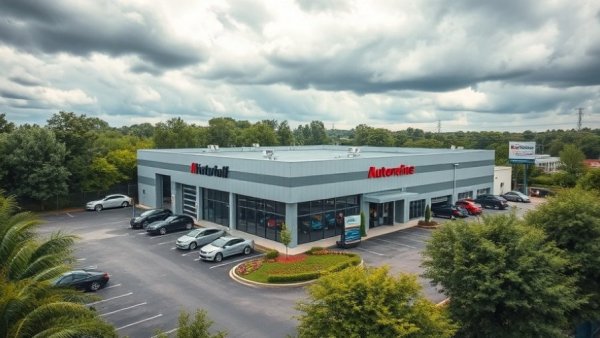
In recently shared developments, Scout Motors is poised to reshape the automotive retail landscape by repurposing unique buildings for their service-heavy workshops. While traditional dealerships have long dominated the industry, Scout aims to create a different kind of service experience that emphasizes not just sales, but robust, customer-focused service environments. With plans to open an impressive 90 workshops across North America by 2033, 83 of which will be in the U.S., Scout is gearing up to take the market by storm.
In 'Nov. 22, 2026 | Bonus Episode: Scout plans service-heavy workshops in old gyms and warehouses,' the discussion dives into Scout Motors' unique retail strategies that have prompted us to analyze their impact on the automotive industry.
Innovative Reuse of Spaces: A Blueprint for Success
Scout Motors' strategy includes turning defunct sites—such as old gyms and warehouses—into functional workshops. This approach not only reduces overhead costs but revitalizes neighborhoods that could benefit from new business activity. For instance, their planned location in Vernon Hills will occupy a vacant gym since 2012, breathing new life into a once bustling community center. Repurposing structures aligns perfectly with sustainability trends while contributing positively to local revitalization efforts.
This initiative echoes growing consumer preference for brands that embrace sustainability, showing that Scout is not only attentive to market demands but is also committed to environmental responsibility. There’s a tangible community benefit derived from transforming forgotten spaces into vibrant workplaces, which can foster stronger local ties and bolster community development.
The Workshop Model: Service First, Sales Second
A key differentiator for Scout is its commitment to service. According to reports from executives, a staggering 80% of workshop facilities will be focused on service capabilities, with only 20% reserved for sales and merchandising. This prioritization ensures that customers receive immediate and thorough service alongside their purchases, a strategy designed to enhance customer satisfaction and foster loyalty. Given that modern consumers seek more than just vehicles; they want relationships with brands that provide ongoing support, this model appears well-suited for success.
This emphasis on service also suggests a deeper understanding of consumer behavior in the automotive market. Today’s consumers are more discerning, valuing experiences over transactions. By flipping the traditional dealership model on its head, Scout aligns itself with customer expectations in a rapidly evolving market. Enhancing service interactions can also lead to valuable feedback which can be leveraged for continuous improvement in products and services.
Market Strategies: Tapping Into Consumer Needs
Scout’s intention isn't just to open workshops; it appears they’re strategically planting them in urban markets—high-traffic areas where people live and work. This approach allows them to be accessible to a broader consumer base while ensuring proximity to customers within large metropolitan areas like Chicago and Los Angeles. This model is especially important in urban spaces where traditional dealerships may not have the same presence, thus catering to untapped demographics.
By strategically aligning their workshops with urban residential trends, Scout is also poised to appeal to younger demographics who often prioritize accessibility and convenience. The trend towards urban living implies that new vehicle ownership models must adapt accordingly, and this urban-oriented strategy could see Scout resonate particularly well with first-time buyers and tech-savvy consumers.
Learning from the Path of Others: Insight from Rivian and Tesla
One of the most intriguing aspects of Scout's strategy is the learnings they’ve drawn from other electric vehicle manufacturers, particularly Rivian and Tesla. By analyzing how these brands faced challenges in establishing their service models, Scout is keen on circumventing similar pitfalls. There's an understanding that customer experience is vital; thus, by investing significantly in service capabilities, they are positioning themselves for long-term success. Their advance planning comes from a cognizant awareness of consumer expectations, which creates a more resilient business model moving forward.
Scout's proactive approach to service infrastructure can be likened to building a safety net for customers, ensuring their ownership experience is seamless and supportive. This advantage places them a notch above competitors who may not have laid the groundwork from the onset, setting up the potential for higher customer retention rates, which is critical in a competitive market.
Navigating Legal Challenges: The Direct-to-Consumer Model
However, the path forward isn’t without challenges. Scout Motors faces ongoing legal battles concerning their direct-to-consumer model. As more dealers resist this approach, arguing that traditional dealership structures should remain intact, Scout must find ways to navigate this maze effectively. Having secured licenses in Illinois and Colorado while still battling restrictions in other states highlights the complexity of this transition. As they continue to adapt and refine their strategy, the implications of these legal outcomes could be significant not just for Scout, but for the future of the entire automotive industry.
The Road Ahead: Future Predictions for Scout Motors
As we look ahead to 2033, Scout Motors seems poised to disrupt the automotive retail market. By implementing a model that values service over sales, utilizing existing infrastructure for workshops, and learning from the mistakes of pioneers in the electric vehicle market, they appear ready for a transformative impact. Whether they can successfully navigate the regulatory landscape while driving consumer demand remains to be seen, but should they succeed, they may well set a blueprint for future automotive businesses.
For automobile dealers, understanding these emerging trends and how Scout's model could influence consumer expectations and market dynamics is as important as ever. Keeping abreast of these developments will not only help in strategizing business operations but also in addressing evolving consumer needs effectively.
Engaging with the challenges posed by Scout Motors may ultimately empower dealerships to innovate in their own service models, potentially revolutionizing the retail landscape together. In a time of significant change within the automotive industry, proactive strategy adaptation is key; thus, dealerships must innovate to maintain their relevance. It's an exciting time in the automotive space that warrants close attention as both traditional dealerships and new entrants navigate the road ahead.





Write A Comment