


Transforming the Lawn Care Industry with Speedy Sod Installation Techniques
As any landscape and lawn care professional knows, achieving a pristine lawn isn’t just about planting grass seed and hoping for the best. It often requires various techniques and tools to ensure that the land is not only beautiful but also sustainable. One of the most exciting advancements in this field is the efficient installation of sod. In the video How Pros Install Huge Rolls of Sod Fast!, viewers gain insights into the techniques that make this process significantly quicker and easier, prompting us to explore further how these innovations are shaping the landscaping landscape.
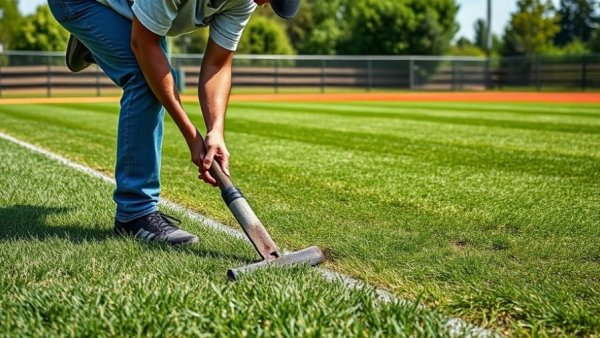
In How Pros Install Huge Rolls of Sod Fast!, the discussion dives into efficient sod laying techniques, showcasing innovative practices that sparked deeper analysis on our end.
The Evolution of Sod Installation Techniques
Historically, sod installation relied heavily on manual labor. Landscapers would roll out individual sections, often leading to inconsistent results and slow progress. With advancements in technology, however, the industry has seen a transformation in how sod is laid. In recent years, the introduction of machinery designed explicitly for sod installation has expedited the process enormously. These machines can cut, transport, and lay down large rolls of sod with remarkable efficiency, allowing for quicker project completion, less manpower, and reduced labor costs. Furthermore, this mechanization has made it possible for crews to cover greater areas in a fraction of the time previously required, making it financially viable to take on more extensive projects.
Understanding the Benefits of Efficient Sod Installation
The advantages of speedy sod installation extend beyond simply saving time. For landscape professionals, faster installation leads to increased capacity for taking on clients, ultimately resulting in greater profitability. Landscapers can manage larger team sizes efficiently, allowing them to meet deadlines without sacrificing quality. Additionally, quick sod laying reduces the time grass is exposed to environmental stressors, which can enhance the overall health of the lawn. A well-laid sod lawn establishes a lasting root system, providing a lush, green finish that increases property value. Homeowners and businesses alike are more likely to invest in professional installations when they understand the long-term benefits of high-quality sod application.
The Growth of Smart Tools in Lawn Care
Emerging technologies, especially smart tools, are rapidly changing the lawn care industry. From artificial intelligence that helps monitor lawn health to drones that provide aerial assessments of landscaping projects, these innovations are invaluable. They can inform operators on where to best install sod, ensuring the most effective coverage and reduced waste. For instance, AI-powered lawn care equipment can analyze soil conditions and micro-climates within a property, helping professionals make informed decisions. Moreover, the integration of data analytics allows landscapers to predict lawn growth patterns based on weather forecasts, ensuring optimal planting practices. This intelligence directly impacts how sod is installed, moving us closer to creating landscapes that not only look good but also contribute positively to the environment.
Future Trends in Landscape and Lawn Care
As we look ahead, the trends in landscape technology continue to evolve. Robotic sod layers and drones may one day become commonplace, taking nearly all physical labor out of the equation. Although these innovations promise efficiency, they also present new challenges in worker training and equipment management. Technologically advanced irrigation systems paired with sod installation can also result in healthier lawns, reducing long-term water consumption. For instance, systems equipped with moisture sensors can optimize watering schedules to ensure that freshly laid sod receives adequate moisture without overwatering, promoting healthier growth. Knowing where the industry is headed can equip landscape professionals to adapt and thrive amid rapid changes.
Counterarguments: The Balance Between Heritage and Innovation
While the efficiency of modern tools is most often celebrated, there are voices in the industry that caution against an overly mechanical approach to lawn installation. Some purists argue that there’s value in traditional methods that foster a connection between the landscaper and their work. They believe that by relying too much on technology, creators may lose the artistry involved in crafting a landscape. Furthermore, there’s a concern about over-dependence on machinery which may lead to job losses within the workforce. It's crucial for professionals to find a balance, merging the advantages of innovation with the dedication and personal touch of traditional artistry. This balance not only respects the history of landscaping but also fosters a sense of identity and connection in the work that maintenance crews perform every day.
Conclusion: Embracing Innovation While Preserving Craftsmanship
In summary, advancements in sod installation techniques and technology are revolutionizing the landscaping business. Professionals who adapt to these changes are finding themselves more efficient and effective, providing better service to clients in a competitive market. As the lawn care industry continues to evolve, it is essential for businesses to remain nimble and responsive to these innovations. For all landscape and lawn care professionals, it is crucial to stay informed on the tools and techniques that can streamline workflows while enhancing the beauty and functionality of their work. Chat with industry peers and share insights on these innovative practices—they can make a world of difference in how you manage projects! Furthermore, participating in professional development workshops and seminars can keep you at the forefront of industry trends, ensuring that you not only adopt new technologies but also explore how they can complement your existing expertise.






Write A Comment