

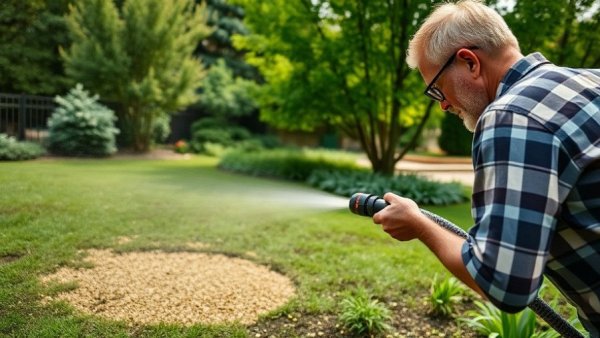
Understanding Hydroseeding: A Modern Solution for Lawn Care
As this year’s lawn care season ramps up, many professional landscapers are exploring effective methods to cultivate lush, green grass quickly. One such method gaining traction is hydroseeding. The question stands: does hydroseeding really work? In our exploration, we will uncover the mechanisms behind hydroseeding, its effectiveness, and insights into its implementation.
In 'The Truth About Hydroseeding: Does it Really Work?', the discussion dives into the unique benefits and challenges of hydroseeding, exploring key insights that sparked deeper analysis on our end.
The Science Behind Hydroseeding
Hydroseeding is a cost-effective and efficient way to establish grass, particularly in larger areas. This technique involves spraying a mixture of seeds, mulch, and a nutrient-rich solution onto the soil. The mulch protects seeds from erosion and encourages moisture retention, which is critical for germination. According to industry experts, the combination allows for faster growth and better establishment compared to traditional methods. The slurry not only facilitates seeding during difficult terrain conditions, like slopes or uneven ground, but also offers an even distribution that can help mitigate the risk of patchy or uneven growth.
Historical Context: The Shift from Traditional Methods
For decades, landscapers relied on traditional seeding and sod installation methods. However, advances in hydroseeding technology have changed the landscape of lawn establishment. By understanding the limitations of these traditional methods, such as weed competition and patchy growth, professionals have started adopting hydroseeding as a viable alternative, offering better coverage and less labor intensity. The evolution of the equipment and materials used in hydroseeding has streamlined the process, making it accessible for even small to medium-sized landscaping companies who wish to elevate their service offerings.
Cost-Effectiveness Explored: Why Choose Hydroseeding?
One significant advantage of hydroseeding is its cost-effectiveness. Traditional sod can range from $0.50 to $6.00 per square foot, depending on the grass type and local market conditions. In contrast, hydroseeding typically costs between $0.10 and $0.40 per square foot, allowing businesses to achieve greater margins. For landscaping professionals, this reduced cost opens avenues for increased service offerings and attractive pricing strategies. The initial investment for hydroseeding equipment can be offset by increased profits as businesses convert clients from more expensive sod options to effective hydroseeding services.
Challenges and Considerations in Hydroseeding
Despite its many benefits, hydroseeding is not without its challenges. Weather conditions can impact the success of the application. Ideally, hydroseeding should take place when temperatures are moderate; extreme heat can hinder seed germination. Moreover, heavy rainfall shortly after application can wash away the seed mixture before it has a chance to properly settle into the soil. Additionally, while hydroseeding boasts quicker results, the initial care for the new grass can be more demanding, requiring constant moisture and proper maintenance in the early stages. This means that landscape professionals might need to adjust their maintenance schedules to accommodate the unique needs of hydroseeded areas to ensure the grass becomes established successfully.
Real-World Success Stories: Landscape Professionals Weigh In
Many landscape professionals who have adopted hydroseeding report enhanced client satisfaction due to the rapid establishment of healthy lawns. For instance, one business owner shared that they transitioned to hydroseeding for commercial projects, achieving a 50% quicker turnaround for large jobs compared to traditional methods. This ability to operate efficiently translates to meeting client demands faster and further enhancing the business's reputation. Another company specializing in residential landscaping noted that their repeat business grew substantially as clients appreciated the quick transformation of their properties, leading to positive word-of-mouth and referrals.
Future Predictions: The Growing Popularity of Hydroseeding
As lawn care technology continues to evolve, experts predict that hydroseeding will become even more prevalent among professionals. With its environmentally friendly attributes and cost benefits—such as lower water usage and minimized soil disturbance—more landscapers will likely adopt this technique. This trend not only reflects technological advancements in the industry but also aligns with shifting consumer preferences toward sustainable practices. Additionally, as knowledge about the ecological benefits of well-established lawns spreads, consumers may increasingly demand services that utilize hydroseeding.
Making the Transition: Tips for Landscape Professionals
For those considering this method, starting small and understanding the application process is crucial. It would be beneficial to conduct trials on smaller properties to refine your technique. Additionally, collaborating with suppliers who provide high-quality seed blends and mulch can positively influence your results. Different regions may benefit from varying seed mixtures tailored to local climate and soil conditions, so it’s important to research the best options available. Using modern equipment designed for hydroseeding can also improve the efficiency and effectiveness of the process, as these tools can help ensure a consistent and thorough application. Training your team on the nuances of hydroseeding can also be a worthwhile investment that pays off through improved service quality.
Conclusion: The Implications of Embracing Hydroseeding
With its combination of cost-effectiveness, rapid establishment, and reduced labor demands, hydroseeding presents a valuable option to modernize landscaping and lawn care services. For professionals looking to enhance service offerings and grow their businesses, understanding the potential of hydroseeding can set them on a path to success. As this technique continues to take root in the industry, proactive adaptation will be essential for businesses aiming to thrive in a competitive market. The potential for innovation in other lawn care technologies may also arise as hydroseeding garners more attention and proves its effectiveness in various conditions.
If you are in the landscaping industry, consider experimenting with hydroseeding. It might just revolutionize how you approach lawn establishment and help you meet client expectations. Take the leap and explore this innovative service for yourself, and you may discover new growth opportunities for your business.






Write A Comment