Small Business Today
UPDATE
  • Home
  • Categories
    • Business Headlines
    • Small Business Trends
    • Automotive Industry News
    • Restaurant News
    • Dental Practice Marketing
    • Auto Repair Marketing
    • Roofing Contractor Marketing
    • Salon & Spa News
    • Lawn & Landscape Marketing
    • Plumbing & HVAC Contractor News
November 24.2026
4 Minutes Read

The Evolution of Barrett-Jackson: Transforming Car Auctions for Generations

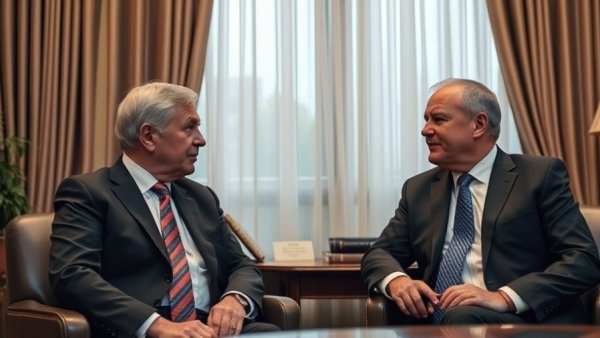
Two men discuss at a Barrett Jackson car auctions event.

Revving Up Passion: How Barrett-Jackson Transformed Car Auctions

In the world of car collecting, few names resonate as strongly as Barrett-Jackson. What began as a modest auction founded by Russ Jackson and Tom Barrett has evolved into a cultural phenomenon, capturing the hearts of car aficionados and casual fans alike. The driving force behind this transformation has been Craig Jackson, who has successfully bridged his family's legacy with modern technology and television, ultimately reshaping the automotive auction landscape.

In 'Behind the Wheel: From restoration shop to reality TV, building Barrett-Jackson's auction empire,' the discussion dives into the transformation of Barrett-Jackson, exploring key insights that sparked deeper analysis on our end.

Embracing Progress: Craig Jackson's Vision

Craig Jackson's journey with Barrett-Jackson started from an early age, working in his father’s restoration shop as what he affectionately termed “cheap labor.” His childhood experiences taught him the intricacies of the automotive business, paving the way for his innovative leadership when he took over in the post-1993 era. Following personal tragedies, including the loss of his father and brother, Craig faced the daunting task of revitalizing the family brand. Embracing change, he digitized operations as early as 1994, setting the stage for Barrett-Jackson’s future in the online marketplace.

His transformative vision became evident when re-evaluating auction processes. Craig advocated for no-reserve auctions, allowing for greater transparency while assuring sellers that their cars would be properly vetted by industry experts. With his leadership, Barrett-Jackson not only sold more cars but improved their overall quality, building trust within the collector community.

Television: The Game Changer

The introduction of televised auctions marked a pivotal moment in Barrett-Jackson’s trajectory. As Craig recalls, the realization that the excitement of the auction could be broadcasted wasn’t an easy sell. Yet, this leap—pushed forward by the launch of Speed Vision—allowed fans of various backgrounds to engage with the auction process, whether they intended to bid or simply enjoy the drama of car sales unfolding live.

The result? A lucrative partnership, increased visibility, and a revamped image of car auctions as a lively entertainment experience instead of a mere business transaction. Every two minutes, viewers were treated to new excitement, generating higher ratings and a dedicated audience. How did they do it? By delivering an authentic experience filled with moments of suspense, unexpected outcomes, and the genuine passion that comes with car collecting.

Catering to a New Generation

One of the most significant challenges—and opportunities—for Barrett-Jackson was attracting younger buyers. Craig's strategy incorporated leveraging technology and social media to tap into an evolving demographic, seamlessly integrating their passion for cars with new trends and interests. Today, collectors aren’t just enamored with classic muscle cars; there’s a growing demand for modern hypercars and 1980s Japanese vehicles, reshaping the auction landscape.

To foster interest from this new generation, Barrett-Jackson has introduced car shows and experiences tailored towards youthful preferences. By creating an inclusive environment that celebrates diverse automotive cultures, they have effectively broadened their customer base.

Engaging the Community: Charity Auctions and More

Integrated into Barrett-Jackson's ethos is the idea of giving back. Charity auctions have transformed into a vital aspect of the business, where bespoke cars attract the bidding of philanthropic collectors. Being able to combine a love for unique cars with meaningful contributions has resonated deeply with buyers, as seen when celebrity bidders catalyze interest and participation for worthy causes.

Craig's insight reveals that taps into the emotional connection people have with their vehicles, establishing a narrative that drives engagement and elevates charity auction experiences. It's about creating unique moments and the thrill of owning something truly special, whether for a collection or a cause.

Next Steps: Maintaining Relevance in a Changing Landscape

Looking toward the future, Barrett-Jackson continues to innovate, testing new waters while honoring its rich history. Engaging with customers through data insights allows for a refined approach—what works, what doesn't, and how to keep enthusiasm high for newcomers and seasoned collectors alike. Just as Craig’s father had to adapt his restoration business to remain relevant, Craig’s continued emphasis on customer experience ensures that Barrett-Jackson remains a hallmark in the automotive world.

So, what's next for Barrett-Jackson? As they navigate the complexities of evolving demographics and advancing technology, their commitment to authenticity and transparency will remain steadfast. With annual auctions that resemble a “Super Bowl” of car culture, the drive for excellence is invigorated, ensuring Barrett-Jackson's legacy continues to flourish.

To all automobile dealers looking to broaden their horizons and effectively target new audiences, consider reflecting on Barrett-Jackson's innovative journey. Getting involved in community initiatives, aligning with digital strategies, and fostering meaningful customer relationships can elevate your brand in a competitive market.

Don't miss out on the opportunity to shape the future of your automotive business. Emulate the spirit of Barrett-Jackson and adapt your strategies to meet the demands of today's customers.

Automotive Industry News

4 Views

0 Comments

Write A Comment

*
*
Please complete the captcha to submit your comment.
Related Posts All Posts
11.24.2026

Amazon Autos Transforms Dealer Onboarding: What Dealers Need to Know

Update Revolutionizing Dealer Onboarding: Amazon Autos’ Breakthrough In a bold move symbolizing significant progress for the automotive industry, Amazon Autos has drastically improved its dealer onboarding process, notably cutting the time required for dealerships to join its platform by more than 85%. This transformation comes at a crucial time when efficiency and customer satisfaction are paramount for dealerships aiming to thrive in today’s marketplace. Fan Jin, global general manager and director of Amazon Autos, revealed how this streamlined process empowers dealers and enhances customer experiences.In 'Nov. 24, 2026 | Amazon Autos’ Fan Jin talks faster dealer onboarding; Barrett-Jackson’s Craig Jac...', the discussion dives into the significant transformation of the dealer onboarding process at Amazon Autos, inspiring us to analyze its implications for automobile dealers. Understanding the Pain Points Prior to 2026 Before the overhaul, onboarding for large dealership groups was a cumbersome task. Many dealers reported spending an entire week engaging with the registration page, which was initially designed for standalone stores and smaller groups. Jin describes the previous system as "painful," underscoring a prevalent challenge for dealers looking to leverage Amazon’s extensive customer base. An easy-to-navigate onboarding system was a significant request from dealers since they sought a platform that not only matched their operational needs but also enhanced the customer’s shopping experience. This previous inefficiency had limited dealer participation and, correspondingly, customer accessibility to various automotive brands. Transitioning to a New Era: Introducing Improved Dealer Sign-Up To remedy these challenges, Amazon Autos has introduced a separate sign-up process specifically designed for dealership groups. This change has already shown promising results—Jin noted that onboarding is now eight times faster than before. The goal is clear: to ensure that local dealers can easily reach customers while expanding the variety of vehicles available for purchase. Expanding rapidly, Amazon Autos now features over 35 automotive brands, showcasing a diverse array of offerings from new to certified pre-owned vehicles. The platform’s growth mirrors a shifting landscape in consumer preferences, with many shoppers desiring more online interaction in the purchasing process yet still valuing the traditional dealership experience. The Future of Dealer Participation: Expectations for 2026 As we approach the end of 2026, expectations for Amazon Autos are high. The platform continues to gather interest from dealers eager to join. Jin states that there are even more dealers interested in onboarding now than the number currently live on the platform. This robust pipeline indicates a promising trend for the future. By emphasizing a metro-by-metro approach for local dealer onboarding, Amazon Autos is keen on maintaining relationships with regional businesses. This localized strategy is crucial as they aim to bolster dealer participation while promoting customer awareness through targeted marketing campaigns. Aligning Technology and Customer Expectations: Insights from Fan Jin Fan Jin is poised to enhance the online shopping experience further by integrating comparison shopping tools and fostering digital interactions between customers and dealers. Such technology aims to bridge the gap between online convenience and on-ground validation—a crucial balance dealers need to thrive. Jin highlights the importance of enabling customers to schedule test drives and access e-contracting features online. As he describes it, “The vast majority of customers want to do more online.” This sentiment reflects a growing expectation for seamless interactions across platforms, which both customers and dealers desire. Harnessing Dealer Flexibility and Customer Transparency The potential for customization is another talking point for Amazon Autos. Jin notes that rather than providing a standardized list of services and products, dealers can now present their preferred options to customers. This flexibility is not just beneficial but essential for dealers who have built longstanding relationships with various service providers and preferred solutions. This approach fosters an environment of transparency, empowering customers while reaffirming the individuality of each dealership. According to Jin, this means that as customers browse, they can appreciate what each dealer uniquely offers—enhancing their overall car buying experience. Real-World Implications: A Transformative Change in the Auto Industry The shift in the onboarding process and the encompassing strategies by Amazon Autos represent more than just technical improvements; they indicate a vital evolution in the automotive industry's operational landscape. In a world where digital presence increasingly dictates market success, dealerships must adapt, innovate, and use new technologies effectively. Dealers looking to capitalize on these changes should focus on gradual implementation of digital tools and leverage Amazon’s platform to connect with a broader customer base. The landscape ahead is not merely about surviving; it is about thriving through meaningful engagement and technological agility. The Road Ahead: Call to Action for Dealers As the automotive industry edges closer to digital transformation, dealers must seize the opportunity presented by Amazon Autos’ advancements. With onboarding times dramatically reduced and a growing marketplace, the time to engage is now. Delve into the new capabilities of Amazon Autos and explore how they can elevate your dealership’s reach and efficiency. Dealers are encouraged to embrace these changes and to continue providing exceptional customer experiences. By taking steps now to onboard with Amazon, your dealership can take advantage of the online shopping surge and drive greater sales for years to come.

11.23.2026

How Katie Bowman Coleman Blends Fashion Insights with Automotive Retail

Update Unveiling Innovations: The Fusion of Fashion and Automotive Retail In the ever-evolving landscape of automotive retail, the intersection of diverse backgrounds is shaping the future of the industry. Katie Bowman Coleman, with her rich history in fashion, brings a refreshing perspective to the world of auto sales. Her candid insights highlight how concepts from the fashion world can revolutionize the way cars are sold. Coleman believes that understanding consumer preferences is key and that, much like fashion, the automotive industry must be adaptable and imaginative to stay relevant. This adaptability is more than just reacting to trends; it's about anticipating them, which requires a keen sense of what consumers want before they even realize it themselves.In the video 'Retail on the Record: Katie Bowman Coleman on EVs and bringing her fashion background to auto retail', the conversation explores how Coleman's unique experience can reshape dealership strategies amid an evolving automotive market. The Role of Electric Vehicles in Tomorrow's Market As more consumers gravitate towards electric vehicles (EVs), Coleman stresses the importance of staying abreast of market trends. The shift to electric is not merely a fad; it is a response to climate change and consumer demand for sustainable solutions. Dealerships must embrace this transformation, integrating EVs into their inventories while educating both staff and customers on their benefits. Coleman points out that training sales staff about EV technology and sustainability practices can enhance customer trust, making them feel more confident in their purchase decisions. With more manufacturers committing to electric options and governments providing incentives for their adoption, now is the ideal time for dealers to reposition themselves as leaders in the EV market. The Human Touch: Building Relationships in a Digital Age In a world increasingly dominated by technology, the importance of personal relationships cannot be overstated. Coleman emphasizes that, while online transactions simplify car buying, the human element remains crucial. Customers crave trust and connection, which dealerships can cultivate by investing in customer service training that empowers employees to engage authentically. Notably, research shows that consumers are more likely to return to a dealership where they had a positive experience, regardless of price. This commitment to relationship-building can set successful dealerships apart in a competitive market where online options abound. Data-Driven Insights: The New Frontier Embracing technology is not just about having the latest gadgets; it’s about leveraging data to inform decisions. With advanced analytics, dealerships can gain insights into consumer behavior, enabling tailored marketing strategies. Coleman suggests that understanding which features resonate with customers can lead to better sales outcomes. By aligning inventory with consumer interests, dealerships can enhance their performance significantly. This data also allows for targeted advertising strategies that speak directly to potential buyers. Moreover, utilizing customer feedback can refine product offerings and marketing campaigns, creating an agile response to shifting market dynamics. The Fashion of Sales: Presentation Matters Much like a well-curated fashion show, the presentation of vehicles at a dealership can make a profound difference in attracting potential buyers. Coleman draws parallels between visual merchandising in retail and how cars are displayed. She advocates for creating immersive spaces where customers can envision themselves in their potential purchase. Strategic placement of vehicles, along with thoughtfully designed showrooms that provide customers with comfortable environments, can elevate the buying experience. Enhancements such as interactive displays, virtual reality showrooms, and engaging signage can transform mundane car-buying into an exciting adventure. What's Next? Preparing for the Future Looking ahead, Coleman believes the automotive industry must remain agile and receptive to change. As consumer preferences shift towards sustainability, technology, and transparency, so too must the strategies employed by dealerships. Training staff to adapt quickly—especially concerning new technologies like EVs—can position retailers as leaders in a transforming market. Furthermore, fostering a culture of continuous learning can vastly enhance employee confidence, ultimately benefiting customer interactions. Encouraging employees to share their insights and experiences can create an environment of innovation where everyone contributes to improving the sales process. Conclusion: Embracing Change to Thrive In today's rapidly changing automotive landscape, the insights from Katie Bowman Coleman remind us that success hinges on adaptability. Her background in fashion may seem distant from the auto industry at first glance, but it provides valuable lessons on consumer engagement, presentation, and relationship-building. As dealerships embrace the rise of EVs and the need for strong customer connections, they position themselves not just to survive but to thrive. This evolution calls for a reevaluation of traditional sales tactics and encourages dealers to innovate creatively while staying true to their core values. The automotive industry is at a crossroads, and now is the time for dealers to embrace innovative strategies that drive success. By incorporating Coleman's experiences and insights into everyday practices, dealerships can transform their approach to meet the challenges of tomorrow. It is these forward-thinking strategies that will ensure they not only adapt to current trends but also lead the way in shaping the future of automotive retail.

11.23.2026

Nvidia's CEO Reinstatement and the Legal Implications of AI in Automotive

Update The Return of Jensen Huang: A Controversial Comeback On November 23, 2026, Nvidia ignited headlines with the reinstatement of Jensen Huang as CEO, just days after his controversial resignation. The tech leader's departure was marred by personal scandal and allegations involving a possible espionage link with China, which prompted initial concern over national security. Interestingly, despite the serious charges, the company, following a review, expressed confidence in Huang's return. For the automotive industry, his elevation back to the helm of one of the world’s leading tech firms poses intriguing questions about AI’s future in vehicle development and its legal ramifications.In 'Nov. 23, 2026 | Nvidia reinstates Jensen Huang as CEO; legal pitfalls of AI,' the discussion dives into Jensen Huang's return amid scandals and highlights the diverse implications of AI in the automotive sector. AI in Automotive: Innovation Meets Legal Risk The automotive industry is experiencing a technological revolution as companies increasingly adopt artificial intelligence (AI) to enhance vehicle design, production, and marketing strategies. Kellen Walker, in his recent feature, highlighted that nearly all automakers are leveraging AI capabilities to not just accelerate manufacturing but also to create innovative driver experiences through advanced infotainment systems. Automakers are using AI to optimize their manufacturing processes, enabling them to produce more reliable and efficient vehicles. However, with these advancements come important legal considerations. According to Jennifer Dukarski, an expert in emerging automotive technology, the integration of AI into marketing materials is particularly fraught with legal vulnerabilities. Cases of misleading advertising have emerged, threatening companies engaged in developing AI-generated promotional content. Automakers need to ensure the accuracy of AI-generated images and context, or face potential legal consequences. This is particularly relevant as consumers increasingly rely on visual marketing to make purchasing decisions. Understanding the Implications of Deceptive Advertising The Federal Trade Commission (FTC) strictly prohibits deceptive advertising, which can inadvertently arise through the use of AI if the information presented is not wholly accurate. This situation raises crucial concerns for automakers and dealers about what constitutes deceptive advertising in the digital age. Consumers have reported expectations shaped by stunning promotional materials generated by AI, only to discover these products are not as depicted. This disconnect can lead to accusations of false advertising, particularly if a consumer has made a significant purchase based on an over-promised advertisement. Moreover, recent discussions have brought forward the notion that deceptive advertising goes beyond blatant dishonesty, to include stating features without adequate clarity on limitations, misleading consumers about what can be reasonably expected. For instance, if a vehicle is advertised as having advanced autonomous capabilities, but those features are limited to specific conditions, customers may feel misled if these limitations are not clearly communicated. The Legal Landscape: State vs. Federal Regulations In the evolving legal landscape, state-specific regulations are also surfacing to adapt to the challenges posed by AI in advertising. For example, New York State's recently enacted law demands that companies disclose AI-generated human likenesses in advertisements. Companies that fail to make these disclosures may face substantial fines, exemplifying a growing trend toward holding businesses accountable for their AI practices. Such regulations may soon spread to other states, prompting a wave of compliance efforts among manufacturers and dealers alike. Moreover, the recent case in New Jersey, where automakers are suing the state over warranty reimbursement laws, highlights the profound impact that regulatory changes can have on the automotive industry’s financial health. The legal battles unfolding in different states showcase the urgency for automotive businesses to not only advocate for their interests but to also have a firm grasp of the local and federal legal frameworks guiding their operations. Balancing Innovation with Legal Vigilance Auto dealers and manufacturers must now strike a balance between embracing AI as a transformative tool in an industry steeped in tradition, and navigating the complex legal frameworks that accompany its adoption. The potential for AI to increase productivity and enhance customer experiences is profound, yet stakeholders must tread carefully to avoid legal pitfalls. Failing to uphold legal standards can result in hefty fines and damage to a company's reputation. As the automotive sector advances, the legal implications surrounding AI usage will continue to resonate across various market segments. Automakers are advised to invest in legal resources that focus specifically on the intersection of AI functionality and consumer law to mitigate risks as they embrace this technology. Collaboration between automakers and legal advisors can ensure that innovative practices are aligned with industry laws and regulations. A Future of Innovation and Accountability The ongoing dialogue around AI's role in the automotive industry presents an opportunity for professionals, including automobile dealers, to re-evaluate their approach toward digital marketing and customer engagement. Emphasizing transparency and accountability in advertising not only fortifies trust with consumers but also solidifies brands against legal scrutiny. Dealers especially need to tread carefully, as the integration of AI can significantly alter customer experiences and expectations. Take Action and Stay Informed In light of these developments, auto dealers must prioritize staying informed about both technological advancements and the regulatory landscape surrounding AI. Engaging with legal experts and adapting marketing strategies to ensure compliance can notably safeguard against pitfalls as the industry evolves. This proactive approach can be a significant advantage in a competitive market. Consider incorporating well-defined operational procedures in your dealerships to navigate the challenges presented by AI, ensuring your promotional content is both innovative and compliant with established regulations. Keeping abreast of technological trends and regulatory requirements can empower dealers to harness AI’s full potential while minimizing risk. The intersection of AI and the automotive industry is unfolding, and those who proactively seek to understand its implications will be best positioned in the market. Ultimately, the balance between innovation and legality will define the future landscape for automotive businesses. By prioritizing ethical practices in AI utilization and marketing, the industry can lead the way in responsible technological integration.

cropper
update

Small Business Today

cropper
update

Write a small description of your business and the core features and benefits of your products.

  • Small Business Today
    update
  • Small Business Today
    update
  • update
  • Small Business Today
    update
  • Small Business Today
    update
  • Small Business Today
    update
  • Small Business Today
    update

COMPANY

  • Privacy Policy
  • Terms of Use
  • Advertise
  • Contact Us
  • Menu 5
  • Menu 6

(508)344-5927

AVAILABLE FROM 8AM - 5PM

City, State

, ,

ABOUT US

Write a small description of your business and the core features and benefits of your products.

© 2026 CompanyName All Rights Reserved. Address . Contact Us . Terms of Service . Privacy Policy

Terms of Service

Privacy Policy

Core Modal Title

Sorry, no results found

You Might Find These Articles Interesting

T
Please Check Your Email
We Will Be Following Up Shortly
*
*
*