Small Business Today
UPDATE
  • Home
  • Categories
    • Business Headlines
    • Small Business Trends
    • Automotive Industry News
    • Restaurant News
    • Dental Practice Marketing
    • Auto Repair Marketing
    • Roofing Contractor Marketing
    • Salon & Spa News
    • Lawn & Landscape Marketing
    • Plumbing & HVAC Contractor News
November 24.2026
5 Minutes Read

Transform Your Restaurant with Insights from Grubhub and Wonder

Grubhub and Wonder collaboration podcast cover with red and yellow theme

How Grubhub and Wonder Are Changing the Restaurant Landscape

In a world where convenience often reigns supreme, the partnership between Wonder and Grubhub has emerged as a game-changing model for restaurateurs and food enthusiasts alike. This dynamic duo aims to redefine how we access delicious meals in a rapidly evolving marketplace. Specifically designed to cater to busy lifestyles, this collaboration brings food directly to consumers' doors, showcasing the importance of leveraging technology in the culinary world.

In the video 'Wonder and Grubhub, Cinnabon Swirl, Cici’s Franchisee,' the discussion dives into the innovative partnership shaping the restaurant industry, providing key insights that sparked deeper analysis on our end.

As consumers increasingly rely on delivery options, particularly during the pandemic, the synergy between Grubhub, known for its extensive reach, and Wonder, a pioneer of food delivery kitchens, provides a practical solution. This partnership allows consumers to enjoy restaurant-quality food from the comfort of their homes, simplifying decision-making for busy individuals and families. For restaurateurs, adapting to this model can mean expanding their market share and improving order volumes.

The Rise of Cinnabon Swirl: A Case Study in Flavor Innovation

One standout item that has gained attention is the Cinnabon Swirl. This dessert encapsulates the ideal blend of familiarity and novelty, catering to a wide audience while drawing on nostalgic flavors. By keeping their offerings fresh and enticing, brands like Cinnabon and franchises such as CiCi’s have demonstrated the importance of flavor innovation. Restaurant owners should take note: continually reimagining menu items can lead to increased foot traffic and customer loyalty.

The popularity of the Cinnabon Swirl showcases how leveraging nostalgic elements can create strong emotional connections between the food and consumers. By incorporating flavors that evoke childhood memories or cultural significance, restaurants not only appeal to taste preferences but also establish a narrative that resonates on a personal level with diners. This can encourage repeat visits and foster brand affinity.

Franchise Insights: Navigating the World of Franchises as a Restaurateur

The evolution of franchises in the food industry presents unique challenges and opportunities. Franchisees of chains like CiCi’s need to ensure that their menus resonate with local tastes while adhering to the overarching brand identity. This balancing act is vital for sustaining growth and maintaining strong customer relationships. A focus on local engagement, in combination with support from the franchisor, can significantly enhance franchise success.

For franchisees, understanding the demographic and dining preferences of their target audience is essential. Conducting regular market research and engaging with the community can provide valuable insights into evolving consumer tastes, which can then inform menu adaptations or promotional campaigns. Additionally, leveraging the support of corporate marketing initiatives can amplify their outreach and improve brand visibility in the local market.

Harnessing Social Media for Restaurant Growth

In an age where social media plays a vital role in business marketing, harnessing these platforms can give restaurants a considerable edge. Influencer partnerships, customer engagement, and direct advertising on platforms like Instagram and Facebook can significantly boost visibility. Therefore, it is essential for restaurateurs to incorporate a strong social media strategy in their business models to connect with their target customers effectively.

By creating visually appealing content, such as high-quality images of signature dishes or behind-the-scenes videos showing the preparation of meals, restaurants can effectively showcase their offerings. Additionally, encouraging customers to share their dining experiences online helps generate organic buzz, which can lead to further engagement and new customer acquisition. Timely responses to customer feedback, both positive and negative, show that a restaurant values its patrons, fostering loyalty and community trust.

Future Predictions: The Sustainability Trend in Food Service

The restaurant industry's future is increasingly leaning towards sustainability. More consumers now favor businesses that prioritize eco-friendly practices and responsible sourcing. As a result, incorporating sustainable items and practices into restaurant operations not only serves ethical purposes but can also attract a broader customer base. Forward-thinking restaurateurs should focus on integrating these values into their menu and operations.

From sourcing ingredients from local farms to adopting biodegradable packaging, every small effort can make a significant difference in promoting sustainability. Engaging customers in these initiatives, whether through educational campaigns or transparent sourcing practices, can enhance brand loyalty and position the restaurant as a leader in ethical dining. A growing segment of consumers is willing to support businesses that align with their values, making this trend a lucrative business opportunity.

Actions for Restaurateurs: Best Practices in a Competitive Market

Understanding the competitive landscape is crucial for success in the restaurant industry. Here are actionable insights for restaurateurs looking to thrive in this environment:

  • Embrace Technology: Utilize platforms like Grubhub to reach more customers and streamline operations.
  • Innovate Menus: Regularly refresh your offerings to keep the menu exciting and relevant.
  • Engage with Customers: Use social media to foster a sense of community and gain valuable feedback.
  • Focus on Sustainability: Adopt eco-friendly practices to appeal to a growing market of conscious consumers.
  • Local Collaborations: Partner with nearby businesses for promotions and events that enrich the community and your brand image.

Building a Collaborative Culture in Your Restaurant

Restaurants should not only focus on their immediate customers but also build relationships with local suppliers, businesses, and the community. Collaborations can lead to joint promotions, events, or seasonal offerings that bring new customers through the doors. Engaging locally fosters a sense of belonging and can translate into customer loyalty.

By hosting community events, or participating in local farmers' markets, restaurants can not only promote their brand but also reinforce their commitment to the local economy. Such initiatives create a network of mutual support and encourage community members to prioritize local dining options over chain establishments, boosting overall profitability.

The Emotional Appeal of Food: Fostering Connection

Food has a profound ability to connect people. Taking time to understand the cultural significance of various flavors and ingredients can deepen your customers' experience at your restaurant. By incorporating storytelling into your menu—highlighting the origins of dishes or their personal significance—restaurateurs can create a memorable dining experience that resonates on an emotional level.

Creating a narrative around each dish can invoke curiosity and conversation among diners, facilitating a deeper connection with the brand. Customers are more likely to remember and return to restaurants that provide them not only with excellent foods but also rich stories that engage their senses and emotions.

Conclusion: Taking Action in a Changing Industry

As the restaurant landscape continues to evolve, it's vital for restaurateurs to adapt and innovate. Exploring partnerships like those between Grubhub and Wonder while focusing on flavor innovation, sustainability, and social media engagement can set the stage for lasting success. By applying these insights and remaining adaptable, you can thrive in a competitive industry. Now is the time to take action and steer your restaurant toward a prosperous future.

Restaurant News

6 Views

0 Comments

Write A Comment

*
*
Please complete the captcha to submit your comment.
Related Posts All Posts
11.24.2026

Cracker Barrel's Year-Round Strategy: Planning for Holiday Hospitality Success

Update Cracker Barrel's Year-Round Holiday PlanningAs the holiday rush approaches, Cracker Barrel has positioned itself as a go-to destination for those looking to enjoy seasonal comfort food. Doug Hisel, the company's Senior Vice President of Operations, emphasizes that Thanksgiving is the brand's "Super Bowl," highlighting the critical importance of this season for both guest engagement and business performance. Planning for the holidays is no short-term endeavor; Cracker Barrel begins its preparations the moment the current holiday wraps up, continuously analyzing guest and employee feedback to refine its offerings for the next year. This strategic foresight not only involves menu evaluations to bring seasonal favorites back but also entails exploring new options that resonate with guests, such as the recently introduced Cinnamon Swirl Pancakes.Coordination is Key During Peak SeasonsEffective holiday planning at Cracker Barrel isn't just a matter of menu selection; it entails a high level of coordination across various departments. From supply chain management to culinary planning and marketing strategies, each side plays a critical role in ensuring a smooth operational flow during the Thanksgiving rush. Hisel notes, "We accept pre-orders for our Heat & Serve platform, which streamlines our supply and staffing processes, allowing us to operate more efficiently during peak times." Beyond foundational logistics, Cracker Barrel has implemented micro-learning sessions for their restaurant staff, enabling them to absorb essential skills and procedures naturally during shifts, even during busy periods. This investment in staff training not only enhances operational efficiency but also builds team morale, ensuring that employees feel equipped to handle the increased demands of the season.On-Premise vs. Off-Premise ExperienceUnderstanding the differences between on-premise and off-premise hospitality is essential for meeting varied consumer needs. While the core focus remains on delivering high-quality, scratch-cooked meals with a touch of country hospitality, the tactics differ. For on-premise dining, creating a familiar, warm atmosphere is key to retaining loyal guests. Many diners seek a cozy environment where families and friends can gather, sharing the joy of the holiday together over a meal. Meanwhile, off-premise solutions—including catering, To-Go orders, and third-party delivery—demand a heightened emphasis on accuracy and quality. Catering emerged as a vital segment for Cracker Barrel, particularly after the pandemic reshaped consumer behaviors. Initially launched for peak holiday occasions, catering has evolved into a substantial year-round extension of their services, adapting to reflect what customers love most. With increasing demand for holiday catering services, Cracker Barrel’s ability to pivot and evolve its offerings showcases its responsiveness to emerging market trends.The Importance of Accuracy in Off-Premise DiningHisel points out the significant difference in operations when it comes to off-premise orders: "There is one opportunity to get it right. When guests receive their delivery, it must match their expectations for quality and accuracy." Compared to on-premise dining, where restaurants can interact directly with customers to enhance the experience, the off-premise model requires strict attention to detail from the moment the food leaves the kitchen. This commitment ensures that both dining experiences align in quality, showcasing Cracker Barrel's dedication to maintaining its reputation for excellent hospitality. By meticulously preparing off-premise orders, they seek to replicate the experience of dining in the restaurant, bridging the gap for customers who choose to enjoy their meals at home. Accurate execution in off-premise operations allows guests to feel the same level of care and comfort as they would when dining at a Cracker Barrel location.Preparing for High Guest VolumeAs the holidays draw near, the stakes become even higher for restaurants, particularly those with an established holiday tradition like Cracker Barrel. Balancing the increased guest volume requires precise management, particularly when considering the demands of varying customer preferences, from dine-in guests to catering orders. Hisel stresses that during the holidays, "the margin for error gets smaller," highlighting the necessity for restaurants to be particularly vigilant in their operations. Each department needs to be finely tuned to meet the bustling demands of the season, ensuring a seamless experience for all guests, regardless of how they choose to dine. Effective communication among teams becomes essential, fostering a cohesive approach that allows for quick adjustments when unexpected challenges arise. Managers must be prepared to swiftly resolve any issues that may occur, while staff must remain focused and adaptable to meet customer expectations amid the holiday rush.Strategic Takeaways for RestauranteursFor restaurant owners and operators preparing for the holiday season, there are strategic takeaways that can enhance their operational readiness. First, year-round planning and feedback analysis are crucial for refining menu offerings and improving service. Establishing a consistent dialogue with both employees and guests can yield valuable insights that shape a successful holiday strategy. Secondly, investing in staff training and operational efficiency, such as implementing micro-learning sessions, can significantly enhance service quality during peak times. Additionally, considering off-premise dining options and catering services can expand revenue opportunities, making it essential to ensure both logistics and staff training are in place. Finally, embracing flexibility in operations prepares restaurants to adapt to the unpredictable nature of holiday rushes, ultimately leading to improved customer satisfaction and loyalty.In conclusion, as Cracker Barrel demonstrates, proactive holiday planning is fundamental for successfully navigating the festive season. Restaurants can take cues from the company's comprehensive approach to create memorable experiences that keep guests returning year after year.

11.23.2026

Explore the Buzz: Wendy's Peppermint Brownie Frosty and Its Marketing Magic

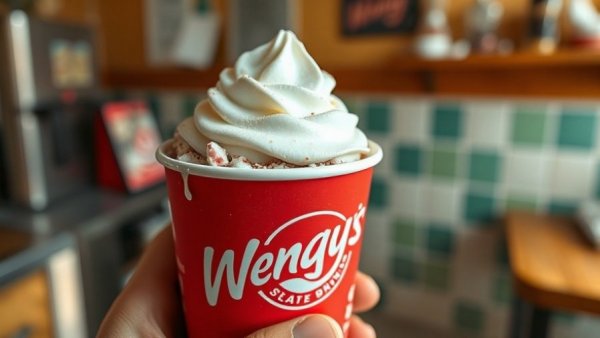
Update Minty Delight: Wendy's Seasonal Treat Takes Center Stage As the holiday season approaches, businesses in the food and beverage industry are gearing up for an increase in festive sales. One recent addition to the fast-food scene is Wendy's new Peppermint Brownie Frosty, which taps into the seasonal flavors that customers crave this time of year. Featuring a delightful mix of mint and chocolate, this dessert is not just for sweet-toothed customers, but also serves as an intriguing case study for restaurateurs seeking to innovate their seasonal menus.In 'Mint + chocolate for the holidays! ?? Wendy’s new Peppermint Brownie Frosty!' the discussion dives into a festive dessert that sparked key insights on seasonal marketing strategies. Understanding Customer Preferences Through Seasonal Flavors Seasonal offerings, like the Peppermint Brownie Frosty, are key in driving customer engagement during particularly festive periods. By incorporating flavors that evoke nostalgia and holiday cheer, brands like Wendy's not only satisfy their customers' cravings but also accomplish a crucial marketing tactic—creating a sense of urgency. Customers feel compelled to try limited-time items, which can significantly boost sales. For restaurateurs, understanding seasonal flavor trends can help them diversify their menu and attract repeat customers, eager to revisit those familiar tastes. This year, the Peppermint Brownie Frosty is especially relevant as consumers express a strong preference for unique holiday experiences, indicating that nostalgic flavors combined with a modern twist resonate well in today’s market. The Power of Social Media in Food Marketing In the age of social media, the visibility of seasonal items can make or break a product’s success. Wendy's, with its sharp marketing strategy, has leveraged platforms like Instagram and TikTok to create buzz around its Peppermint Brownie Frosty. Visual content showcasing the vibrant colors of the dessert evokes appetites and draws customers in. For restaurateurs, maintaining an engaging online presence is essential; sharing visually appealing images and creating trends around seasonal dishes can lead to heightened awareness and customer interest. Moreover, social media allows for direct interaction with customers, enabling businesses to receive real-time feedback on seasonal offerings. The ability to smoothly integrate user-generated content into marketing strategies can further enhance customer loyalty—seeing a friend's review or photo can often be more persuasive than traditional advertising methods. Learning from Wendy’s Marketing Strategy: How to Stand Out As businesses prepare for the holiday rush, it’s beneficial to examine Wendy’s marketing approach with the Peppermint Brownie Frosty. The brand utilizes a mix of humor, community engagement, and seasonal engagement tactics that resonate with a diverse audience. Returning to the basics of good menu design—showcasing new flavors, highlighting local ingredients, and emphasizing the season's festive themes—can stimulate interest and customer loyalty. Restaurateurs should consider incorporating events or limited-time themed promotions to complement seasonal menu items. For instance, launching a ‘Frosty Happy Hour’ during the holidays, where customers can enjoy discounted prices on the Peppermint Brownie Frosty, could enhance sales and draw in families looking for festive outings. This kind of community engagement not only boosts sales but also fosters a sense of belonging among consumers. What Seasonal Menu Changes Mean for Restaurants For many restaurants, introducing new dishes based on seasonal themes can lead to a larger conversation about innovation and customer choice. Wendy's decision to launch the Peppermint Brownie Frosty reflects a broader industry trend where businesses aim to surprise and delight customers. By being receptive to changing tastes and embracing seasonal ingredients, restaurateurs can craft experiences that drive foot traffic and online engagement. Furthermore, the introduction of new seasonal desserts or appetizers can encourage customers to explore the menu more thoroughly, increasing the likelihood of trying multiple items during a visit. Riding the coattails of successful seasonal items can lead to cross-promotion opportunities, where diners may want to pair their dessert with a matching seasonal beverage or entrée. Future Predictions: Seasonal Flavors Beyond the Holidays Looking ahead, the use of seasonal flavors during various holidays could predict a larger trend in food service. As diners seek unique experiences, the demand for limited-time menu items—like savory pumpkin dishes in the fall or refreshing berry desserts in summer—may become standard operating procedure. Establishments should look to build on the sense of excitement each season brings. Emerging culinary trends also demonstrate a shift towards sustainability and local sourcing. Restaurants may enhance their seasonal menus not only by selecting popular flavors but also by promoting local farms and artisanal producers, which creates a community-focused narrative that appeals to environmentally conscious consumers. Final Thoughts: Reimagining the Holiday Menu Wendy's Peppermint Brownie Frosty serves as an exciting example for restaurateurs who want to spice up their holiday offerings. For those in the industry, engaging with customers through the lens of nostalgia, seasonal ingredients, and social media can create a recipe for success. As the holiday season approaches, consider the implications of introducing exciting flavor pairings like mint and chocolate into your offerings to keep your establishment thriving. Ultimately, the key to successful seasonal menu changes lies in understanding your customer base and being willing to adapt to their preferences. Keeping an eye on trends like limited-time offerings and flavor innovation can help restaurants maintain customer interest while fostering a joyous holiday spirit.

11.23.2026

Key Insights from DoorDash, Red Robin, and California Franchise Policy Changes

Update Understanding DoorDash's Response to Pricing Issues As the restaurant industry evolves, DoorDash finds itself navigating a complex market landscape, particularly in light of consumer concerns about pricing transparency. Recently, the company addressed an inquiry by the Federal Trade Commission (FTC) focusing on surveillance pricing, a controversial tactic where prices fluctuate based on consumer data. This inquiry reflects broader concerns about fairness in digital marketplace practices, prompting DoorDash to clearly communicate its policies. The company firmly stated that it does not utilize such practices. Instead, it focuses on providing a customer-centric approach where while they may offer special pricing for frequent orders, this would not translate to higher prices based on consumer profiles.In 'DoorDash, Red Robin and California franchise regulation,' the discussion dives into pivotal industry changes, exploring key insights that sparked deeper analysis on our end. This commitment to transparency is crucial for maintaining customer trust in an increasingly competitive environment. As consumers grow more aware of potential exploitation through personalized pricing, DoorDash's clear communication helps fortify its relationship with users. It sets an important precedent for other delivery services that also find themselves under scrutiny, ensuring that they remain accountable. Red Robin's Franchise Turnaround Strategy In light of recent financial statements, Red Robin is adapting its model by increasing its franchised restaurants. The transition toward franchising is not just about expanding its reach or increasing its revenue streams; it also involves deep structural changes to ensure long-term sustainability. Although overall revenue has dipped by 12%, the company reported a 3.9% rise in same-store sales—the best in over three years—an encouraging sign for investors. Selling more than 100 locations to franchisees allows Red Robin to pay down debt, hence stabilizing its financial situation. This pivot reflects a broader trend where companies must balance direct ownership and franchising to achieve long-term operational health. As Red Robin enhances its franchising model, it also serves as a compelling case study for other restaurant chains facing similar dilemmas, illustrating how strategic re-organization can yield positive results even in challenging market conditions. With the fluctuating economic landscape, companies like Red Robin demonstrate that innovation and adaptability are vital components for success. California's Stricter Franchise Regulations: A Necessary Change? California is stepping up its regulation of franchises, as evidenced by its Department of Financial Protection and Innovation's recent guidelines. These aim to protect franchisees from potentially predatory practices, such as undisclosed fees and clauses limiting franchisees' communication with the government. The regulations, enforcing transparency and fairness, come at a time when many franchisees feel vulnerable against larger brands that might impose unfair practices or hidden costs. While these regulations may serve to level the playing field, they also pose challenges for franchisors concerned about their operational flexibility. This situation underscores the ongoing tension between business growth and regulatory compliance, highlighting the need for franchisors to carefully navigate these changes. For restaurateurs thinking about entering the franchise model, understanding these regulations becomes crucial. Franchisors need to balance profitability with ethical obligations toward their franchisees, ensuring both parties can thrive. The Rise and Fall of Sweet Chick: Insights into Competition Sweet Chick’s recent closures signify the harsh realities of running a restaurant chain amidst fierce competition. Despite its popularity for chicken and waffles, the New York-based chain shuttered its doors after 14 years. The rapidly evolving food landscape, influenced by new entrants and shifting consumer preferences, can quickly impact well-established brands. This development serves as a cautionary tale for restaurateurs; adaptability and market awareness are vital in the restaurant industry. Operators can draw lessons from Sweet Chick's experience to anticipate market changes, whether that’s refining their menus to align with current trends or enhancing their brand stories to keep consumers engaged. Additionally, the closure stresses the importance of careful financial planning; even beloved brands can falter without robust business strategies in place. For those in the industry, such insights underscore the ongoing need for both innovation and resilience. Changing Expectations for Holiday Party Bookings With the holiday season approaching, restaurant owners are adjusting strategies to meet evolving consumer expectations for event planning. Recent insights suggest that while holiday budgets remain stable, clients are now on the lookout for experiences that offer better returns on their investment. Interactive stations for food and drinks are becoming increasingly popular, turning traditional sit-down dinners into shared experiences. By making such adjustments, restaurants can enhance their appeal and foster lasting connections with clients during peak seasons. Creative presentations, particularly in engaging settings like thematic décor or specialized drink concoctions, can significantly enhance guest enjoyment. Moreover, family-style dining formats not only facilitate conversation but also align with current trends toward community-oriented dining experiences. Lessons from Taco Bell’s Strategic Promotions Taco Bell's recent initiatives, including the return of fan-favorite items like the Steakhouse Boss Burrito and Queserito, highlight a successful marketing strategy focused on nostalgia and consumer engagement. Promotions tied to events, such as the inaugural Libas Open golf tournament and the interactive rollout of limited-time offerings, engage existing customers while attracting new ones. Such strategies not only reinforce brand loyalty but also remind customers of their previous positive experiences. Restaurants can learn from how Taco Bell fosters a sense of community and excitement around its products, ensuring that their brand remains fresh and relevant in a fast-paced industry. Implementing similar promotional tactics allows operators to keep menus exciting and retain customer interest, leveraging the power of limited-time offers and seasonal promotions to drive traffic. Final Thought: Navigating the Future of the Restaurant Industry As we dissect the insights from recent developments in the restaurant landscape, it's clear that both challenges and opportunities coexist. Whether navigating regulations in California, adapting business models like Red Robin, or responding to competitive pressures like Sweet Chick, staying informed and flexible is paramount. For restaurant owners, continuing to innovate and connect with customers can spell the difference between success and failure. The industry may be in flux, but restaurateurs willing to learn from each other and embrace change will likely be the ones who thrive.

cropper
update

Small Business Today

cropper
update

Write a small description of your business and the core features and benefits of your products.

  • Small Business Today
    update
  • Small Business Today
    update
  • update
  • Small Business Today
    update
  • Small Business Today
    update
  • Small Business Today
    update
  • Small Business Today
    update

COMPANY

  • Privacy Policy
  • Terms of Use
  • Advertise
  • Contact Us
  • Menu 5
  • Menu 6

(508)344-5927

AVAILABLE FROM 8AM - 5PM

City, State

, ,

ABOUT US

Write a small description of your business and the core features and benefits of your products.

© 2026 CompanyName All Rights Reserved. Address . Contact Us . Terms of Service . Privacy Policy

Terms of Service

Privacy Policy

Core Modal Title

Sorry, no results found

You Might Find These Articles Interesting

T
Please Check Your Email
We Will Be Following Up Shortly
*
*
*