Small Business Today
UPDATE
  • Home
  • Categories
    • Business Headlines
    • Small Business Trends
    • Automotive Industry News
    • Restaurant News
    • Dental Practice Marketing
    • Auto Repair Marketing
    • Roofing Contractor Marketing
    • Salon & Spa News
    • Lawn & Landscape Marketing
    • Plumbing & HVAC Contractor News
October 01.2026
4 Minutes Read

Understanding Restaurant Careers: AI's Role and Employee Satisfaction

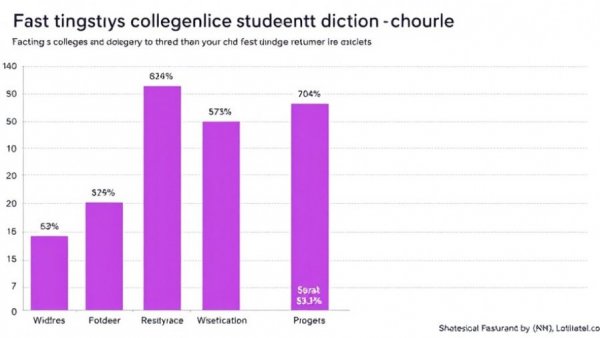
Bar chart of factors influencing college students' fast-food choices.

Exploring the Dynamics of Restaurant Careers

In a world where job satisfaction and career growth are paramount, the restaurant industry stands out as a beacon of opportunity. Recent findings from the National Restaurant Association reveal that a significant 89% of restaurant employees believe in the potential for career advancement within the industry. With 96% expressing satisfaction in their roles, it’s clear that perceptions surrounding restaurant work are evolving. This transformation not only attracts newcomers to the field but also helps retain seasoned professionals who have found meaning in their work.

The Influential Role of Experience

Current employees view their experiences positively, showcasing a stark contrast with those who have never worked in the industry. For instance, 86% of restaurant employees are inclined to continue their careers in the sector until retirement, while significantly fewer adults lacking experience resonate similarly. This disparity in viewpoints highlights a critical perception gap—those who labor in the restaurant environment recognize the development of valuable skills that transcend the job, such as communication, teamwork, and problem-solving abilities. Emotional satisfaction and recognition are crucial elements that positively frame these experiences, creating a culture of loyalty that not only benefits the individual employee but the establishment as a whole.

Career Pathways and Transferable Skills: A Closer Look

The data indicates not only high career aspirations but also the belief in transferable skills obtained through restaurant work. A notable 82% of restaurant employees feel their jobs equip them for future success in any career path. Skills such as adaptability, customer service, and leadership position employees to thrive in diverse professional landscapes. Moreover, restaurant careers often cultivate an entrepreneurial spirit. With 42% of current employees expressing a desire to someday own or operate a restaurant, the industry not only nurtures talent but also fosters ambition, empowering individuals to envision greater possibilities for their futures.

AI's Changing Landscape for Restaurant Visibility

As technology continues to shape the dining experience, artificial intelligence emerges as a notable influencer in restaurant discovery. A survey by Menufy highlights that a staggering 80% of consumers are willing to try an independent restaurant based on AI recommendations. This shift signals an opportunity for independent restaurants to shine, particularly as 78% of consumers believe AI facilitates the discovery of locally-owned establishments over established national chains. This transformative impact on how diners choose where to eat is a powerful reminder of the potential connectedness the digital age offers. From generating personalized dining suggestions to predicting diners’ preferences, AI not only enhances the customer experience but also levels the playing field for lesser-known establishments.

Future Predictions: Embracing Change in the Restaurant Sector

Looking ahead, the trends suggest an increasingly collaborative environment between restaurants and AI technologies. As the restaurant industry continues to innovate, harnessing the power of AI could become crucial not only for reducing operational costs but also for enhancing customer engagement. The future of dining may well hinge upon a restaurant's ability to adapt to technological advancements while maintaining the human touch that diners cherish. Establishments willing to invest in such technologies are likely to see increased visibility and customer loyalty, positioning themselves competitively in an ever-evolving marketplace.

The Emotional Impact of Restaurant Work

For many, working in a restaurant is more than just a job; it’s a journey that shapes relationships, builds communities, and fosters a sense of belonging. The positive experiences shared by employees can inspire others to see restaurant careers as viable paths to personal and professional fulfillment. This emotional resonance underlines the value of supporting individuals within the industry. The bonds formed among staff often lead to a greater sense of camaraderie, driving a positive work culture that can resonate with customers.

Addressing Misconceptions: Restaurant Work vs. Reality

Challenge the long-held misconceptions surrounding restaurant jobs. It is essential to acknowledge the rigorous demands of shifts, complex schedules, and the need for adaptability that come with working in this dynamic environment. However, with these challenges also come unparalleled rewards—culinary creativity, interpersonal interactions, and the satisfaction of serving others. Bridging the perception gap through education and advocacy can empower new entrants into the industry, debunking the myths of limited potential. Training programs that emphasize these realities can help shift public perception and attract a dedicated workforce.

Seizing Career Opportunities: Practical Insights for Employees

For those in the restaurant business, understanding the pathways to success is critical. Encouraging employees to take advantage of training programs, mentorship opportunities, and networking events can facilitate their career advancements within the industry. Restaurant owners should be proactive in identifying talent within their ranks and providing avenues for growth. This commitment to employee development not only fosters loyalty but also enhances overall service quality, creating a win-win scenario for both management and staff.

As the restaurant industry continuously evolves, embracing technology while fostering a supportive work environment will be key in building a better future for all. It’s time for restaurant owners and employees alike to seize the opportunity to reshape perceptions and enhance the viability of careers in this vital sector. By investing in the growth and satisfaction of their workforce, restaurateurs can cultivate an atmosphere that not only promises success for individuals but also enriches the community they serve.


Restaurant News

21 Views

0 Comments

Write A Comment

*
*
Please complete the captcha to submit your comment.
Related Posts All Posts
11.17.2026

How to Navigate the Holiday Spending Divide for Restaurant Success

Update Understanding the Holiday Spending Divide This holiday season presents a unique challenge for restaurateurs as they navigate the widening income gap affecting how consumers approach holiday spending. According to a recent survey conducted by Alvarez & Marsal’s Consumer and Retail Group, there is a profound distinction in holiday dining expectations between higher-income and lower-income households. With higher-income families planning to increase their holiday meal spending by 21%, while lower-income households anticipate a staggering 26% cutback, restaurants must adapt to meet these different consumer needs. Understanding these dynamics is crucial for creating tantalizing menus that attract diverse clientele. Shifting Consumer Spending Trends As noted in the survey, there is a noticeable shift in consumer behavior, emphasizing the importance of value. Respondents indicated a strong inclination towards grocery spending—doubling to a net 14% increase in intent. In contrast, the restaurant sector is experiencing a decline, with lower-income households cutting back on dining out by 29%. This bifurcation in consumer behavior demands that restaurants rethink their approach to holiday offerings. For example, as families turn to grocery shopping for cost-effective meals, restaurants have an opportunity to reposition themselves as affordable yet delightful options that can offer something special during the holiday season. The Importance of Promotions In light of these trends, restaurants need to invest in early and simple promotions. Lusk emphasizes that promotional offers are essential to attract value-minded guests, suggesting that operators should create enticing set menus, bundle deals, or clarify pricing strategies to draw in diners. By providing clear reasons for customers to dine out, especially during the festive season, restaurants can create significant incentives to entice patrons. Such promotions can include family dining specials that are not just budget-friendly but also celebrate the holiday spirit with festive themes and unique dishes. The Role of Dining Experience While cost is paramount, Lusk advises that success in this environment hinges on the intangible aspects that a restaurant can offer. Experiences that are hard to replicate at home—such as exceptional service, atmosphere, and unique menu items—should be highlighted. Families may be encouraged to dine out by bundles or meals that closely align in price with grocery shopping, thus presenting a competitive advantage for restaurants. For instance, themed holiday nights or family-oriented events can significantly enhance the dining experience, making it more than just a meal but rather a cherished family outing. Dined Trends: Nutrition and Wellness With the increasing popularity of GLP-1 medications among higher-income households leading to an increased focus on health, it becomes essential for restaurants to balance festive holiday menus with healthier, protein-rich offerings. Approximately 30% of users of these medications are shifting their dining preferences towards high-protein meals. To appeal to this demographic, restaurants should start integrating smaller, protein-forward items into their menus and build on these trends moving into 2027. Additionally, providing clear nutritional information on the menu can cater to the growing number of health-conscious customers while also adding value. The Digital Shopping Landscape Today's consumers are becoming increasingly reliant on technology when making purchasing decisions, with AI influencing 43% of their final choices. Restaurateurs must ensure their digital presence is strong and accurate—menu items, pricing, and hours should be easily accessible online. This is particularly crucial since younger and higher-income consumers are more likely to use digital tools for price comparison. Furthermore, utilizing social media platforms effectively can help restaurants share promotions and engage with their customer base, promoting not just their food but the overall dining experience. Future Insights: Investing in Customer Experience For restaurants to remain competitive, they must create a seamless dining experience that emphasizes customer engagement. This includes leveraging data analytics to understand consumer preferences and tailor offerings accordingly. By focusing on what customers value and adjusting marketing strategies in response to these insights, restaurants can successfully adapt to changing consumer behaviors and preferences. Implementing loyalty programs or special holiday memberships could also incentivize repeat business and enhance customer relationships. Concluding Thoughts on Holiday Strategies With the holiday season fast approaching, restaurants face distinct challenges influenced by the current economic landscape. Understanding the spending divide between high- and low-income households will allow restaurateurs to formulate strategies that cater to a diverse clientele. Developing enticing offers while enhancing the overall dining experience will be key to attracting guests and driving sales this holiday season. No longer can restaurants solely compete on price; the focus must shift to delivering memorable experiences that encourage patrons to choose dining out over staying in. As restaurant operators plan for the festive period, now is the time to evaluate menus, streamline promotional strategies, and ensure that customers can easily find information online. Consider reaching out to your clientele through surveys or community engagement to understand their preferences better. Take charge of your approach and make the necessary adjustments to thrive amidst this evolving landscape. The festive season presents an opportunity not just to meet sales goals but to create lasting impressions that will foster loyalty long after the holidays have passed.

11.14.2026

Taco Bell’s Flamin’ Hot Burrito is Back: A Restaurant Trend Worth Exploring

Update SEO Keyword Analysis: The Growing Trend of Spicy Fast Food As consumers constantly seek new experiences, Taco Bell's Flamin’ Hot Burrito makes a comeback just as the fast food industry embraces bold flavors. With the success of spicy menu items across various chains, this trend indicates a shifting consumer preference towards fiery flavors that excite the palate. The growing fascination with all things spicy is not merely a passing phase; it reflects deeper cultural shifts and a desire for adventurous dining experiences.In Taco Bell’s Flamin’ Hot Burrito is back!!, the discussion dives into the popularity of spicy fast food options, exploring key insights that sparked deeper analysis on our end. The Spicy Comeback: What It Means for Restauranteurs The return of the Flamin’ Hot Burrito is not just a marketing gimmick; it’s a reflection of what today’s customers crave. For restaurateurs, understanding the dynamics of spicy food in fast food can lead to innovative menu items that boost sales. The burrito combines heat with texture, offering something unique yet familiar—a strategy that can be replicated. Moreover, the Flamin’ Hot Burrito exemplifies how well-established chains like Taco Bell can leverage nostalgia combined with trendiness to reignite interest in their offerings. Exploring the Popularity of Spicy Fast Foods The love for spice isn’t limited to Taco Bell’s offerings. Chains like Wingstop and Buffalo Wild Wings have capitalized on the demand for flavor-packed options. Restaurants that embrace spiciness attract customers who seek intense flavors, as well as a younger demographic more willing to experiment with their meals. This adventurous spirit among diners has led to a wider acceptance of spicier foods, encouraging establishments to innovate and broaden their flavor profiles. Additionally, cultural influences play a significant role in the rise of spicy foods. The fusion of culinary traditions from different regions—think of the growing popularity of Mexican, Caribbean, and Asian cuisines—has contributed to an increasingly diverse palate among American consumers. As customers experience international spice trends, they become more inclined to try spicy items at fast food restaurants. Pairing Strategies: How to Elevate Your Menu Introducing spicy items can be a lucrative decision, but how do you integrate them effectively? Consider pairing spicy dishes with cooling sides—think creamy dips or light salads—to provide a balanced dining experience. This tactic not only enhances your offerings but also encourages upselling opportunities. For instance, offering a Flamin’ Hot Burrito with a side of guacamole or a refreshing cucumber salad can create a satisfying contrast that enhances the overall meal experience. Moreover, consider offering beverage pairings designed to complement spicy items. Drinks like milkshakes, light beers, or sweet teas can help tone down the heat and provide diners with refreshing options. Experiment with different combinations and solicit customer feedback to refine your pairings and best meet your clientele's tastes. Case Studies: Success Stories in the Spicy Arena Several brands have found success by staying on-trend with spicy offerings. For example, fast-casual chains that introduced Nashville hot chicken saw a percentage increase in sales and customer return rates. The buzz generated by these spicy items created a social media stir, drawing in curious diners eager to try the latest craze. Analyzing these models can provide valuable lessons for restaurant owners looking to innovate without straying too far from their original concepts. Moreover, incorporating seasonal spice offerings, like pumpkin spice or holiday-themed spicy dishes, has shown to be an effective way to drive traffic during specific times of the year. Creating a sense of urgency with limited-time offerings can encourage patrons to visit before these options are gone, thus increasing foot traffic and revenues during those periods. Future Insights: The Role of Social Media in Spicy Food Trends Social media plays a critical role in shaping food trends today, with fiery dishes becoming viral sensations almost overnight. Platforms like Instagram and TikTok are increasingly filled with videos of food challenges featuring spicy items, drawing attention from thrill-seekers and adventurous eaters. Brands that resonate with consumers through creative and engaging content have the opportunity to establish a cult following around their spicy offerings. Sharing user-generated content featuring the Flamin’ Hot Burrito can enhance brand visibility and customer loyalty. Engaging customers by encouraging them to share their experiences with spicy menu items, perhaps through photo contests or unique hashtags, can help create a community around your brand while driving interaction online. Conclusion: Seizing the Opportunity in Spicy Flavor Trends For restaurateurs, leveraging the popularity of spicy menu items like Taco Bell's Flamin’ Hot Burrito can open doors to new customer segments while revitalizing established menus. The returning burrito serves as a reminder that the fast food landscape is ever-evolving. As you consider new ventures, keep an eye on flavor profiles that excite and expand your offerings accordingly. Be ready to explore the opportunities that spicy trends present. Dive into your menu development and consider how you can infuse robust flavors that resonate with your audience. Research local preferences and perform taste tests to fine-tune your offerings. Stay ahead of the curve—your customers will thank you for satisfying their cravings for exciting, spicy food options.

11.14.2026

Why Restaurant Allergen Management with Technology Matters for Your Business

Update The Growing Importance of Allergen Management in RestaurantsAs dining becomes more inclusive, understanding the needs of customers with food allergies is essential for restaurant success. In the UK alone, approximately 2.4 million people live with food allergies, and this number is often underserved in terms of customer service. Restaurants must not only comply with allergen regulations but also enhance the dining experience for these clientele. Eve Williamson, an advocate for allergy-friendly dining, emphasizes that the key challenge isn’t just about maintaining compliance but about fostering loyalty and trust amongst allergy-prone diners. Having a transparent system for allergen management can lead to repeat business and a positive reputation, which is invaluable in today’s competitive market. For What It’s Worth: Transforming Allergens from Burden to BenefitWith the right technology, restaurants can transform allergen management from a burdensome task into a beneficial one. Williamson and Alana Bralsford, the founders of the Served platform, recognized that many diners face a guessing game when it comes to allergen information. Their platform allows guests to filter menus based on their dietary needs, showcasing which dishes contain or might contain specific allergens, thereby transforming dining into a more pleasurable experience. The usage of such tech tools not only enhances customer service but also empowers diners to take charge of their food choices— a significant aspect for individuals with food allergies. Technological Solutions for Real-World ChallengesThe reliance on outdated systems in restaurants can lead to confusion and potential health risks. By integrating live digital allergen menus, restaurants can enhance communication between staff and guests. The companion app enables users to check allergen information before arriving at the restaurant, which sets a positive tone for the entire experience. This kind of proactive approach helps to build confidence among staff, allowing them to answer questions more quickly and accurately, thus reducing stress during busy service hours. Moreover, this system significantly decreases the likelihood of mistakes that could lead to life-threatening situations for diners with allergies. Building a Culture of Safety and TrustFostering a culture that prioritizes allergen safety not only safeguards diners' health but also enhances the reputation of the restaurant. Patrons with allergies often have stories of misguided food preparation that left them feeling unsafe. Establishing clear allergen protocols and training staff effectively can create an environment of transparency and safety. As Williamson points out, confident conversations about allergens lead to a more enjoyable dining experience for everyone involved. It is crucial for restaurant owners to cultivate a team that views allergen management as a priority rather than a hindrance, fostering an atmosphere where the entire staff feels empowered to communicate about food safety. Global Perspectives: Navigating Allergen LawsDifferent countries approach allergen management differently. For instance, in the UK, restaurants are legally mandated to inform guests of 14 specified food allergens. In contrast, other regions may have more ambiguous regulations. Understanding these differences is crucial, especially for restaurants looking to expand internationally. Adapting the allergen menus and ensuring compliance with local regulations can help to avert potential legal challenges while maintaining diner safety. Restaurants should also stay informed about changes in legislation to avoid any missteps that could lead to fines or loss of reputation. The Future of Allergen Management in DiningLooking ahead, the landscape of allergen management in the restaurant industry is set to evolve as technology continues to advance. Innovations in food safety apps and allergen tracking systems will be essential in supporting restaurants and ensuring guest safety. As consumers become more vigilant about their allergies, those restaurants that invest in such technologies will find themselves catering to a loyal customer base that values health and transparency. The Served platform is just one of many examples illustrating how technology can reshape the dining experience for those living with food allergies. By using interactive ordering systems and detailed digital menus, operators can create a more responsive and adaptable dining experience. There’s a growing expectation among diners with food allergies that restaurants take proactive measures in maintaining their safety. This requires restaurant owners to not only implement technology but to also foster a culture of awareness and education among their staff. Regular training sessions on allergen management should become as routine as staff meetings. Equipping staff with the knowledge and tools they need to address allergen concerns effectively is critical. Similarly, engaging diners in conversations about allergies can lead to them feeling more comfortable and valued, ultimately translating to enhanced customer loyalty. As the dining landscape evolves, operators must understand that improving allergen management will directly impact their bottom line and customer satisfaction. By prioritizing allergen safety through informed and transparent practices, restaurateurs ensure both health and loyalty, winning over the hearts of a significant portion of diners. The challenges associated with food allergies may be substantial, but they also present significant opportunities for restaurants willing to invest in the right technologies and create a culture centered on safety and inclusivity.

cropper
update

Small Business Today

cropper
update

Write a small description of your business and the core features and benefits of your products.

  • Small Business Today
    update
  • Small Business Today
    update
  • update
  • Small Business Today
    update
  • Small Business Today
    update
  • Small Business Today
    update
  • Small Business Today
    update

COMPANY

  • Privacy Policy
  • Terms of Use
  • Advertise
  • Contact Us
  • Menu 5
  • Menu 6

(508)344-5927

AVAILABLE FROM 8AM - 5PM

City, State

, ,

ABOUT US

Write a small description of your business and the core features and benefits of your products.

© 2026 CompanyName All Rights Reserved. Address . Contact Us . Terms of Service . Privacy Policy

Terms of Service

Privacy Policy

Core Modal Title

Sorry, no results found

You Might Find These Articles Interesting

T
Please Check Your Email
We Will Be Following Up Shortly
*
*
*