Small Business Today
UPDATE
  • Home
  • Categories
    • Business Headlines
    • Small Business Trends
    • Automotive Industry News
    • Restaurant News
    • Dental Practice Marketing
    • Auto Repair Marketing
    • Roofing Contractor Marketing
    • Salon & Spa News
    • Lawn & Landscape Marketing
    • Plumbing & HVAC Contractor News
July 07.2026
4 Minutes Read

Vinyl Marketing Magic: How Slate Auto Captured the Viral Spotlight

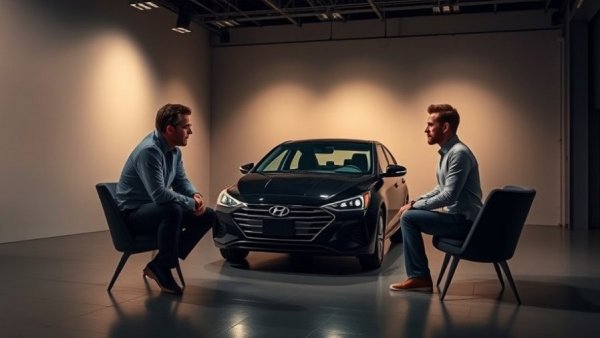
Professionals discuss viral marketing in the automotive industry on a video call.

Understanding Slate Auto's Innovative Marketing Approach

In a captivating new marketing campaign, Slate Auto has managed to harness the power of viral content on social media platforms, breathing fresh life into its brand while capturing the attention of potential customers. The campaign, which gained significant traction online, serves as a noteworthy case study for automobile dealers looking to enhance their marketing strategies. As automotive marketing continues to evolve, understanding the components that contribute to a successful viral campaign can provide valuable insights and actionable strategies for dealers.

In Slate Auto's viral marketing campaign, we uncover exciting strategies that can inspire automotive dealers to rethink their approach to customer engagement.

The Mechanics of Viral Marketing in the Auto Industry

At the heart of Slate Auto's viral success lies a simple yet effective formula: engaging storytelling integrated with targeted social media advertising. The campaign focused on relatable scenarios and humor, which resonate with audience emotions and create a sense of connection. Automobile dealers can learn from this approach by considering how the narratives around their vehicles cater to the diverse emotional touchpoints potential buyers might have.

As potential customers navigate the overwhelming world of automotive options, humor and relatability can serve as effective tools to cut through the noise. Utilizing customer testimonials or real-life experiences can add authenticity, allowing customers to envision themselves in these narratives. This connectivity not only boosts brand awareness but also fosters trust—crucial elements in a purchase decision.

Moreover, incorporating local elements can enhance relatability even further. For instance, showcasing vehicles on familiar roads, in community events, or featuring local influencers can enhance the campaign’s resonance with distinct audience segments. This approach allows dealers to tap into local pride while showcasing their vehicles as a backdrop for everyday life.

Lessons on Leveraging Social Media for Marketing

Social media is an indispensable tool in modern marketing, especially for automotive dealers. Slate Auto's campaign exemplifies how businesses can leverage social media platforms to amplify their marketing messages. The viral aspect of their content was fueled by shares and interactions, which significantly increased its visibility. Dealers often face challenges in creating content that captures attention amidst a sea of competing advertisements, thus understanding the nuances of social media can provide a distinct edge.

Automobile dealers are encouraged to create content that invites interaction. Whether through polls, humorous posts, or user-generated content, engaging consumers directly creates a community around your brand. Not only does this enhance visibility, but it also encourages customer loyalty and repeat business. Incorporating visuals such as eye-catching videos or engaging infographics can further increase engagement, making the content shareable across various platforms.

Additionally, monitoring analytics and understanding audience behavior on these platforms can yield significant insights. Dealers should take advantage of tools that track engagement metrics, allowing them to adjust their strategies based on what resonates most with their audience, thus providing a more personalized experience to potential buyers.

Stepping into the Future: AI and Marketing

As the automotive industry becomes increasingly digital, artificial intelligence (AI) is emerging as a crucial tool for personalizing marketing efforts. AI can analyze customer data and preferences, enabling dealers to tailor their campaigns to specific demographics. For instance, based on the viral success of targeted content in Slate Auto's campaign, dealers can use AI to refine their messaging, ensuring they resonate with their specific audience.

Furthermore, chatbots powered by AI facilitate immediate engagement with potential customers, hastening their path to purchase. These technologies not only improve responsiveness but can also enhance customer satisfaction, as they provide instant support for inquiries. Automakers that embrace AI technology can stay ahead of competitors, offering personalized experiences that cater to unique customer needs.

Incorporating predictive analytics can also help automotive dealers forecast trends and customer preferences, allowing them to stay proactive rather than reactive in an ever-shifting market landscape. By anticipating buyer behaviors, dealers can better optimize their inventory and marketing strategies.

Why Understanding This Marketing Shift Matters

As the landscape of automobile marketing continues to shift under the influence of digital innovation and social media, it is essential for automobile dealers to stay informed about changing trends. The success of viral campaigns, such as that of Slate Auto, underscores the need for adaptability and responsiveness to consumer behavior. Moreover, recognizing these shifts benefits dealers not just in marketing but also in enhancing overall customer engagement.

This awareness not only prepares automotive dealers to leverage current platforms effectively but also emboldens them to experiment with new trends. Consequently, remaining vigilant about marketing innovation can empower dealers to connect better with current customers and attract new ones. Attending workshops, webinars, and industry conferences can further equip dealers with cutting-edge knowledge they can implement in their marketing initiatives.

Final Thoughts: Marketing for Tomorrow's Consumer

To thrive in an ever-evolving automotive marketplace, embracing contemporary marketing techniques is paramount. As highlighted by Slate Auto's viral marketing campaign, the core of impactful marketing lies in compelling storytelling, effective use of social media, and cutting-edge technology. Automotive dealers must be ready to adopt these lessons to ensure they resonate with today's consumers.

In light of these developments, automobile dealers are encouraged to evaluate their current marketing strategies, seek opportunities for engagement, and embrace tools like AI that can support their growth. The future is ripe with potential, and those ready to adapt will find themselves at the forefront of the automotive industry.

For further insights on how to optimize your automotive marketing strategies, keep exploring innovative ideas and practices in the automotive ecosystem. Embracing these cutting-edge trends can unlock new opportunities for your dealership and help build lasting connections with customers. Engaging with your audience through thoughtful marketing strategies is not just about making sales; it’s about building a community that values the relationships forged through shared experiences.

Automotive Industry News

25 Views

0 Comments

Write A Comment

*
*
Please complete the captcha to submit your comment.
Related Posts All Posts
11.21.2026

Exploring Tesla’s Personal Cybercab: What Auto Dealers Need to Know

Update Tesla Cybercab: A New Frontier in Mobility As the auto industry evolves, Tesla has taken center stage with its groundbreaking initiative to sell personal Cybercabs, designed to function within designated geofences. For an upfront cost of $29,990 plus a monthly subscription fee of $299, buyers can own a piece of tomorrow's transportation—without a steering wheel or pedals. However, potential buyers should be cautious of the numerous strings attached to this innovative vehicle.In 'Nov. 20, 2026 | Tesla’s plan to sell personal Cybercabs; Texas dealer Chuck Kramer talks automake...', we dive into the implications of owning a Cybercab and explore the insights shared by dealer Chuck Kramer on the evolving automotive landscape. The Realities of Geofenced Travel The purchasing agreement details suggest that this Cybercab isn't your typical car. It’s primarily a personal robotaxi meant for confined, predefined areas. Owners might find themselves limited by the established geofence rules that determine where their Cybercab can navigate. These geofence rules are critical to operational safety, which could restrict access to certain roads or areas, especially in unfamiliar zones. The stringent regulations might evolve, shifting the operational boundaries of these vehicles and leaving buyers at the mercy of the technology's development and the external regulatory environment. Hidden Costs in Ownership When considering the financial aspect, the absence of insurance and charging infrastructure must be accounted for in addition to the initial purchase price. Tesla's decision to not include a home charging option adds an extra layer of complexity to ownership, compelling Cybercab owners to either seek out public charging stations frequently or opt for Tesla's insurance solutions to maximize ownership benefits. Without these considerations, potential buyers might find themselves grappling with unforeseen expenses. Given the current infrastructure limitations in various regions, it is essential for buyers to assess their charging options before committing to purchase. Depending on where they live, finding accessible charging points could influence the convenience of using their Cybercab. Consumer Caution as Federal Investigation Looms With ongoing federal investigations regarding Tesla's self-certification processes, potential buyers must weigh their excitement against the possible risks of owning a vehicle that could be deactivated pending regulatory scrutiny. Safety remains a fundamental concern, and the potential for a car's operations to halt vastly underlines the uncertainty that comes with pioneering technology. Buyers should consider staying informed about any changes in regulations that may impact their vehicle's functionality. Ensuring that a thorough understanding of the terms and conditions is established will also aid prospective buyers in navigating potential complications down the line. Dealer Perspectives: Insights from Chuck Kramer In a discussion featuring Texas dealer Chuck Kramer, he highlighted the complexities and challenges that manufacturers impose on dealers. Kramer pointed out that manufacturers often have differing priorities than the consumer’s experience. Car dealers like him bear the brunt of customer dissatisfaction stemming from confusing policies and regional rebates that complicate transactions. This friction only becomes more pronounced as the industry navigates technology-driven transitions, highlighting the pressing need for clearer communication between manufacturers and dealers. The Importance of Communication in Dealerships Kramer emphasized the vital role of communication not just between the dealer and the customer, but also between manufacturers and dealers. This communication gap can lead to misunderstandings regarding pricing, vehicle specifications, and available incentives. For instance, regional rebates may not apply universally, creating confusion for buyers who expect a cohesive and transparent purchasing experience. Clear and consistent messaging from all parties involved can significantly enhance customer trust and satisfaction, ultimately impacting sales positively. The Future of Autonomous Vehicles: Predictions and Considerations While Tesla envisions a future filled with autonomous robotaxis, the current reality still has vast roadblocks. Challenges surrounding safety regulation, consumer trust, and necessary infrastructure remain hurdles. As the technology matures and regulatory frameworks adapt, the vision that Elon Musk articulated over a decade ago may eventually materialize, where autonomous vehicles will be commonplace. However, prospective buyers must remain informed and cautious as developments unfold. Additionally, as more companies enter the autonomous vehicle space, competition may drive innovations and consumer-friendly solutions. Why Transparency Matters In an age where consumers seek more transparent and agreeable purchasing processes, dealers like Chuck Kramer are rethinking the vehicle-buying experience. As transparency becomes a competitive advantage in the automotive landscape, dealers who can maximize clarity around pricing and vehicle functions will likely find that consumers are more willing to engage. This evolution reflects a broader trend where customer expectations shape dealer strategies, illustrating the interconnectedness of transparency, consumer trust, and sales success. Actionable Insights for Dealers and Consumers For dealers, understanding the implications of new technology like Tesla’s Cybercab is crucial. Maintaining open lines of communication with customers about the limitations of new purchases, alongside a streamlined purchasing process, is essential in meeting consumer demands. For buyers considering a Cybercab, researching the operational limits, insurance options, and charging logistics is necessary to avoid pitfalls. Consumers need to be informed to make decisions that fit within their unique circumstances and budgets. As the automotive landscape continues to shift, adapting to these changes will empower both dealers and buyers alike. In conclusion, Tesla's Cybercab represents a leap into the future of autonomy, but it is essential for both buyers and dealers to remain vigilant and informed about the overarching realities involved in this journey. As the automotive industry adapts to new technologies, the relationship between consumers and manufacturers will continue to evolve, necessitating transparency and communication throughout the process. Stakeholders must engage actively in dialogues that promote understanding, foster trust, and create a more robust automotive marketplace in the years to come.

11.21.2026

GM’s CEO Search and Industry Shifts: What Dealers Need to Know

Update The Transition Ahead: GM’s Search for Mary Barra’s Successor The major news coming out of the automotive industry this week is General Motors' decision to begin the search for a new CEO to potentially succeed Mary Barra, who has been steering the company since 2014. As Barra approaches her 65th birthday, discussions around her imminent retirement have ignited interest in who might take the helm of one of the world’s largest automobile manufacturers. The decision to involve an executive search firm suggests that GM is serious about preparing for a leadership transition, whether it comes in the immediate future or further down the line. This signifies GM's commitment to a well-planned succession that could affect not only its corporate strategies but also the broader automotive market.The video, 'Nov. 21, 2026 | Weekend Drive: GM’s search for Barra’s successor; Stellantis’ Brampton plant sale,' provides key updates and analysis on critical shifts in the automotive sector that we're further exploring. Understanding GM’s Leadership Landscape There are considerable questions about both internal and external candidates who could fill Barra's shoes. One name that has surfaced is Sterling Anderson, who heads GM's product engineering and has garnered attention for his background in Silicon Valley. His capacity to navigate the evolving landscape of electric vehicles (EVs) and autonomous driving technology makes him a compelling candidate. However, the choice of a successor could symbolize GM's strategic direction—whether to choose someone with deep automotive expertise or a tech-forward leader. On the other hand, there is a possibility for candidates from outside the automotive space, reinforcing the notion that GM aims to position itself as a technology-centric organization. This aligns with a growing trend where auto manufacturers are placing a higher premium on technological innovation over traditional manufacturing prowess. The Legacy of Mary Barra: A Stabilizing Force Barra’s tenure has been characterized by a remarkable ability to steer GM through challenges, including the ignition switch crisis, the COVID-19 pandemic, and ongoing supply chain issues. Her focus on transforming GM into a leader in the electric vehicle market, albeit bumpily, has set a foundation for the company’s future. Will her successor continue to build upon her legacy, or will they pivot in a different direction? This is a question that stakeholders are pondering as the search begins. It’s vital to note that although GM under her leadership has faced criticism for tardiness in EV adoption compared to competitors, Barra has nonetheless laid groundwork through significant investments and strategic partnerships aimed at enhancing GM’s EV capabilities. This legacy of stabilization amidst turmoil is something that her successor will have to honor, and possibly enhance, as the market evolves. The Future of Stellantis: Brampton Plant Sale In another significant development, Stellantis has announced the sale of its Brampton assembly plant to a defense contractor after failed negotiations with local unions and government. This plant has been idled since 2023, impacting thousands of jobs and leaving a gap in the local economy. Analysts suggest that this closure represents broader trends in the industry where automakers are reassessing their production capacities in response to changed demand. The sale indicates a shift in Stellantis' strategic focus, much like what many manufacturers are currently experiencing. With the transition towards more sustainable and efficient production models, Stellantis may be looking to streamline operations and pivot towards new technologies and manufacturing mechanisms that align with future goals. Ford’s Bold Move in the Battery Space Shifting to Ford, the automaker is now producing lithium iron phosphate (LFP) batteries in Michigan, aimed at supporting their upcoming Fathom Electric pickup. Despite facing controversies around its collaboration with a Chinese battery producer, Ford's initiative to develop in-house battery capabilities shows a commitment to vertical integration, thus eliminating markups that can arise from reliance on external suppliers. This move could be crucial in establishing Ford’s credibility and competitiveness in the electric vehicle market. Moreover, Ford’s strategic decision to localize battery production is likely to resonate well with consumers increasingly interested in sustainability and domestic manufacturing jobs, potentially enhancing brand loyalty. What This Means for Dealers For automobile dealers, the outcomes of these corporate shifts will play a crucial role in shaping future operations. The leadership changes at GM may lead to new strategies that influence production, pricing, and vehicle offerings, impacting dealer profitability directly. Similarly, Stellantis' decision to offload its Brampton plant signifies potential challenges for dealerships relying on that plant's output. Ford's advances in battery technology can mean improved product offerings, potentially unlocking a new stream of business for dealerships that embrace EVs. Understanding these corporate dynamics will be crucial for dealers looking to maintain a competitive edge as market landscapes shift. Facing the Future of Automotive Retail The automotive landscape is shifting rapidly, driven by technological advancements, changing consumer behaviors, and corporate strategies. For dealers, it's imperative to stay informed about these developments and be proactive in adapting their businesses accordingly. Whether it means adjusting inventory in response to production changes at GM or embracing the growing EV market propelled by production at Ford’s new plants, flexibility will be key. In this environment, being open to training and embracing new technologies will keep dealers relevant and connected with the evolving demands of the consumers. As we witness these pivotal changes, dealers should focus on education, training, and understanding how to sell new technologies like EVs competently. Engaging with manufacturers, attending workshops, and staying apprised of industry news will empower dealers to thrive amidst uncertainty. The ability to convey values associated with sustainability and cutting-edge technology will be essential in building consumer trust and stimulating sales. For those dealers who adapt and evolve, the future poses opportunities to align with a market that is only expected to grow in the coming years. If you’re an auto dealer navigating these trends, stay connected to industry news and consider how you can leverage the ongoing transformations for your business's advantage. Looking at broader trends in consumer preference, adapting your sales techniques, and enhancing customer service practices will not only help you survive, but thrive as the automotive landscape continues to evolve. By staying engaged and informed, dealers can take proactive steps to ensure that their strategies resonate with the future of automotive retail.

11.20.2026

Why the 8th Generation Elantra is Set to Redefine Automotive Standards

Update Why the 8th-Generation Elantra is a Game Changer for Hyundai The unveiling of the 8th-generation Hyundai Elantra has automotive circles buzzing, as the brand pushes boundaries by aiming higher in a traditionally conservative market. This design strategy is rooted in the need to create something distinctively bold and modern, positioning the Elantra as a serious contender against renowned competitors like the Honda Civic and Toyota Corolla. As customer preferences shift towards more visually appealing vehicles, Hyundai's approach reflects an understanding of the changing landscape, where aesthetics can play a crucial role in influencing purchasing decisions.In 'Hyundai moves 8th-generation Elantra upmarket', we see a fascinating shift in Hyundai's approach to vehicle design, prompting us to further analyze its potential impact on the automotive market. Bold Design Choices: A Shift from Conventional Norms Hyundai has long held a reputation for being a well-made, reliable choice for consumers. With this new generation, however, the automaker is challenging expectations and conventional aesthetics in the compact car segment. The model boasts a more aggressive and striking appearance, diverging from the conservative designs that define its competitors. Director of Design SangYup Lee stated this redesign is about making a statement and creating a strong visual identity that makes onlookers pause and take notice. This pivot toward bolder design not only aims to attract younger consumers but also reinforces Hyundai's commitment to innovation in the auto industry. Enhanced Dimensions: Bigger but Better In a remarkable feat of engineering, the new Elantra is indeed bigger and wider than its predecessor while maintaining the same weight. This achievement is notable in an industry where increasing dimensions often lead to heavier vehicles. Hyundai accomplished this through advanced manufacturing techniques and a remarkable collaboration between design and engineering teams. By stretching steel further than ever before, Hyundai is not just enhancing the car's size but also improving aerodynamic efficiency—crucial for fuel economy and performance. The emphasis on engineering excellence ensures that while the Elantra grows in presence, it does not compromise on handling or performance. No Compromises: Balancing Aesthetics and Functionality Sharing insights about the design process, Hyundai's representatives emphasized that aesthetic innovation has not come at the cost of rear passenger comfort or usability. Engineers worked diligently to create a solution that offers a spacious interior, without hindering functionality, such as trunk space—essential for practical buyers who often look for versatility in compact vehicles. The design team conducted extensive reviews to ensure ample cargo space without sacrificing headroom, making it user-friendly for everyday use. Such thoughtful design considerations may enhance customer satisfaction and drive repeat business for dealers. Breaking Away from Trends: Why Hyundai Defines Its Own Path Despite industry-wide shifts towards minimalist design—characterized by clean lines and hidden features—Hyundai refuses to follow this trend blindly. The Elantra showcases a unique character, taking inspiration from the N Vision 74 prototype, a bold concept that marked a significant departure from the automotive norm. The design team is all about evoking strong reactions, aiming to captivate customers through unexpected visuals. Instead of adopting a reductionist approach, Hyundai has embraced an intricate design language that reflects a muscular character reminiscent of classic muscle cars, attracting enthusiasts and casual buyers alike. A Design for Everyone: Elevating Entry-Level Cars The goal here is not just about standing out; it’s about 'democratizing cool design.' Hyundai aims to make exciting, aesthetically pleasing cars accessible to all consumers—not just those with deep pockets. The Elantra's design ethos marries sportiness with practicality, ensuring it resonates well with a diverse target audience. By creating a vehicle that appeals to both budget-conscious buyers and those seeking style and performance, Hyundai fosters a broader market appeal, making it a smart move for dealers looking to expand their customer base. Future Trends: What’s Next for Hyundai? The launch of the Elantra signifies a new era that strives for a more vibrant and youthful aesthetic. As Hyundai continues to innovate, it is paving the way for future models that will likely incorporate these bold designs. The bottom line is that Hyundai is shifting the conversation in the auto industry, showing that entry-level doesn’t equate to bland or uninspired. It not only poses a clear question to competitors—are they ready to elevate their designs?—but also sets a new benchmark for what small vehicles can achieve, both in terms of appearance and engineering excellence. Embracing Consumer Engagement: The Role of Dealers For automobile dealers looking to stay ahead of the curve, investing time to understand new innovations like the Elantra’s design philosophy can translate into meaningful conversations with potential buyers. Engaging customers with information about the Elantra’s unique selling points—like its advanced design and engineering features—can enhance the sales experience. By effectively communicating how this model stands out in the competitive landscape, dealers can forge stronger connections with customers and ultimately drive sales. By showcasing the Elantra, dealers not only highlight a pivotal model for Hyundai but also strengthen their positions within their respective markets. Ultimately, the new Elantra encapsulates more than just elevated design standards; it represents a shift in mindset within the automotive marketplace. This focus on innovation and embracing a bolder persona may redefine what consumers expect from compact cars. As Hyundai forges ahead, its commitment to bold design and engineering prowess signals an exciting time for both the brand and the auto industry as a whole.

cropper
update

Small Business Today

cropper
update

Write a small description of your business and the core features and benefits of your products.

  • Small Business Today
    update
  • Small Business Today
    update
  • update
  • Small Business Today
    update
  • Small Business Today
    update
  • Small Business Today
    update
  • Small Business Today
    update

COMPANY

  • Privacy Policy
  • Terms of Use
  • Advertise
  • Contact Us
  • Menu 5
  • Menu 6

(508)344-5927

AVAILABLE FROM 8AM - 5PM

City, State

, ,

ABOUT US

Write a small description of your business and the core features and benefits of your products.

© 2026 CompanyName All Rights Reserved. Address . Contact Us . Terms of Service . Privacy Policy

Terms of Service

Privacy Policy

Core Modal Title

Sorry, no results found

You Might Find These Articles Interesting

T
Please Check Your Email
We Will Be Following Up Shortly
*
*
*