

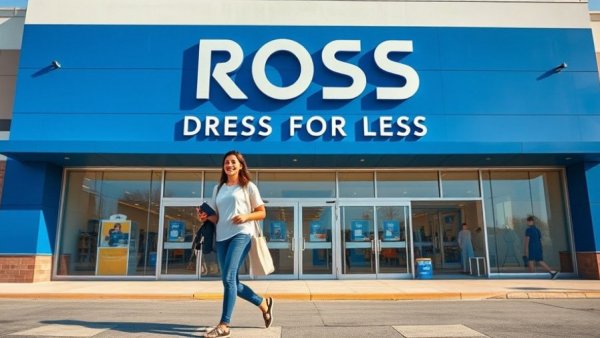
Ross Stores Attracts Bargain Hunters Amid Economic Pressures
The latest quarterly report from Ross Stores indicates a positive trend in customer traffic as shoppers flock to bargain retailers. This surge in demand has led to a 12% increase in sales for the off-price retailer, reaching $6.26 billion for the quarter ended October 31. This growth is attributed to a combination of both increased foot traffic and a strategic focus on affordability, as more consumers seek out deals amid rising costs in their daily lives.
Consumer Spending Trends During the Holiday Season
According to industry experts, even amidst inflationary pressures and economic slowdowns, consumer spending could remain robust into the holiday season. A report from Goldman Sachs indicates a resilient shopper base, which the latest earnings from Ross seem to confirm. The 8% sales growth in stores open at least a year reflects a broad base of shoppers and not merely those trading down from higher-end brands. CEO Jim Conroy emphasized that traffic gains have been consistent across various income levels, reassuring analysts that Ross remains a go-to destination for modest-income shoppers. This broad appeal is particularly important as families plan their holiday shopping budgets, seeking value without sacrificing quality.
Understanding the Economic Factors Affecting Ross Stores
Despite the positive sales figures, the company has lowered its holiday sales forecast to 4% to 5% growth in same-store sales during the upcoming quarter. This has sparked concerns among investors, leading to a nearly 3% drop in share price. Fuel costs are cited as a significant contributor to rising operational expenses, with higher domestic freight impacting profit outlooks. As consumers are increasingly seeking value, companies operating in the discount segment must navigate these economic hurdles to maintain profitability. Furthermore, rising inflation has caused many consumers to rethink their spending habits, prompting more shopping at discount retailers.
Future Predictions for Ross and the Off-Price Retail Sector
Ross Stores faces an exciting yet challenging future. While analysts express concerns about profit margins due to higher operational costs, the company’s management remains optimistic. With a commitment to increasing store openings—51 new stores were launched in the last quarter alone—Ross aims to capture more market share among bargain-seeking consumers. This aggressive expansion reflects a strategic move, aligning with consumer trends favoring budget-friendly shopping experiences. In the long run, this proactive approach may prove beneficial as companies like Ross adapt to the evolving retail landscape, especially as traditional retailers face their own challenges.
The Role of Discounts in Current Economic Conditions
As inflation impacts the cost of living, many consumers have prioritized affordability, leading them to explore discount and off-price retail options. This trend has positioned Ross Stores favorably, as families and individuals alike search for ways to stretch their budgets while still meeting their shopping needs. By offering a broad array of products at reduced prices, Ross successfully caters to this growing demographic, including those who might not typically shop at discount retailers. Such flexibility is crucial in a climate where every dollar spent is scrutinized.
Lessons for Small Business Owners from Ross Stores' Experience
For small business owners, the story of Ross Stores offers invaluable insights about maneuvering through challenging economic landscapes. Prioritizing customer experience and maintaining price competitiveness are crucial strategies for sustaining growth. Keeping a close eye on operational expenditure, especially in fluctuating markets, is essential for maximizing profit potential. Additionally, Ross's recent successes highlight the importance of being responsive to customer demands and changes in the marketplace. As Ross continues to grow, it serves as a case study on the significance of agility and consumer-centric approaches in the retail industry.
Consumer Confidence and Retail Resilience
CEO Jim Conroy noted the importance of maintaining lower prices for customers facing inflationary pressure. He highlighted that the company is committed to keeping its offerings affordable, a strategy that aligns well with consumer sentiment as many feel the pinch of rising costs. "We are cognizant of the inflationary pressure; consumer confidence is extremely low," Conroy explained during a recent analyst call. This focus on affordability does not compromise the quality of offerings, which has helped enhance customer loyalty and repeat business.
Conclusion: The Importance of Resilience in Retail
As we look ahead, businesses like Ross Stores demonstrate that even in the face of economic challenges, resilience can pave the way for success. While investors may remain cautious about future forecasts, the underlying strength demonstrated through increased foot traffic and sales suggests continued potential for this discount retailer. For both consumers and business leaders, the evolving landscape offers lessons in adaptability and understanding market dynamics. In an era where affordability is increasingly prioritized, retailers that address consumer needs without compromising quality are likely to thrive. As they continue to navigate the complexities of the retail sector, the strategies employed by Ross could serve as a model for others facing similar challenges.






Write A Comment