Small Business Today
UPDATE
  • Home
  • Categories
    • Business Headlines
    • Small Business Trends
    • Automotive Industry News
    • Restaurant News
    • Dental Practice Marketing
    • Auto Repair Marketing
    • Roofing Contractor Marketing
    • Salon & Spa News
    • Lawn & Landscape Marketing
    • Plumbing & HVAC Contractor News
August 27.2026
4 Minutes Read

How Ford and Lincoln's New Product Plans Impact Automobile Dealers

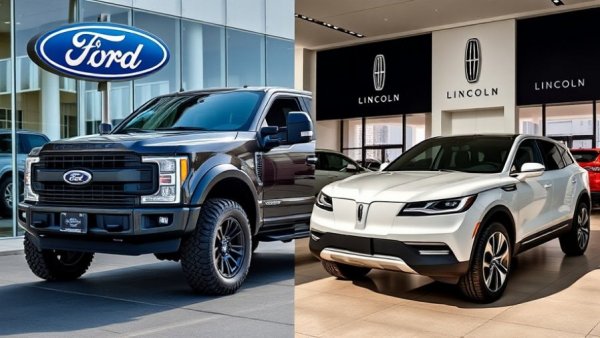
Collage of Ford and Lincoln vehicles, showcasing future product plans.

Ford and Lincoln: A Bold New Era

As we look to the future of Ford and Lincoln, the automotive landscape is set to undergo significant transformation. The recent plans unveiled by Ford Motor Company signal an aggressive approach to revamping their iconic lineup, expanding their offerings, and addressing evolving consumer needs. By 2030, both brands aim to redefine their presence in an increasingly competitive market.

In 'Ford & Lincoln's Expected Future Lineup: Bronco Pickup, 4-Door Mustang & Luxury Off-Roader', the discussion dives into the evolving strategies of these iconic brands, exploring key insights that sparked deeper analysis on our end.

A Focus on Iconic Nameplates

At the heart of Ford's strategy is a clear focus on their iconic models. Under the leadership of CEO Jim Farley, the company plans to expand its product families—specifically the Mustang, Bronco, and the F-series trucks. This includes introducing a Bronco pickup variant expected near the end of the decade, reinforcing Ford's commitment to enhancing its rugged image. The Bronco pickup is anticipated to resonate particularly well with consumers who cherish the classic off-road capability but require the utility of a truck. This move signifies Ford's understanding of market desires, as they aim to cater to those who seek adventure without sacrificing practicality.

Expanding into Electric Vehicles

In the ever-growing market for electric vehicles (EVs), Ford aims to strike a balance between its internal combustion engine offerings and electric models. While the company acknowledges a shift in focus toward gasoline and hybrid models—allowing them to tap into the traditional segments that still show strong demand—they're not abandoning EV development. They will launch the affordable Fathom EV pickup starting at just under $30,000, with plans for additional small crossovers both for Lincoln and Ford brands. These efforts underscore Ford's commitment to sustainability and its ambition to capture a significant share of the EV market, catering to eco-conscious consumers while remaining competitive.

Diverse Offerings for Varying Price Points

Recognizing the need for more accessible vehicles, Ford is pledging to deliver at least five models under $40,000. This includes a new hybrid and gas crossover, echoing the brand's commitment to affordability that appeals to a broader spectrum of customers. These vehicles will serve as the entry point to entice new buyers into the Ford and Lincoln ecosystems. By crafting a mix of higher-end aspirational models and more budget-friendly choices, Ford aims to build loyalty among consumers at every stage of their automotive journey.

This strategic approach could potentially reverse the trend of declining interest in entry-level vehicles and broaden Ford's appeal in an evolving market where affordability is key. Furthermore, having models that are economically viable ensures that dealers can serve a diverse clientele, enhancing their potential for profitability as they align with Ford and Lincoln's forward-looking vision.

Lincoln's New Direction

In addition to new Ford offerings, Lincoln is also gearing up for an exciting transformation. With plans for a Lincoln-branded Bronco slated for 2029, the brand aims to inject more excitement into its lineup, shifting away from its traditional "quiet flight" mantra. This shift includes a focus on producing vehicles with more personality and rugged capability, designed to capture the attention of upscale buyers who enjoy luxury in adventurous settings. The upcoming Bronco variant is expected to blend high-end features with robust off-road abilities, catering to luxury buyers looking for both sophistication and thrill.

With a focus on keeping production closer to home, Lincoln's shift away from reliance on imports from China symbolizes a significant change that could resonate well with consumers aimed at luxury buyers. This decision, coupled with the introduction of a new EV crossover aimed at the prestige segment, highlights Lincoln's commitment to growth amid challenges such as tariffs and import duties that have impeded progress in the past.

Challenges and Opportunities Ahead

However, challenges abound for Ford and Lincoln. Increased tariffs and shifting governmental policies can impact production and pricing strategies. Ford must navigate these waters carefully to maintain profitability. Yet, with clarity emerging from dealer meetings, there is a renewed sense of optimism around a coherent product rollout strategy that could bring positive results. The commitment to developing a streamlined product pipeline seems to be part of a larger effort to rebuild trust between the automaker and its dealership network, ensuring that both parties are aligned in their goals.

Gearing Up for the Future

As the automotive industry evolves, Ford and Lincoln's proactive strategies will likely reshape the trajectory of their brands. Creating a balance between aspirational and affordable vehicles will not only help retain existing customers but also draw in new buyers. For automobile dealers, preparing for these changes means staying informed and adapting to new sales strategies that align with Ford's evolving product pipeline. This strategic alignment between product offerings and market demands presents dealers with a unique opportunity to reposition themselves in the marketplace, capitalizing on both established and emerging trends.

Final Thoughts: Navigating Change in the Automotive Market

If you're in the automobile dealership business, understanding these upcoming shifts within Ford and Lincoln could reshape your approach to sales over the next decade. Emphasizing both heritage and forward-thinking innovation can build connections with different demographics of buyers. With a mix of exciting legacy models and affordable newcomers, these changes present both a challenge and an opportunity for growth. Taking advantage of heightened consumer interest in both electric and rugged models could lead to increased foot traffic and sales in dealerships.

To stay ahead in this rapidly changing environment, it’s crucial to stay informed about the future plans of key automotive players like Ford and Lincoln. Understanding these product trends will give dealers a crucial advantage in maximizing their sales for the upcoming years, ensuring that they can navigate the complexities of a changing market with confidence.
Automotive Industry News

37 Views

0 Comments

Write A Comment

*
*
Please complete the captcha to submit your comment.
Related Posts All Posts
11.24.2026

The Evolution of Barrett-Jackson: Transforming Car Auctions for Generations

Update Revving Up Passion: How Barrett-Jackson Transformed Car Auctions In the world of car collecting, few names resonate as strongly as Barrett-Jackson. What began as a modest auction founded by Russ Jackson and Tom Barrett has evolved into a cultural phenomenon, capturing the hearts of car aficionados and casual fans alike. The driving force behind this transformation has been Craig Jackson, who has successfully bridged his family's legacy with modern technology and television, ultimately reshaping the automotive auction landscape.In 'Behind the Wheel: From restoration shop to reality TV, building Barrett-Jackson's auction empire,' the discussion dives into the transformation of Barrett-Jackson, exploring key insights that sparked deeper analysis on our end. Embracing Progress: Craig Jackson's Vision Craig Jackson's journey with Barrett-Jackson started from an early age, working in his father’s restoration shop as what he affectionately termed “cheap labor.” His childhood experiences taught him the intricacies of the automotive business, paving the way for his innovative leadership when he took over in the post-1993 era. Following personal tragedies, including the loss of his father and brother, Craig faced the daunting task of revitalizing the family brand. Embracing change, he digitized operations as early as 1994, setting the stage for Barrett-Jackson’s future in the online marketplace. His transformative vision became evident when re-evaluating auction processes. Craig advocated for no-reserve auctions, allowing for greater transparency while assuring sellers that their cars would be properly vetted by industry experts. With his leadership, Barrett-Jackson not only sold more cars but improved their overall quality, building trust within the collector community. Television: The Game Changer The introduction of televised auctions marked a pivotal moment in Barrett-Jackson’s trajectory. As Craig recalls, the realization that the excitement of the auction could be broadcasted wasn’t an easy sell. Yet, this leap—pushed forward by the launch of Speed Vision—allowed fans of various backgrounds to engage with the auction process, whether they intended to bid or simply enjoy the drama of car sales unfolding live. The result? A lucrative partnership, increased visibility, and a revamped image of car auctions as a lively entertainment experience instead of a mere business transaction. Every two minutes, viewers were treated to new excitement, generating higher ratings and a dedicated audience. How did they do it? By delivering an authentic experience filled with moments of suspense, unexpected outcomes, and the genuine passion that comes with car collecting. Catering to a New Generation One of the most significant challenges—and opportunities—for Barrett-Jackson was attracting younger buyers. Craig's strategy incorporated leveraging technology and social media to tap into an evolving demographic, seamlessly integrating their passion for cars with new trends and interests. Today, collectors aren’t just enamored with classic muscle cars; there’s a growing demand for modern hypercars and 1980s Japanese vehicles, reshaping the auction landscape. To foster interest from this new generation, Barrett-Jackson has introduced car shows and experiences tailored towards youthful preferences. By creating an inclusive environment that celebrates diverse automotive cultures, they have effectively broadened their customer base. Engaging the Community: Charity Auctions and More Integrated into Barrett-Jackson's ethos is the idea of giving back. Charity auctions have transformed into a vital aspect of the business, where bespoke cars attract the bidding of philanthropic collectors. Being able to combine a love for unique cars with meaningful contributions has resonated deeply with buyers, as seen when celebrity bidders catalyze interest and participation for worthy causes. Craig's insight reveals that taps into the emotional connection people have with their vehicles, establishing a narrative that drives engagement and elevates charity auction experiences. It's about creating unique moments and the thrill of owning something truly special, whether for a collection or a cause. Next Steps: Maintaining Relevance in a Changing Landscape Looking toward the future, Barrett-Jackson continues to innovate, testing new waters while honoring its rich history. Engaging with customers through data insights allows for a refined approach—what works, what doesn't, and how to keep enthusiasm high for newcomers and seasoned collectors alike. Just as Craig’s father had to adapt his restoration business to remain relevant, Craig’s continued emphasis on customer experience ensures that Barrett-Jackson remains a hallmark in the automotive world. So, what's next for Barrett-Jackson? As they navigate the complexities of evolving demographics and advancing technology, their commitment to authenticity and transparency will remain steadfast. With annual auctions that resemble a “Super Bowl” of car culture, the drive for excellence is invigorated, ensuring Barrett-Jackson's legacy continues to flourish. To all automobile dealers looking to broaden their horizons and effectively target new audiences, consider reflecting on Barrett-Jackson's innovative journey. Getting involved in community initiatives, aligning with digital strategies, and fostering meaningful customer relationships can elevate your brand in a competitive market. Don't miss out on the opportunity to shape the future of your automotive business. Emulate the spirit of Barrett-Jackson and adapt your strategies to meet the demands of today's customers.

11.24.2026

Amazon Autos Transforms Dealer Onboarding: What Dealers Need to Know

Update Revolutionizing Dealer Onboarding: Amazon Autos’ Breakthrough In a bold move symbolizing significant progress for the automotive industry, Amazon Autos has drastically improved its dealer onboarding process, notably cutting the time required for dealerships to join its platform by more than 85%. This transformation comes at a crucial time when efficiency and customer satisfaction are paramount for dealerships aiming to thrive in today’s marketplace. Fan Jin, global general manager and director of Amazon Autos, revealed how this streamlined process empowers dealers and enhances customer experiences.In 'Nov. 24, 2026 | Amazon Autos’ Fan Jin talks faster dealer onboarding; Barrett-Jackson’s Craig Jac...', the discussion dives into the significant transformation of the dealer onboarding process at Amazon Autos, inspiring us to analyze its implications for automobile dealers. Understanding the Pain Points Prior to 2026 Before the overhaul, onboarding for large dealership groups was a cumbersome task. Many dealers reported spending an entire week engaging with the registration page, which was initially designed for standalone stores and smaller groups. Jin describes the previous system as "painful," underscoring a prevalent challenge for dealers looking to leverage Amazon’s extensive customer base. An easy-to-navigate onboarding system was a significant request from dealers since they sought a platform that not only matched their operational needs but also enhanced the customer’s shopping experience. This previous inefficiency had limited dealer participation and, correspondingly, customer accessibility to various automotive brands. Transitioning to a New Era: Introducing Improved Dealer Sign-Up To remedy these challenges, Amazon Autos has introduced a separate sign-up process specifically designed for dealership groups. This change has already shown promising results—Jin noted that onboarding is now eight times faster than before. The goal is clear: to ensure that local dealers can easily reach customers while expanding the variety of vehicles available for purchase. Expanding rapidly, Amazon Autos now features over 35 automotive brands, showcasing a diverse array of offerings from new to certified pre-owned vehicles. The platform’s growth mirrors a shifting landscape in consumer preferences, with many shoppers desiring more online interaction in the purchasing process yet still valuing the traditional dealership experience. The Future of Dealer Participation: Expectations for 2026 As we approach the end of 2026, expectations for Amazon Autos are high. The platform continues to gather interest from dealers eager to join. Jin states that there are even more dealers interested in onboarding now than the number currently live on the platform. This robust pipeline indicates a promising trend for the future. By emphasizing a metro-by-metro approach for local dealer onboarding, Amazon Autos is keen on maintaining relationships with regional businesses. This localized strategy is crucial as they aim to bolster dealer participation while promoting customer awareness through targeted marketing campaigns. Aligning Technology and Customer Expectations: Insights from Fan Jin Fan Jin is poised to enhance the online shopping experience further by integrating comparison shopping tools and fostering digital interactions between customers and dealers. Such technology aims to bridge the gap between online convenience and on-ground validation—a crucial balance dealers need to thrive. Jin highlights the importance of enabling customers to schedule test drives and access e-contracting features online. As he describes it, “The vast majority of customers want to do more online.” This sentiment reflects a growing expectation for seamless interactions across platforms, which both customers and dealers desire. Harnessing Dealer Flexibility and Customer Transparency The potential for customization is another talking point for Amazon Autos. Jin notes that rather than providing a standardized list of services and products, dealers can now present their preferred options to customers. This flexibility is not just beneficial but essential for dealers who have built longstanding relationships with various service providers and preferred solutions. This approach fosters an environment of transparency, empowering customers while reaffirming the individuality of each dealership. According to Jin, this means that as customers browse, they can appreciate what each dealer uniquely offers—enhancing their overall car buying experience. Real-World Implications: A Transformative Change in the Auto Industry The shift in the onboarding process and the encompassing strategies by Amazon Autos represent more than just technical improvements; they indicate a vital evolution in the automotive industry's operational landscape. In a world where digital presence increasingly dictates market success, dealerships must adapt, innovate, and use new technologies effectively. Dealers looking to capitalize on these changes should focus on gradual implementation of digital tools and leverage Amazon’s platform to connect with a broader customer base. The landscape ahead is not merely about surviving; it is about thriving through meaningful engagement and technological agility. The Road Ahead: Call to Action for Dealers As the automotive industry edges closer to digital transformation, dealers must seize the opportunity presented by Amazon Autos’ advancements. With onboarding times dramatically reduced and a growing marketplace, the time to engage is now. Delve into the new capabilities of Amazon Autos and explore how they can elevate your dealership’s reach and efficiency. Dealers are encouraged to embrace these changes and to continue providing exceptional customer experiences. By taking steps now to onboard with Amazon, your dealership can take advantage of the online shopping surge and drive greater sales for years to come.

11.23.2026

How Katie Bowman Coleman Blends Fashion Insights with Automotive Retail

Update Unveiling Innovations: The Fusion of Fashion and Automotive Retail In the ever-evolving landscape of automotive retail, the intersection of diverse backgrounds is shaping the future of the industry. Katie Bowman Coleman, with her rich history in fashion, brings a refreshing perspective to the world of auto sales. Her candid insights highlight how concepts from the fashion world can revolutionize the way cars are sold. Coleman believes that understanding consumer preferences is key and that, much like fashion, the automotive industry must be adaptable and imaginative to stay relevant. This adaptability is more than just reacting to trends; it's about anticipating them, which requires a keen sense of what consumers want before they even realize it themselves.In the video 'Retail on the Record: Katie Bowman Coleman on EVs and bringing her fashion background to auto retail', the conversation explores how Coleman's unique experience can reshape dealership strategies amid an evolving automotive market. The Role of Electric Vehicles in Tomorrow's Market As more consumers gravitate towards electric vehicles (EVs), Coleman stresses the importance of staying abreast of market trends. The shift to electric is not merely a fad; it is a response to climate change and consumer demand for sustainable solutions. Dealerships must embrace this transformation, integrating EVs into their inventories while educating both staff and customers on their benefits. Coleman points out that training sales staff about EV technology and sustainability practices can enhance customer trust, making them feel more confident in their purchase decisions. With more manufacturers committing to electric options and governments providing incentives for their adoption, now is the ideal time for dealers to reposition themselves as leaders in the EV market. The Human Touch: Building Relationships in a Digital Age In a world increasingly dominated by technology, the importance of personal relationships cannot be overstated. Coleman emphasizes that, while online transactions simplify car buying, the human element remains crucial. Customers crave trust and connection, which dealerships can cultivate by investing in customer service training that empowers employees to engage authentically. Notably, research shows that consumers are more likely to return to a dealership where they had a positive experience, regardless of price. This commitment to relationship-building can set successful dealerships apart in a competitive market where online options abound. Data-Driven Insights: The New Frontier Embracing technology is not just about having the latest gadgets; it’s about leveraging data to inform decisions. With advanced analytics, dealerships can gain insights into consumer behavior, enabling tailored marketing strategies. Coleman suggests that understanding which features resonate with customers can lead to better sales outcomes. By aligning inventory with consumer interests, dealerships can enhance their performance significantly. This data also allows for targeted advertising strategies that speak directly to potential buyers. Moreover, utilizing customer feedback can refine product offerings and marketing campaigns, creating an agile response to shifting market dynamics. The Fashion of Sales: Presentation Matters Much like a well-curated fashion show, the presentation of vehicles at a dealership can make a profound difference in attracting potential buyers. Coleman draws parallels between visual merchandising in retail and how cars are displayed. She advocates for creating immersive spaces where customers can envision themselves in their potential purchase. Strategic placement of vehicles, along with thoughtfully designed showrooms that provide customers with comfortable environments, can elevate the buying experience. Enhancements such as interactive displays, virtual reality showrooms, and engaging signage can transform mundane car-buying into an exciting adventure. What's Next? Preparing for the Future Looking ahead, Coleman believes the automotive industry must remain agile and receptive to change. As consumer preferences shift towards sustainability, technology, and transparency, so too must the strategies employed by dealerships. Training staff to adapt quickly—especially concerning new technologies like EVs—can position retailers as leaders in a transforming market. Furthermore, fostering a culture of continuous learning can vastly enhance employee confidence, ultimately benefiting customer interactions. Encouraging employees to share their insights and experiences can create an environment of innovation where everyone contributes to improving the sales process. Conclusion: Embracing Change to Thrive In today's rapidly changing automotive landscape, the insights from Katie Bowman Coleman remind us that success hinges on adaptability. Her background in fashion may seem distant from the auto industry at first glance, but it provides valuable lessons on consumer engagement, presentation, and relationship-building. As dealerships embrace the rise of EVs and the need for strong customer connections, they position themselves not just to survive but to thrive. This evolution calls for a reevaluation of traditional sales tactics and encourages dealers to innovate creatively while staying true to their core values. The automotive industry is at a crossroads, and now is the time for dealers to embrace innovative strategies that drive success. By incorporating Coleman's experiences and insights into everyday practices, dealerships can transform their approach to meet the challenges of tomorrow. It is these forward-thinking strategies that will ensure they not only adapt to current trends but also lead the way in shaping the future of automotive retail.

cropper
update

Small Business Today

cropper
update

Write a small description of your business and the core features and benefits of your products.

  • Small Business Today
    update
  • Small Business Today
    update
  • update
  • Small Business Today
    update
  • Small Business Today
    update
  • Small Business Today
    update
  • Small Business Today
    update

COMPANY

  • Privacy Policy
  • Terms of Use
  • Advertise
  • Contact Us
  • Menu 5
  • Menu 6

(508)344-5927

AVAILABLE FROM 8AM - 5PM

City, State

, ,

ABOUT US

Write a small description of your business and the core features and benefits of your products.

© 2026 CompanyName All Rights Reserved. Address . Contact Us . Terms of Service . Privacy Policy

Terms of Service

Privacy Policy

Core Modal Title

Sorry, no results found

You Might Find These Articles Interesting

T
Please Check Your Email
We Will Be Following Up Shortly
*
*
*