Small Business Today
UPDATE
  • Home
  • Categories
    • Business Headlines
    • Small Business Trends
    • Automotive Industry News
    • Restaurant News
    • Dental Practice Marketing
    • Auto Repair Marketing
    • Roofing Contractor Marketing
    • Salon & Spa News
    • Lawn & Landscape Marketing
    • Plumbing & HVAC Contractor News
November 25.2026
4 Minutes Read

How the LA 2026 Auto Show Is Changing the Automotive Landscape

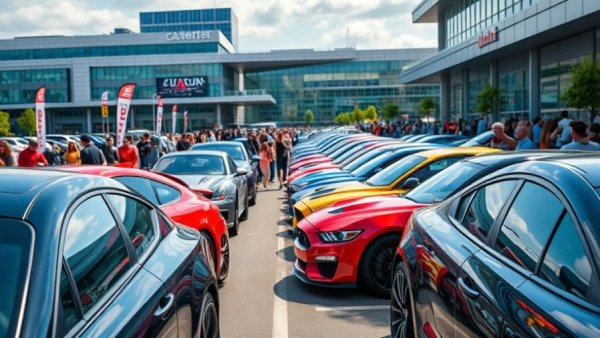
Outdoor American auto show changes with cars and lively crowd.

Revving Up for Change: The Future of Auto Shows

As the automotive industry pivots towards sustainability and innovation, events like the American Auto Show are bracing for transformative shifts. With LA 2026 on the horizon, this iconic gathering will not just showcase new vehicles, but redefine how the automobile landscape communicates with its audience. This evolution mirrors broader societal trends where consumers are seeking not only transportation but a shared vision for a sustainable future.

In 'Is the American Auto Show Changing? Inside LA 2026,' the discussion dives into the evolving automotive landscape, shedding light on pivotal changes that are reshaping the industry's future.

Why Are Auto Shows Important?

Auto shows have traditionally served as a critical platform for automakers to unveil their latest models and technologies. They represent more than just the car; they embody the future of transportation, where innovation meets consumer interest. By gathering industry professionals, buyers, and fans under one roof, these events create an atmosphere ripe for networking and excitement. Beyond vehicle launches, auto shows have become a marketplace of ideas, allowing manufacturers to gauge public reaction to new concepts and designs before they reach mass production.

The Shift to Digital: A New Era for Engagement

The transition to electric and autonomous vehicles is not the only change we’re seeing; digital engagement is also on the rise. In the past, attendees absorbed information through booths and models, but as digital technology advances, dealerships can no longer rely solely on traditional methods to capture customer interest. Virtual reality (VR) experiences, live-streamed reveals, and interactive displays are becoming requisite to engage tech-savvy consumers. These innovations not only enhance the attendee experience but also allow dealerships to extend their reach beyond the physical venue, drawing in digital audiences who can participate from anywhere in the world.

Sustainability: A Driving Force Behind Future Shows

As conversations around climate change continue to escalate, the automotive sector has scrambled to position itself as part of the solution rather than the problem. For LA 2026, sustainability is expected to take the front seat, showcasing electric vehicles (EVs) not just as alternatives, but as integral to future mobility. Major manufacturers are preparing to make bold statements with eco-friendly designs and renewable energy use during the event. The call for eco-friendly designs is no longer just a trend; it’s becoming a foundational aspect of how the industry operates. Moreover, the integration of sustainability not only enhances brand image but also aligns with a growing consumer preference for environmentally responsible products.

The Social Pulse of Auto Culture

This generation lacks the passion for automobiles that previous ones had, largely due to shifting priorities towards sustainability and technology. However, there’s hope: social media continues to shape automotive conversations, making auto shows a vibrant space to rekindle enthusiasts' interest. Platforms like Instagram and TikTok are increasingly populated with automotive content, allowing manufacturers to engage with younger audiences in a way that resonates with their values and interests. By fostering community interaction and encouraging user-generated content, auto shows can become less about selling cars and more about celebrating culture, creating a collective narrative that draws people into the automotive world.

Key Takeaways for Dealers

For automobile dealers, understanding the evolving landscape of auto shows has never been more crucial. The need for innovation and engagement means that they must proactively adapt their strategies. Offering experiences that resonate with audiences—like EV test drives and interactive exhibits—can significantly enhance brand loyalty and expand a dealership’s market presence. Furthermore, dealerships should consider leveraging social media to create buzz around their participation in auto shows. Engaging potential customers before, during, and after the event can prove beneficial in driving traffic to their show floor and increasing sales opportunities.

Building Diverse Experiences

Incorporating diverse experiences into the auto show format can attract a wider audience. For example, workshops and seminars on sustainability practices, car maintenance, and the future of automotive technology can provide valuable takeaways for attendees. Additionally, showcasing a variety of vehicles—from traditional combustion engines to the latest in electric and hybrid technology—can entice different consumer segments. The future of auto shows must embrace inclusivity, ensuring there's something for everyone, from car aficionados to families looking for their next vehicle.

Looking Ahead: What to Expect

As we gear up towards LA 2026, the auto industry is at a crossroads. It must strike a balance between showcasing its innovative prowess while remaining grounded in the culture of sharing and engaging experiences. Collectively, these shifts will not only impact auto shows but define how the relationship between consumers and the automotive industry evolves in the years to come—and dealers must be at the forefront of this change. The potential for collaboration among manufacturers, vendors, and consumers has never been greater, creating an environment ripe for breakthroughs in automotive design and technology.

Exclusive insights and progressive approaches will benefit dealers immensely in navigating this dynamic landscape. By aligning their offerings with consumer expectations and embracing digital tools for engagement, they can turn challenges into opportunities. Are you ready to embrace the transformation? It’s time to connect with new technologies and strategies that resonate with today’s consumer, ensuring your dealership not only survives but thrives in this new era of automotive history.
Automotive Industry News

3 Views

0 Comments

Write A Comment

*
*
Please complete the captcha to submit your comment.
Related Posts All Posts
11.26.2026

Stellantis vs. Unifor: What This Lawsuit Means for EVs and Automotive Dealers

Update Stellantis vs. Unifor: A Court Battle with Major Implications The ongoing conflict between Stellantis and Unifor is heating up, with Stellantis suing the union over a blockade at its Brampton plant. This lawsuit, sparked by the union's action, is preventing necessary environmental assessments needed for Stellantis to sell the site to Rochelle, a manufacturer of armored vehicles. The dispute highlights the ongoing tensions between labor and management in the automotive industry, particularly in a region deeply dependent on vehicle manufacturing.In the video 'Nov. 25, 2026 | Stellantis sues Unifor over Brampton plant; Bowman Chevrolet’s Katie Bowman Coleman,' key issues are raised in the automotive industry, including legal battles and shifting consumer preferences, prompting us to analyze their broader implications. Unifor National President Lana Payne has made it clear that the sale is unacceptable, underlining the complexities of labor relations in the automotive sector. Such conflicts often reveal the sensitive balance between corporate strategy, environmental accountability, and workers' rights. Adding to Stellantis' woes, the company has received a notice of default from Ottawa concerning a significant funding deal that could amount to penalties reaching up to $530 million. Time is of the essence, as Stellantis must rectify this within 30 days to avoid substantial financial repercussions. This legal battle may also affect local economies, as surrounding communities depend heavily on jobs linked to Stellantis and the automotive sector. As the lawsuit progresses, the ramifications could ripple through the supply chain and potentially impact thousands of employees connected to the Brampton plant. The Rising Demand for Used EVs: A Shift in the Market While the legal skirmishes unfold, the automotive landscape is witnessing a remarkable transformation in consumer preferences, particularly regarding electric vehicles (EVs). Used electric vehicles have become highly sought after, with sales in auction lanes reaching a record 4.9% at Mannheim in the third quarter. This surge represents a staggering 45% increase from the previous year, suggesting consumers are warming up to the idea of owning EVs rather than just leasing them. Factors such as rising gasoline prices and increased off-lease returns are contributing to this trend, making it likely that EVs will dominate off-lease maturities next year, rising to 18% from just 5% in 2025. As more consumers become environmentally conscious and look to reduce their carbon footprints, dealerships must adapt to this changing landscape. Strategies to effectively market and sell EVs are paramount as their popularity grows. It is essential for dealerships to build customer trust when it comes to EVs, as many consumers still harbor misconceptions about their performance, range, and convenience. Engaging in community education, offering test drives, and providing detailed information about EV technologies can help ease these concerns and promote higher sales. Brave New World: Amazon Autos Goes Global In a major move indicative of changing shopping behaviors, Amazon is set to expand its car buying marketplace to the UK in early 2027. By partnering with Hyundai and dealer group Virtue Motors, Amazon aims to streamline the car purchasing experience, allowing shoppers to browse inventory, see pricing, and reserve vehicles online before completing the transaction at a local dealership. This shift reflects the growing importance of digitalization in the automotive sales process, as consumers increasingly prefer convenience and transparency. This expansion not only demonstrates Amazon's commitment to entering new markets but also highlights the need for traditional automakers and dealerships to stay competitive in an environment where consumer habits are evolving rapidly. Car buyers are now seeking more information before making a purchase, and partnerships like this one could significantly influence the marketplace moving forward. Katie Bowman Coleman: Rethinking Automotive Retail Katie Bowman Coleman, owner of Bowman Chevrolet, brings a fresh, fashion-forward perspective to the automotive industry. Drawing lessons from her time at Ralph Lauren, she emphasizes the significance of customer experience in the car business. In an insightful conversation with Automotive News' Dan Shine, Coleman expressed her optimism about the future of EVs and the factors that have contributed to her dealership's success. With her deep understanding of branding and customer engagement, Coleman highlights the importance of fostering a strong company culture where employees collaborate closely and support one another, especially during challenging times. This commitment to teamwork and an engaging work environment is particularly vital as the industry faces new challenges and an evolving market. Adapting to Change: Lessons for Automotive Dealers As the automotive landscape shifts due to technological and market changes, dealers must rethink their strategies. Drawing from Coleman's experience, dealerships can thrive by investing in employee well-being and fostering a collaborative culture that promotes shared goals. Moreover, recognizing changing consumer preferences toward EVs allows dealers to adequately inform and support potential buyers. This ultimately boosts sales while also improving customer satisfaction. With growing competition from both traditional and new entrants in the automotive space, the ability to pivot and adapt quickly is essential for long-term success. Dealers should also explore innovative marketing techniques and enhance their online presence to capture the interest of tech-savvy consumers increasingly looking to make purchases through digital channels. Future Insights: What Lies Ahead for the Automotive Industry? Looking ahead, the automotive industry is on the brink of further transformation driven by electric vehicles, autonomous technology, and increasingly digital purchasing processes. As consumers continue to demand more sustainable and convenient transportation options, businesses must adapt to stay relevant. By focusing on customer needs and embracing innovation, dealerships can position themselves as trusted partners in this new era of automotive sales. As the industry navigates these changes, staying informed and proactive will be crucial. Exploring trends like the integration of EVs and the rise of digital marketplaces will prepare dealers to meet future challenges head-on. Dealerships that prioritize collaboration, customer service, and technological adaptability will lead the way into this evolving landscape. Now, let’s keep the conversation going. If you're interested in what the current trends mean for your dealership, let us know your thoughts. How are you adapting your marketing strategies to embrace the changing landscape of automotive sales?

11.24.2026

The Evolution of Barrett-Jackson: Transforming Car Auctions for Generations

Update Revving Up Passion: How Barrett-Jackson Transformed Car Auctions In the world of car collecting, few names resonate as strongly as Barrett-Jackson. What began as a modest auction founded by Russ Jackson and Tom Barrett has evolved into a cultural phenomenon, capturing the hearts of car aficionados and casual fans alike. The driving force behind this transformation has been Craig Jackson, who has successfully bridged his family's legacy with modern technology and television, ultimately reshaping the automotive auction landscape.In 'Behind the Wheel: From restoration shop to reality TV, building Barrett-Jackson's auction empire,' the discussion dives into the transformation of Barrett-Jackson, exploring key insights that sparked deeper analysis on our end. Embracing Progress: Craig Jackson's Vision Craig Jackson's journey with Barrett-Jackson started from an early age, working in his father’s restoration shop as what he affectionately termed “cheap labor.” His childhood experiences taught him the intricacies of the automotive business, paving the way for his innovative leadership when he took over in the post-1993 era. Following personal tragedies, including the loss of his father and brother, Craig faced the daunting task of revitalizing the family brand. Embracing change, he digitized operations as early as 1994, setting the stage for Barrett-Jackson’s future in the online marketplace. His transformative vision became evident when re-evaluating auction processes. Craig advocated for no-reserve auctions, allowing for greater transparency while assuring sellers that their cars would be properly vetted by industry experts. With his leadership, Barrett-Jackson not only sold more cars but improved their overall quality, building trust within the collector community. Television: The Game Changer The introduction of televised auctions marked a pivotal moment in Barrett-Jackson’s trajectory. As Craig recalls, the realization that the excitement of the auction could be broadcasted wasn’t an easy sell. Yet, this leap—pushed forward by the launch of Speed Vision—allowed fans of various backgrounds to engage with the auction process, whether they intended to bid or simply enjoy the drama of car sales unfolding live. The result? A lucrative partnership, increased visibility, and a revamped image of car auctions as a lively entertainment experience instead of a mere business transaction. Every two minutes, viewers were treated to new excitement, generating higher ratings and a dedicated audience. How did they do it? By delivering an authentic experience filled with moments of suspense, unexpected outcomes, and the genuine passion that comes with car collecting. Catering to a New Generation One of the most significant challenges—and opportunities—for Barrett-Jackson was attracting younger buyers. Craig's strategy incorporated leveraging technology and social media to tap into an evolving demographic, seamlessly integrating their passion for cars with new trends and interests. Today, collectors aren’t just enamored with classic muscle cars; there’s a growing demand for modern hypercars and 1980s Japanese vehicles, reshaping the auction landscape. To foster interest from this new generation, Barrett-Jackson has introduced car shows and experiences tailored towards youthful preferences. By creating an inclusive environment that celebrates diverse automotive cultures, they have effectively broadened their customer base. Engaging the Community: Charity Auctions and More Integrated into Barrett-Jackson's ethos is the idea of giving back. Charity auctions have transformed into a vital aspect of the business, where bespoke cars attract the bidding of philanthropic collectors. Being able to combine a love for unique cars with meaningful contributions has resonated deeply with buyers, as seen when celebrity bidders catalyze interest and participation for worthy causes. Craig's insight reveals that taps into the emotional connection people have with their vehicles, establishing a narrative that drives engagement and elevates charity auction experiences. It's about creating unique moments and the thrill of owning something truly special, whether for a collection or a cause. Next Steps: Maintaining Relevance in a Changing Landscape Looking toward the future, Barrett-Jackson continues to innovate, testing new waters while honoring its rich history. Engaging with customers through data insights allows for a refined approach—what works, what doesn't, and how to keep enthusiasm high for newcomers and seasoned collectors alike. Just as Craig’s father had to adapt his restoration business to remain relevant, Craig’s continued emphasis on customer experience ensures that Barrett-Jackson remains a hallmark in the automotive world. So, what's next for Barrett-Jackson? As they navigate the complexities of evolving demographics and advancing technology, their commitment to authenticity and transparency will remain steadfast. With annual auctions that resemble a “Super Bowl” of car culture, the drive for excellence is invigorated, ensuring Barrett-Jackson's legacy continues to flourish. To all automobile dealers looking to broaden their horizons and effectively target new audiences, consider reflecting on Barrett-Jackson's innovative journey. Getting involved in community initiatives, aligning with digital strategies, and fostering meaningful customer relationships can elevate your brand in a competitive market. Don't miss out on the opportunity to shape the future of your automotive business. Emulate the spirit of Barrett-Jackson and adapt your strategies to meet the demands of today's customers.

11.24.2026

Amazon Autos Transforms Dealer Onboarding: What Dealers Need to Know

Update Revolutionizing Dealer Onboarding: Amazon Autos’ Breakthrough In a bold move symbolizing significant progress for the automotive industry, Amazon Autos has drastically improved its dealer onboarding process, notably cutting the time required for dealerships to join its platform by more than 85%. This transformation comes at a crucial time when efficiency and customer satisfaction are paramount for dealerships aiming to thrive in today’s marketplace. Fan Jin, global general manager and director of Amazon Autos, revealed how this streamlined process empowers dealers and enhances customer experiences.In 'Nov. 24, 2026 | Amazon Autos’ Fan Jin talks faster dealer onboarding; Barrett-Jackson’s Craig Jac...', the discussion dives into the significant transformation of the dealer onboarding process at Amazon Autos, inspiring us to analyze its implications for automobile dealers. Understanding the Pain Points Prior to 2026 Before the overhaul, onboarding for large dealership groups was a cumbersome task. Many dealers reported spending an entire week engaging with the registration page, which was initially designed for standalone stores and smaller groups. Jin describes the previous system as "painful," underscoring a prevalent challenge for dealers looking to leverage Amazon’s extensive customer base. An easy-to-navigate onboarding system was a significant request from dealers since they sought a platform that not only matched their operational needs but also enhanced the customer’s shopping experience. This previous inefficiency had limited dealer participation and, correspondingly, customer accessibility to various automotive brands. Transitioning to a New Era: Introducing Improved Dealer Sign-Up To remedy these challenges, Amazon Autos has introduced a separate sign-up process specifically designed for dealership groups. This change has already shown promising results—Jin noted that onboarding is now eight times faster than before. The goal is clear: to ensure that local dealers can easily reach customers while expanding the variety of vehicles available for purchase. Expanding rapidly, Amazon Autos now features over 35 automotive brands, showcasing a diverse array of offerings from new to certified pre-owned vehicles. The platform’s growth mirrors a shifting landscape in consumer preferences, with many shoppers desiring more online interaction in the purchasing process yet still valuing the traditional dealership experience. The Future of Dealer Participation: Expectations for 2026 As we approach the end of 2026, expectations for Amazon Autos are high. The platform continues to gather interest from dealers eager to join. Jin states that there are even more dealers interested in onboarding now than the number currently live on the platform. This robust pipeline indicates a promising trend for the future. By emphasizing a metro-by-metro approach for local dealer onboarding, Amazon Autos is keen on maintaining relationships with regional businesses. This localized strategy is crucial as they aim to bolster dealer participation while promoting customer awareness through targeted marketing campaigns. Aligning Technology and Customer Expectations: Insights from Fan Jin Fan Jin is poised to enhance the online shopping experience further by integrating comparison shopping tools and fostering digital interactions between customers and dealers. Such technology aims to bridge the gap between online convenience and on-ground validation—a crucial balance dealers need to thrive. Jin highlights the importance of enabling customers to schedule test drives and access e-contracting features online. As he describes it, “The vast majority of customers want to do more online.” This sentiment reflects a growing expectation for seamless interactions across platforms, which both customers and dealers desire. Harnessing Dealer Flexibility and Customer Transparency The potential for customization is another talking point for Amazon Autos. Jin notes that rather than providing a standardized list of services and products, dealers can now present their preferred options to customers. This flexibility is not just beneficial but essential for dealers who have built longstanding relationships with various service providers and preferred solutions. This approach fosters an environment of transparency, empowering customers while reaffirming the individuality of each dealership. According to Jin, this means that as customers browse, they can appreciate what each dealer uniquely offers—enhancing their overall car buying experience. Real-World Implications: A Transformative Change in the Auto Industry The shift in the onboarding process and the encompassing strategies by Amazon Autos represent more than just technical improvements; they indicate a vital evolution in the automotive industry's operational landscape. In a world where digital presence increasingly dictates market success, dealerships must adapt, innovate, and use new technologies effectively. Dealers looking to capitalize on these changes should focus on gradual implementation of digital tools and leverage Amazon’s platform to connect with a broader customer base. The landscape ahead is not merely about surviving; it is about thriving through meaningful engagement and technological agility. The Road Ahead: Call to Action for Dealers As the automotive industry edges closer to digital transformation, dealers must seize the opportunity presented by Amazon Autos’ advancements. With onboarding times dramatically reduced and a growing marketplace, the time to engage is now. Delve into the new capabilities of Amazon Autos and explore how they can elevate your dealership’s reach and efficiency. Dealers are encouraged to embrace these changes and to continue providing exceptional customer experiences. By taking steps now to onboard with Amazon, your dealership can take advantage of the online shopping surge and drive greater sales for years to come.

cropper
update

Small Business Today

cropper
update

Write a small description of your business and the core features and benefits of your products.

  • Small Business Today
    update
  • Small Business Today
    update
  • update
  • Small Business Today
    update
  • Small Business Today
    update
  • Small Business Today
    update
  • Small Business Today
    update

COMPANY

  • Privacy Policy
  • Terms of Use
  • Advertise
  • Contact Us
  • Menu 5
  • Menu 6

(508)344-5927

AVAILABLE FROM 8AM - 5PM

City, State

, ,

ABOUT US

Write a small description of your business and the core features and benefits of your products.

© 2026 CompanyName All Rights Reserved. Address . Contact Us . Terms of Service . Privacy Policy

Terms of Service

Privacy Policy

Core Modal Title

Sorry, no results found

You Might Find These Articles Interesting

T
Please Check Your Email
We Will Be Following Up Shortly
*
*
*