

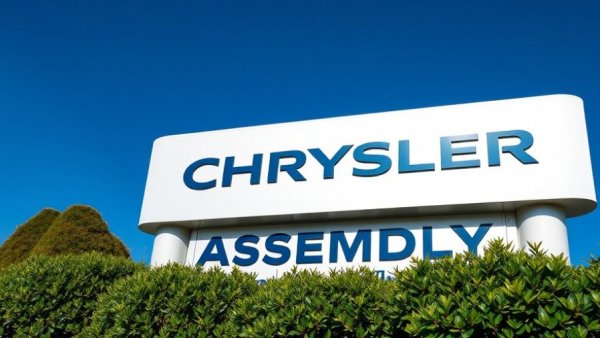
Stellantis vs. Unifor: A Court Battle with Major Implications
The ongoing conflict between Stellantis and Unifor is heating up, with Stellantis suing the union over a blockade at its Brampton plant. This lawsuit, sparked by the union's action, is preventing necessary environmental assessments needed for Stellantis to sell the site to Rochelle, a manufacturer of armored vehicles. The dispute highlights the ongoing tensions between labor and management in the automotive industry, particularly in a region deeply dependent on vehicle manufacturing.
In the video 'Nov. 25, 2026 | Stellantis sues Unifor over Brampton plant; Bowman Chevrolet’s Katie Bowman Coleman,' key issues are raised in the automotive industry, including legal battles and shifting consumer preferences, prompting us to analyze their broader implications.
Unifor National President Lana Payne has made it clear that the sale is unacceptable, underlining the complexities of labor relations in the automotive sector. Such conflicts often reveal the sensitive balance between corporate strategy, environmental accountability, and workers' rights. Adding to Stellantis' woes, the company has received a notice of default from Ottawa concerning a significant funding deal that could amount to penalties reaching up to $530 million. Time is of the essence, as Stellantis must rectify this within 30 days to avoid substantial financial repercussions.
This legal battle may also affect local economies, as surrounding communities depend heavily on jobs linked to Stellantis and the automotive sector. As the lawsuit progresses, the ramifications could ripple through the supply chain and potentially impact thousands of employees connected to the Brampton plant.
The Rising Demand for Used EVs: A Shift in the Market
While the legal skirmishes unfold, the automotive landscape is witnessing a remarkable transformation in consumer preferences, particularly regarding electric vehicles (EVs). Used electric vehicles have become highly sought after, with sales in auction lanes reaching a record 4.9% at Mannheim in the third quarter. This surge represents a staggering 45% increase from the previous year, suggesting consumers are warming up to the idea of owning EVs rather than just leasing them.
Factors such as rising gasoline prices and increased off-lease returns are contributing to this trend, making it likely that EVs will dominate off-lease maturities next year, rising to 18% from just 5% in 2025. As more consumers become environmentally conscious and look to reduce their carbon footprints, dealerships must adapt to this changing landscape. Strategies to effectively market and sell EVs are paramount as their popularity grows.
It is essential for dealerships to build customer trust when it comes to EVs, as many consumers still harbor misconceptions about their performance, range, and convenience. Engaging in community education, offering test drives, and providing detailed information about EV technologies can help ease these concerns and promote higher sales.
Brave New World: Amazon Autos Goes Global
In a major move indicative of changing shopping behaviors, Amazon is set to expand its car buying marketplace to the UK in early 2027. By partnering with Hyundai and dealer group Virtue Motors, Amazon aims to streamline the car purchasing experience, allowing shoppers to browse inventory, see pricing, and reserve vehicles online before completing the transaction at a local dealership. This shift reflects the growing importance of digitalization in the automotive sales process, as consumers increasingly prefer convenience and transparency.
This expansion not only demonstrates Amazon's commitment to entering new markets but also highlights the need for traditional automakers and dealerships to stay competitive in an environment where consumer habits are evolving rapidly. Car buyers are now seeking more information before making a purchase, and partnerships like this one could significantly influence the marketplace moving forward.
Katie Bowman Coleman: Rethinking Automotive Retail
Katie Bowman Coleman, owner of Bowman Chevrolet, brings a fresh, fashion-forward perspective to the automotive industry. Drawing lessons from her time at Ralph Lauren, she emphasizes the significance of customer experience in the car business. In an insightful conversation with Automotive News' Dan Shine, Coleman expressed her optimism about the future of EVs and the factors that have contributed to her dealership's success.
With her deep understanding of branding and customer engagement, Coleman highlights the importance of fostering a strong company culture where employees collaborate closely and support one another, especially during challenging times. This commitment to teamwork and an engaging work environment is particularly vital as the industry faces new challenges and an evolving market.
Adapting to Change: Lessons for Automotive Dealers
As the automotive landscape shifts due to technological and market changes, dealers must rethink their strategies. Drawing from Coleman's experience, dealerships can thrive by investing in employee well-being and fostering a collaborative culture that promotes shared goals. Moreover, recognizing changing consumer preferences toward EVs allows dealers to adequately inform and support potential buyers. This ultimately boosts sales while also improving customer satisfaction.
With growing competition from both traditional and new entrants in the automotive space, the ability to pivot and adapt quickly is essential for long-term success. Dealers should also explore innovative marketing techniques and enhance their online presence to capture the interest of tech-savvy consumers increasingly looking to make purchases through digital channels.
Future Insights: What Lies Ahead for the Automotive Industry?
Looking ahead, the automotive industry is on the brink of further transformation driven by electric vehicles, autonomous technology, and increasingly digital purchasing processes. As consumers continue to demand more sustainable and convenient transportation options, businesses must adapt to stay relevant. By focusing on customer needs and embracing innovation, dealerships can position themselves as trusted partners in this new era of automotive sales.
As the industry navigates these changes, staying informed and proactive will be crucial. Exploring trends like the integration of EVs and the rise of digital marketplaces will prepare dealers to meet future challenges head-on. Dealerships that prioritize collaboration, customer service, and technological adaptability will lead the way into this evolving landscape.
Now, let’s keep the conversation going. If you're interested in what the current trends mean for your dealership, let us know your thoughts. How are you adapting your marketing strategies to embrace the changing landscape of automotive sales?






Write A Comment